Booking a Bear Hunt During the December Window
Trying to navigate the intricacies of Florida's bear hunting season, especially for a specific timeframe like the December window, can feel like trying to find a needle in a haystack—confusing, frustrating, and often leaving you wondering where to even begin. With unique permit requirements, limited opportunities, and the ever-present challenge of finding reliable information, it's easy to get overwhelmed. This guide is here to cut through that noise, helping you understand the specifics of Florida's bear hunting landscape, particularly for that coveted December opportunity, and how to successfully book an outfitted or self-guided hunt.
Understanding Florida's Bear Hunting Landscape
Florida's black bear population has made an incredible comeback, a true conservation success story. However, this rebound has also brought about challenges, leading to the occasional, highly regulated hunting season. If you're looking to hunt bear here, you're stepping into a program built on careful management and limited opportunity, making every step of the planning process critical.
Florida's Bear Population and Management
It's truly remarkable how Florida's black bear population has grown from just a few hundred in the 1970s to several thousand today. This isn't an accident; it's the result of decades of dedicated conservation efforts, habitat protection, and public education. The Florida Fish and Wildlife Conservation Commission (FWC) manages bears primarily through habitat management, public awareness campaigns to reduce human-bear conflicts, and, when deemed necessary for population control and public safety, regulated hunting. The decision to hold a bear hunt is never taken lightly and is always based on extensive scientific data and public input. Understanding the Florida Bear Population Estimate helps put this into perspective—it's a healthy, thriving population, but one that needs careful oversight.
Despite their resurgence, Florida bears face ongoing challenges, mainly from habitat fragmentation and vehicle collisions. As Florida's human population expands, the wild spaces bears need are shrinking, pushing them into closer contact with people. This constant pressure necessitates a proactive and adaptive management strategy to ensure both bear and human safety. When hunting seasons are proposed, they are done so with precise objectives, aiming to manage specific populations or mitigate conflicts in certain areas rather than broadly reducing numbers across the state.
The Quota System and Zone Specifics
If you've ever looked into hunting bear in Florida, you've likely encountered the term "quota." This isn't just bureaucratic jargon; it's the cornerstone of how Florida manages its bear hunts. Each bear hunting zone, which often aligns with the state's designated bear management units, is assigned a very specific quota—a maximum number of bears that can be harvested. Once that quota is met, the season in that zone closes, often very quickly. This can mean a season lasting mere days, or even hours, if hunter success is high. You might find it frustratingly brief, but it’s a direct reflection of Florida's commitment to careful population management. The state keeps a close eye on Florida's One-Hundred-Eighty-Seven Bear Quota and how it is allocated across zones.
The specific zones open for bear hunting can also change from year to year, depending on population dynamics, bear-human conflict data, and the FWC's management goals. Historically, hunts have occurred in various parts of the state, including the Panhandle and areas in Central Florida. Knowing Florida's Thirty-One Bear Hunting Counties that are generally considered bear habitat is a good starting point, but always verify the exact open zones and their individual quotas each season. This dynamic system means that what was true last year might not hold true for a potential December window hunt this year.
Historical Context of Florida Bear Hunting
Florida's bear hunting history is a story of ebb and flow, deeply tied to conservation efforts. Bears were once severely depleted, leading to a long period where hunting was not permitted. It was a time of intense recovery and protection. Then, after decades of successful population growth, the state reinstated a bear hunting season in 2015, the first in over 20 years. This decision was met with significant public debate and underscored the complexities of wildlife management. If you're curious about the journey, exploring Why Florida Paused Bear Hunting for a Decade can give you a lot of insight.
The seasons that have occurred since reinstatement have been notable for their brevity and strict management. They've served as important tools in addressing localized population concerns and mitigating human-bear conflicts. This history shapes the present, emphasizing that any future bear hunting opportunities, including a December window, will likely be short, highly regulated, and contingent on ongoing population assessments and management needs. It means that planning a hunt is not just about finding an outfitter, but understanding the philosophy behind the season itself.
The December Window: Why It Matters
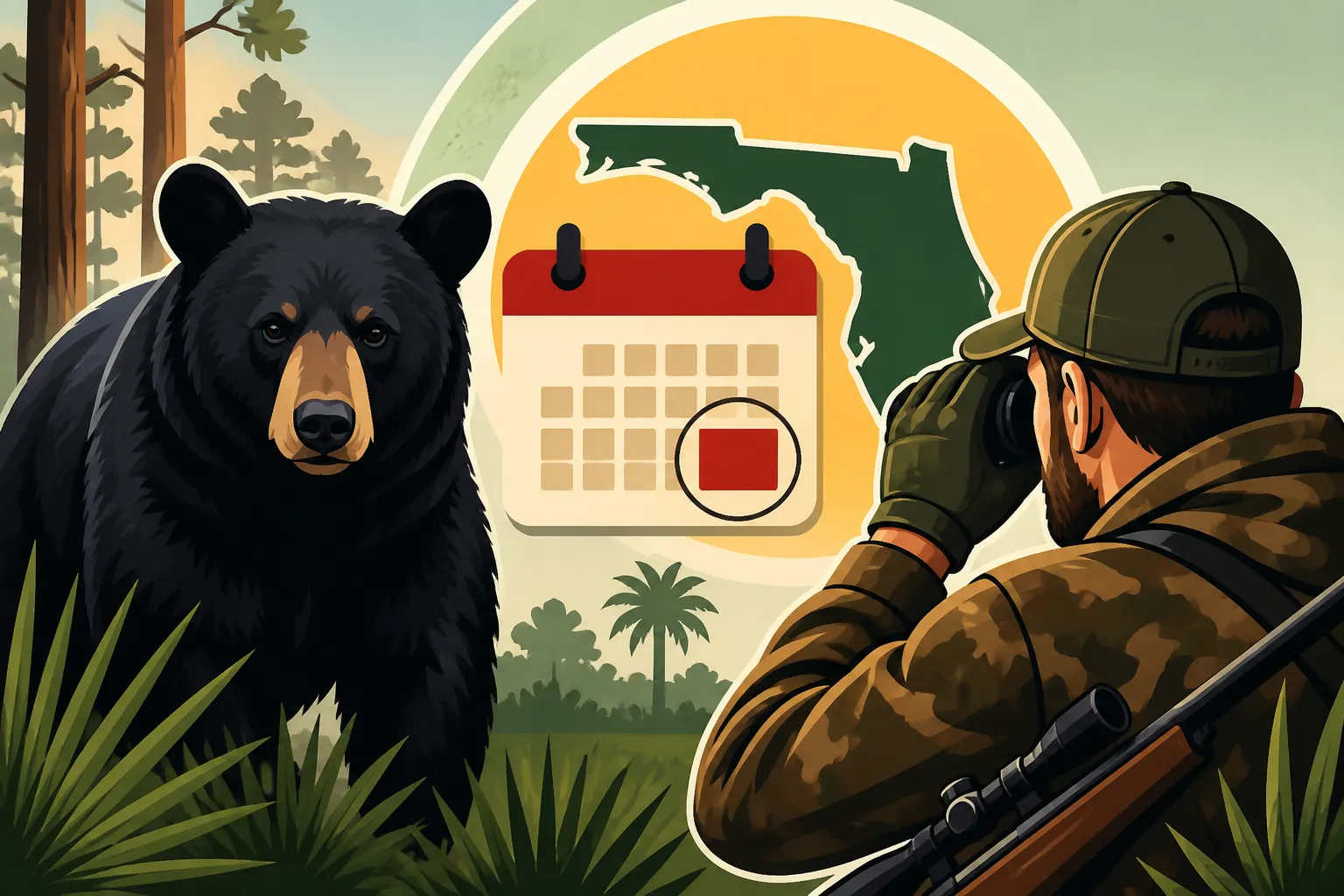
When we talk about a "December window" for bear hunting in Florida, it's important to understand this isn't a long, drawn-out affair. Florida's bear seasons, when they happen, are typically very brief, sometimes only a few days, and can occasionally fall within the month of December. This makes the timing incredibly critical and requires hunters to be ready to act fast.
Late Season Behavior and Challenges
If a bear hunt opens in December, you’re looking at a time when bear behavior might be a bit different than earlier in the fall in other states. While Florida doesn't experience the harsh winters of more northern states, December does bring cooler temperatures, especially in the Panhandle. Bears will still be active, foraging for available food sources to build up fat reserves, but their patterns might shift. They might be focused on different mast crops, like late-dropping acorns, or they could be preparing for denning, which, in Florida, is often a more relaxed affair than a deep hibernation.
The challenge during this late window is that opportunities can be fleeting. Bears are smart and elusive, and with a short season, every moment in the field counts. You'll need to be highly attuned to their feeding areas, travel corridors, and any signs of recent activity. Unlike deer, which have longer seasons where you can learn their patterns over weeks, a bear hunt in Florida demands a more immediate understanding of their current movements, almost like a sprint rather than a marathon.
Weather Considerations in December
While "winter" in Florida isn't what most folks outside the state imagine, December can still bring some surprisingly cool days, especially after a cold front. Mornings can be crisp, sometimes dipping into the 40s or even 30s in northern parts of the state. This slightly cooler weather can actually be a blessing for hunters. It makes hiking through palmetto and cypress much more comfortable than the sweltering heat of August or September. It also helps with game recovery and meat preservation, which is a significant factor when hunting in a warm climate.
However, cooler weather also means you need to be prepared. Dressing in layers is key, as temperatures can swing quite a bit between dawn and midday. Rain, though less frequent than during the summer, is still a possibility, so waterproof gear is non-negotiable. Don't let the "Florida" in Florida fool you into thinking it's always sunshine and shorts, particularly during a potential Hunting the December Bear Season. Being comfortable in varying conditions will allow you to stay focused on the hunt, rather than shivering or sweating.
Permit Availability and Application Timing
Securing a bear permit in Florida is not like walking into a store and buying a deer tag. It's a highly competitive process, typically involving an application period and a lottery system, mainly because the available permits are usually far fewer than the number of interested hunters. The specific "December window" refers to a potential season that could open in December, which means you'd need to have successfully drawn a permit well in advance. Keep an eye on the FWC's announcements for the Florida Bear Permit Application Process dates, as missing these deadlines means missing your chance entirely.
The FWC usually opens the application window for these limited-entry hunts months before the potential season. This means you'll need to plan far ahead, make your application, and then hope luck is on your side. Because the bear season is so tightly controlled and brief, drawing a permit is often the biggest hurdle. Without that precious piece of paper, no amount of scouting or outfitter booking will get you into the field. This upfront planning is non-negotiable for anyone hoping to participate in this unique Florida hunting opportunity.
Self-Guided Versus Outfitted Bear Hunts for December
Deciding whether to go it alone or hire a guide for a Florida bear hunt, especially during a short December window, is a big decision with pros and cons on both sides. Your choice will depend on your experience, budget, and how much time you have for pre-hunt scouting and preparation.
The Appeal of Going Solo
For many seasoned hunters, the idea of a self-guided hunt carries a strong appeal. It's about the challenge, the freedom, and the satisfaction of earning your success through your own efforts. If you're intimately familiar with Florida's public lands, understand bear sign, and are prepared for the intensive scouting required, going solo might be an option. You'll save significantly on outfitter fees, and you can hunt at your own pace, on your own terms. However, this is a huge undertaking for a bear hunt, particularly in Florida, where public lands can be thick and bears can be exceptionally elusive.
Going solo means you are solely responsible for all logistics: scouting prime bear habitat, understanding the nuances of the hunting zones, tracking real-time quota closures, and, crucially, game recovery. If you plan to hunt on public lands, you'll need to ensure you have all the necessary licenses and permits, including The Florida WMA Management Area Permit if applicable to your chosen area. The learning curve is steep, and the time commitment for pre-season work can be immense, especially since Florida's bear seasons are so short that you might not get a chance to learn patterns during the hunt itself. This approach is best suited for highly experienced hunters who have already spent significant time in Florida's specific terrain and understand its unique challenges.
Benefits of a Guided December Hunt
For most hunters looking to participate in Florida's bear season, especially if it falls within that brief December window, booking with a reputable outfitter is often the most practical and successful path. Guides bring invaluable local knowledge, years of experience tracking bears in specific areas, and the ability to adapt quickly to changing conditions. They've likely spent countless hours scouting, identifying active feeding grounds, and understanding how bears move through the dense Florida habitat. This expertise dramatically increases your chances of success during a short season.
A good outfitter handles many of the logistical headaches, from pinpointing legal hunting areas to providing essential equipment like stands or blinds, and even assisting with game retrieval. During a December hunt, when temperatures can be variable and the season might close in a flash, having a guide who knows where to focus efforts is paramount. They can guide you through the process, providing insights into Florida Bear Hunting Hours and helping you understand the unique challenges of hunting in Florida's diverse landscapes. This service can be particularly beneficial for non-resident hunters who are less familiar with the terrain and the specific regulations.
Cost Implications of Each Approach
Let's be realistic: hunting is rarely a cheap endeavor, and bear hunting, especially with a guide, can be a significant investment. Self-guided hunts, while saving on guide fees, still incur costs for licenses, permits, travel, gear, and potentially lodging. You're also investing your own time in scouting, which, for a challenging species like bear in dense Florida cover, could be extensive. You'll need to consider the cost of fuel for scouting trips, specialized equipment, and potentially a good GPS or mapping app.
| Feature | Self-Guided Hunt | Outfitted Hunt |
|---|---|---|
| Permit Acquisition | Hunter's responsibility (lottery application) | Hunter's responsibility (outfitter may assist) |
| Local Knowledge | Requires extensive personal scouting & research | Provided by experienced guide |
| Equipment | Hunter provides all gear (stand, calls, recovery) | Often provided (stands, blinds, recovery assistance) |
| Time Commitment | High (scouting, preparation, logistics) | Lower (guide handles many logistics) |
| Success Odds | Varies widely, depends on hunter's skill & preparation | Generally higher due to guide's expertise |
| Cost (Estimated) | Licenses, travel, gear, food, lodging | Licenses, travel, gear, food, lodging, guide fee |
| Game Recovery | Hunter's responsibility (can be difficult in Florida) | Guide typically assists or handles |
| Flexibility | High (choose your own schedule & spots) | Moderate (tied to outfitter's schedule & locations) |
An outfitted hunt will naturally come with a higher upfront cost, covering the guide's expertise, resources, and logistical support. You're paying for their knowledge and their ability to put you in a position to harvest a bear. When considering What a Guided Florida Bear Hunt Costs, remember that these fees typically encompass a package of services, but you'll still need to account for your licenses, travel, and personal gear. While it's more expensive, it can save you immense amounts of time and frustration, and often significantly increases your chances of success, making it a worthwhile investment for many.
Finding and Vetting Outfitters for a December Bear Hunt
Given the highly regulated and often short nature of Florida's bear season, finding a legitimate and competent outfitter is paramount. You're not just looking for someone with a boat and a truck; you need an expert who understands the nuances of bear behavior, the specific regulations, and the dynamics of a short, high-pressure season.
Where to Start Your Search
Starting your search can feel daunting, but thankfully, there are resources available. Online hunting platforms and communities are excellent places to begin. Websites like BookYourHunt are popular hubs where many Florida outfitters list their services, allowing you to browse different packages and get a sense of what's available. Similarly, GoHunt can be a valuable resource for researching outfitter reviews, success rates, and available hunt dates, especially as they pertain to specific species like Florida bears. These platforms can give you an initial filter to narrow down your options based on location, services offered, and price range.
Beyond online platforms, don't underestimate the power of word-of-mouth. Talk to fellow hunters, visit local Florida hunting shows if possible, and engage in online forums dedicated to Florida hunting. You might uncover hidden gems or hear cautionary tales that help guide your decision. Always cross-reference information found online with personal testimonials, as this layered approach provides a more complete picture of an outfitter's reputation and capabilities.
Questions to Ask Potential Guides
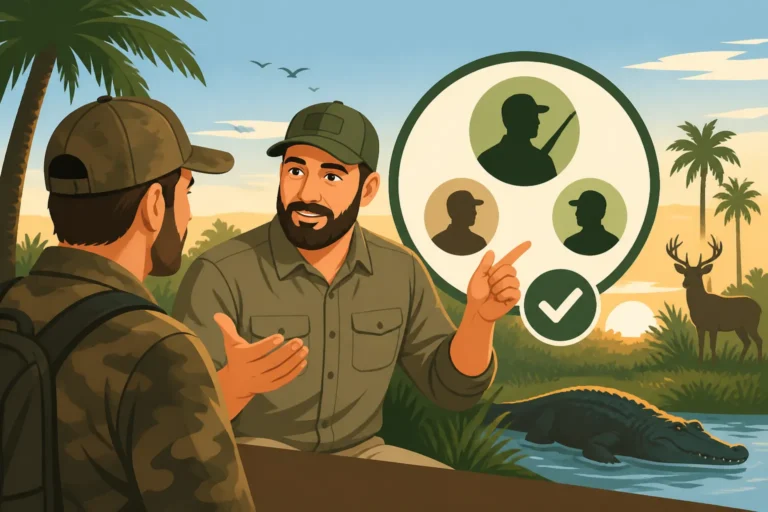
Once you have a shortlist of potential outfitters, it's time to dig deep. Don't be afraid to ask a lot of questions—this is your investment and your hunt, and you deserve clear answers. Here's a table of essential questions:
| Category | Specific Questions to Ask | Why It Matters |
|---|---|---|
| Experience & Licenses | How long have you been guiding bear hunts in Florida? | Shows track record and familiarity with specific state regulations. |
| Are you fully licensed and insured in Florida? | Ensures legality and provides protection in case of unforeseen events. | |
| Hunt Details | What areas do you primarily hunt, and are they public or private? | Determines hunting pressure and type of terrain you'll encounter. |
| What is your typical success rate for bear hunts during this window? | Gives an indication of their effectiveness, but understand "success" varies. | |
| What methods do you primarily use (spot-and-stalk, still-hunting)? | Helps you understand the style of hunting and if it aligns with your preferences. | |
| Logistics & Inclusions | What is included in the hunt package? (e.g., lodging, meals, transport) | Clarifies what you're paying for and helps budget for additional costs. |
| How do you handle game recovery and field dressing? | Crucial for a large animal in Florida's terrain; hot weather meat preservation. | |
| What is the typical group size per guide? | Affects personal attention and overall hunt experience. | |
| Permit & Quota | How do you monitor the quota closure for the zone we will be hunting? | Essential for a short season; ensures they're on top of FWC updates. |
| What happens if the season closes before my hunt begins or during it? | Critical for understanding refund or rebooking policies given short seasons. | |
| References | Can you provide references from recent bear hunting clients? | Best way to get unbiased feedback on their service and experience. |
Pay close attention to how transparent and straightforward an outfitter is with their answers. A good outfitter will be happy to share details and provide references. Discussing What an Outfitted Bear Package Includes is a key part of this conversation.
Red Flags to Watch Out For
While most outfitters are legitimate, some might not be. Be wary of any outfitter who:
- Guarantees a kill: Wildlife is unpredictable. No ethical outfitter can guarantee a harvest. They can promise effort and opportunity, but never a sure thing.
- Seems evasive about licenses or permits: Ask to see proof of their guide's license or insurance if you feel uncomfortable. A reputable guide will have this readily available.
- Doesn't provide references or offers only old ones: Recent references are crucial. A guide with happy clients will be proud to share their contact information.
- Demands full payment upfront without a clear contract: Always have a detailed contract outlining dates, inclusions, exclusions, and cancellation/refund policies. A significant deposit is normal, but full payment without a solid agreement is risky.
- Offers deals that seem too good to be true: High-quality, ethical bear hunts are expensive due to the expertise and resources required. Unusually low prices can sometimes indicate corners being cut.
- Doesn't discuss the quota system: Any outfitter operating in Florida for bear hunting must be intimately familiar with the FWC's quota system and how quickly seasons can close. If they shrug it off, that's a major red flag. They should also be clear about What Happens If You Don't Fill Your Bear Tag.
Trust your gut instinct. If something feels off, it probably is. Take your time, do your research, and choose an outfitter who inspires confidence and professionalism.
Preparing for Your December Florida Bear Hunt
Once you've secured your permit and potentially booked your outfitter for a December bear hunt, the real work of preparing begins. This isn't just about packing a bag; it's about physical conditioning, gear selection, and understanding the legal obligations that come with harvesting a bear in Florida.
Essential Gear for Late Season
While Florida's December isn't freezing, you'll still encounter cooler temperatures, especially at dawn and dusk. Layering is your best friend. Start with moisture-wicking base layers, add insulating mid-layers, and top it off with a quiet, windproof, and waterproof outer shell. Good quality waterproof boots are non-negotiable for navigating potentially damp or marshy Florida terrain. Don't forget a warm hat and gloves for those chilly mornings. You'll thank yourself when you're sitting still waiting for a bear.
Beyond clothing, think about your hunting setup. Are you planning to still-hunt, or will you use a stand? If a stand, ensure it's safe and you're comfortable with its use. Optics are crucial for spotting bears in dense cover; high-quality binoculars are a must. A reliable headlamp for early mornings and late evenings, a first-aid kit, and plenty of water are also essential. If you're going self-guided, a sturdy backpack for hauling gear and potentially game parts is critical. And of course, your chosen weapon needs to be sighted in and ready.
Physical Preparation and Safety
Hunting a Florida black bear can be physically demanding. Even if you're hunting from a stand, the walk in and out can be through thick woods, palmetto, or swampy areas. If you're successful, recovering a large bear, especially in warm Florida conditions, requires significant stamina and physical strength. Start a conditioning routine well before your hunt: walking with your gear, hiking uneven terrain, and even some strength training can make a huge difference.
Safety is paramount. Always let someone know your hunting plan, including your location and expected return time. Carry a fully charged cell phone, but don't rely on it for navigation in areas with poor service; a reliable GPS unit or a downloaded map on an app like onX (which GoHunt users often find useful for scouting) is essential. If hunting with an outfitter, follow their safety instructions explicitly. Be mindful of your surroundings, potential wildlife encounters beyond bears, and always handle your firearm or bow safely. Florida has unique challenges, and being prepared for them can mean the difference between a successful hunt and a dangerous situation.
Understanding Legal Requirements and Reporting
Florida has strict rules for bear hunting, and adhering to them is non-negotiable. Beyond simply having your bear permit, you need to understand the specifics of the season you're participating in. This includes the legal hunting hours—the Florida Bear Hunting Hours are typically well-defined—and any specific weapon restrictions. Ignorance of the law is never an excuse, and violations can lead to severe penalties.
One of the most critical aspects is game reporting. If you're fortunate enough to harvest a bear, you must report it to the FWC within a very short timeframe, often within 12 hours. This typically involves checking the bear at an FWC check station or through a designated online or phone system. This reporting is vital for the FWC to monitor the quota and make the decision to close a zone when the harvest limit is reached. Failing to report your bear promptly can result in penalties and could even jeopardize future bear seasons. Ensure you know the nearest check station or the exact reporting procedure before you head out.
Considerations Beyond the Hunt Itself
Your bear hunt doesn't end when you pull the trigger or release an arrow. There's important work to be done afterward, from processing the animal to understanding its significance, especially in a state like Florida.
Meat Processing and Trophy Care
Harvesting a bear is a big accomplishment, but a large animal also means a lot of meat to process and potentially a trophy to preserve. Given Florida's generally warm climate, even in December, rapid field dressing and cooling of the carcass are absolutely critical to prevent spoilage. If you're self-guided, this means having a plan for immediate butchering and access to a cooler with plenty of ice. If you're with an outfitter, discuss their procedures for handling the animal post-harvest. Many outfitters will assist with field dressing and getting the bear back to camp.
For those interested in a trophy, whether it's the hide for a rug or the skull, proper care is essential from the moment of harvest. This includes careful skinning and ensuring the hide is cooled rapidly to prevent hair slippage. Discuss with your outfitter if they provide skinning services or if they can recommend a local taxidermist who specializes in bear. Planning for this in advance will save you a lot of headache and ensure your trophy is preserved properly. It's not uncommon for hunters to be surprised by the Average Weight of a Florida Black Bear, so be prepared for a substantial animal.
Travel and Logistics for Non-Residents
If you're traveling to Florida from another state for a bear hunt, you have an extra layer of logistics to consider. This includes travel to and from your hunting destination, potentially renting a vehicle capable of handling some off-road conditions, and arranging lodging. Factor in the time it takes to travel and set up, especially for a short December season where every day counts. Book flights and lodging well in advance, as last-minute arrangements can be more expensive or difficult to secure.
You'll also need to be aware of any state-specific regulations regarding the transport of game across state lines. This often means ensuring your bear is properly tagged and that you have all the necessary documentation from the FWC. Always check the regulations of both Florida and your home state to avoid any issues. For non-residents, considering all these logistical elements upfront is just as important as the hunt itself. Remember, obtaining your Florida Nonresident License Options is the first step in this process.
Ethical Hunting and Conservation
Participating in a Florida bear hunt during any open window, including December, carries a significant responsibility. Ethical hunting practices are not just about following the law; they're about respecting the animal, the land, and the tradition of hunting. This means making clean, humane shots, knowing your limits as a hunter, and striving for quick and efficient game recovery. It also means leaving no trace and respecting private property boundaries if hunting near them.
Beyond the immediate hunt, every hunter plays a role in conservation. By purchasing licenses and permits, you directly contribute to wildlife management and habitat restoration efforts in Florida. The FWC relies on these funds to continue their vital work. Be an advocate for responsible hunting, educate others about the importance of bear management, and always represent the hunting community in a positive light. When you participate in a bear hunt, you become part of the ongoing story of Florida's Reinstated Bear Hunting Season and its commitment to sustainable wildlife populations.
Disclaimer
This article is for general informational purposes only and does not constitute professional advice. Laws, prices and regulations vary by location and change over time. Consult a qualified professional for guidance on your specific situation.