Booking a Bow-Fishing Alligator Hunt
The idea of a bow-fishing alligator hunt in Florida can feel like a daunting challenge, riddled with questions about permits, finding the right guide, and what on earth to expect when you're staring down a prehistoric reptile with a bow. Many hunters dream of this unique experience but get bogged down in the logistics and aren't sure where to start. This comprehensive guide is here to untangle all that confusion, walking you through every step of booking and preparing for an unforgettable bow-fishing alligator adventure in the Sunshine State.
Understanding the Thrill of Bow-Fishing Alligators
There's nothing quite like the primal rush of hunting with a bow, and when you combine that with the raw power of a Florida alligator, you've got an experience that stands alone. It's not your typical deer hunt from a treestand; this is an active, intense pursuit that demands focus, quick reflexes, and a deep respect for the animal you're pursuing. Many hunters come to Florida specifically to complete a unique bow hunting challenge, and the alligator is truly one of a kind.
The Unique Appeal of Bow-Fishing for Alligators
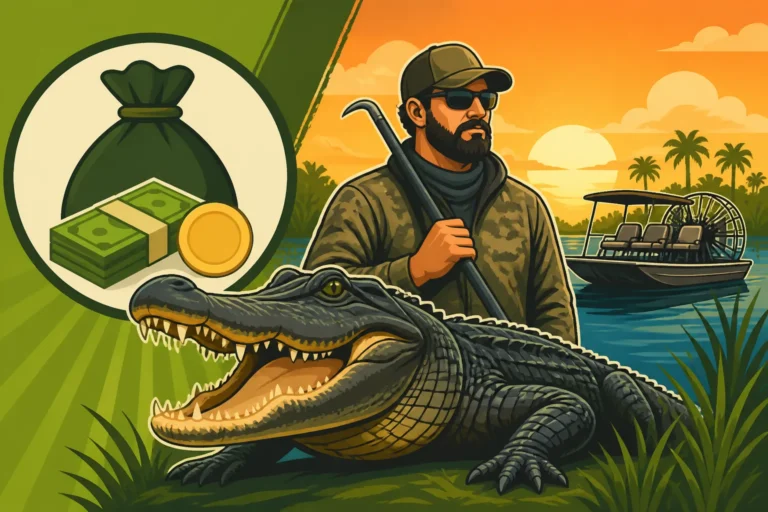
Bow-fishing for alligators offers a distinct blend of angling and hunting that sets it apart from traditional firearms or even standard harpoon methods. Instead of waiting patiently in a blind, you're often actively cruising marsh edges, stalk-fishing shallow flats, or quietly slipping through cypress swamps under the cover of darkness. The connection you feel to the hunt is incredibly direct. You're not just shooting at a target; you're often aiming at a moving shape, reading the water, and anticipating the gator's next move. It requires a different kind of skill set – precise shot placement, understanding water refraction, and the physical strength to manage a powerful animal once it's on the line.
The sheer excitement of an alligator thrashing at the end of your line, with that ancient, reptilian fury, is something etched into memory. It’s an adrenaline surge that few other hunting experiences can replicate. Plus, the chance to put ethical bow hunting skills to the test on a true apex predator in its natural, wild environment is a profound draw for many. It's a true test of nerve and skill.
Essential Gear and Bow-Fishing Techniques
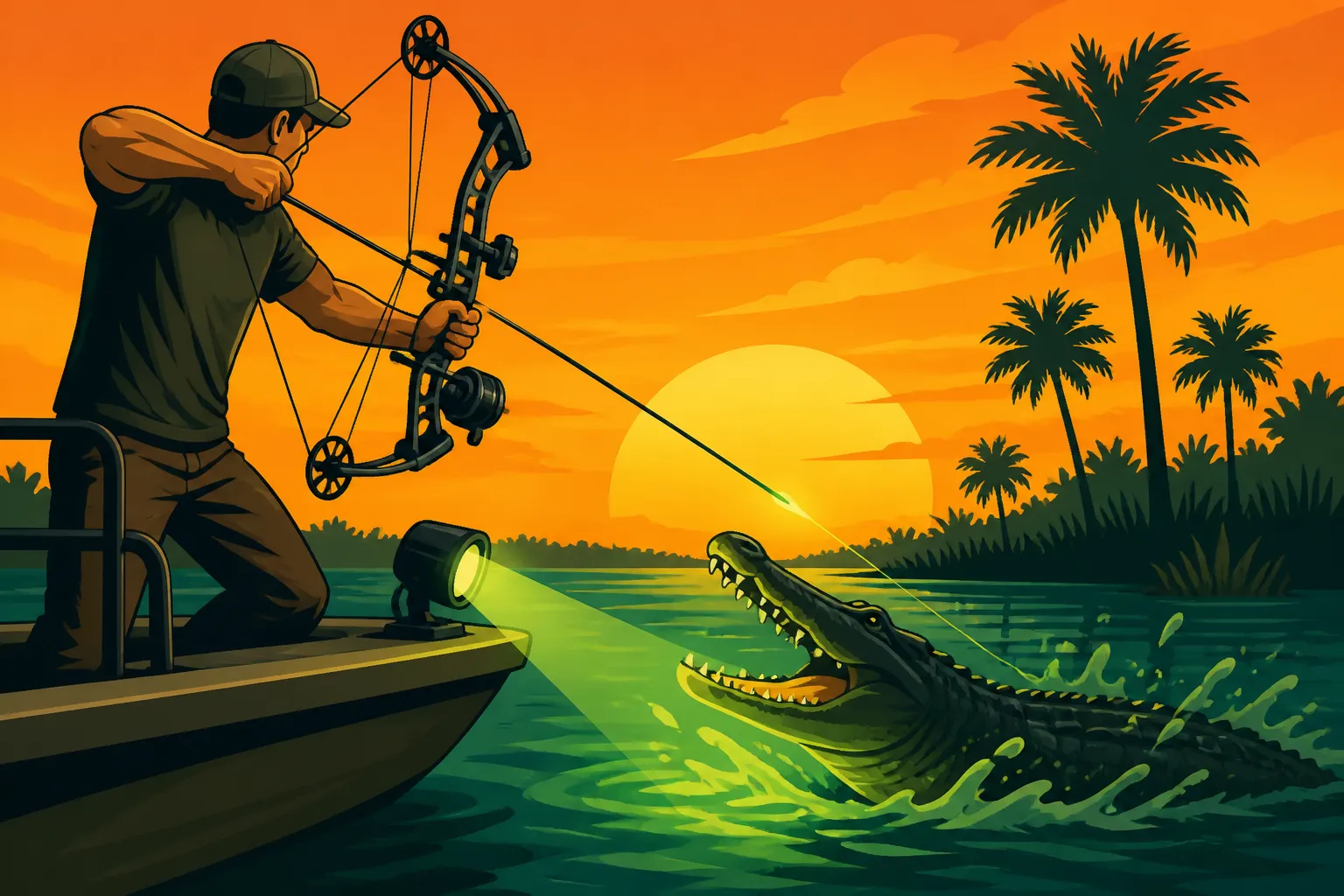
When you're out there on the water, you'll typically be using specialized bow-fishing equipment. This isn't your deer hunting setup; you'll need a bow, often a compound or recurve, rigged with a heavy-duty reel. This reel holds a strong line, usually a braided synthetic, that's attached directly to a specialized arrow. These arrows are stout, tipped with a barbed point that's designed to penetrate and hold, and they lack fletching because they don't need to fly far or true through the air, just through the water. Once the arrow hits, the line allows you to play the alligator, often bringing it alongside the boat where a second, more powerful harpoon or a "bang stick" can be used to dispatch the animal quickly and humanely. The initial shot is often about securing the animal, not necessarily harvesting it on the spot.
Techniques vary depending on the time of day and the gator's behavior. During the day, you might be spot-and-stalking, looking for gators sunning themselves on banks or cruising just below the surface in clear water. At night, things get even more exciting. Guides often use powerful lights to scan the water for the tell-tale red eye-shine of an alligator. This is where the real thrill often lies, as the cover of darkness adds an extra layer of intensity. Shot placement is critical – a gator's armored hide is incredibly tough, and you need to hit the softer areas, usually just behind the head or along the flank, to get good penetration and hold. It's a far cry from a broadside deer shot, and your guide will be crucial in helping you understand where to aim.
Ideal Times and Conditions for a Bow-Fishing Hunt
Florida's alligator season typically kicks off in mid-August and runs through the fall, often ending in November. The warmer months, particularly the late summer and early fall, are often considered prime time for bow-fishing. Alligators are more active in warmer water, feeding, moving, and generally being more visible. This is especially true during the Florida Alligator Season Opening Date, when gators are often still very active and less pressured.
Weather plays a huge role. Calm, clear nights are often preferred for night hunts, as they allow for better visibility of eye-shine and smoother boat travel. Daytime hunts benefit from bright, sunny weather, which brings gators out to bask and makes them easier to spot. However, Florida weather can be unpredictable, with afternoon thunderstorms being common during the peak season. A good guide will know how to work with the weather, adapting strategies as needed. While gators can be found year-round in Florida's waterways, the regulated hunting season is specifically timed to coincide with periods of high activity and to manage the healthy population of How Many Alligators Live in Florida.
Navigating Florida's Alligator Permit System
Before you even think about booking a guide, you need to understand Florida's unique alligator permit system. It's not as simple as buying a license over the counter; there's a lottery system involved, and you'll need to decide if you're trying to draw your own permit or if you're going to hunt on an outfitter's allocation.
The Statewide Alligator Permit Lottery Explained
Florida manages its healthy alligator population through a statewide permit lottery. This system ensures sustainable harvesting and distributes hunting opportunities fairly. Each permit is specific to a designated harvest unit (a particular lake, river, or management area) and a specific hunting period (typically one of four week-long phases within the season). Applying for a permit means entering this lottery, and success is never guaranteed. This is often the first hurdle for anyone looking to hunt alligators. You can learn more about the process in Florida's Statewide Alligator Permit Lottery.
When you apply, you'll rank your preferred harvest units and time periods. It’s crucial to research these units, as some are known for larger gators, higher success rates, or simply better accessibility. The application window is usually in late spring or early summer, so planning well in advance is essential. Missing the application period means you'll have to wait until next year or rely on an outfitter's tags. If you're really keen to get your own permit, be diligent about checking the FWC website for the Florida alligator permit application period dates.
C.I.T.E.S. Tags and Their Critical Importance
Once you successfully draw a statewide alligator permit, it comes with C.I.T.E.S. tags. C.I.T.E.S. stands for the Convention on International Trade in Endangered Species of Wild Fauna and Flora. While American alligators are not endangered, they are a protected species, and these tags are essentially a tracking mechanism to ensure legal harvest and trade. Each tag corresponds to one alligator you are allowed to harvest.
These tags are absolutely non-negotiable. Without a C.I.T.E.S. tag, you cannot legally harvest an alligator. The tag must be permanently attached to the gator immediately after harvest, and it stays with the hide through the entire skinning and tanning process. Losing a tag or failing to properly attach it can lead to serious legal trouble. Your guide will be well-versed in these requirements and will ensure proper tagging occurs on the spot. This isn't just a bureaucratic formality; it's a vital part of conservation and ensuring the long-term health of Florida's alligator population.
Outfitter-Provided Permits Versus Your Own Drawn Permit
Here's where many hunters face a decision. Do you try to draw your own permit through the lottery, or do you book a hunt with an outfitter who already has their own permits?
| Feature | Hunting with Your Own Drawn Permit | Hunting with an Outfitter's Permit |
|---|---|---|
| Permit Acquisition | Apply through lottery, hope to draw, pay permit fees. | Outfitter already has permits, included in package. |
| Cost | Lower permit cost, but may not include guide fees. | Higher overall package cost, covers permit and guide. |
| Availability | Dependent on lottery success; highly competitive. | More readily available; outfitters plan ahead. |
| Flexibility | Choose your harvest unit and dates if successful. | Limited to outfitter's chosen units/dates. |
| Experience Level | Requires more self-reliance or finding a guide separately. | Ideal for first-timers; guide handles logistics. |
| Risk of Not Hunting | High if you don't draw your permit. | Low, if outfitter has guaranteed tags. |
If you're unsuccessful in drawing a tag, don't despair! Many outfitters acquire a number of statewide alligator permits each season, which they then make available as part of their guided hunt packages. This is often the most reliable way to guarantee an alligator hunt, especially for non-residents or those who can't apply for the lottery or don't want to risk missing a season. When What Happens If You Don't Draw an Alligator Permit, an outfitter's tags can be your best bet. Keep in mind that when Booking an Alligator Hunt on an Outfitter's Permit, the cost of the permit is typically rolled into the overall hunt package price. The individual Florida Alligator Trapping License Cost is usually a minor component compared to the guided experience itself.
Finding and Vetting Your Florida Bow-Fishing Outfitter
With the permit situation understood, the next big step is finding the right guide. This isn't a decision to take lightly; a good outfitter can make or break your entire experience. You want someone with experience, reliable equipment, and a strong safety record.
Researching Reputable Guides and Booking Platforms
The internet is your friend here, but proceed with caution. Start by searching for "Florida bow-fishing alligator guides" or "Florida alligator hunt outfitters." Look for guides who specialize in bow-fishing, as the techniques and equipment are different from traditional firearm hunts. Many reputable outfitters have professional websites showcasing their operations, photos of past hunts, and testimonials. Online booking platforms can also be helpful. For instance, sites like BookYourHunt often list various Florida outfitters, providing reviews and package details that can give you a solid starting point for comparison. Similarly, resources like GoHunt can offer insights into different hunting opportunities and potentially connect you with guides, though their focus might be broader than just alligator bow-fishing.
Beyond these platforms, social media groups dedicated to Florida hunting or bow-fishing can be goldmines for recommendations. Ask around, see who gets consistently positive feedback, and pay attention to specific details like safety protocols and equipment maintenance. Don't just pick the first name you see; dig a little deeper to ensure they align with your expectations for an ethical and exciting hunt.
Key Questions to Ask Before Booking a Hunt
Once you've narrowed down a few potential outfitters, it's time to pick up the phone. A direct conversation is invaluable. Here are some crucial questions to ask:
- Experience: How long have they been guiding bow-fishing alligator hunts specifically? Do they have references from past clients?
- Permits: Do they provide the C.I.T.E.S. tags, or do you need to draw your own? What's the cost difference?
- Equipment: What type of boat do they use? What bow-fishing equipment do they provide (bow, reel, arrows, harpoon, bang stick)? Can you bring your own bow-fishing setup if preferred?
- Safety: What are their safety procedures? Are their guides certified in first aid? What kind of liability waiver do they require?
- Success Rates: What are their typical success rates for bow-fishing alligators? This isn't just about killing a gator, but about shot opportunities and ethical harvests.
- What's Included: Clarify exactly What's Included in an Alligator Hunt Package. Does it cover licenses, tags, bait, equipment, meals, lodging, initial processing, or just the guided hunt?
- Additional Costs: Are there any hidden fees for things like trophy preparation, meat processing, or gratuities? Understanding these upfront can save you headaches later.
- Cancellation Policy: What happens if the weather turns bad or if you need to cancel?
- Location: Where exactly will the hunt take place? Is it easily accessible?
A good guide will be happy to answer all your questions thoroughly and patiently. This is also a good opportunity to gauge their personality and communication style. Remember, you'll be spending a lot of time with this person, so compatibility matters. Always verify that a Florida hunting guide holds the necessary Florida Outfitter License Requirements to operate legally.
Understanding Success Rates and Realistic Expectations
When an outfitter quotes a "success rate," it's important to understand what that actually means. For alligator hunting, a high success rate often refers to the percentage of clients who successfully harvest an alligator, given they had a valid tag. It doesn't necessarily mean every client gets a shot, or that every shot is a clean harvest. The ethical challenge of bow-fishing means that shot opportunities need to be carefully chosen. You might get multiple chances, or you might only get one perfect shot all night.
Be realistic about your own bow-fishing skills. If you're a seasoned bow hunter but new to bow-fishing, communicate that to your guide. They can offer advice, tips, and even some practice shots before the real action begins. The goal isn't just to harvest an alligator, but to do so ethically and safely. If a guide promises a 100% guarantee, especially for a wild animal hunt, raise an eyebrow. While alligator hunts often have high success rates due to the robust population and expert guiding, nothing in hunting is truly 100%. Set your expectations for a challenging, exciting experience, and the harvest will be the satisfying culmination.
What to Expect on Your Bow-Fishing Alligator Adventure
You've got your permit sorted, your guide booked, and your gear ready. Now, what's it actually like out on the water, hunting alligators with a bow?
The Hunt: From Spotting to the Shot
The experience itself is exhilarating. Whether you're hunting during the day or night, your guide will be constantly scanning the water and banks for sign. If it's a night hunt, the air will be thick with anticipation as the boat cuts through the dark waters, the powerful spotlight cutting through the blackness, searching for that tell-tale red eye-shine. When an alligator is spotted, the real game begins. Your guide will maneuver the boat silently, positioning you for a shot. This might involve slow trolling, poling, or even a quiet stalk.
Once you're in position, it's all on you. Your guide will indicate the target and offer advice on shot placement, often accounting for water refraction. You'll draw your bow, aim, and release the arrow. If your shot connects, the alligator will likely explode into a frenzy of thrashing, rolling, and powerful dives. This is where the heavy-duty reel and line come into play, allowing you to "play" the gator, much like a large fish, tiring it out until you can bring it boat-side. The guide will then use a harpoon or a "bang stick" (a specialized tool to dispatch the gator quickly and humanely) to finalize the harvest. It's a team effort, and your guide's expertise is paramount in both safety and success. Remember, while the thrill is immense, safety is always the top priority.
Post-Harvest Logistics: Skinning, Processing, and Taxidermy
Once your alligator is harvested and properly tagged, the work isn't over. Alligators are big animals, and handling them post-harvest requires specific knowledge and tools. Your guide will typically handle the initial processing on the spot, ensuring the C.I.T.E.S. tag is correctly affixed and the animal is made ready for transport. This often means securing the animal for the ride back to the dock.
From there, you'll need to decide on further processing. Many hunters choose to keep the meat, which is delicious and versatile. Alligator meat is lean and mild, often compared to chicken or pork. You'll need to arrange for professional processing, which most guides can help coordinate with local processors. These services will skin the gator, remove the meat, and package it for you. You also have the option for taxidermy – a full mount, a head mount, or having the hide tanned for leather. These services are almost always an additional cost beyond the hunt package. Make sure to discuss these options and their associated costs with your guide beforehand so there are no surprises. This is also where understanding the full scope of What a Guided Alligator Hunt Costs comes into play, as these additional services add to the total investment.
Additional Costs Beyond the Booking Price
It's easy to focus solely on the package price, but savvy hunters always account for the incidentals. Beyond the core booking fee and permit costs, here’s a rundown of common additional expenses you should budget for:
- Licenses: While tags might be included in an outfitter's package, you'll still need a valid Florida hunting license and possibly a Florida Alligator Trapping License, depending on your residency and the specific hunt details. Check the FWC website for current Florida Resident Alligator Permit Cost or nonresident fees.
- Travel: Getting to and from Florida, and then to your guide's meeting point.
- Lodging: If not included in your package, you'll need to budget for hotels or rental accommodations.
- Food and Drink: Plan for meals outside of what the guide might provide.
- Gratuities: Tipping your guide is customary and highly appreciated, recognizing their hard work and expertise. A good rule of thumb is 15-20% of the hunt's cost. You can learn more about this in Tipping a Florida Hunting Guide.
- Meat Processing & Taxidermy: As mentioned, these services are extra and can add up, especially for a large gator.
- Shipping: If you're traveling, you'll need to arrange and pay for shipping your meat and/or trophy back home.
- Gear: While the guide might provide the bow-fishing setup, you'll need appropriate clothing, insect repellent, sunscreen, and perhaps your own preferred optics or other personal hunting gear.
Budgeting for these elements ensures that your bow-fishing alligator hunt is an enjoyable experience without any financial surprises. Enjoy the adventure, and good luck out there on the water!
Disclaimer
This article is for general informational purposes only and does not constitute professional advice. Laws, prices and regulations vary by location and change over time. Consult a qualified professional for guidance on your specific situation.