Florida Mentored Youth Hunting Rules
Many aspiring young hunters and their families in Florida feel overwhelmed by the rules and regulations, wondering if they can even get their kids into the woods without jumping through a dozen hoops. It’s a common frustration, trying to navigate permits, licenses, and age restrictions just to share your passion. This comprehensive guide will walk you through everything you need to know about Florida's Mentored Youth Hunting Program, making it clearer and easier for the next generation to experience the thrill of the hunt safely and legally.
Understanding Florida's Mentored Youth Program
Getting kids involved in hunting is more than just a pastime; it's about passing down traditions, teaching valuable life skills, and fostering a deep respect for nature. Florida understands this crucial need, which is why the state has put in place a fantastic Mentored Youth Hunting Program. It's designed to remove some of the initial hurdles for young, enthusiastic newcomers, allowing them to experience hunting firsthand under the careful eye of an experienced adult. This isn't just about getting a license; it's about building a foundation for a lifelong passion.
What the Mentored Youth Hunting Program Entails
At its core, Florida’s Mentored Youth Hunting Program offers a unique pathway for young people under the age of 16 to participate in hunting activities without first completing the mandatory hunter education course or possessing their own hunting license. Think of it as an apprenticeship program in the field. The absolute bedrock of this program is direct, immediate supervision by a licensed, experienced adult. This program directly addresses a common dilemma for parents or guardians who want to introduce their children to hunting but feel daunted by the required training and licensing before their child has even decided if hunting is truly for them. It creates a low-barrier entry point, fostering interest before requiring a full commitment to the traditional hunter education path.
The program is a cornerstone of hunter recruitment and retention efforts in the state. Historically, participation in hunting has seen declines across the nation, and one of the most effective ways to reverse this trend is by introducing youth in a safe and structured manner. By making it easier for mentors to take young people afield, Florida ensures that the traditions, knowledge, and critical funding for wildlife conservation continue to thrive. It’s about more than just putting game in the freezer; it’s about inspiring the next generation of conservationists who will champion Florida's incredible natural resources.
Ultimately, the "mentored" aspect is the most vital piece. This isn't merely about allowing an unlicensed youth to shoot an animal. It's a comprehensive learning experience focused on instilling ethical hunting practices, responsible firearm or archery use, wildlife identification, and an understanding of ecological principles. The mentor acts as a guide, teacher, and guardian, shaping the young hunter's perception of the sport. It's an opportunity for hands-on learning that no textbook or online course can fully replicate, preparing them for a future where they might confidently pursue hunting independently.
The Critical Role of Youth Programs in Conservation
The future of hunting, and by extension, wildlife conservation, rests heavily on the shoulders of programs like Florida's Mentored Youth Hunting initiative. Each time a young person participates, they're not just learning to hunt; they're learning to appreciate the intricate balance of nature and becoming stewards of the land. This direct experience fosters a personal connection to wildlife that classroom learning often can't achieve. They witness firsthand the importance of habitat, population management, and ethical harvesting.
One of the biggest obstacles for potential new hunters, regardless of age, can be the initial hurdle of Florida Hunter Education Requirements. While essential for independent hunting, asking a young person to commit to a multi-day course or extensive online study before they've even held a firearm or seen a deer in the wild can be a significant deterrent. The mentored program provides that vital "on-ramp," allowing them to dip their toes in the water, feel the excitement, and understand the commitment before investing time and resources into formal certification. This initial positive exposure is key to transforming curiosity into a lasting passion.
Imagine a parent, perhaps new to Florida, who grew up hunting and wants to share that legacy with their 10-year-old daughter. They might initially feel overwhelmed trying to figure out all the nuances of licenses, seasons, and education requirements. This program is designed specifically for them. It allows that parent to take their daughter out for a squirrel hunt, teaching her how to move quietly through the woods, identify tracks, and safely handle a .22 rifle, all without the immediate pressure of a hunter education certificate for the child. This foundational experience can spark a lifelong interest, making the eventual hunter education course a natural and desired next step, rather than a bureaucratic obstacle. It really is about making that first step into the woods less intimidating and more about the shared experience.
Mentor and Youth Eligibility and Responsibilities
Florida’s Mentored Youth Hunting Program hinges on clear guidelines for both the adult mentor and the youth participant. This ensures safety, legality, and a positive learning environment for everyone involved. It’s not just about age; it’s about responsibility and proper conduct in the field. These rules are designed to protect the youth, the public, and the integrity of the sport itself.
Strict Requirements for Mentors
The adult mentor is the linchpin of this program, carrying significant responsibility. To qualify, a mentor must be at least 18 years of age. This ensures a certain level of maturity and experience. More importantly, they must possess all current and appropriate Florida Resident License Options (or the relevant nonresident equivalent) and any required permits for the specific game and season they are hunting. This means if you're taking a youth deer hunting, you, as the mentor, must have a valid hunting license and a deer permit. If you're hunting on a Wildlife Management Area (WMA), you also need your Florida WMA Management Area Permit. There are no exceptions for the mentor's own licensing requirements.
Beyond licenses, the mentor must also have successfully completed an approved hunter safety course. This is non-negotiable, as the mentor is the primary source of safety instruction and ethical guidance for the youth. The "direct supervision" rule is paramount here. This means the mentor must be physically close enough to the youth at all times to see, hear, and immediately communicate with them, and be able to take control of the firearm or archery equipment if necessary. Leaving a youth unattended in a treestand or ground blind, even for a few minutes, is a clear violation of this rule and defeats the purpose of "mentored" hunting. The mentor is not just present; they are actively engaged in teaching and monitoring.
The ethical obligation of the mentor extends far beyond simply adhering to legal requirements. They are tasked with imparting a deep respect for wildlife, teaching fair chase principles, promoting conservation, and demonstrating responsible behavior in the outdoors. This includes proper game identification, understanding shot placement, ethical retrieval of downed game, and adhering to bag limits. It's about being a role model, demonstrating patience, and making sure the experience is positive, educational, and safe. A mentor should be prepared to spend more time teaching than hunting themselves, putting the youth's learning and enjoyment first.
Youth Eligibility and Age Guidelines
For the youth participant, the rules are thankfully much simpler, which is precisely the point of the program. Any person under 16 years of age is eligible to participate in the Mentored Youth Hunting Program. The key takeaway here is that these young participants are not required to possess a hunter education certificate or any hunting licenses themselves. This exemption is the primary benefit that makes the program so accessible and attractive to families looking to introduce their children to hunting. It removes a significant administrative and time commitment initially, allowing the hands-on experience to precede the formal training.
While legally a young child, even as young as 5 or 6, could technically participate under direct mentorship, practical considerations are crucial. Common sense dictates that the youth should be mature enough to understand and follow instructions, handle a firearm safely (even if just for practice), and withstand the rigors of a hunt. Most mentors would agree that a child needs a certain level of physical and mental readiness to truly benefit from the experience without it becoming overwhelming or unsafe. The program encourages a positive introduction, and forcing a child into a situation they're not ready for can easily backfire, creating negative associations with hunting.
It's important to remember that this program is a provisional pathway. While hunter education isn't required for the youth during their mentored hunts, it is absolutely essential if they wish to hunt independently once they turn 16. The program serves as a bridge, giving them real-world experience and fostering an interest that will hopefully lead them to complete their hunter education and become fully licensed, self-sufficient hunters in the future. Many young people who begin through this program find their interest solidified and eagerly pursue the full certification once they've had a taste of what hunting truly offers.
Navigating Licenses and Permits for Mentored Hunts
Understanding the licensing and permit requirements for hunting in Florida can be tricky, especially when you factor in youth participants. The good news is the Mentored Youth Hunting Program simplifies this for the young hunter while maintaining rigorous standards for the adult mentor. It’s all about ensuring accountability and proper management of Florida’s wildlife resources.
Specific Licenses Needed by Mentors
When you take a youth out under the Mentored Youth Hunting Program, remember that the burden of legal compliance falls squarely on your shoulders as the mentor. This means you must possess every single license and permit that would be required for you to legally hunt the specific game species in the area you plan to hunt. There are no shortcuts here for the adult. This typically starts with a valid Florida hunting license. From there, it branches out depending on what you're targeting. For instance, if you're pursuing deer, you'll need the appropriate deer permit in addition to your base hunting license. If your sights are set on wild turkeys, you’ll need a turkey permit.
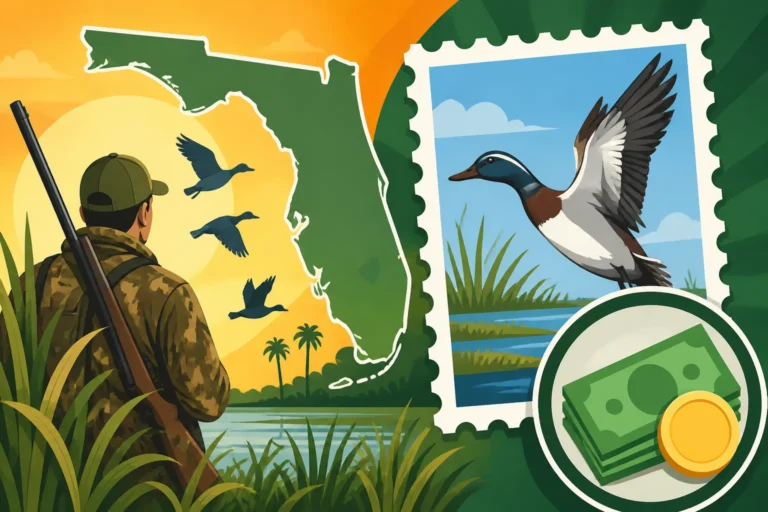
Furthermore, if your chosen hunting grounds are within a Wildlife Management Area (WMA) – which many public hunting opportunities in Florida are – you'll absolutely need a Florida WMA Management Area Permit. These permits are crucial for accessing and hunting on these managed lands, which often have specific rules, seasons, and sometimes even quota hunt requirements that you, as the mentor, must understand and adhere to. Similarly, if you're planning to introduce your mentee to waterfowl hunting, you, the mentor, will need your Federal Duck Stamp and the Florida Migratory Bird Permit, alongside your base hunting license. It's a comprehensive list for the mentor, mirroring all requirements for any solo hunt.
Staying informed about current regulations and purchasing the correct licenses is easier than ever. The Florida Fish and Wildlife Conservation Commission (FWC) website is a fantastic resource, providing up-to-date information on all license types and requirements. You can purchase licenses conveniently online, over the phone, or in person at authorized license agents like Walmart, many sporting goods stores, or local tax collector’s offices. For those who like to be extra prepared, apps like GoHunt can provide an overlay of public land boundaries, WMA rules, and even quickly cross-reference season dates, helping you ensure you have all the necessary paperwork before you ever step foot into the woods. Always double-check regulations, as they can change annually.
Youth Exemptions and Future License Paths
Here’s where the Mentored Youth Hunting Program truly shines in terms of accessibility for young hunters. For the youth participating in the program, no hunting license or associated permits are required. This is a critical distinction and a huge benefit designed to encourage participation. A 12-year-old, for example, can accompany their properly licensed mentor on a deer hunt and even harvest an animal without needing their own deer permit, provided the mentor has all the necessary documentation. This eliminates a significant financial barrier and simplifies the entry process, allowing families to focus on the experience rather than the paperwork for the child.
However, this exemption is explicitly tied to the direct supervision of a qualified mentor. It's not a blanket pass for a child to hunt alone. Once that young hunter reaches 16 years of age, or if they decide they want to hunt unsupervised at any point before that, the rules change entirely. At that point, they will be required to complete an FWC-approved hunter education course and purchase all necessary hunting licenses and permits themselves, just like any other adult hunter. The program is designed as a learning phase, a temporary bridge to full, independent hunting privileges. You can read more about the requirements for hunting alone in Florida under Minimum Age for Unsupervised Florida Hunting.
For many families, this period of mentored hunting is a fantastic opportunity to gauge a child's genuine interest and commitment to the sport. If they show a real passion and understanding of the responsibilities involved, then investing in their hunter education and future licenses becomes a natural progression. Florida even offers attractive Florida Lifetime License Options, which can be an excellent gift for a dedicated young hunter, securing their hunting privileges for their entire life at a one-time cost, providing significant savings over the long run. This ensures that the initial positive experiences through the mentored program can blossom into a lifelong pursuit of ethical hunting and conservation.
What Can Be Hunted and When
One of the most exciting aspects of Florida's Mentored Youth Hunting Program is the broad range of opportunities it offers for young hunters. While the "how" of hunting is rooted in safety and mentorship, the "what" and "when" are governed by the state's comprehensive game regulations. Mentored youth can participate in hunting almost any legal game species, provided the hunt occurs during the species' open season and the mentor holds all necessary permits.
Permitted Game Species for Mentored Youth
The beauty of Florida's program is its inclusivity regarding game species. Mentored youth are generally allowed to pursue any game animal that is legal to hunt in Florida, as long as their adult mentor possesses the correct licenses and permits for that specific species and season. This opens up a diverse world of hunting experiences. Youngsters can learn the art of still-hunting for white-tailed deer, the excitement of calling in a wild turkey, or the thrill of pursuing the abundant feral hogs. Beyond big game, mentored youth can also enjoy small game hunting, targeting squirrels and rabbits, which are often excellent entry points due to higher success rates and less intense scenarios.
Many mentors find that starting with small game, such as squirrels, offers a less intimidating and more action-packed introduction to hunting. The woods are alive with activity, and the frequent opportunities for observation and shooting can keep a young hunter engaged. Florida's abundant feral hog population also presents a fantastic opportunity for mentored youth. With Year-Round Hog Hunting in Florida and no bag limits on private land, hogs offer consistent hunting action, making them ideal for teaching tracking, stalking, and shot placement. The experience of harvesting a wild hog can be incredibly rewarding and provides a substantial amount of delicious wild game meat.
For those ready for a bigger challenge, deer hunting with a mentor is a truly classic experience. The patience, quiet movement, and understanding of deer behavior required can teach invaluable lessons. The first deer harvested by a young hunter is an unforgettable milestone. Even after a successful hunt, the learning continues with crucial skills like proper Field Dressing a Deer in Hot Weather and subsequent meat processing. Migratory birds like doves and ducks are also fair game, provided the mentor has all the federal and state endorsements. This wide variety ensures that mentors can tailor the experience to the youth's interest, skill level, and attention span, keeping them engaged and eager to learn more.
Following Open Seasons and Zone Regulations
While the Mentored Youth Hunting Program provides license exemptions for the youth, it does not exempt anyone from following Florida's established hunting seasons, bag limits, and specific zone regulations. This is a crucial point that mentors must fully grasp and adhere to. Every hunt, regardless of whether a youth is participating, must take place within the designated open season for that particular species in the specific hunting zone. Florida's diverse landscape is divided into Florida's Four Deer Management Zones Explained, each with its own unique season dates for archery, muzzleloader, and general gun seasons. This system is designed to align hunting pressure with regional deer breeding cycles and population dynamics.
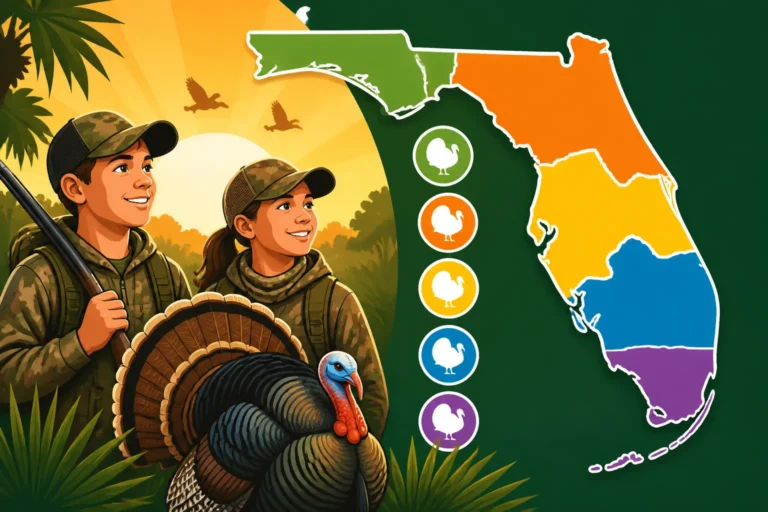
For example, if you're planning a deer hunt with your mentee, you must know which zone you are in (e.g., Zone C or Zone D) and ensure that the weapon you plan to use is legal during that specific period in that zone. You cannot hunt deer with a mentored youth in Zone A during its closed season, even if Zone B has an open season running concurrently. The same meticulous adherence to regulations applies to turkeys, which have their own distinct zones (Florida's Osceola and Eastern Turkey Zones) and specific spring and fall season dates. Knowing these dates is paramount. A quick check with the latest FWC regulations or using a robust mapping app like GoHunt can help you verify season dates and area-specific rules right from your phone, minimizing the chance of an accidental violation.
Bag limits are also strictly enforced for all hunters, including mentored youth. While the youth may not have their own license, they are still subject to the daily and seasonal bag limits for the species they are pursuing. For example, if the statewide deer bag limit is two antlered deer and two antlerless deer per season, the mentor and youth combined cannot exceed this limit. This teaches young hunters about responsible harvest and the importance of conservation, ensuring sustainable wildlife populations for future generations. The responsibility lies with the mentor to educate the youth on these limits and ensure they are always respected during the hunt.
Safety First: Equipment and Supervision Guidelines
Safety is not just a priority in hunting; it is the priority, especially when introducing youth to the sport. Florida's Mentored Youth Hunting Program emphasizes this by placing stringent requirements on the mentor to ensure a safe and responsible environment. Without a strong commitment to safety, the positive lessons of hunting can be overshadowed by preventable accidents.
Essential Safety Protocols and Gear
Before any mentored hunt begins, the absolute foundation must be a thorough review and unwavering commitment to firearm and archery safety. This means constant vigilance, clear communication between mentor and youth, and strict adherence to the four cardinal rules of firearm safety: treat every firearm as if it's loaded; always point the muzzle in a safe direction; be sure of your target and what is beyond it; and keep your finger off the trigger until you are ready to shoot. For archery equipment, similar principles apply, ensuring broadheads are covered, bows are handled safely, and arrows are only nocked when a shot opportunity is imminent and safe.
Appropriate safety gear is non-negotiable. Both the mentor and the youth should always wear appropriate amounts of blaze orange or blaze pink. Florida has specific requirements for How Much Blaze Orange Florida Requires during certain seasons, and while youth exemptions might exist for licensing, safety gear is a different matter. Wearing bright colors significantly increases visibility to other hunters and dramatically reduces the risk of accidental shootings. Additionally, eye protection and hearing protection are absolutely essential, especially when shooting firearms. Hearing damage can occur with even a single gunshot, and eye injuries are devastating. These pieces of gear are inexpensive investments that provide crucial protection.
Beyond the mandated gear, practical considerations for young hunters' equipment are vital. The firearm or bow chosen should be appropriate for the youth’s size, strength, and experience level. A lightweight .22 rifle is ideal for small game, offering minimal recoil and easy handling for a beginner. For deer, a smaller caliber like a .243 or a youth model shotgun with reduced recoil loads might be a better choice than a powerful, heavy-recoiling rifle that could intimidate or injure a young shooter. Ensuring the firearm fits properly, allowing for a comfortable and stable shooting position, is critical for accuracy and confidence. The goal is to set them up for success and enjoyment, not to push them beyond their capabilities.
The Mentor's Role in Direct Supervision
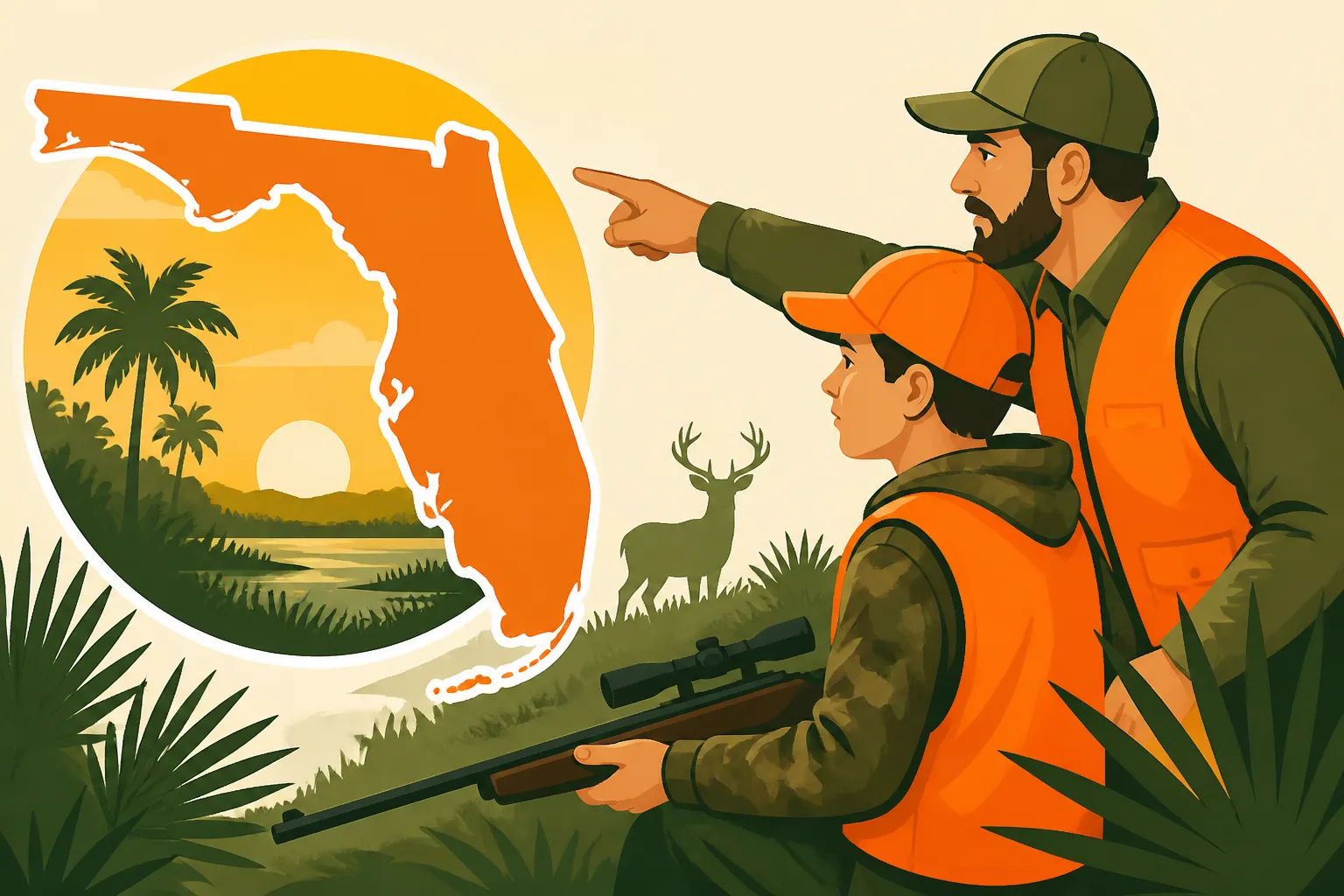
The concept of "direct supervision" is the cornerstone of the Mentored Youth Hunting Program and cannot be understated. It means the mentor must be close enough to the youth at all times to see, hear, and instantly react to any situation. This isn't merely being in the same general vicinity or even in the same hunting unit. It implies immediate proximity and constant active engagement. For example, if you are hunting from a ground blind, the mentor should be seated next to the youth, observing their every move, ready to whisper instructions, confirm target identification, ensure a safe shot, or even physically intervene if a safety concern arises. This level of supervision is paramount and demands the mentor's full attention.
To illustrate further, consider a hypothetical scenario: a mentor and their 13-year-old mentee are set up in a two-person treestand, overlooking a food plot. A deer approaches. The mentor is quietly coaching the youth through the steps: identifying the animal, ensuring it's legal, waiting for an ethical shot angle, and confirming the background is clear. The mentor's hand might even be resting gently on the youth's shoulder, ready to steady them or prevent an unsafe movement. This is direct supervision. Conversely, a mentor setting their youth up in a separate stand 50 yards away, even if within sight, would not meet the "direct supervision" requirement because immediate physical intervention or precise communication might be compromised.
The mentor bears the ultimate responsibility for every aspect of the hunt when a youth is under their charge. This includes making the final call on whether a shot is safe and ethical, ensuring all regulations (like bag limits and reporting requirements, such as Florida Deer Reporting Requirements) are followed, and preventing any unsafe acts. This is a heavy responsibility, but it is also an incredibly rewarding one. By taking this role seriously, mentors not only safeguard the youth but also instill the fundamental values of responsible hunting, ensuring that the next generation respects the power of their tools and the fragility of the wildlife they pursue.
The Broader Impact and Future of Youth Hunting
The true value of Florida’s Mentored Youth Hunting Program extends far beyond the immediate thrill of a successful hunt. It’s an investment in character, a passing down of heritage, and a vital contribution to the long-term health of our natural environment. By empowering young people to experience hunting firsthand, we are nurturing future conservation leaders and ensuring the continuation of cherished traditions.
Passing Down a Valued Heritage and Skillset
Hunting is more than just a means to harvest game; it’s a profound connection to the natural world and a rich heritage passed down through generations. Florida’s program allows mentors to share this legacy, teaching youth about the intricate ecosystems, wildlife behavior, and the fundamental principles of fair chase. It's about instilling patience as they wait for hours in a stand, developing keen observation skills as they scan the woods, and building resilience when a hunt doesn't go as planned. These aren't just hunting skills; they are life skills that contribute to a well-rounded individual. You can learn more about these timeless practices by exploring topics like Florida Deer Camp Traditions.
Beyond the immediate excitement of the chase, youth learn invaluable outdoor skills that foster self-reliance and confidence. They learn to navigate using maps and compasses (or modern GPS tools like those found on GoHunt), identify different animal tracks and signs, understand wind direction and thermals, and develop a deeper appreciation for the cycles of nature. They learn firearm safety and proficiency, a skill that demands discipline and responsibility. They also gain an understanding of where their food comes from, appreciating the effort involved in putting wild game on the table – a stark contrast to simply picking up packaged meat from a grocery store. This hands-on learning fosters a sense of accomplishment and independence that builds character.
The program also strengthens family bonds and creates indelible memories. Sharing a quiet morning in a deer stand or the excitement of a gobbler responding to a call are moments that cement relationships and build trust between mentor and mentee. These shared experiences become stories told around campfires for years to come, forging a connection to the land and to each other. For many, these mentored hunts are the very foundation of a lifelong passion, inspiring youth to pursue further outdoor adventures and become advocates for conservation.
Contributing to Conservation and Wildlife Management
Perhaps one of the most significant, yet often overlooked, aspects of hunting is its direct and vital contribution to wildlife conservation. The Mentored Youth Hunting Program, by fostering new hunters, directly supports this critical funding mechanism. Every time a hunting license, permit, or even a piece of hunting equipment (like firearms or ammunition) is purchased, a portion of those funds goes directly to wildlife management and habitat restoration efforts through the Pittman-Robertson Act. This means that introducing a child to hunting today is an investment in healthy wildlife populations and pristine natural habitats for tomorrow, not just in Florida but across the country.
Hunters are often the first to notice changes in wildlife populations or habitat health, acting as vigilant eyes and ears on the ground. Through programs like Florida Deer Reporting Requirements, hunters provide valuable data that biologists use to monitor population trends, assess herd health, and make informed management decisions. By engaging youth in these processes, we teach them their role as citizen scientists and stewards, directly involved in the science of wildlife management. They learn that hunting isn't just about taking; it's about responsible management and giving back to the resource.
Ultimately, the long-term vision of Florida’s Mentored Youth Hunting Program is to cultivate a new generation of informed and passionate conservationists. These young hunters will carry forward the torch of ethical hunting, contribute financially to wildlife agencies, and advocate for sound environmental policies. They become the future defenders of Florida’s incredible biodiversity, ensuring that future generations will also have the opportunity to enjoy healthy wildlife populations and vast, accessible natural spaces. It's an investment that pays dividends for both people and wildlife, securing the legacy of Florida's wild heritage for years to come.
Mentored Youth Hunting Program Overview
Here's a quick reference guide to the core requirements of Florida's Mentored Youth Hunting Program:
| Aspect | Mentor Requirements | Youth Requirements | Key Program Benefits |
|---|---|---|---|
| Age | 18 years or older | Under 16 years of age | Introduces youth to hunting at an early age without initial barriers. |
| Licenses & Permits | All required valid hunting licenses and specific permits for the hunt (e.g., deer, turkey, WMA permit). | NO hunting license or associated permits required. | Eliminates immediate financial & bureaucratic hurdles for youth. |
| Hunter Education | MUST have completed an approved hunter education course. | NO hunter education certificate required for mentored hunt. | Provides a "try-it-before-you-buy-it" experience before formal training. |
| Supervision | DIRECT SUPERVISION (must be able to see, hear, and physically intervene immediately). | Must be under direct supervision of qualified mentor. | Ensures maximum safety and hands-on learning. |
| Game & Seasons | Must adhere to all legal species, seasons, bag limits, and zone rules (e.g., Florida's Four Deer Management Zones Explained). | Can hunt any legal game species following all state regulations. | Offers diverse hunting experiences from small game to big game. |
| Ethical Role | Teaches safety, ethics, conservation, and responsible hunting practices. | Learns foundational hunting skills, wildlife appreciation, and responsible conduct. | Fosters a strong conservation ethic and a lifelong passion for the outdoors. |
| Future Steps | Encourages youth to complete hunter education and become independent hunters. | Must complete hunter education and obtain licenses to hunt independently at 16. | Paves the way for youth to become fully licensed, self-sufficient hunters. |
Disclaimer
Please be aware that hunting regulations, license requirements, and season dates are subject to change. Always consult the latest official Florida Fish and Wildlife Conservation Commission (FWC) regulations guide before planning any hunting trip. This article is intended for informational purposes only and does not constitute legal advice.