Florida Bear Season Length in Days
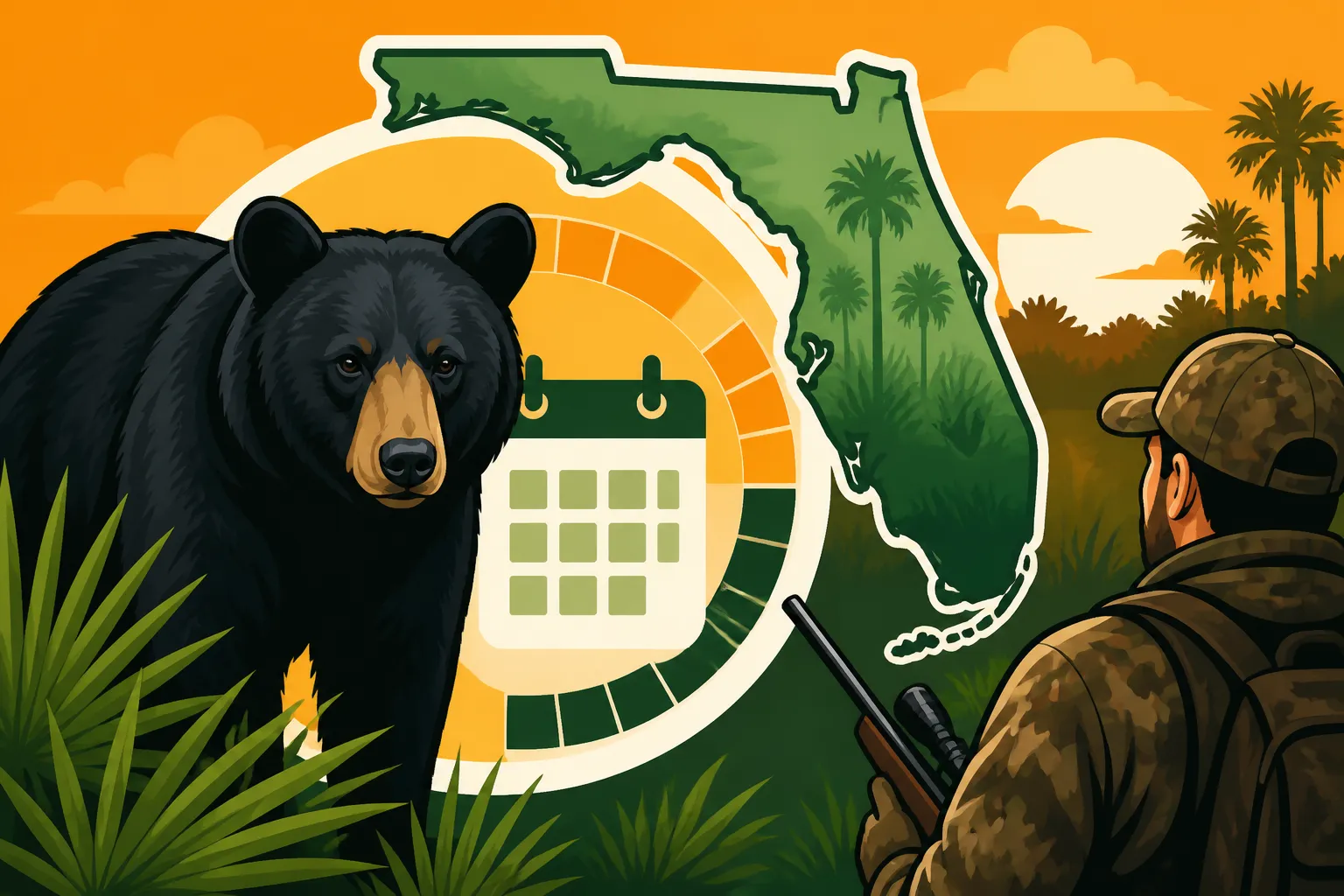
Hunting for black bears in Florida has always been a unique challenge, not just because of the animal itself, but because the season structure can feel like a moving target. Many hunters express frustration trying to keep up with the rules and the actual amount of time they have in the field. This guide aims to clear up the confusion surrounding Florida's bear season length in days, giving you a realistic picture of what to expect and how to prepare for this tightly managed hunting opportunity.
The Evolving Landscape of Florida's Bear Season
The concept of bear hunting in Florida has seen significant shifts over the decades, making the current season structure a product of careful, and often debated, wildlife management. It’s not simply a fixed number of days; it’s a dynamic period influenced by population goals and public input.
A History of Florida Bear Management
For many years, black bears were a protected species in Florida, their populations having dwindled significantly by the mid-20th century due to habitat loss and unregulated hunting. However, through dedicated conservation efforts and habitat restoration, these magnificent animals made a remarkable comeback. In fact, Florida's black bear population has seen a significant rebound since the 1970s, expanding their range and increasing in numbers to the point where they are now found in all 67 counties. This incredible recovery led to the Florida Fish and Wildlife Conservation Commission (FWC) reinstating a limited bear hunting season in 2015, recognizing the need to manage their growing numbers and address increasing human-bear conflicts.
The decision to reinstate the season was not taken lightly and involved extensive public input, scientific research, and population modeling. It marked a pivot from strict protection to active management, acknowledging the bears' successful recovery while also balancing ecological considerations and public safety. Understanding this history is crucial because it directly informs the cautious, short-duration approach the FWC takes with the bear season today. They're not just throwing open the gates; they're very intentionally creating a small, controlled window to achieve specific management objectives without jeopardizing the long-term health of the bear population.
The Quota System and Adaptive Management
Unlike many other hunting seasons in Florida, the bear season isn't designed to run for a fixed number of calendar days regardless of harvest success. Instead, it operates under a strict quota system, which is the single most important factor dictating the actual length of the season. The FWC establishes a total statewide harvest quota, which is then broken down into smaller, regional quotas for the designated bear management units. For instance, the last proposed quota set for the Florida bear season was one hundred eighty-seven bears, spread across various zones. These zones might encompass several counties, like how Florida's Thirty-One Bear Hunting Counties are grouped together.
This adaptive management approach means that once the harvest quota for a specific bear management unit is met, or is projected to be met, that unit will close to hunting, regardless of whether the statewide season's "scheduled" end date has arrived. The FWC monitors harvest numbers meticulously, often on a daily basis, and has the authority to close zones or even the entire statewide season with very short notice. This system is designed to prevent overharvest and ensure that the bear population remains healthy and sustainable. For hunters, this translates into a season that, while having a potential maximum duration, can realistically be much shorter, sometimes lasting only a day or two in certain areas if hunter success is high.
Understanding the Official Season Length and Its Nuances
When considering the Florida bear hunting season, it’s vital to distinguish between the potential maximum duration and the actual duration, which is often significantly shorter due to the unique management strategy employed by the FWC.
The Baseline: A Short, Controlled Window
Historically, and as recently proposed for upcoming seasons, the Florida bear hunting season is structured with a potential maximum length, but it's crucial to understand this is a ceiling, not a guarantee. For example, the FWC has proposed a bear season opening on December 14th and extending until December 22nd, or until regional quotas are met. This gives a potential window of nine days. However, hunters should never plan on the season actually lasting the full nine days. The FWC deliberately sets a short window to begin with, ensuring that even if hunter success is extremely high, the overall impact on the bear population remains limited and manageable.
This short, controlled window reflects the FWC's commitment to cautious management of a recovered, but still carefully monitored, species. The goal isn't to maximize harvest, but to reduce human-bear conflicts in specific areas and stabilize bear populations in others, all while maintaining a sustainable population. This conservative approach means that every day of the season is precious, and hunters need to be prepared to capitalize on a potentially fleeting opportunity. The regulations often specify Florida bear hunting hours, further emphasizing the limited window of opportunity each day.
Early Closure: When the Quota is Met
The most critical factor influencing the actual length of Florida's bear season is the regional harvest quota system and the FWC's protocol for early closure. Each of the bear management units (BMUs) is assigned a specific quota, representing the maximum number of bears that can be harvested from that particular area. The FWC employs a robust system to track harvest numbers in near real-time. Hunters are required to report their harvest almost immediately, often within 12-24 hours, through a dedicated online system or specific check stations.
This daily monitoring allows the FWC to assess when a regional quota is approaching or has been met. Once that threshold is reached, or is projected to be reached very soon, the FWC will issue an emergency order to close that specific BMU to bear hunting, sometimes with less than 24 hours' notice. This means a hunter could wake up planning to hunt, only to find their zone has been closed overnight. We saw this in the 2015 season, where some zones closed after just one or two days of hunting due to the quotas being met quickly. This mechanism is paramount to the FWC's adaptive management strategy, preventing overharvest and ensuring the sustainability of Florida's bear population. Organizations like GoHunt are excellent resources for tracking these real-time closures, often providing push notifications to their users as soon as FWC makes an announcement. This responsiveness is vital for any bear hunter in Florida.
Practical Implications for Hunters
Navigating Florida’s bear season demands a particular mindset and preparation due to its often short, unpredictable nature. Success hinges not just on hunting skill, but on meticulous planning and staying constantly informed.
Planning for a Fleeting Opportunity
The inherently brief and potentially abbreviated nature of Florida's bear season means that planning cannot be treated like a typical deer or hog hunt. You can’t just decide to go out "next weekend" if the season has already passed. Everything needs to be done with an understanding that your window could be measured in hours, not days or weeks. This starts long before the season even opens. Hunters must closely follow the FWC's announcements regarding the Florida bear permit application process and apply within the specific window. The demand for these permits is often high, and the Florida bear permit lottery odds can be challenging.
Once you secure a permit, intense scouting becomes paramount. Because the season can close quickly, you won't have the luxury of extended scouting during the actual hunting days. You need to know your hunting area, understand the local bear activity, and have several stand locations or hunting strategies already mapped out. Consider a pre-season scouting trip to your chosen area, whether it's public land or an area where you've secured a private landowner bear permit. Familiarize yourself with trails, food sources, and bedding areas. Platforms like GoHunt can assist in reviewing public land boundaries and identifying potential hotspots. Being able to go directly to a pre-scouted location and hunt effectively from day one, possibly even during the specific window for Hunting the December Bear Season, is absolutely critical.
Staying Informed on Active Season Status
Perhaps the most crucial aspect of bear hunting in Florida is the need for real-time information. With zones potentially closing with little notice, heading afield without checking the current status could lead to a citation for hunting in a closed area. The FWC provides multiple channels for hunters to stay informed. Their official website is updated frequently, often with a dedicated bear harvest dashboard. They also utilize their social media channels for urgent announcements. It's highly advisable to bookmark these resources and check them frequently, especially right before you leave for your hunt each day.
Many experienced Florida bear hunters also sign up for email alerts from the FWC, and keep their phones charged to monitor news. Furthermore, apps and services like GoHunt offer invaluable real-time updates, sometimes even pushing notifications directly to your phone as soon as a zone closure is announced. Imagine being deep in the woods, only to find out later that the zone closed hours ago – it’s a scenario every hunter wants to avoid. Make it a habit to check the FWC’s official updates daily, even hourly, during the active season. Your vigilance is your best tool to ensure you're hunting legally and making the most of the limited time available. If you're considering Booking a Guided Florida Bear Hunt, your outfitter will handle this for you, but it’s still wise to be aware.
Here's a quick overview of the Florida bear season's dynamic nature:
| Factor | Description | Hunter Action |
|---|---|---|
| Potential Length | FWC proposes a maximum duration (e.g., 9 days for the Dec 14-22 window). This is the longest it could possibly run if quotas are not met. | Understand this is a ceiling, not a guarantee. Plan for a much shorter actual hunt. |
| Actual Length | Typically much shorter than the potential length, often 1-3 days per zone. This is dictated by how quickly regional quotas are met. | Be ready to hunt intensely from day one. Flexibility is key. |
| Quota System | Each Bear Management Unit (BMU) has a specific harvest limit. Once met, that BMU closes, regardless of the statewide scheduled end date. | Know your BMU's quota status. Focus on hunting when your BMU is open. |
| Early Closure | FWC monitors harvest daily and can issue emergency orders to close BMUs with little notice (often < 24 hours). | Check FWC website/app daily (or multiple times) before heading out. Use reliable sources like GoHunt for instant updates. |
| Preparation | Requires pre-season scouting, securing permits early, and having multiple hunting plans. | Don't procrastinate. Get your permit, scout thoroughly, and have a "Plan B" (and C!) ready. |
| Staying Informed | FWC website, social media, email alerts, dedicated hotlines, and reputable hunting apps (e.g., GoHunt) are crucial. | Make real-time status checks part of your daily hunting routine during the season. |
Disclaimer
Please remember that hunting regulations, season dates, and quotas can change. Always consult the official Florida Fish and Wildlife Conservation Commission (FWC) regulations and website (MyFWC.com) for the most current and accurate information before planning any hunt. The information provided here is for general guidance and discussion purposes only.