Total Cost for a Nonresident WMA Hunt
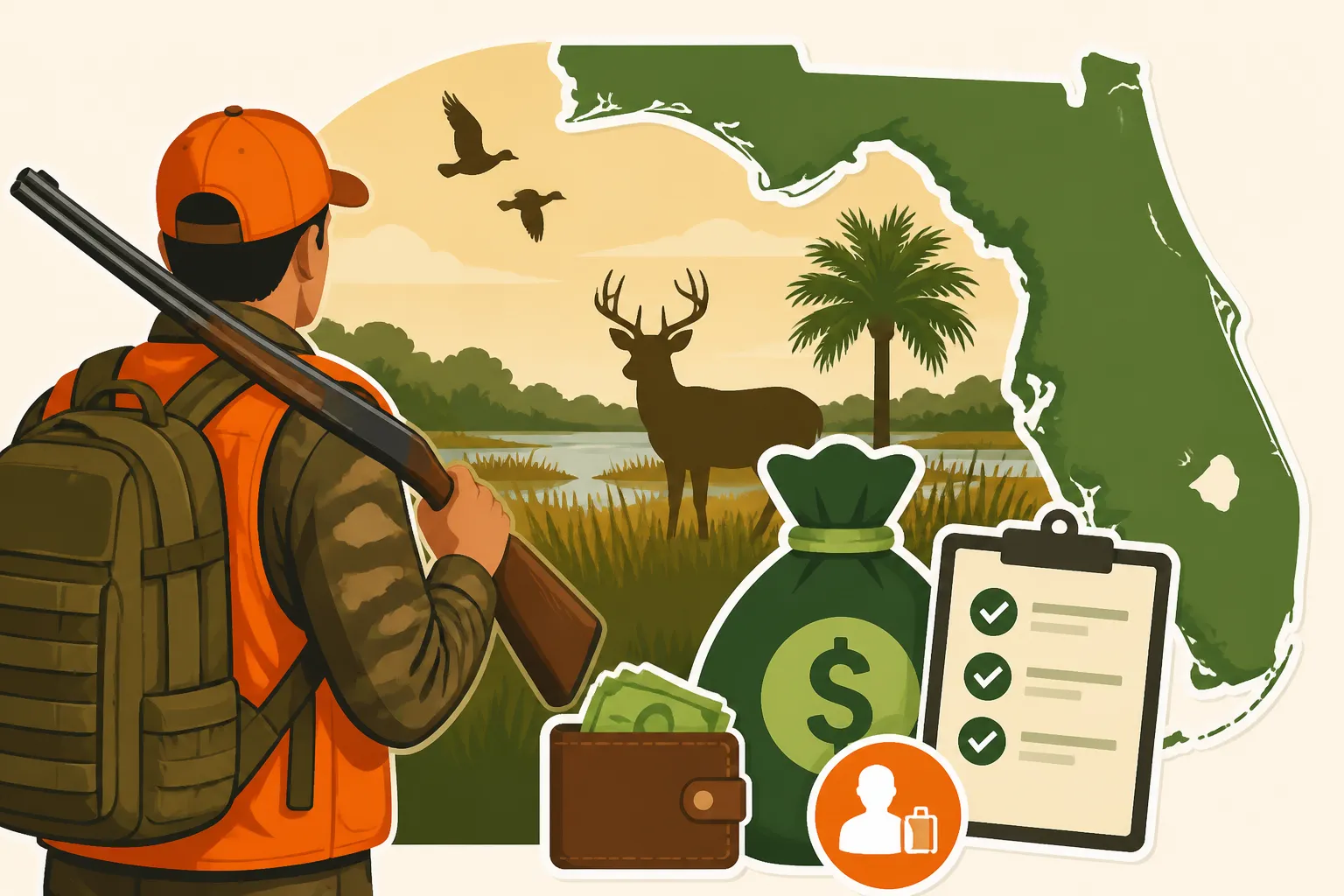
Navigating the unique world of Florida hunting as a nonresident can feel like trying to solve a complex puzzle, especially when it comes to figuring out the actual financial commitment. Beyond the sticker price of a license, there are often layers of permits, unexpected costs, and logistical hurdles that can quickly add up. This guide aims to pull back the curtain on the total cost for a nonresident looking to hunt Florida's Wildlife Management Areas (WMAs), giving you a clear picture of what to expect.
Deciphering the Nonresident License Maze
Before you can even think about setting foot in a Florida WMA, you'll need to get your legal ducks in a row, and that starts with understanding the state's licensing structure. For nonresidents, it's not just a single permit; it's usually a combination of a base license, a WMA permit, and potentially several other specialized tags depending on what you're hoping to harvest. It's a system designed to manage diverse hunting opportunities, but it can certainly be a headache to sort through initially.
The Foundation: Florida Nonresident Base License
Every nonresident hunter in Florida needs a base hunting license. This isn't just a formality; it's your fundamental permission to participate in hunting activities in the Sunshine State. Without it, none of the other tags or permits you acquire are valid. Florida offers a few options for nonresidents, which can be a bit confusing but also provides flexibility depending on the length and frequency of your planned hunts. You might opt for a 10-day license if you're only planning a short trip, or an annual license if you foresee multiple visits throughout the hunting season. The cost varies significantly between these options, so it's essential to consider your personal hunting calendar carefully.
This base license provides the foundation, but it doesn't give you carte blanche across all hunting lands. Think of it as your entry ticket to the general hunting environment, but specific venues or specific game often require additional endorsements or permits. The price point for a Florida Nonresident Base License Cost is a significant initial outlay, so make sure it's the right choice for your hunting plans before committing. It covers a wide range of game, including deer, wild hog, and various small game species, assuming they are legal to hunt at that time and location. However, for most bird species and certainly for specific areas like WMAs, you'll need more.
The Gateway: Florida WMA Management Area Permit
Once you have your nonresident base license, your next crucial step for hunting public lands is acquiring the Florida WMA Management Area Permit. This permit is absolutely vital if your plan involves hunting any of the state's extensive Wildlife Management Areas. These WMAs offer incredible hunting opportunities, from deer and turkey to hogs and small game, but they are managed under specific regulations and often require this additional permit to help fund their upkeep and management. It's an extra cost, yes, but it grants you access to some of Florida's most diverse and productive hunting grounds.
It's important to note that while the WMA permit is generally required for most WMAs, there are exceptions. Federally managed lands, such as national forests like Ocala or Apalachicola, typically do not require a separate state WMA permit, though you'll still need your base hunting license and any species-specific tags. Always double-check the regulations for the specific area you intend to hunt, as these rules can vary. This permit is an annual fee, so if you plan multiple WMA trips within a license year, you only need to purchase it once. Understanding the nuances of The Florida WMA Management Area Permit is key to avoiding any legal missteps and ensures you can enjoy your hunting experience without worry.
Special Tags and Certifications You Might Need
Beyond the base license and WMA permit, your total cost will definitely climb if you're targeting specific, highly sought-after game species. Florida has additional stamps and permits for animals like deer, turkey, alligator, and bear, as well as migratory birds. Each of these comes with its own price tag and, in many cases, its own set of application processes, quotas, and deadlines. It's not uncommon for hunters to overlook these additional requirements, only to find themselves scrambling last minute or, worse, hunting illegally.
For instance, if you're planning to chase the elusive Osceola turkey, you'll need a Florida turkey permit, which is a separate cost from your base license. Similarly, migratory bird hunters, including those targeting ducks, doves, or snipe, must purchase a Florida Migratory Bird Certification in addition to their base hunting license and federal duck stamp if applicable. These species-specific permits are crucial for legal harvest and ensure that management efforts for these populations are funded. The state has specific zones for turkeys, too, so understanding Florida Osceola Zone Turkey Permit Rules is essential if you're dreaming of a spring gobbler hunt in peninsular Florida. These added costs can significantly impact your total budget, so factor them in early when planning your trip.
Budgeting Beyond the Paperwork
While licenses and permits form the mandatory baseline, any experienced nonresident hunter will tell you that the real costs extend far beyond the paper. Travel, accommodation, gear, and even the simple act of feeding yourself in the field can quickly inflate your overall expense report. Ignoring these practical realities is a surefire way to run out of funds or find yourself ill-prepared in the Florida wilderness. Planning is paramount here, not just for the hunt itself, but for the entire financial picture.
Travel and Accommodation Expenses
Getting to Florida, and then getting to your specific WMA, is often a major cost factor. If you're driving from a neighboring state, gas prices and vehicle wear and tear can add up over hundreds or even thousands of miles. For those flying in, you're looking at airfare, baggage fees (especially for hunting equipment), and often a rental car, which can be surprisingly expensive in peak seasons. Once you arrive at your destination, where you lay your head at night will dramatically affect your budget.
Camping on or near a WMA is often the most budget-friendly option, with many national forests and some WMAs offering designated campgrounds, or even primitive camping opportunities. For example, if you're heading to the Ocala National Forest, knowing the National Forest Camping Near Your Stand options can save you a bundle. However, camping requires its own gear and comfort level. Alternatively, staying in a hotel or motel in a nearby town offers more comfort but comes at a higher daily rate. Prices for lodging can fluctuate wildly based on location and time of year, with popular hunting destinations often seeing price hikes during opening weeks. Don't forget food and drink either; eating out every meal will quickly deplete your funds, so packing groceries and cooking your own meals, especially if camping, can lead to substantial savings.
Gear, Supplies, and Prep
Even if you're an experienced hunter, there are always those extra bits of gear, supplies, or preparation expenses that pop up. A nonresident hunter might need to purchase items specific to Florida's unique hunting environment. For example, the state's warm climate might necessitate lighter hunting clothing or specialized water filters. You'll need ammunition or broadheads, calls appropriate for the local game, and perhaps specific scent control products that stand up to the humidity. Don't forget that How Much Blaze Orange Florida Requires might be different from your home state, so you may need new vests or hats.
Moreover, preparing for the hunt itself can incur costs. Mapping applications, like those provided by GoHunt, are incredibly helpful for scouting and navigating complex WMA boundaries, and while many offer free trials, the full versions come with a subscription fee. These tools can really help you visualize the terrain and plan your attack on WMA land, preventing wasted time and effort. Beyond the hunt, consider post-harvest costs. Meat processing, especially if you're unable to do it yourself, can be a significant expense. If you're lucky enough to harvest a trophy, taxidermy fees are another major consideration. Always have a robust cooler or two for transporting game meat, especially given Florida's often-hot weather, to ensure your harvest doesn't spoil on the journey home.
Quota Hunts and Application Fees
Florida's WMA system relies heavily on quota hunts for many of its most popular areas and species. This means that access isn't simply first-come, first-served with your WMA permit; instead, hunters must apply for a limited number of permits through a lottery system. This system is designed to manage hunter pressure and ensure quality experiences, but it adds another layer of cost and uncertainty for nonresidents. The application process itself often comes with a non-refundable fee, regardless of whether you draw a permit or not.
These application fees are typically modest, but if you apply for multiple quota hunts across different WMAs or for different species, they can certainly accumulate. For instance, to hunt deer or turkey in a specific WMA during a prime season, you'll almost certainly need a quota permit. Understanding the Florida WMA Quota Permit System is critical, as missing deadlines or misunderstanding the preference point system can mean missing out on a prime hunting opportunity entirely. Many hunters use resources like GoHunt to analyze draw odds and strategize their applications, trying to maximize their chances of success. It's a game of patience and planning, and another line item on your nonresident hunting budget.
Real-World Scenarios and Sample Budgets
Let's get down to some brass tacks. It's one thing to list all the potential costs, but it's another to see how they might stack up for a real-world nonresident hunting trip. Florida offers such diverse hunting experiences that costs can vary widely depending on your goals and how long you plan to stay. Here, we'll outline a couple of common scenarios to give you a clearer picture.
The "Bare Bones" Weekender Trip
Imagine you're a nonresident driving down from Georgia or Alabama for a quick, three-day deer and hog hunt on a WMA in the Florida Panhandle. You're planning to camp, bring your own food, and keep expenses to a minimum.
Here's a potential breakdown:
| Expense Category | Estimated Cost (USD) | Notes |
|---|---|---|
| Nonresident 10-Day License | $46.50 | Covers basic hunting for 10 consecutive days. |
| Florida WMA Permit | $26.50 | Required for most WMAs. |
| Deer Permit | $5.00 | Additional permit for deer. |
| Federal Duck Stamp | N/A | Not needed unless hunting migratory waterfowl. |
| State Migratory Bird Cert. | N/A | Not needed unless hunting migratory waterfowl. |
| Gas (Round Trip) | $100-$200 | Highly variable based on distance and vehicle efficiency. |
| Groceries/Food | $50-$75 | Basic camping meals, snacks, water. |
| Camping Fees | $0-$30 | Many WMAs offer primitive camping for free or low cost; some established campgrounds have a small fee. |
| Ammunition | $30-$50 | Assuming you already own a firearm. |
| Estimated Total | $258-$433 | This assumes no unforeseen gear needs or quota permit application fees. |
This "bare bones" approach focuses on minimizing costs by self-sufficient camping and driving a relatively short distance. While cheap, it requires significant planning and a willingness to rough it. An example of such a hunt might be exploring a lesser-known section of a WMA, perhaps similar to what you'd find when Hunting Florida's Green Swamp on a limited budget. This scenario doesn't include any quota hunt application fees, which would add another layer of expense if you target a highly managed area.
The Full-Fledged Multi-Species Adventure
Now, let's consider a more ambitious nonresident trip. You're flying in from farther away, maybe aiming for a week-long hunt targeting deer, hogs, and perhaps trying your hand at turkeys or even waterfowl, staying in a comfortable lodge or hotel. This kind of trip involves significantly more planning and, naturally, higher costs.
Here's a breakdown for a week-long multi-species hunt:
| Expense Category | Estimated Cost (USD) | Notes |
|---|---|---|
| Nonresident Annual License | $151.50 | Best value for a week-long or multi-trip hunter. |
| Florida WMA Permit | $26.50 | Essential for public land access. |
| Deer Permit | $5.00 | Required for deer. |
| Turkey Permit | $10.00 | Required for turkey. |
| Federal Duck Stamp | $29.00 | Required if hunting waterfowl (must be purchased federally). |
| State Migratory Bird Cert. | $3.00 | Required if hunting waterfowl or doves. |
| Flights (Round Trip) | $300-$800+ | Highly variable based on origin, destination (e.g., Orlando, Tampa), and booking time. |
| Rental Car (7 days) | $350-$700 | Essential for mobility to and from WMAs. |
| Lodging (7 nights) | $700-$1400 | Hotel/motel averaging $100-$200/night, or a hunting lodge if available (can be higher). |
| Meals | $200-$400 | Combination of some restaurant meals and packed lunches/dinners. |
| Gear/Supplies | $100-$250+ | Ammo, broadheads, calls, specialized clothing, mapping app subscription. |
| Quota Application Fees | $5-$100+ | If applying for multiple coveted WMA draws. |
| Meat Processing | $80-$150 | Per animal, if you harvest deer/hogs and use a local processor. |
| Shipping/Coolers | $50-$150 | For transporting processed meat home (e.g., dry ice, insulated boxes). |
| Estimated Total | $2115-$4425+ | This is a significantly higher estimate, reflecting a more comprehensive and comfortable trip with various hunting opportunities. |
This type of trip offers a much richer experience but comes with a substantially larger price tag. For instance, if you're targeting Year-Round Hog Hunting in Florida in conjunction with deer, the extra meat processing could be a factor. When planning complex multi-species trips, a detailed planning platform like GoHunt can be invaluable for organizing your permits and understanding regulations across different zones. Remember, this budget doesn't factor in booking a guide, though some nonresidents opt for a Booking a Guided Florida Deer Hunt package to maximize their chances, which would add thousands to the overall cost.
Smart Strategies for Nonresident WMA Hunters
Facing these potential costs, it's easy to feel overwhelmed. But with some smart planning and strategic choices, a nonresident WMA hunt in Florida can be both rewarding and more affordable than you might initially think. The key is doing your homework well in advance and being flexible.
Researching Specific WMAs
Florida's WMAs are incredibly diverse, not just in their ecology but also in their regulations and the specific hunting opportunities they offer. Some WMAs are managed primarily for deer, others for waterfowl, and still others might be renowned for their hog populations. Crucially, the rules, access points, and even required permits can vary significantly from one WMA to another. Never assume that what applies to one WMA will apply to all.
Before you even purchase a license, spend considerable time poring over the Florida Fish and Wildlife Conservation Commission (FWC) regulations for the specific WMA you are interested in. The FWC website has detailed brochures for each WMA, outlining season dates, legal weapons, bag limits, and any special requirements, including quota hunts. Tools like Using the FWC Public Hunting Map can help you visualize boundaries and features, while checking the Florida WMA Quota Permit Application Window ensures you don't miss out on vital draws. Some WMAs might have year-round hog hunting, for example, offering a great off-season opportunity, while others have very specific, short deer seasons. Thorough research prevents costly mistakes and ensures you're hunting legally and effectively.
License Bundles and Short-Term Options
As a nonresident, you have choices regarding the duration of your base hunting license, and making the right one can save you money. If you're only planning one short trip to Florida for a few days of hunting, the 10-day nonresident license is usually the most economical choice. It provides full hunting privileges for ten consecutive days, which is often sufficient for a focused weekend or mid-week hunt.
However, if you anticipate visiting Florida multiple times throughout the hunting season, or if your single trip extends beyond ten days, purchasing the annual nonresident license upfront might be a better value. While the initial cost is higher, it can quickly pay for itself compared to buying multiple 10-day licenses. Always calculate the total cost for your expected hunting frequency to determine which option is truly cheapest. The FWC website clearly outlines all Florida Nonresident License Options, so take the time to compare and choose wisely based on your personal hunting calendar. Don't forget, the WMA permit is an annual fee regardless, so once you have that, any additional trips within the year only require the base hunting license (or renewal of your annual one).
Fueling Up and Stocking Up Smart
Travel costs and daily expenses for food and supplies can sneak up on any hunter, but especially for nonresidents. To keep your budget in check, think strategically about how you manage your logistics. If you're driving, plan your route to identify fuel stops where gas might be cheaper, and consider packing a cooler with drinks and snacks to avoid constant convenience store purchases. Every little bit adds up.
For food, a significant saving can be made by planning and preparing your own meals. If you're camping, this is relatively easy with a portable stove and basic cooking supplies. Even if you're staying in a hotel, opting for places with a small kitchenette or bringing a portable cooler for sandwich supplies and drinks can cut down on restaurant bills. Before you leave home, make a detailed checklist of all the gear and supplies you need. This helps you avoid impulse purchases at local sporting goods stores, where prices might be inflated or selection limited. Buying essentials like ammunition, broadheads, or specialized calls from your home store or online, where you can compare prices, often proves more cost-effective. Being self-sufficient and well-prepared reduces reliance on potentially expensive local options once you're deep in hunting country.
Disclaimer
Please be aware that the costs and regulations mentioned in this guide are subject to change by the Florida Fish and Wildlife Conservation Commission (FWC). It is the hunter's sole responsibility to verify all license requirements, season dates, bag limits, and specific WMA rules directly with the FWC before planning and engaging in any hunting activity. This guide provides general informational purposes only and should not be considered legal advice.