Florida WMA Quota Permit Application Window
It's incredibly frustrating to spend weeks dreaming about that perfect Florida public land hunt, only to realize you missed the application deadline for the quota permit. Many of us have been there, watching prime dates slip away because we weren't tracking the specific windows. This comprehensive guide is here to walk you through everything you need to know about the Florida Wildlife Management Area (WMA) quota permit application window, ensuring you're ready when those crucial dates roll around.
Understanding Florida's WMA Quota System
Florida's wildlife management areas offer incredible hunting opportunities, from deer in sprawling pine forests to turkeys in palmetto thickets and hogs in cypress swamps. But because these areas are so popular and the FWC (Florida Fish and Wildlife Conservation Commission) is dedicated to maintaining high-quality hunting experiences and healthy wildlife populations, access to many of them is managed through a quota permit system. It's not just a free-for-all; there's a method to the madness.
Why Quota Permits Exist
The primary reason behind quota permits is simple: managing hunter pressure. Imagine if every hunter in Florida could show up to a prime WMA on opening day. It would be chaos, overcrowded, and frankly, not a very enjoyable or safe experience for anyone. More importantly, it would put immense pressure on the wildlife. High hunter density can lead to overharvesting, stress on animals, and degraded habitat from too many boots on the ground. Quota permits ensure that only a specific, limited number of hunters are allowed into a particular area during a set time frame. This carefully controlled access helps preserve the quality of the hunt, allowing wildlife populations to thrive, and maintaining the integrity of the ecosystem. It's how the FWC protects key areas and helps maintain a healthy balance in the Florida Deer Herd Size, for instance. Without these systems, the hunting we cherish in Florida's diverse landscapes would quickly diminish in quality and sustainability.
Types of Quota Hunts Available
The beauty of Florida's WMA system is the sheer variety of hunts offered, each often requiring its own specific quota permit. When you dive into the application window, you'll find opportunities for practically every major game species. For deer hunters, there are dedicated hunts for archery season, muzzleloader season, and general gun season. These are typically the most popular and competitive draws. Turkey hunters will find quota permits for both the spring gobbler season and, in some northern zones, fall turkey hunts. And, of course, there are often ample opportunities for hogs, which might be bundled with deer or turkey permits, or offered as standalone hog hunts depending on the specific WMA. Beyond these mainstays, Florida also provides special opportunity hunts, such as youth hunts that allow younger hunters to gain experience, or mobility-impaired hunts designed to provide access for hunters with disabilities. Each WMA has its own unique set of offerings, so it's crucial to consult the FWC regulations handbook for the specific area you're interested in, as the rules and available species can vary wildly from one WMA to another.
The All-Important Application Window
This is where the rubber meets the road, folks. Knowing when to apply is just as important as knowing how to apply. Missing these windows is a common mistake that can cost you a season, so pay close attention.
Key Dates and Deadlines
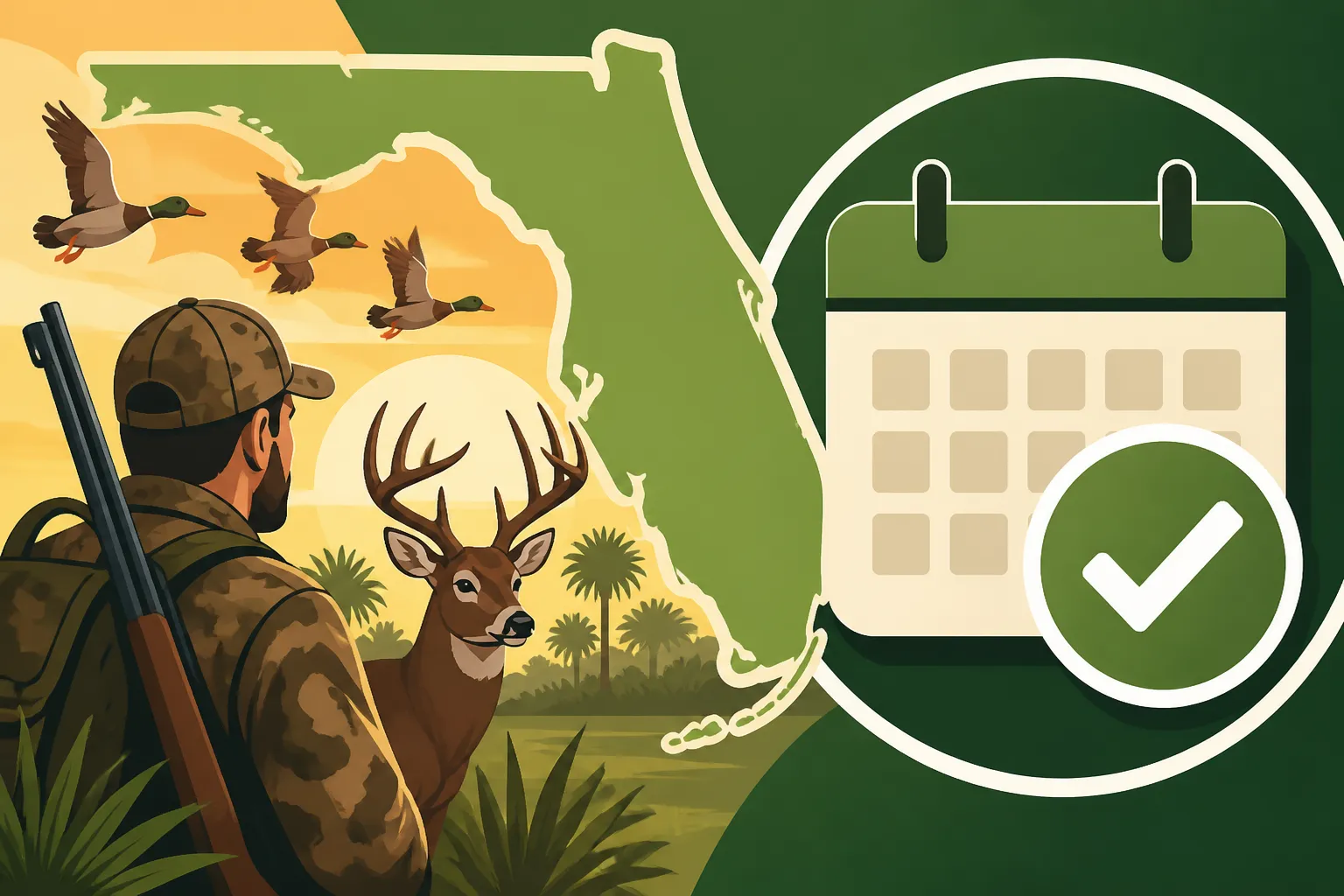
Generally, the FWC manages its quota permit applications in phases throughout the year, with the most competitive deer and fall turkey hunts often grouped into the earliest application period. For many of the major deer, hog, and fall turkey hunts, you're typically looking at an application window that opens in mid-May and closes in mid-June. This is a critical time to be on high alert. However, it's absolutely essential to understand that this isn't a one-size-fits-all schedule. Spring turkey hunts, for example, often have a separate, later application period, usually around September to October. Special opportunity hunts, such as those for youth or specific species, might have their own unique windows entirely. The golden rule here is: always check the official FWC website well in advance. Set reminders on your phone, mark it on your calendar, do whatever it takes to ensure you don't let these precious dates slip by. There are rarely, if ever, extensions for missed deadlines, so once that window closes, you're out of luck for that particular draw. Understanding the Florida WMA Quota Permit Application Process starts with knowing these dates like the back of your hand.
Navigating the FWC Website and GoHunt Platform
When it comes time to apply, your primary destination will be the FWC's official GoOutdoorsFlorida website. This is the centralized hub for purchasing licenses, applying for permits, and managing your hunting profile in the Sunshine State. The process usually involves logging into your existing account or creating a new one if you're a first-timer. Once logged in, you'll navigate to the "Permit Applications" section, where you can browse available quota hunts by zone, WMA, or species.
While the FWC site is where the official application happens, many seasoned hunters and those new to the system find invaluable support from third-party platforms like GoHunt. While GoHunt doesn't process the application directly, it's an exceptional resource for research and application management. Its detailed filtering tools and data insights can help you identify WMAs that align with your hunting goals, analyze past draw odds, and track crucial dates. Think of GoHunt as your strategic planning partner, providing the intelligence you need to make informed decisions before you hit "submit" on the FWC site.
When you're actually applying, you'll select your desired hunts, ranking them in order of preference. The system allows you to apply as an individual or as a group. If applying as a group, one person acts as the group leader, and everyone's preference points are pooled, often giving the group a better chance. However, if the group draws, everyone in the group receives the same permit. Be sure to carefully review all your selections before finalizing and paying the application fee. It's a straightforward process once you get the hang of it, but attention to detail is key.
Maximizing Your Chances in the Quota Draw
Drawing a highly sought-after WMA quota permit in Florida can feel like winning the lottery. While luck certainly plays a role, there are strategic steps you can take to significantly improve your odds. It's not just about applying; it's about applying smartly.
Understanding Preference Points
One of the most powerful tools in the Florida quota system is the preference point. Simply put, for most quota hunts, if you apply and are not drawn, you earn one preference point for that specific hunt type. These points accumulate year after year, and the more points you have, the higher your chances in subsequent draws. For example, if you've applied for a WMA deer hunt for five years and haven't drawn, you'll have five preference points for that deer hunt category. When the next draw occurs, applicants with more preference points are given priority over those with fewer. It doesn't guarantee a draw – someone with zero points can still get lucky – but it significantly stacks the deck in your favor.
Many hunters employ a strategy of building preference points for several years, especially for extremely competitive WMAs like those within the Green Swamp Wilderness Preserve or J.W. Corbett Wildlife Management Area. They might apply for less popular hunts in the interim to still get out in the woods, all while steadily accumulating points for their dream hunt. You can also sometimes purchase a preference point directly if you decide not to apply for a hunt in a given year but still want to increase your odds for the future. Understanding Florida WMA Quota Permit Draw Odds is intrinsically linked to how many preference points you and other applicants have.
Strategic Hunt Selection
Simply applying for the most popular WMA and hunt date every year without a strategy is a recipe for disappointment. To truly maximize your chances, you need to be strategic about which hunts you apply for. Start by researching the specific WMAs. Some areas are notoriously difficult to draw due to high demand and limited permits, while others, perhaps less known or with more challenging terrain, might offer much better odds. Platforms like GoHunt provide invaluable data on historical draw odds, allowing you to gauge the competition for specific units and hunt periods.
Consider applying for hunt dates that are less popular. Mid-week hunts, for instance, often have fewer applicants than weekend openers. Early or late-season hunts might also see less competition than prime rut dates. Think about the species as well. While deer hunts are always popular, perhaps a special hog hunt or a less competitive turkey season in a certain zone might be easier to draw. Don't be afraid to explore WMAs that are a bit more remote or challenging to access, such as those that involve Hunting Florida Cypress Swamp Edges or navigating through a Hunting a Florida Green Swamp Slough. These areas often deter casual hunters, leading to better draw odds for those willing to put in the effort. It's a trade-off: do you want to aim for the absolute "best" hunt with slim odds, or increase your chances of getting any hunt by being flexible? Many hunters find success by having a few dream hunts at the top of their list (where they're building points) and then including several "backup" hunts with better draw odds lower down in their preference ranking.
Essential Preparations Before Applying
Beyond strategy, practical preparation is key. Before the application window even opens, make sure your Florida hunting license is current. You can't apply for a quota hunt without a valid license. For many WMAs, you'll also need a Florida Management Area Permit, which is an add-on to your base hunting license. This permit grants you access to general use of WMAs, even if you're not on a quota hunt. It's best to have these sorted out well before the application period begins to avoid last-minute headaches. Find out more about Florida Hunting Licenses and What They Cost and The Florida WMA Management Area Permit to ensure you're squared away.
If you're applying for a youth hunter, confirm that they meet all Florida Hunter Education Requirements. Many WMAs require successful completion of a hunter education course for anyone born on or after June 1, 1975, or for all youth hunters under specific ages, even under supervision.
Finally, and this is crucial: always review the current FWC regulations handbook for the specific WMA and hunt you're interested in. Regulations can change year to year, including bag limits, legal weapons, and even application specifics. The FWC website has all these handbooks available digitally. Use resources like the FWC Public Hunting Map and the tools on GoHunt to scout potential WMAs, understand the terrain, and get a feel for what type of hunting experience you can expect. Scouting Florida Public Land Before Season is a wise move, even if just virtually, to ensure you're applying for an area that truly fits your style. This diligence will not only increase your chances of drawing but also ensure you're fully prepared if and when your permit comes through.
What Happens After You Apply
The waiting game after submitting your quota permit application can be agonizing. It's a period filled with hope and a little bit of anxiety, wondering if this will be the year your luck turns. But once the FWC runs its draw, you'll quickly learn your fate and what steps to take next.
Notification and Acceptance
Typically, the FWC will notify applicants of their draw results via email. This email will direct you to log into your GoOutdoorsFlorida account to view your permit status. You can also proactively log in to check your application history around the expected notification dates. If you're fortunate enough to draw a permit, congratulations! The next step is usually to formally "accept" the permit within a specific timeframe, often indicated in your notification. This confirmation ensures that you intend to use the permit, and it might involve a small acceptance fee. After acceptance, you'll be able to print your permit directly from your online account. It's vital to carry this printed permit with you while hunting, along with your valid hunting license and WMA permit.
If you don't draw in the initial lottery, don't despair. As mentioned earlier, for many permit categories, you'll gain a valuable preference point for the next year's draw, steadily increasing your odds for future attempts. More importantly, not drawing in the main lottery often opens the door to another significant opportunity: leftover permits.
Leftover Permits and Special Opportunity Hunts
The leftover permit system is a fantastic second chance for hunters who didn't draw in the initial lottery, or for those who missed the initial application window entirely. After the primary draw and acceptance period, any unaccepted or unclaimed permits are put back into a "leftover" pool. These permits are then typically offered on a first-come, first-served basis, or sometimes through a smaller, subsequent lottery. The FWC will announce the dates and times for leftover permit sales, so it's critical to be ready and logged in precisely when they become available, as popular WMAs can sell out within minutes. While leftover permits are often for less conventional dates, such as mid-week hunts or periods outside the peak rut, they still offer legitimate hunting opportunities. Many successful Florida hunters have punched tags on leftover permits.
Beyond the standard leftover process, the FWC also offers various special opportunity hunts throughout the year. These can include anything from Florida Special Youth Hunt Windows designed to introduce young hunters to the outdoors, to specific hunts for hogs or migratory birds that might have different application or access rules. Keep an eye on the FWC website's "Special Opportunity Hunts" section and read the current WMA regulations carefully. Even if you miss the main draw, there's often another door opening somewhere in the vast network of How Florida WMAs Are Managed. Don't give up on your Florida hunting season just because the first draw didn't go your way!
Florida WMA Quota Permit Application Periods (General Overview)
Here's a generalized overview of typical application periods. Always verify specific dates on the official FWC website as they can change annually.
| Hunt Type | General Application Window (Rough Estimate) | Notification Period (Rough Estimate) | Leftover Permit Sale (Rough Estimate) |
|---|---|---|---|
| Deer (Archery, Muzzleloader, General Gun) | Mid-May to Mid-June | Early to Mid-July | Late July / Early August |
| Fall Turkey (Northern Zones) | Mid-May to Mid-June | Early to Mid-July | Late July / Early August |
| Spring Turkey (Osceola & Eastern Zones) | September to October | November to Early December | Mid-December |
| Alligator (Statewide Lottery) | May to June | Late June | July |
| Special Opportunity Hunts | Varies Widely | Varies Widely | Varies Widely |
Disclaimer
The information provided in this article is for general guidance and informational purposes only. Hunting regulations and application dates are subject to change by the Florida Fish and Wildlife Conservation Commission (FWC). Hunters are solely responsible for consulting the most current official FWC regulations and legal requirements before engaging in any hunting activities. Always prioritize safety, ethical hunting practices, and adherence to all applicable laws.