Florida Turkey Tag Transport Rules
The adrenaline surge after a successful turkey hunt in Florida is something every hunter lives for. You’ve put in the scouting, mastered the calls, and finally, a big tom has committed. But once the feathers settle, a new kind of challenge often emerges: navigating the often-confusing rules around legally tagging and transporting your bird. Many hunters worry about making a misstep that could jeopardize their hard-earned harvest, and this guide is here to walk you through Florida's turkey tag transport rules, ensuring your hunt ends as smoothly and lawfully as it began.
The Immediate Aftermath: Tagging Your Turkey in the Field
When you finally have that gobbler on the ground, the very first thing that should cross your mind – after a moment of well-deserved appreciation, of course – is getting it properly tagged. This isn't just a suggestion; it's a critical legal requirement that helps the Florida Fish and Wildlife Conservation Commission (FWC) manage our wild turkey populations, both Osceola and Eastern.
Attaching Your Turkey Tag Promptly
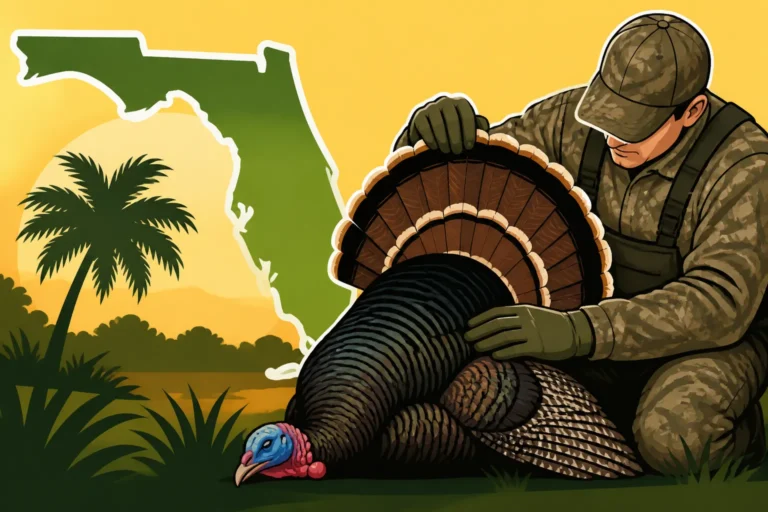
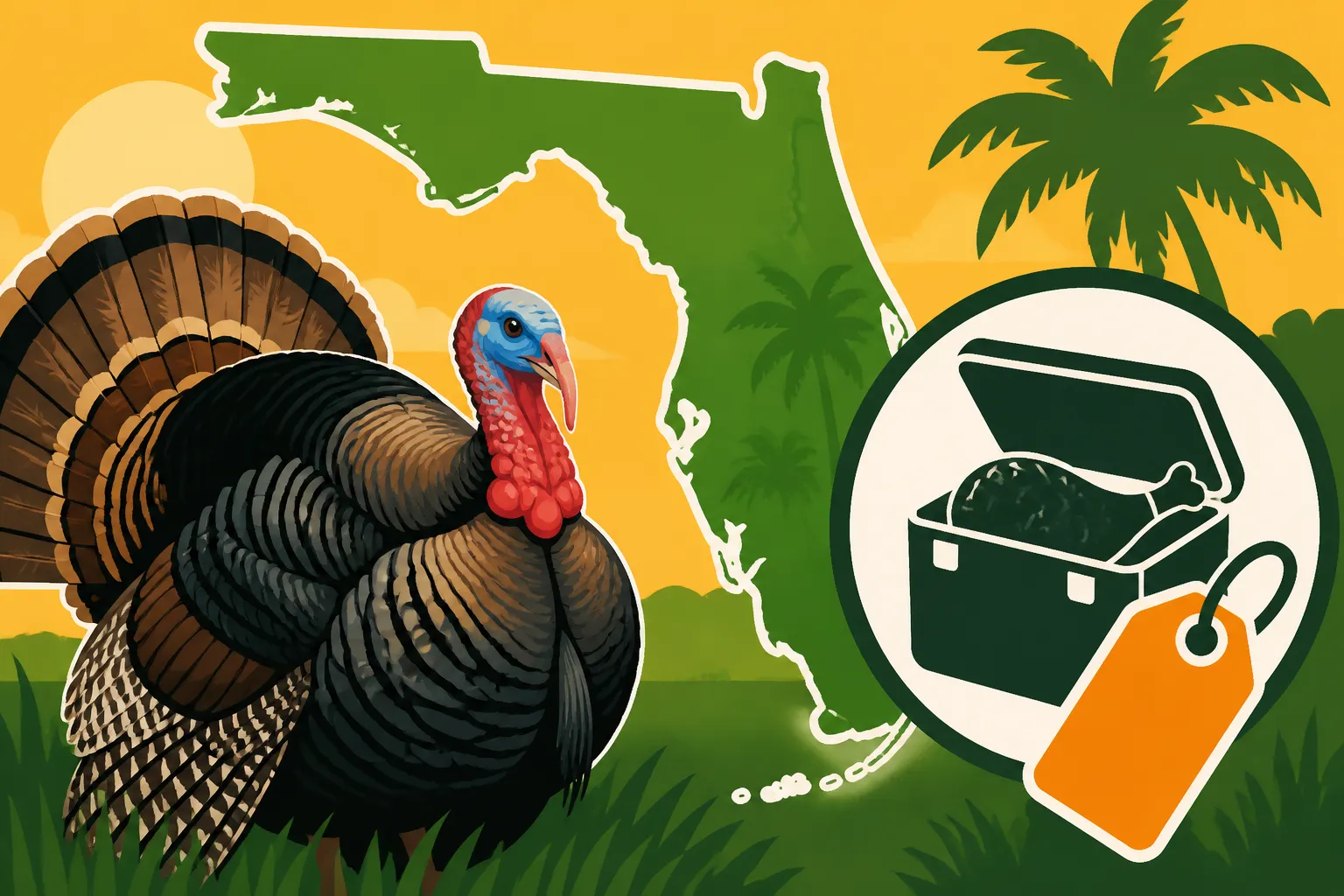
Florida’s regulations are pretty clear on this: immediately after harvesting a turkey, you must attach your tag to the bird. This isn't a "when you get back to the truck" or "when you get home" kind of rule. It means as soon as you've confirmed the bird is deceased and secured, that tag needs to be on it. The FWC issues specific turkey tags with your license, usually two per season, depending on your license type and whether you’re hunting in the spring or fall. These tags are printed with unique numbers and your license information. They need to be securely fastened to the turkey in a way that it cannot be removed without being destroyed or mutilated. Many hunters use zip ties or a sturdy piece of string through a leg or wing, ensuring the tag is visible and firmly attached. This immediate tagging is paramount for legal compliance and avoids any questions if you encounter a wildlife officer in the field. This quick action is part of respecting the resource and the laws designed to protect it.
Essential Information on the Tag
Beyond just attaching it, you also need to make sure the tag is correctly filled out. This usually involves noting the date of harvest and potentially the specific management area or county where the bird was taken. You might be surprised how many hunters, in their excitement, forget to fill out the crucial details on the tag itself. Take a moment, find a stable surface – perhaps the bird's breast, or even your knee – and use a permanent marker to legibly complete all required fields. This information is vital for the FWC's harvest data collection, which directly impacts future season structures and bag limits. It helps track success rates during seasons like the Florida Osceola Spring Season Dates or even the less-common Florida Fall Turkey Season Dates, contributing to a broader understanding of population health.
Moving Your Turkey: Transporting Your Harvest Legally
Once your turkey is properly tagged, the next step is safely and legally getting it from the woods back to your vehicle, camp, or home. This transportation phase has its own set of rules, particularly regarding the identification of the bird. The goal is to ensure that a wildlife officer can easily verify the species, sex, and legal harvest of your turkey at any point during its journey.
Maintaining Proof of Species and Sex
One of the most common points of confusion for hunters, especially those new to turkey hunting, revolves around maintaining evidence of the bird's species and sex during transport. For wild turkeys in Florida, you must leave the head and one leg with the spur naturally attached to the bird until it reaches your final destination (like your home, a processor, or taxidermist). This allows wildlife officers to confirm it's a legal wild turkey and, more importantly, whether it's a gobbler (male) or a hen (female), as regulations often differ. For example, during spring seasons in Florida, only gobblers or bearded turkeys are typically legal to harvest. If you remove the head and the leg with the spur, it becomes almost impossible to definitively prove it was a legal bird, which could lead to a citation. This rule applies whether you're walking out of a deep swamp after Hunting an Osceola Gobbler in Palmetto Scrub or driving across the state with your trophy.
Example Scenario: Imagine you've just harvested a beautiful gobbler on a WMA near Ocala. You're hot, tired, and thinking about that delicious breast meat. You decide to clean the bird right there, removing the head and both legs, leaving only the breast and thighs to pack out. On your way out, a wildlife officer stops you. Without the head (to confirm it's a turkey) and the spurred leg (to confirm it's a gobbler), you'd be in violation, even if you did everything else right. It's a small detail that makes a huge difference.
Securing Your Harvest for Travel
When transporting your turkey by vehicle, it should be kept in a manner that prevents spoilage, but also, ideally, allows for easy inspection. While you don't necessarily need to have it prominently displayed on your roof rack, keeping it accessible in the bed of a truck, or a cooler in your back seat (with the tag visible and head/leg attached) is always a good practice. This transparency helps avoid any suspicion and makes any potential checks by FWC smoother. If you’re using a mapping app like GoHunt for scouting during your hunt, you might even use it to mark your kill site or planned exit route, helping you stay organized. Remember, the journey from the field to the freezer is part of the hunt, and good practices ensure no legal headaches.
Why the Rules Exist and How to Avoid Common Mistakes
Understanding the "why" behind Florida's turkey tag transport rules can help hunters internalize their importance and avoid common pitfalls. These regulations aren't arbitrary; they are essential tools for wildlife management and ethical hunting practices.
The Purpose of Tagging and Transport Rules
At its core, the FWC's tagging and transport rules serve multiple critical functions. First, they are a fundamental part of conservation and population management. Each tag represents a harvested bird, and the data collected from these tags helps biologists understand harvest rates, hunter success, and the overall health of Florida's turkey populations, including both the distinct Osceola subspecies and the Eastern wild turkey in the Panhandle. Without accurate data, it would be much harder to set appropriate season dates, bag limits, and conservation strategies. This is why strict adherence to Florida Turkey Checking Requirements is so important.
Second, these rules are a vital tool for law enforcement. They provide a clear, verifiable system that allows wildlife officers to quickly determine if a harvested bird was taken legally. This helps deter poaching, prevents illegal over-harvesting, and ensures that everyone is playing by the same rules, which ultimately protects the resource for future generations.
Finally, they promote ethical hunting. By requiring immediate tagging and maintaining identification, the rules encourage responsible behavior and accountability from hunters. It’s about respect for the game and the process.
Common Mistakes Hunters Make and How to Prevent Them
Even experienced hunters can sometimes slip up, especially when excitement runs high. Here are a few common mistakes regarding turkey tag transport and how to avoid them:
-
Forgetting to Tag Immediately: The biggest and most frequent mistake. Hunters get excited, take photos, or start field dressing without tagging first.
- Prevention: Make it a ritual. After the safety check and confirming the bird is down, before anything else, retrieve your tag and attach it. Keep a permanent marker and a few zip ties in your vest, right next to your tags.
-
Improperly Filling Out the Tag: Rushing or using a pen that smears can render your tag unreadable or incomplete.
- Prevention: Use a fine-tip permanent marker. Take your time. Double-check all fields before moving on. Consider carrying a small, waterproof notepad for notes, or if you use a digital tool like GoHunt, make sure you're familiar with its regulatory lookup features for reference.
-
Removing Required Body Parts Too Soon: Excitement often leads to over-eagerness in cleaning.
- Prevention: Remember: head and one spurred leg must remain attached until you reach your final destination. Plan your field dressing accordingly. If you're quartering the bird for easier transport, keep these identifying parts with the main portion of the carcass.
-
Not Understanding Zone-Specific Rules: Florida has distinct Florida Osceola Zone Turkey Permit Rules and Florida Eastern Zone Turkey Permit Rules, and sometimes specific WMAs have their own nuances.
- Prevention: Before each hunt, especially if you're venturing into a new area or hunting a different season like the Florida Youth Turkey Weekend Dates by Zone, consult the FWC regulations booklet or their website. Apps like GoHunt can also be invaluable for quickly pulling up regulations specific to your location.
Beyond Transport: Post-Harvest Reporting and Processing
While tagging and transport are crucial, the legal requirements for your turkey don't necessarily end when you pull into your driveway. Florida has specific post-harvest reporting requirements that are just as important for wildlife management.
Florida Turkey Checking Requirements
Once you've successfully transported your tagged turkey, the next step is typically to report your harvest to the FWC. This process is generally done online through the FWC website or their mobile app, but sometimes designated check stations are available, especially in certain Wildlife Management Areas. This reporting needs to be done within a specific timeframe – usually 24 hours – after harvesting your bird. The information you provide, such as the date, county, and sex of the bird, is compiled by the FWC. This data is critical for monitoring harvest trends, assessing population health, and making informed decisions about future hunting seasons. Failing to report your turkey harvest is a violation, so make sure you complete this final, but crucial, step.
Preparing Your Turkey for the Table
After all the paperwork is done, it's time for the most rewarding part: preparing your wild turkey for the dinner table. You can now fully clean and process your bird, removing any remaining parts. Many hunters opt to breast out their turkeys, especially if they're hiking a long distance or want to focus on the prime meat. Remember to properly cool the meat, especially in Florida's warm climate, to ensure freshness and flavor. From the moment that tag goes on in the field to the reporting on the FWC app, every step is a part of the responsible hunter's journey.
Final Thoughts on Responsible Turkey Hunting
Hunting Florida's wild turkeys, whether it's an elusive Osceola or a vocal Eastern gobbler, is an incredible experience. By understanding and diligently following the turkey tag transport rules, you not only protect yourself from potential legal issues but also contribute directly to the ongoing conservation efforts that ensure healthy turkey populations for generations to come. Always carry your license and tags, a permanent marker, and some zip ties. Be knowledgeable about the rules, and don't hesitate to consult the FWC regulations if you have any doubts. A well-prepared hunter is a successful and responsible hunter.
Disclaimer
Please note: The information provided in this guide is for general informational purposes only and is subject to change. It is the hunter's responsibility to review and comply with all current Florida Fish and Wildlife Conservation Commission (FWC) regulations before engaging in any hunting activities. Always refer to the official FWC hunting regulations handbook or website for the most accurate and up-to-date information.