How Many Alligators Live in Florida
It's easy to look at Florida's sprawling network of lakes, rivers, and swamps and wonder just how many alligators call this state home. For many, seeing an alligator basking on a sunny bank or slipping silently through the water is a common, if sometimes startling, experience. But beneath the casual sightings lies a fascinating story of conservation, a robust ecosystem, and an incredibly successful recovery, making Florida a true stronghold for these ancient reptiles. This guide will dive deep into the estimated alligator population, how those numbers are determined, where you're most likely to encounter them, and what it all means for both their well-being and responsible human interaction, including hunting opportunities.
The Thriving Alligator Population: A Conservation Success Story
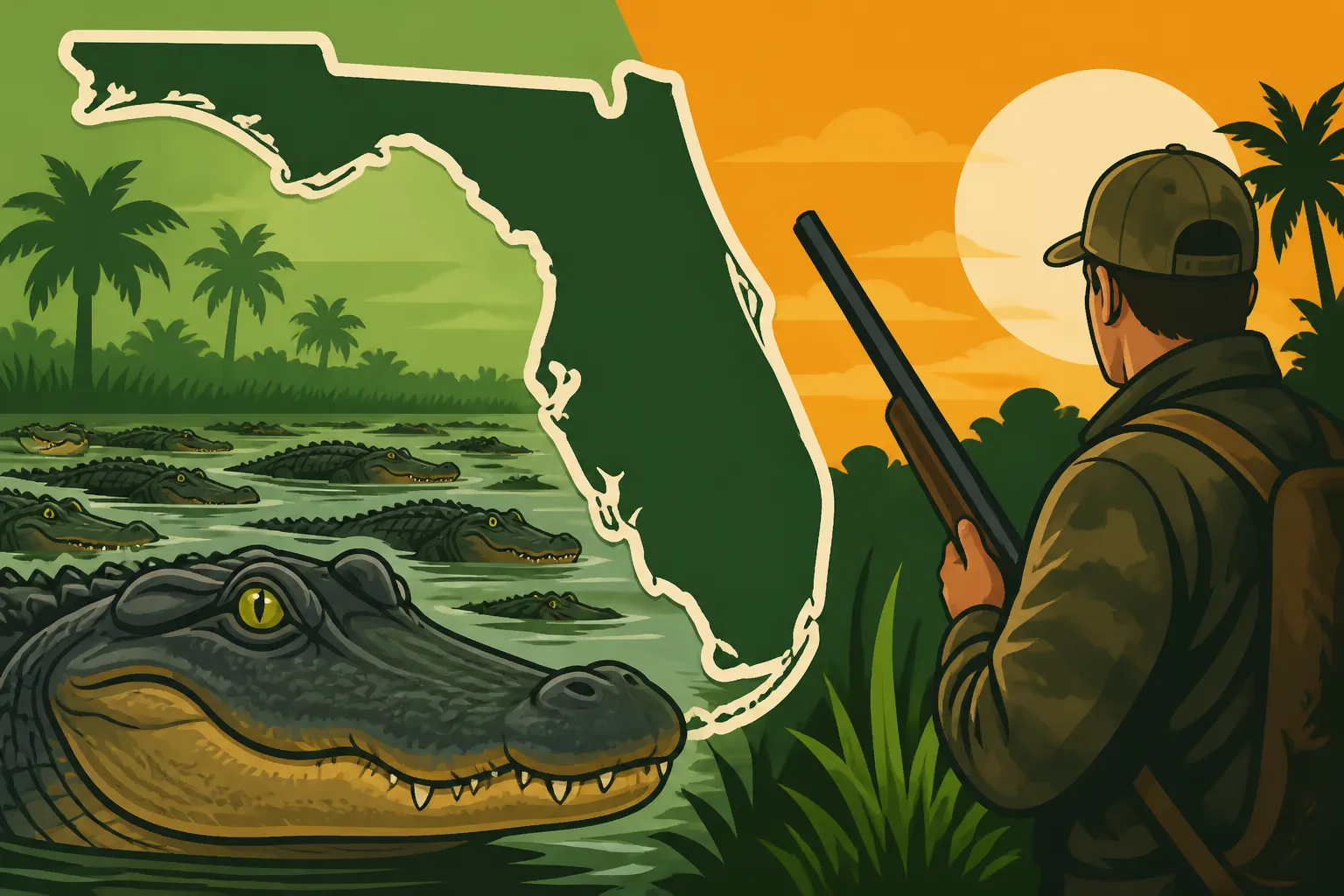
Florida's alligator population is nothing short of a conservation triumph. Once hunted nearly to extinction in the mid-20th century, these magnificent reptiles have rebounded thanks to dedicated protection efforts and thoughtful management. Today, their numbers are not just stable, they are flourishing, making Florida one of the best places in the world to observe American alligators in their natural habitat. This resurgence speaks volumes about the resilience of the species and the effectiveness of science-based wildlife management.
The story of the American alligator in Florida is a powerful reminder of how human intervention, when guided by ecological understanding, can reverse devastating trends. From being listed as an endangered species, a classification that sparked widespread concern and focused conservation efforts, they have moved to a state of such abundance that regulated hunting seasons are now a vital part of their management strategy. This healthy population ensures ecological balance and provides unique recreational opportunities for residents and visitors alike.
Historical Context of Alligator Numbers
Just a few decades ago, the outlook for Florida's alligators was grim. Unregulated hunting for their hides and meat, coupled with habitat destruction, pushed their numbers perilously low. There was a real fear that these iconic creatures, which had roamed these lands for millions of years, might vanish forever. Imagine a Florida landscape without the guttural roar of a bull gator or the sight of a juvenile sunning itself on a log; it was a very real possibility.
The turning point came with federal and state protections. The American alligator was listed under the Endangered Species Act, which provided strict regulations against hunting and trading alligator products. This legal framework gave the species the breathing room it desperately needed to recover. It wasn't an overnight fix; it took years of vigilance and a shift in public perception, but slowly, surely, the numbers began to climb.
Factors Contributing to Their Resurgence
Several key factors contributed to the remarkable comeback of Florida's alligators. Foremost among them was habitat protection. Large tracts of wetlands, crucial for alligator nesting, feeding, and sheltering, were preserved and managed. This ensured they had safe havens to reproduce and thrive away from unchecked human disturbance. The vastness of Florida's natural areas, from the Everglades to countless river systems, proved invaluable.
Furthermore, the cessation of commercial hunting meant that adult alligators, critical for breeding, were allowed to live longer and contribute more to the population. Educational campaigns also helped foster a greater appreciation for alligators, transforming them from feared predators into respected components of Florida's diverse wildlife. Today, this balance allows wildlife managers to ensure that populations remain healthy without overpopulating specific areas, leading to regulated harvest opportunities, like those pursued by folks participating in Booking a Guided Florida Alligator Hunt.
Understanding How Alligator Populations Are Estimated
So, with all these alligators around, how do wildlife managers actually count them? It's not like they can just line them up and tally them one by one! Estimating the population of a wild, elusive reptile spread across millions of acres of wetlands is a complex science. Florida's wildlife agency, the FWC, employs a combination of rigorous scientific methods to get the most accurate picture possible, guiding their management decisions, including those for the popular Florida's Statewide Alligator Permit Lottery.
These methods provide data that helps biologists understand population trends, distribution, and health. It's a continuous process, requiring consistent effort and adaptation to ensure the numbers remain current and relevant. This ongoing monitoring is crucial for maintaining the delicate balance of the ecosystem and ensuring the long-term viability of the alligator population. Without these scientific estimations, managing a species like the alligator would be pure guesswork, leading to potential ecological imbalances.
Spotlight Surveys and Their Limitations
One of the primary tools used for estimating alligator populations is the spotlight survey. This method involves wildlife biologists venturing out at night, typically by airboat or slow-moving vessel, through known alligator habitats. They use powerful spotlights to scan the water and banks, looking for the tell-tale red glow of an alligator's eyes reflecting the light. Each pair of eyes spotted is counted, and the size of the alligator is often estimated.
While effective for covering large areas and providing a density estimate, spotlight surveys have their limitations. Alligators can be shy and may dive underwater before being spotted, especially in areas with high human activity. Dense vegetation can also obscure them, leading to undercounts. Furthermore, this method primarily captures active, surface-dwelling alligators, potentially missing juveniles or those submerged. Despite these challenges, when conducted consistently over time and across various locations, spotlight surveys provide invaluable trend data.
Nesting Surveys and Habitat Quality
Another crucial method involves nesting surveys. Female alligators build large mound nests of vegetation and mud, typically along the edges of water bodies, to lay their eggs. These nests are relatively easy to spot from a distance, either from the ground, by airboat, or even from aerial surveys. Counting the number of active nests gives biologists an excellent indicator of the reproductive success and health of the female alligator population.
The success of nesting directly correlates with habitat quality. Areas with abundant aquatic vegetation, stable water levels, and minimal disturbance tend to have higher nesting rates. By monitoring these nests, biologists can not only estimate population recruitment but also assess the overall health of different wetland ecosystems. For instance, a decline in nest numbers in a specific area could signal environmental changes, such as drought or habitat degradation, prompting further investigation.
Here's a quick look at the factors that feed into population estimates:
| Factor | Description | Data Contributed | Limitations |
|---|---|---|---|
| Spotlight Surveys | Nighttime counts of visible alligators using powerful lights. | Density estimates, general population trends. | Misses submerged, hidden, or shy alligators; weather dependent. |
| Nesting Surveys | Counts of active alligator nests in wetland areas. | Reproductive success, female population health, habitat quality. | Only reflects breeding females; can be affected by unusual weather events. |
| Harvest Data | Information from legally harvested alligators (size, sex, location). | Growth rates, population structure, localized density. | Only from hunted populations; requires accurate reporting. |
| Telemetry Studies | Tracking individual alligators with radio or satellite tags. | Movement patterns, home range, survival rates, habitat use. | High cost per animal; small sample size, doesn't provide total count. |
| Incidental Sightings | Citizen reports and general observations from field staff. | General presence/absence, public interaction trends. | Highly variable; not scientifically rigorous for population numbers. |
Alligator Distribution Across Florida's Diverse Habitats
Florida is a mosaic of habitats, from vast freshwater lakes and meandering rivers to cypress swamps, brackish estuaries, and endless canal systems. Alligators, being incredibly adaptable predators, have colonized virtually every freshwater and even some brackish water environments across the entire state. This widespread distribution is another testament to their robust population and ability to thrive in varied conditions.
From the Panhandle to the tip of the Everglades, if there's water, there's a good chance you'll find alligators. This means that while the overall population is large, their density can vary dramatically from one body of water to another. Understanding this distribution is not just academic; it's vital for those who recreate in Florida's outdoors, including hunters interested in Hunting Alligators at Night Legally or simply observing wildlife.
Major Alligator Hotspots
When people think of alligators in Florida, certain iconic locations often come to mind, and for good reason—these areas truly are alligator hotspots. The Everglades, with its vast sawgrass marshes and cypress strands, is undeniably prime alligator territory. Here, they are a keystone species, shaping the ecosystem and serving as top predators. Lake Okeechobee, Florida's largest freshwater lake, is another enormous reservoir for alligators, offering abundant food and nesting sites.
Further north, the St. Johns River system, stretching from central Florida to Jacksonville, is teeming with alligators. Its slow-moving, nutrient-rich waters provide an ideal environment. Other notable areas include the vast lakes of Central Florida like Lake Kissimmee, Lake George, and the various Wildlife Management Areas (WMAs) which provide excellent habitat. If you're looking for a guaranteed alligator sighting, these are the places to go, but remember, they are truly everywhere.
Differences in Density by Water Body Type
While alligators are ubiquitous, their density isn't uniform. You'll find different concentrations depending on the type of water body. Large, open freshwater lakes and slow-moving rivers often boast the highest numbers, as they provide expansive hunting grounds, plenty of basking opportunities, and suitable nesting habitat. Think of the broad expanses of the St. Johns River or the numerous canals crisscrossing agricultural lands.
In contrast, while alligators are present, their density might be slightly lower in fast-flowing streams or very small, isolated ponds that can dry up during periods of drought. Brackish environments, like some coastal estuaries, will also have alligators, but typically in lower concentrations than purely freshwater systems. This adaptability to slightly saline conditions is quite remarkable for a reptile primarily associated with fresh water. Knowing these patterns can be incredibly useful, especially when planning a trip or scouting an area, something savvy hunters often do using tools like GoHunt to study topographical maps and water features.
Implications for Hunters and Wildlife Management
The health and estimated size of Florida's alligator population have significant implications for both wildlife management strategies and hunting opportunities. A robust population allows for regulated harvest, which serves multiple purposes: it helps manage localized populations, provides recreational and economic benefits, and helps mitigate potential conflicts between humans and alligators. For hunters, these numbers directly translate into the availability and structure of hunting seasons and permits.
The FWC's careful oversight ensures that hunting remains sustainable, never jeopardizing the overall health of the alligator population. This balance is a testament to the success of their scientific approach, allowing Floridians and visitors to enjoy this unique resource while protecting it for future generations. Understanding this framework is crucial for anyone participating in or simply curious about alligator hunting.
How Population Estimates Influence Hunting Quotas
The Florida Fish and Wildlife Conservation Commission (FWC) uses its comprehensive population data—derived from spotlight counts, nesting surveys, and other research—to set annual hunting quotas. These quotas are not arbitrary; they are carefully calculated to ensure a sustainable harvest that does not negatively impact the overall alligator population. The goal is to remove a small percentage of the population, primarily adult alligators, to maintain balance.
If population estimates show a particularly healthy and growing alligator population in a certain management unit, the FWC might slightly increase the number of permits or tags available for that area. Conversely, if localized data suggests a decline or slower growth, quotas might be reduced to allow populations to recover. This dynamic adjustment ensures that the resource is managed responsibly, providing opportunities for hunters while safeguarding the species. Hunters often check official FWC resources and sometimes platforms like GoHunt for the latest permit information and quota announcements related to specific areas before applying for their tags or planning their Florida Alligator Application Period Dates.
Living Alongside a Healthy Alligator Population
With a thriving alligator population comes the responsibility of living safely alongside these magnificent predators. While alligator attacks are rare, they do happen, and it's essential to practice caution and respect. The FWC continually educates the public on how to coexist with alligators, emphasizing that feeding them is both illegal and dangerous, as it causes them to lose their natural fear of humans.
General safety tips include swimming only in designated areas during daylight hours, keeping pets on leashes and away from water edges, and being aware of your surroundings when near any body of water in Florida. For hunters, knowing the population is healthy means appreciating the opportunity to participate in a tightly regulated and exciting hunt for American Alligators in Florida, understanding that their efforts contribute to the very management that ensures the species' long-term prosperity. It's a testament to Florida's wildness that these ancient creatures continue to thrive right in our backyards, a constant reminder of the state's rich natural heritage.
Disclaimer
This article is for general informational purposes only and does not constitute professional advice. Laws, prices and regulations vary by location and change over time. Consult a qualified professional for guidance on your specific situation.