How Many Black Bears Live in Florida
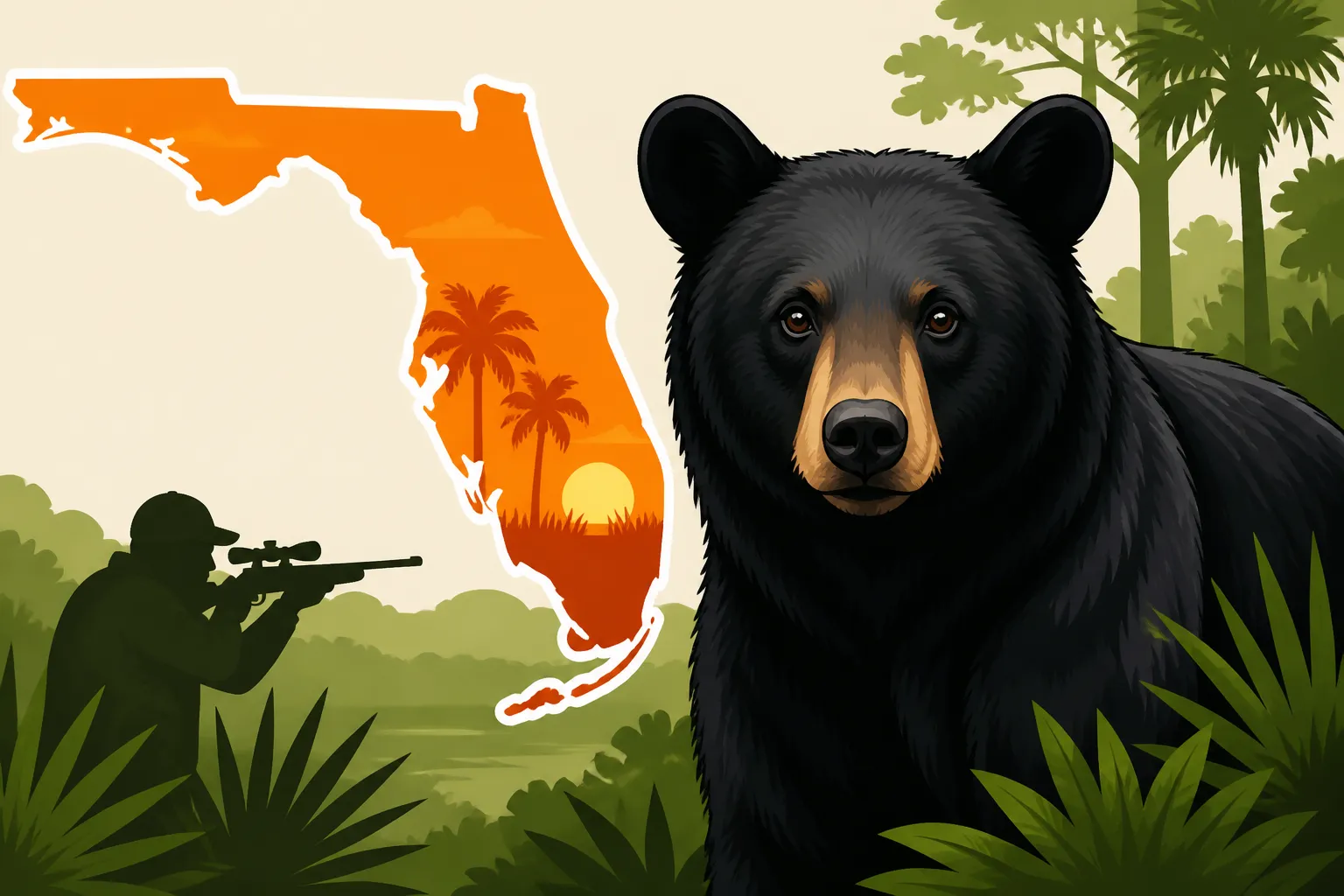
If you live in Florida, particularly near our wilder spaces, you’ve probably either seen a black bear or heard stories about them. They might be rummaging through a garbage can, crossing a backroad at dusk, or even sauntering through a suburban backyard. These encounters often spark a natural curiosity, or perhaps even a little frustration: "Just how many bears are there in Florida?" It’s a valid question, especially when it feels like their numbers are steadily growing and human-bear conflicts make headlines. This comprehensive guide aims to clear up the mystery, diving deep into the most recent population estimates, tracing their incredible journey back from the brink, and exploring how wildlife biologists actually go about counting these elusive creatures in our vast, wild state.
Understanding the Latest Florida Black Bear Population Estimate
For many years, the exact number of black bears roaming Florida was more of an educated guess than a precise count. But through dedicated research and advanced scientific methods, the Florida Fish and Wildlife Conservation Commission (FWC) has been able to provide increasingly accurate estimates. Understanding these numbers is crucial for managing the population, mitigating conflicts, and ensuring the long-term health of this iconic Florida species.
The Overall Number: What the Data Shows
The most recent comprehensive population estimate for Florida black bears places their numbers at over 4,000 individuals statewide. Now, that's a significant increase from just a few decades ago, marking a remarkable conservation success story. This figure isn't static, of course; populations naturally fluctuate based on food availability, habitat changes, and other environmental factors. However, this estimate provides a strong baseline, indicating a thriving and growing population across many parts of the state.
It's important to remember that this isn't a simple "head count" where every bear is tallied. Biologists use sophisticated techniques, which we'll explore shortly, to arrive at these figures. The number represents a robust, minimum estimate of the total population distributed across various regions. For Floridians who remember a time when bear sightings were exceedingly rare, this current estimate is a testament to persistent conservation efforts and the resilience of the species. It also highlights why understanding their habitat and movements is more important than ever.
Beyond the Number: What it Means for Human-Bear Interactions
While a healthy bear population is undoubtedly a conservation win, a growing number of bears in a state with rapidly expanding human development inevitably leads to increased interactions. A population estimate of over 4,000 means that bears are finding suitable habitats and resources, but it also underscores the challenges of coexistence. When bears learn to associate humans with easy food sources – like garbage, pet food, or even barbecue grills – they can lose their natural wariness, leading to conflicts. This is a common frustration for many residents who simply want to enjoy their homes without bear intrusions.
The sheer number of bears means that effective management strategies must go beyond just counting; they need to focus on public education and proactive measures to prevent conflicts. Understanding that there are thousands of bears out there helps us appreciate why securing trash cans, bringing in pet food, and never feeding bears are not just suggestions, but vital practices. This understanding of "how many" translates directly into "what we need to do" to keep both bears and people safe.
A Remarkable Comeback: How Florida's Bear Population Rebounded
Florida's black bear population wasn't always as robust as it is today. In fact, for a significant portion of the 20th century, these bears faced a precarious future, teetering on the edge of local extinction in many areas. Their journey from rarity to recovery is a powerful example of successful wildlife conservation. For more on this incredible turnaround, you might want to read our deep dive into How Florida's Bear Population Rebounded Since the 1970s.
From Near Extinction to Recovery: A Historical Perspective
Historically, Florida black bears were found throughout the entire state, from the Panhandle to the Everglades. However, by the mid-1970s, their numbers had plummeted dramatically due to habitat loss, fragmentation, and unregulated hunting. Estimates at that time suggested there might have been fewer than 500 bears left in isolated pockets, a truly alarming figure. This drastic decline earned the Florida black bear the distinction of being listed as a threatened species by the state in 1974.
Imagine a Florida where seeing a bear was almost unthinkable outside of a zoo. That was the reality for many. The pressures of a rapidly developing state, with sprawling agricultural lands and growing cities, pushed bears into smaller, more fragmented habitats, making their survival increasingly difficult. It was a bleak outlook, and many feared that Florida's iconic native bear was destined to disappear entirely.
Conservation Efforts and Habitat Management
The designation as a threatened species spurred significant conservation action. The FWC, along with federal agencies and private conservation groups, implemented comprehensive management plans. These efforts focused on several critical areas:
- Habitat Protection and Acquisition: Preserving large tracts of contiguous habitat, especially crucial forest lands like the Ocala National Forest Hunting and Apalachicola National Forest Hunting, was paramount. This included establishing and maintaining wildlife corridors to allow bears to move safely between fragmented areas.
- Reduced Mortality: Stricter regulations on hunting were put in place, and public education campaigns aimed to reduce human-caused mortality, such as vehicle collisions.
- Research and Monitoring: Continuous research helped biologists understand bear ecology, behavior, and population dynamics, informing management decisions.
Over the decades, these sustained efforts paid off. The bear population slowly but steadily began to recover, expanding their range and increasing in numbers. By 2012, the FWC felt confident enough in the population's recovery to remove the Florida black bear from the state's threatened species list, a true conservation milestone. This recovery didn't happen overnight; it was the result of long-term commitment and strategic planning, allowing bears to thrive once again in their native Florida landscape.
Counting the Unseen: Methods for Estimating Bear Numbers
Estimating the population of a large, elusive, and wide-ranging animal like the Florida black bear is no easy feat. Unlike counting sheep in a pasture, bears don't stand still for a headcount. Wildlife biologists rely on a combination of innovative techniques and scientific rigor to arrive at those critical population estimates, ensuring management decisions are based on the best available data.
Hair Snares and DNA Analysis
One of the most effective and widely used methods for estimating bear populations is the "hair snare" technique combined with DNA analysis. This approach is ingenious because it allows biologists to collect data on individual bears without ever having to capture or even directly see them. Here’s how it typically works:
- Setting Snares: Biologists set up barbed wire enclosures around a bait station (often using a pungent lure like rotten meat or sardines). The bait attracts bears, and as they climb over or under the wire to get to the food, strands of their hair get caught on the barbs.
- DNA Collection: Each collected hair sample is carefully cataloged by location and then sent to a lab for DNA analysis. Bear hair contains follicular cells, which hold unique genetic information, much like a human fingerprint.
- Individual Identification: The DNA analysis allows researchers to identify individual bears. Since each bear has a unique genetic profile, they can determine how many different bears visited the snare sites within a specific study area.
- Population Estimation: By knowing how many unique individuals were detected within a known area, and how many times they were detected, biologists can use statistical models (capture-recapture methods) to estimate the total population size within that area. This provides a much more accurate estimate than simple observation.
This method is incredibly powerful because it minimizes disturbance to the bears while yielding high-quality data. It's a cornerstone of modern wildlife population monitoring, giving scientists the raw data needed to understand population densities and overall numbers. Hunters and outdoor enthusiasts, often keen on understanding wildlife movements and populations for other species, sometimes use data-rich platforms, similar to what GoHunt provides for tracking big game across various states, to visualize such research outcomes or population trends, even if not directly applied to bear management in Florida.
Sightings, Mortality Data, and Computer Modeling
While DNA analysis from hair snares provides a robust foundation, it's just one piece of the puzzle. Biologists also incorporate other data points to refine their population estimates and understand the broader picture of bear health and distribution.
- Public Sightings and Reports: FWC encourages the public to report bear sightings and incidents. While individual sightings don't directly count towards a population number, aggregated data over time and across regions can indicate areas of high bear activity, range expansion, or potential conflict hotspots. This anecdotal information, when combined with scientific methods, helps validate broader patterns.
- Mortality Data: Understanding bear mortality rates is crucial. This includes data from vehicle collisions, natural deaths, and any permitted removals. If more bears are being killed by cars, for instance, it suggests a higher overall population or increased overlap with human infrastructure. Analyzing these trends helps biologists fine-tune their population models.
- Computer Modeling and GIS: All of this collected data – from DNA to sightings to mortality – is fed into sophisticated computer models. These models use advanced statistical techniques and Geographic Information Systems (GIS) to analyze habitat suitability, connectivity, and historical trends. GIS allows biologists to map out bear habitat, identify corridors, and visualize population distribution across the landscape, giving them a spatial understanding of where bears are thriving and where they might be struggling. This integrated approach ensures that the population estimates are as robust and accurate as possible, reflecting the complex realities of wildlife populations in a dynamic environment.
Where the Bears Roam: Florida's Major Subpopulation Zones
Florida is a big, diverse state, and its black bear population isn't uniformly distributed. Instead, bears exist in several distinct subpopulations or "Bear Management Units" (BMUs), each with its own unique characteristics, challenges, and population dynamics. Understanding these regional differences is key to appreciating the overall statewide population. We’ve covered some of these specifics in our article on Florida Bear Population by Subpopulation Zone.
The Big Six: Key Bear Management Units
The FWC recognizes several primary bear management units across Florida. These are generally large, contiguous areas of suitable habitat that support viable bear populations. While the specific boundaries and numbers can shift with ongoing research, historically, some of the most prominent zones include:
- Eglin/Blackwater: Located in the western Panhandle, this area includes vast tracts of military lands and state forests. It supports a robust bear population that has benefited from extensive forest management.
- Apalachicola/St. Marks: This central Panhandle region, encompassing the Apalachicola National Forest and St. Marks National Wildlife Refuge, is a stronghold for Florida black bears. Its expansive wet flatwoods, swamps, and pinelands provide excellent habitat.
- Osceola/Okefenokee: Straddling the Florida-Georgia line, this unit includes the Osceola National Forest and the southern portion of the Okefenokee Swamp. This region has historically been a critical refuge for bears.
- St. Johns River: East-central Florida, particularly areas around the St. Johns River basin and parts of the Ocala National Forest, supports a significant bear population. This area, however, often sees high rates of human-bear conflict due to its proximity to rapidly growing urban centers.
- Chassahowitzka: Along the Gulf Coast in west-central Florida, this smaller but vital unit includes the Chassahowitzka National Wildlife Refuge and adjacent state lands.
- Big Cypress/Everglades: The vast wilderness of Southwest Florida, including Big Cypress National Preserve and parts of the Everglades, is home to a genetically distinct subpopulation of black bears. These bears are well-adapted to the unique wetland environment.
These six major areas represent the core strongholds where Florida's black bear population has not only survived but thrived. Each unit presents its own challenges and successes in bear management, from habitat fragmentation in the St. Johns River region to the wild, expansive territories of Big Cypress.
Understanding Regional Densities and Challenges
While the statewide estimate of over 4,000 bears is impressive, it's crucial to understand that bear density varies significantly across these management units. Areas with vast, undisturbed forests, like portions of the Ocala National Forest Hunting or the Apalachicola National Forest Hunting, will naturally have higher densities of bears compared to areas where human development has encroached more heavily.
For instance, the St. Johns River Bear Management Unit, while having a significant bear population, faces substantial challenges due to its location amid dense human populations. Here, bears are more likely to encounter residential areas, leading to more frequent calls about nuisance bears, vehicle collisions, and other conflicts. This contrasts sharply with areas like the remote Big Cypress swamp, where human encounters are far less common.
The goal of FWC management is not just to maintain a high statewide number but to ensure healthy, stable populations within each of these units, addressing the specific challenges each region presents. This might involve different strategies, from public education campaigns in high-conflict areas to habitat restoration projects in more remote zones. The diverse ecological makeup of Florida means that bear management must be equally diverse, adapting to the unique needs of each regional population. Hunters who apply for specific permits, such as those that might be offered in a Florida's Reinstated Bear Hunting Season scenario, would certainly appreciate a tool like GoHunt's ability to overlay permit success rates or population data specific to various regions, helping them understand the nuances of localized wildlife management. Even in an informational context, understanding how others leverage such tools helps illustrate the depth of data available for various wildlife species across the country.
Disclaimer
This article is for general informational purposes only and does not constitute professional advice. Laws, prices and regulations vary by location and change over time. Consult a qualified professional for guidance on your specific situation.