Florida Red Wolf History and Extirpation
It’s a bittersweet feeling to look at Florida's incredible wildlife today and realize a significant piece of its natural tapestry is missing. For many of us, the idea of a native wolf howling across the palmetto flats seems like something out of a forgotten past, and sadly, it is. This comprehensive guide delves into the poignant history of the red wolf in Florida, exploring its past presence, the devastating reasons for its disappearance, and the lasting ecological void its extirpation has left behind.
The Ghostly Presence of the Red Wolf in Historic Florida
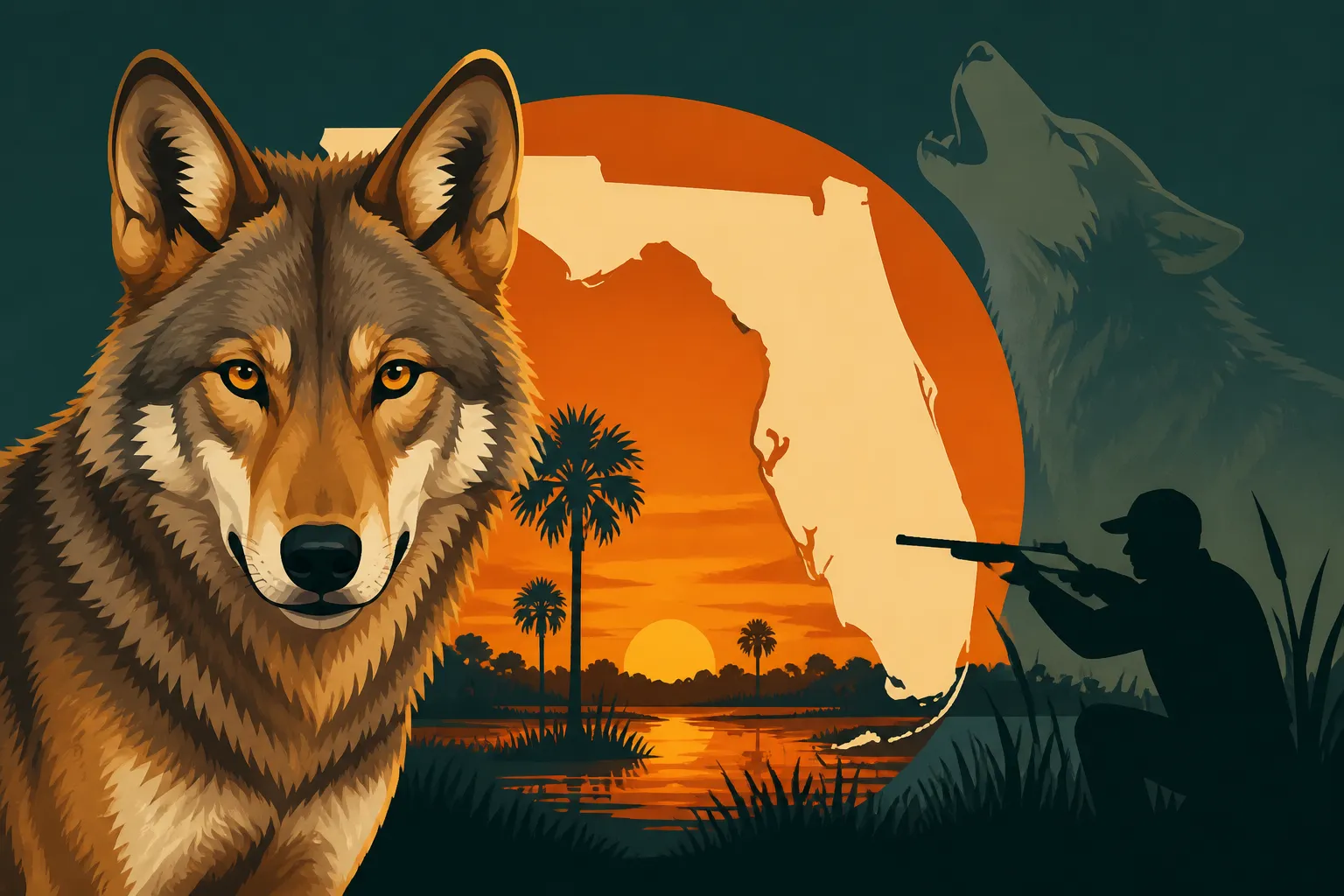
Imagine Florida not as the bustling, developed state we know, but as a vast, wild expanse where cypress swamps met longleaf pine forests, and endless prairies stretched toward the horizon. In this primal landscape, the red wolf (Canis rufus) was a silent, yet powerful, part of the ecosystem. These aren't the giant gray wolves of the northern forests; red wolves are a distinct species, smaller in stature with a reddish-brown coat, perfectly adapted to the southern environment.
Their historical range was incredibly broad, stretching across the southeastern United States, including nearly all of Florida. From the Panhandle's rolling hills and dense woodlands to the vast wetlands and flatwoods of central and south Florida, the red wolf once roamed freely. They were integral to the balance of these diverse habitats, functioning as the apex canid predator, alongside the Florida Panther Recovery Numbers. They weren't just passing through; they were firmly established, breeding, hunting, and raising their pups deep within the wilderness areas of the state.
Think about a typical day for a Florida red wolf. They likely hunted white-tailed deer, which were abundant across the state, but they were also opportunistic, preying on smaller animals like rabbits, raccoons, and even wild turkeys. Their presence would have kept herbivore populations in check, ensuring the health of the vegetation and preventing overgrazing. They were also scavengers, cleaning up carrion and preventing the spread of disease, playing a crucial, if often unseen, role in maintaining a healthy environment. Early explorers and settlers would have certainly encountered signs of them, from tracks in sandy soil to their distinctive, eerie howls echoing through the ancient forests.
The Tragic Factors Leading to Their Decline and Extirpation
The story of the red wolf's disappearance from Florida, and indeed most of its native range, is a somber tale of human impact. Several interconnected factors led to their complete extirpation from the Sunshine State, leaving a significant void in our natural heritage.
Habitat Loss and Fragmentation
As Florida grew, so did the demands on its wild lands. Vast stretches of pine forests were cleared for timber, wetlands were drained for agriculture, and sprawling urban centers began to emerge. This relentless development led to massive habitat loss, shrinking the areas where red wolves could live, hunt, and reproduce undisturbed. Their historical territories were fragmented into smaller, isolated pockets, making it harder for them to find food, mates, and safe havens. Imagine a pack needing miles of uninterrupted territory to thrive, only to find their world carved up by roads, farms, and neighborhoods. It’s a profound shift that no wild animal, especially a wide-ranging predator, can easily overcome. The landscape that once supported them, like the deep woods of what is now Hunting Florida's Green Swamp, became increasingly encroached upon.
Direct Persecution and Misunderstanding
Perhaps the most direct and devastating blow to the red wolf population was relentless human persecution. For generations, wolves were viewed as threats to livestock and game animals, leading to widespread hunting and trapping campaigns. Bounties were often placed on their heads, incentivizing their extermination. There was little understanding of their ecological value, and often, they were simply seen as varmints to be eliminated. Even when platforms like GoHunt help modern hunters find regulated seasons and legal game, the historical context reminds us of an era when such ethical considerations were sadly absent for predators like the red wolf. This unchecked killing, often by any means necessary, systematically wiped out entire packs and pushed the species to the brink.
Hybridization with Coyotes
As red wolf numbers dwindled and their populations became isolated, a new threat emerged: hybridization with coyotes. Coyotes, a species not historically native to Florida, began to expand their range eastward and southward as human development altered the landscape. Smaller, more adaptable, and less persecuted than wolves, coyotes moved into areas where red wolves were struggling. With few purebred red wolves left, and their social structures breaking down, mating with coyotes became increasingly common. This genetic swamping effectively diluted the red wolf gene pool, leading to a loss of the distinct red wolf characteristics and further accelerating their extirpation as a pure species. Today, coyotes are a firmly established part of Florida's ecosystem, as detailed in Florida Coyote Range and Density, a stark reminder of the void the red wolf left behind.
The Long Road to Recovery: Attempts and Challenges
The red wolf's story isn't entirely one of loss; there have been significant efforts to save the species, though Florida itself has not been a direct beneficiary of reintroduction. By the late 1970s, the species was declared extinct in the wild, with only a small number of genetically pure individuals remaining in captivity. This critical bottleneck led to a monumental conservation effort.
National Red Wolf Recovery Program
The U.S. Fish and Wildlife Service launched the Red Wolf Recovery Program, a pioneering initiative to breed red wolves in captivity and reintroduce them to suitable habitats in the wild. The first successful reintroductions took place in eastern North Carolina, specifically in the Alligator River National Wildlife Refuge and Pocosin Lakes National Wildlife Refuge areas. This program has faced immense challenges, from ongoing human-wildlife conflict to further hybridization with coyotes, but it represents a dedicated, albeit difficult, struggle to bring this unique American canid back from the brink.
Why Florida Hasn't Seen Reintroduction
While Florida was once a core part of the red wolf's range, several factors have prevented reintroduction efforts within the state. The primary hurdles include continued habitat fragmentation, the high density of human population in many areas, and the persistent issue of coyote hybridization. Finding large enough tracts of land that are sufficiently isolated from human activity and free from a strong coyote presence is incredibly difficult. Unlike the Florida Black Bear Subspecies Explained, which has seen a population rebound in established protected areas, the red wolf requires specific conditions that are hard to secure in modern Florida.
The state's landscape has changed too dramatically. The very factors that led to the red wolf's original disappearance – sprawling development, an extensive road network, and altered natural hydrology – continue to pose significant challenges. Reintroduction is not simply about releasing animals; it's about restoring an entire functioning ecosystem capable of supporting them long-term. Even with dedicated conservation efforts, the sheer scale of the change in Florida makes it an incredibly complex undertaking. This is why for hunters, even with powerful tools like GoHunt at their disposal for scouting and planning, there won't be any red wolf permits; they remain firmly on the list of Game You Cannot Hunt in Florida.
The Ecological Ripple Effect of Losing an Apex Predator
The extirpation of the red wolf from Florida created a significant ecological vacuum, and the ripple effects of losing such an important apex predator are still felt today. Every species plays a role in its ecosystem, and when a keystone species like a wolf disappears, the balance shifts dramatically.
Altered Prey Dynamics and Mesopredator Release
Without the red wolf to help keep deer populations in check, the dynamics of herbivore populations can change. While other predators like the Florida panther exist, and humans play a significant role in Florida Deer Population Estimate management through hunting, the absence of the red wolf meant one less natural pressure on deer. This can lead to localized increases in deer density, which in turn can impact vegetation through overbrowsing, affecting other species that rely on those plant communities.
Perhaps even more significant is the phenomenon known as "mesopredator release." With the red wolf gone, populations of smaller predators and omnivores, like raccoons, opossums, and the now-ubiquitous coyotes, can increase unchecked. These mesopredators then exert greater pressure on ground-nesting birds, small mammals, and other vulnerable prey species. This can cascade throughout the food web, impacting biodiversity and altering the overall health of the ecosystem. Consider the impact on species whose eggs and young are vulnerable to increased numbers of these adaptable creatures. These are animals often managed through activities like Florida Fox and Bobcat Trapping Season, highlighting the changed predatory landscape.
A Piece of Florida's Wild Identity Lost
Beyond the scientific ecological impacts, there's an intangible loss: a piece of Florida's wild identity. The howl of a wolf is iconic, a symbol of untamed wilderness. Its absence signifies a part of our natural heritage that has been silenced. Understanding this history and the reasons behind the red wolf's extirpation serves as a powerful lesson in conservation. It underscores the importance of protecting remaining wild spaces, managing wildlife populations responsibly, and considering the broad ecological consequences of human actions. For those of us passionate about Florida's outdoors, it's a constant reminder of what we've lost and a motivation to be better stewards of what remains. Today, using resources like GoHunt to ethically participate in regulated hunting seasons helps ensure that current populations are managed sustainably, so we don't repeat the mistakes of the past.
| Characteristic | Red Wolf (Historical Florida) | Coyote (Current Florida) | Gray Wolf (Non-Native to Florida) |
|---|---|---|---|
| Size | Medium (45-80 lbs) | Small to Medium (20-50 lbs) | Large (70-130 lbs) |
| Appearance | Reddish-brown, slender build, long legs | Grayish-tan, bushy tail, pointed ears | Gray, varied, robust build |
| Historical Range | Southeastern US, including most of Florida | Western & Central US, now throughout FL | Northern US, Canada, Alaska |
| Current Status | Extirpated from wild Florida; critically endangered in specific reintroduction areas (NC) | Established throughout Florida | Not found in Florida |
| Diet | Deer, small mammals, birds | Small mammals, birds, fruit, opportunistic | Large ungulates (deer, elk, moose) |
| Social Structure | Pack animals | Smaller family groups, pairs | Large, complex packs |
Disclaimer
This article is for general informational purposes only and does not constitute professional advice. Laws, prices and regulations vary by location and change over time. Consult a qualified professional for guidance on your specific situation.