Florida Panther Recovery Numbers
It’s easy to feel a knot of concern in your stomach when you hear about species on the edge, wondering if their situation is truly hopeless. For those of us who cherish Florida's wild heart, the story of the Florida panther has long been one of both worry and fierce determination. But I'm here to tell you that while challenges remain, the recovery of our state's most iconic big cat is a testament to what dedicated conservation can achieve. This guide will walk you through the fascinating journey of the Florida panther, exploring its population history, current status, the hurdles it still faces, and the promising outlook for these magnificent creatures that silently roam our swamps and pinelands.
The Florida Panther's Journey from the Brink of Extinction
Imagine a Florida far different from today, a vast expanse of wildlands stretching from coast to coast. In that Florida, the panther, a subspecies of puma (or mountain lion, if you prefer), was the undisputed apex predator, its stealthy presence gracing nearly every corner of the state. These magnificent cats were once found throughout the southeastern United States, not just our peninsula. However, as human settlement expanded, bringing with it agriculture, development, and a fear-driven policy of predator eradication, the panther's world began to shrink dramatically.
By the mid-20th century, the situation was dire. Decades of habitat destruction, unregulated hunting, and human encroachment had pushed the Florida panther to the absolute brink. Its range was reduced to a tiny, isolated pocket in the remote reaches of Southwest Florida, primarily within the Everglades and Big Cypress swamps. The population plummeted to an alarmingly low number, estimated by some to be as few as 20-30 individuals by the 1970s and 80s. This isn't just a number on a chart; it represented a living species staring into the abyss of extinction. Such a small gene pool led to severe inbreeding, causing a host of debilitating health issues like heart defects, undescended testicles in males, and a weakened immune system, further hindering any natural recovery. It was a bleak picture, one that truly tested the resolve of conservationists.
In a bold and, at the time, controversial move, wildlife biologists embarked on a groundbreaking genetic restoration project in 1995. They introduced eight female Texas cougars (a closely related subspecies) into the Florida panther population. The idea was to infuse much-needed genetic diversity, essentially rescuing the panthers from the genetic bottleneck that was suffocating them. This wasn't a decision made lightly, but the alternative was almost certain extinction. The results were nothing short of remarkable. The genetic health of the panther population improved dramatically, birth rates increased, and the debilitating physical abnormalities began to decline. This aggressive intervention quite literally pulled the Florida panther back from the brink, proving that innovative conservation can yield powerful results even in the most desperate of situations.
Understanding Current Florida Panther Population Estimates
Counting an animal as elusive and wide-ranging as the Florida panther is no easy feat. Unlike deer that might be spotted in a field or turkeys that gobble from a roost, panthers are masters of stealth. Wildlife biologists employ a variety of sophisticated techniques to get their estimates, combining traditional tracking skills with modern technology. Radio telemetry collars are fitted to captured panthers, allowing researchers to monitor their movements, habitat use, and reproductive success. Scat and track surveys provide crucial data on presence and distribution, while strategically placed camera traps capture images of individual panthers, helping to identify them by their unique spot patterns. It’s a painstaking process, often involving slogging through cypress swamps and dense palmetto thickets, but it yields the critical information needed to gauge the health of the population.
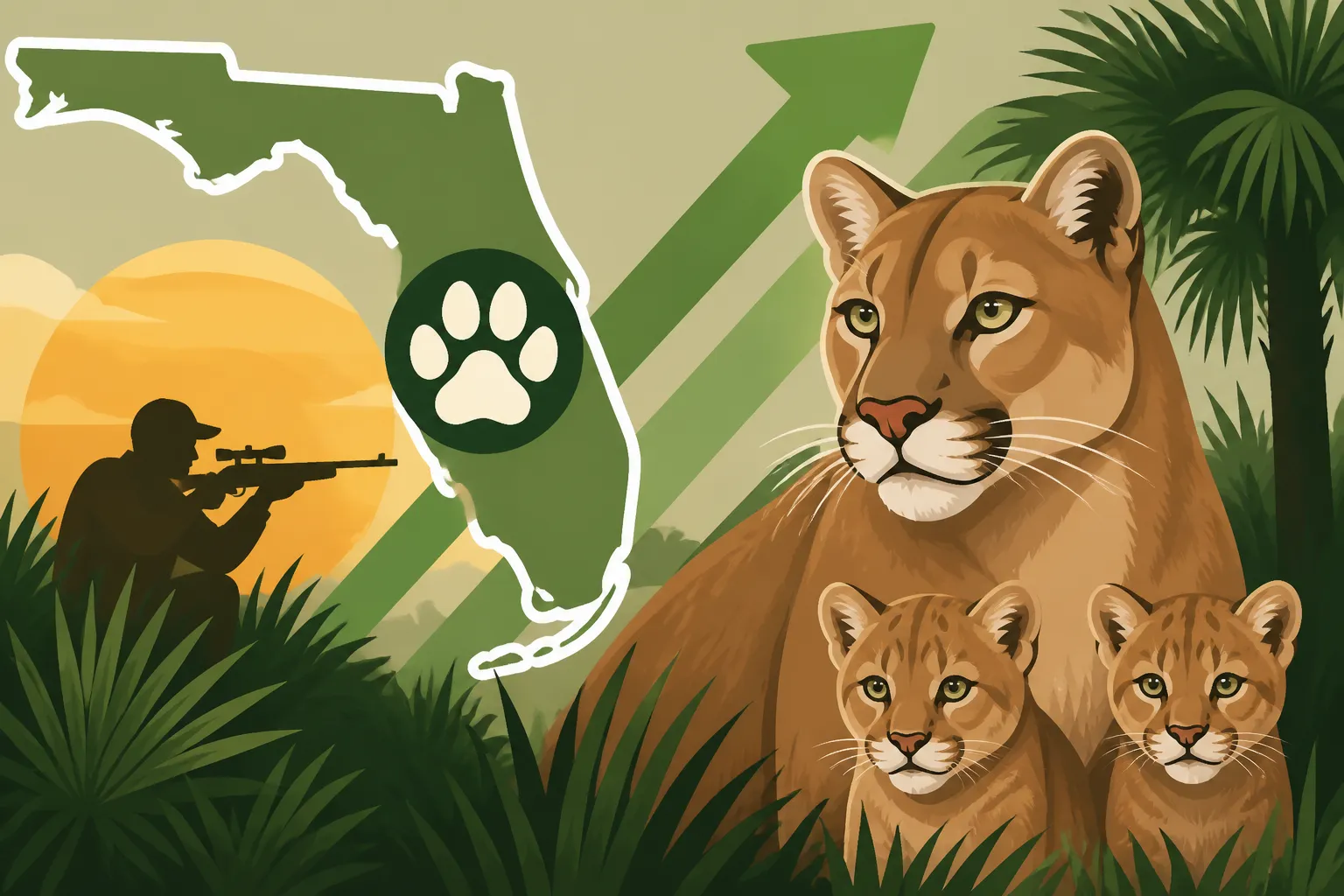
Today, the generally accepted population estimate for adult and subadult Florida panthers ranges from roughly 120 to 230 individuals. While this might still sound like a small number, it represents a significant rebound from the critically low figures of just a few decades ago. It's important to remember that this number fluctuates due to births, deaths, and the inherent challenges of accurately counting every single individual in vast wilderness areas. The core population remains concentrated in the wilds of Southwest Florida, encompassing areas like Hunting the Everglades and Big Cypress, Big Cypress National Preserve, and Everglades National Park. However, there's been exciting evidence in recent years of panthers, particularly younger males, venturing northward across the Caloosahatchee River. This natural expansion is a key indicator of a healthier, growing population, with sightings even occurring near areas like Ocala National Forest Hunting, offering hope for future breeding populations in new territories.
Several factors continuously influence the population numbers. Ample habitat, especially large contiguous tracts of wilderness, is paramount for these wide-ranging cats. A healthy prey base, predominantly white-tailed deer, but also hogs and smaller mammals, is crucial for their survival and reproductive success. For hunters, understanding local deer populations, including knowledge of the Florida Buck-to-Doe Ratio by Zone, provides an indirect insight into the availability of food for panthers in their habitat. Unfortunately, mortality rates, especially from vehicle collisions, remain a significant concern, often offsetting some of the population gains. Territorial disputes between panthers, a natural part of apex predator behavior, also contribute to mortality, particularly among young males seeking new territories.
Key Challenges and Remarkable Successes in Conservation
The journey of the Florida panther from near extinction to a recovering population is filled with both inspiring successes and persistent challenges that conservationists battle every single day.
Ongoing Challenges for Panther Recovery
Despite the undeniable progress, several significant hurdles continue to test the resilience of the Florida panther and the dedication of those working to save them. Perhaps the most pressing is habitat fragmentation. Florida is a rapidly growing state, and development continues to push into traditional panther territories. As vast expanses are broken up by roads, residential areas, and commercial properties, panthers find their movement restricted, their hunting grounds reduced, and their ability to disperse to new areas compromised. This leads to increased human-panther conflict, as cats are forced into closer proximity with people and livestock.
Road mortality remains a tragically high cause of death for panthers. As more roads cut through their habitat, and traffic volumes increase, panthers attempting to cross these arteries are often hit by vehicles. It's a sobering statistic that reminds us how directly human infrastructure impacts wildlife. While efforts like wildlife crossings and fences have been implemented in some areas, the sheer scale of Florida’s road network means this will be an ongoing battle.
While the initial genetic restoration was a huge success, maintaining genetic health is an ongoing monitoring effort. Biologists constantly assess the population to ensure that harmful inbreeding doesn't resurface and that the population remains robust. This kind of diligent oversight is part of Florida’s broader Florida Wildlife Disease Monitoring Program, which tracks the health of many species, including panthers.
Finally, public perception sometimes presents a challenge. Fear of large predators, often fueled by misinformation, can lead to calls for management actions that may not be in the best interest of a recovering population. Education is key to dispelling these myths and fostering a culture of coexistence. Additionally, competition for prey with other predators, such as the ever-expanding Florida Coyote Range and Density, or impacts on deer herds from other factors, can indirectly affect the panther’s food source.
Remarkable Conservation Successes
Amidst these challenges, the successes in Florida panther conservation shine brightly, offering hope and a blueprint for future endeavors. The genetic restoration program of 1995 stands as a monumental achievement, a bold experiment that paid off beyond expectations. By introducing new genetic material, the program effectively pulled the panther back from the precipice, demonstrating that active management can reverse severe ecological damage. This success is often cited globally as a prime example of effective species recovery.
The establishment and expansion of protected lands have been absolutely crucial. Large tracts of wilderness, including federal lands like the national preserves and Florida Wildlife Management Areas, provide critical core habitat for panthers to live, hunt, and breed relatively undisturbed. These areas are sanctuaries that allow the panthers to thrive and slowly expand their range.
Ingenious engineering solutions, such as wildlife underpasses and overpasses, especially along key highways like I-75 (Alligator Alley), have significantly reduced road mortality in specific areas. These structures allow panthers and other wildlife to safely cross busy roads, reconnecting fragmented habitats and saving countless lives.
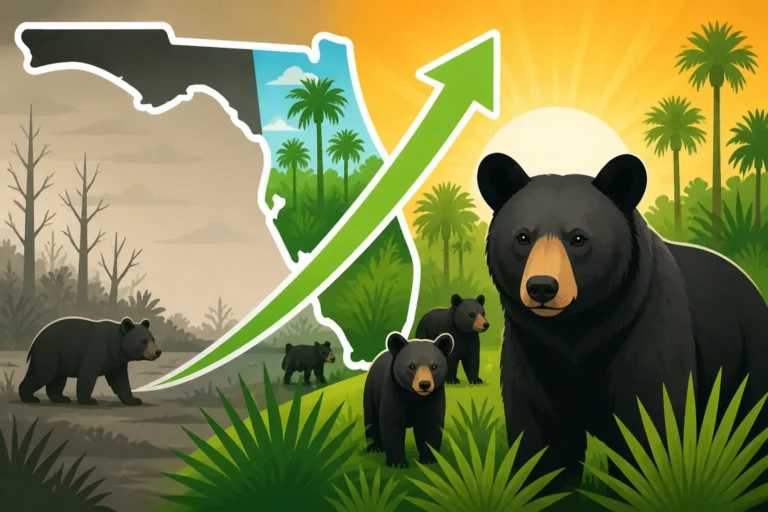
Perhaps the most compelling success story is the population rebound itself. From those dismal numbers of 20-30 individuals, seeing the population grow to well over 100, and potentially pushing towards 200 or more, is an incredible testament to years of tireless work. This recovery is a stark contrast to the challenges faced by many endangered species and stands as a beacon of hope. When you look at the successful recovery of the Florida panther, it makes you appreciate the efforts that go into managing other large, once-threatened populations, like understanding How Many Black Bears Live in Florida and their own journey back from low numbers. The panther's story shows that with enough dedication and scientific application, even the most dire situations can be improved.
The Path Ahead for Florida Panther Survival and Expansion
Looking ahead, the future of the Florida panther, while promising, still requires unwavering commitment and adaptive strategies. The ultimate goal is to move beyond merely sustaining the current population and towards establishing multiple viable breeding populations outside the core Southwest Florida area. This would ensure the species' long-term survival, making it less vulnerable to localized threats.
Continued Habitat Protection and Restoration
The absolute cornerstone of panther recovery is the continued protection and expansion of their habitat. This means preventing further fragmentation of existing wildlands and, crucially, restoring connectivity between isolated patches. Land acquisition programs and conservation easements play a vital role in securing critical corridors that allow panthers to disperse safely and access new territories. Imagine trying to hunt a deer herd without understanding the landscape; these cats are doing that for survival. Protecting these "wildways" allows for the natural expansion we're beginning to see. Understanding Florida Trespass and Permission Law is important not just for hunters, but also for appreciating the value of large, contiguous private and public lands for wildlife like panthers.
Mitigating Human-Panther Conflict
As panthers expand their range, their encounters with humans will inevitably increase. Education is paramount to fostering coexistence. Residents in panther country need to understand panther behavior, how to secure livestock, and what to do if they encounter a panther. Responsible practices, such as bringing pets in at night and keeping yards free of attractants, reduce the likelihood of negative interactions. After all, if we expect people to take Florida Hunter Education Requirements to safely interact with game, it's just as important for all residents to understand living alongside predators. Any violation of wildlife protection, especially involving a protected species like the panther, can lead to severe Florida Wildlife Violation Penalties.
Genetic Diversity and Ongoing Monitoring
While the genetic restoration was successful, ongoing vigilance is essential. Biologists will continue to monitor the population's genetic health, ready to intervene if signs of inbreeding or genetic drift reappear. This constant scientific oversight ensures the gains made are not lost. Modern tools, including those used by platforms like GoHunt to analyze habitat and movement patterns for game animals, can sometimes offer analogous insights into the broader ecological dynamics that affect panthers, even if not directly tracking them.
Encouraging Natural Expansion
The northward movement of panthers is a hopeful sign. Supporting this natural expansion means ensuring there are safe passages for these pioneer cats and that suitable habitat awaits them. This includes areas like Ocala National Forest Hunting and other large tracts of state and national forest land in Central Florida. The long-term vision is for panthers to once again inhabit significant portions of their historic range, not just a single, vulnerable population.
The Role of Technology and Research
Advancements in remote sensing, drone technology, and DNA analysis continue to provide invaluable tools for monitoring panther populations, understanding their health, and identifying critical habitat needs. Researchers rely on this data to make informed management decisions. Much like a hunter uses a tool like GoHunt to scout new areas or track game movements from home, conservationists utilize various mapping and data analysis platforms to understand complex wildlife patterns and ensure effective protection for animals like the panther.
Public Support and Conservation Funding
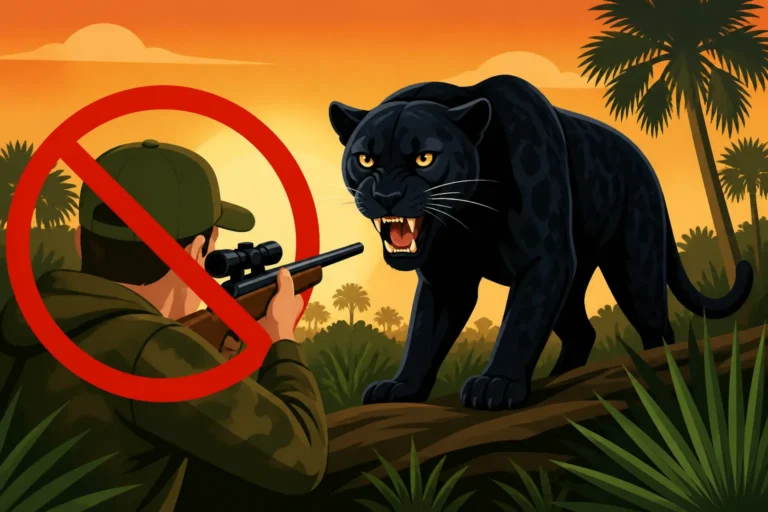
Ultimately, the future of the Florida panther rests on continued public support and adequate funding for conservation initiatives. From wildlife agencies to private land trusts, these efforts require resources, volunteers, and a collective belief in the value of preserving Florida’s natural heritage. Understanding which animals are protected, like knowing that panthers are one of the Game You Cannot Hunt in Florida, is a fundamental part of responsible engagement with our wild spaces.
The Florida panther's story is far from over. It's a living testament to past mistakes, incredible intervention, and ongoing dedication. While the recovery numbers offer immense encouragement, they also serve as a constant reminder that the work to ensure these magnificent cats roam Florida's wild heart for generations to come is a continuous journey.
Disclaimer
This article is for general informational purposes only and does not constitute professional advice. Laws, prices and regulations vary by location and change over time. Consult a qualified professional for guidance on your specific situation.