Why You Cannot Hunt Florida Panthers
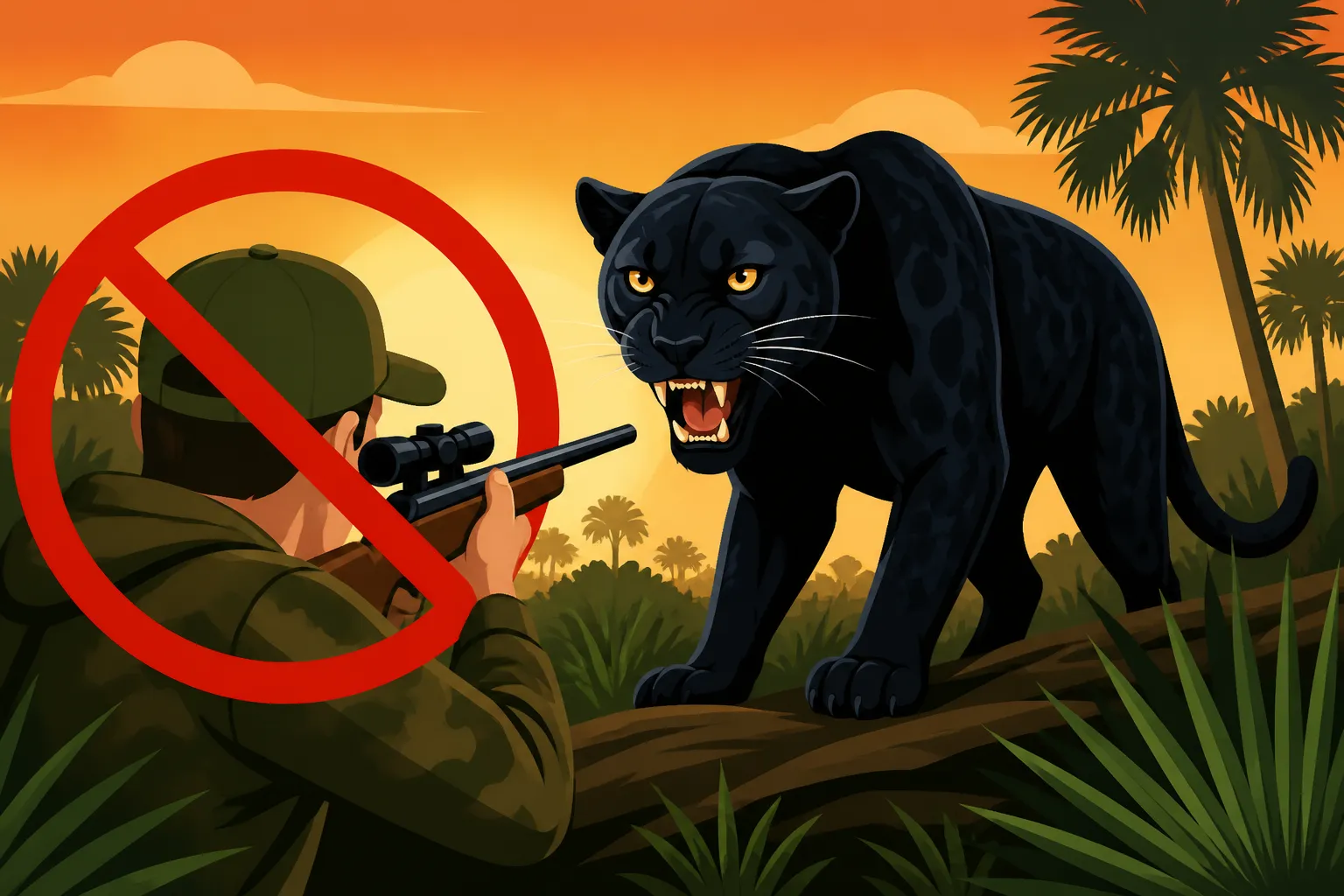
It’s a truly awe-inspiring moment to catch a glimpse of a Florida panther in the wild. For many hunters, seeing such a magnificent apex predator can spark a natural question: why can't we pursue this incredible animal? The truth is, the Florida panther holds a unique and critical place in our state’s ecosystem and is protected by law, a testament to its incredibly fragile journey back from the brink. This guide will delve into the history, legal protections, and vital ecological role that explain why hunting the Florida panther is not permitted.
The Florida Panther's Perilous History
For generations of Floridians, the Florida panther was little more than a ghost story, a whispered legend of the deep woods. Their population dwindled to critically low numbers, making any sighting incredibly rare and often disputed. Understanding their past is key to appreciating their current protected status.
A Legacy of Decline
Just a few decades ago, the Florida panther was teetering on the precipice of extinction. This isn't just a sad statistic; it represents a tragic period where their natural habitat was systematically fragmented and destroyed to make way for the burgeoning human population. Swamps were drained, forests cleared, and the vast, wild expanses these cats needed to thrive shrunk dramatically. On top of that, human conflict, often driven by fear or a misunderstanding of their role, led to direct persecution. Before adequate protections were in place, panthers were sometimes shot due to perceived threats to livestock or even just out of ignorance. When you factor in the increasing number of roads carving through their remaining territories, leading to vehicle collisions, it’s easy to see why their numbers plummeted. By the mid-1990s, the entire known population was estimated to be fewer than 30 individuals, all confined to a small area of southwest Florida. It was a truly dire situation that highlighted the devastating impact of unchecked development and human expansion.
Imagine a time when the very thought of seeing a panther track was almost unheard of, let alone catching a fleeting glimpse of the animal itself. This extreme scarcity meant that the remaining panthers were largely isolated, leading to an even more critical threat: genetic decline. With such a small, inbred population, health issues like heart defects, immune system deficiencies, and reproductive problems became rampant. It was a vicious cycle where a declining population led to genetic problems, which in turn further hindered their ability to recover naturally. This wasn't just a local issue; it was a national wake-up call about the fragility of apex predators and the importance of maintaining robust, healthy genetic diversity within wild populations. Conservationists and biologists knew that without drastic intervention, the Florida panther was doomed to vanish forever.
Genetic Bottleneck and Recovery Efforts
The genetic bottleneck the Florida panther experienced was perhaps the most critical challenge to its survival. With such a small number of breeding adults, the gene pool became incredibly shallow, leading to widespread inbreeding. This resulted in a host of severe health problems, including kinked tails, heart murmurs, undescended testicles in males, and a weakened immune system. Biologists observed these physical abnormalities and realized that the panthers were literally dying out from within. It was a stark reminder of how interconnected population size and genetic health truly are, especially for a species at the top of the food chain. The situation was so dire that some even questioned if the Florida panther could ever truly recover its vigor.
In a bold and controversial move in the mid-1990s, wildlife managers decided on a radical intervention: they introduced eight female cougars from Texas into south Florida. The idea was to infuse new genetic material into the struggling panther population, effectively "rescuing" the species from its genetic dead end. These Texas cougars were a closely related subspecies, and the hope was that their offspring would be healthier and more robust, carrying the genetic diversity needed for long-term survival. This wasn't a decision made lightly, as it raised questions about the "purity" of the Florida panther subspecies. However, without this intervention, extinction was almost certainly guaranteed.
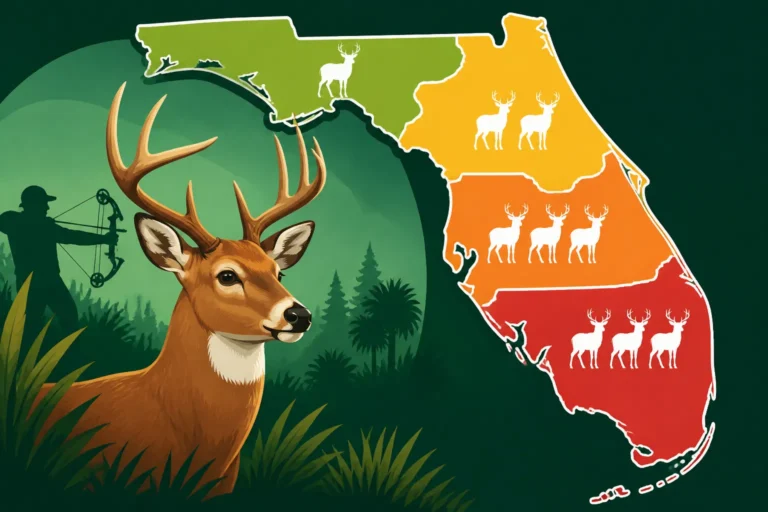
The results of this genetic rescue program have been nothing short of remarkable. The introduced genes quickly spread throughout the panther population, and biologists observed a dramatic reduction in birth defects and an increase in overall health and vigor. The population began to slowly, steadily climb, expanding its range further north than it had in decades. Today, the Florida panther population is estimated to be between 120 and 230 individuals, a significant increase from those desperate low numbers. While still critically endangered, this comeback is a testament to dedicated conservation efforts and the resilience of nature when given a fighting chance. It’s a success story we can all take pride in, even if it means we respect their protected status. For hunters wondering about the overall health of Florida's deer herds, which panthers prey on, you can find more information in our guide on Florida's Four Deer Management Zones Explained.
Legal Protections and Conservation Status
It’s one thing for a species to be rare, but another for it to have the full weight of the law behind its protection. The Florida panther's journey from near extinction to its current, albeit still vulnerable, state is largely due to comprehensive legal safeguards at both the state and federal levels. These protections are non-negotiable and strictly enforced.
State and Federal Safeguards
The Florida panther is listed as an endangered species under both the federal Endangered Species Act (ESA) and the Florida Endangered and Threatened Species Act. This dual protection offers a robust shield against any activities that could harm panthers or their habitat. Under the ESA, it is illegal to "take" (which includes harass, harm, pursue, hunt, shoot, wound, kill, trap, capture, or collect, or to attempt to engage in any such conduct) an endangered species. This isn't just about direct harm; it also covers habitat modification or degradation that might injure panthers by significantly impairing essential behavioral patterns, including breeding, feeding, or sheltering. The penalties for violating these federal laws are severe, involving substantial fines and potential imprisonment. For many hunters, understanding these strict rules is paramount. It’s why you’ll often find signs in areas like Hunting the Everglades and Big Cypress reminding you of panther presence.
Florida's state laws mirror and often supplement the federal protections, providing an additional layer of security for the panther. The Florida Fish and Wildlife Conservation Commission (FWC) is the lead agency responsible for panther conservation and management within the state. They actively work to protect panthers through a variety of programs, including monitoring, research, land acquisition, and public education. The state designation reinforces the importance of preserving this iconic animal as a part of Florida's unique natural heritage. For instance, many Florida Wildlife Management Areas are carefully managed to not only provide hunting opportunities for game species but also to protect and enhance habitat for endangered species like the panther, often requiring specific rules for human activity.
The designation of endangered status isn't just a label; it triggers specific requirements for any project or activity that might impact panthers or their habitat. This includes land development, road construction, and even certain agricultural practices. Environmental reviews are mandatory, and mitigation measures are often required to minimize or offset any unavoidable impacts. These regulations are designed to prevent the further loss of critical habitat, which remains the single biggest threat to the panther's long-term recovery. It means that every time a new housing development or highway is proposed in panther country, wildlife agencies and developers have to seriously consider the impact on these magnificent cats and take steps to protect them.
The Role of Conservation in Management
The FWC's conservation efforts are multi-faceted, focusing on not just legal protection but active management strategies to help the panther population grow and expand. A cornerstone of this is habitat protection and restoration. Panthers need large, contiguous tracts of undeveloped land to hunt, breed, and disperse. Agencies, often with the support of conservation groups, actively acquire land and establish wildlife corridors to connect existing habitats, helping panthers move safely between different areas. This is crucial for their survival, as fragmentation of their territory leads to isolation and increased conflict with humans. Many of these efforts also benefit other species, including the White-Tailed Deer Across Florida and Feral Hogs Across Florida, which are primary food sources for panthers.
Monitoring the panther population is another critical aspect of conservation. Biologists use a variety of techniques, including trail cameras, radio telemetry, and scat analysis, to track individual panthers, study their movements, reproductive success, and overall health. This data is vital for understanding population trends, identifying potential threats, and evaluating the effectiveness of conservation strategies. It helps wildlife managers make informed decisions about where to focus their efforts and how to best protect this elusive predator. If you use a mapping tool like GoHunt to scout public lands, you might notice areas designated as "Critical Wildlife Areas" or "Panther Protection Zones," indicating these concentrated conservation efforts.
Public awareness and education also play a significant role. Many Floridians are passionate about the panther, and understanding their plight helps foster a sense of shared responsibility for their recovery. The FWC provides resources and information to educate residents and visitors about living and recreating safely in panther country, reducing human-wildlife conflicts. This includes advising on how to secure livestock, manage pets, and what to do if you encounter a panther. Programs like the Florida Panther Protection Program are designed to engage communities and encourage coexistence, knowing that ultimately, the panther's future depends on human tolerance and commitment. For those interested in tracking game or understanding habitat, tools like GoHunt can provide useful insights into land features that support a diverse range of wildlife, including panthers.
Understanding the Panther's Ecological Importance
It's easy to just see the Florida panther as a cool, rare animal, but its role in the ecosystem is far more profound. As an apex predator, it sits at the very top of the food chain, and its presence is a strong indicator of a healthy, functioning natural environment.
Apex Predator in the Ecosystem
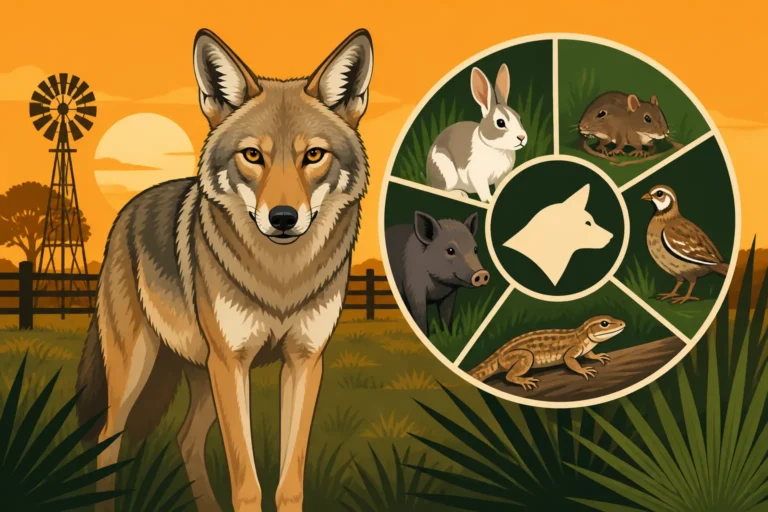
Panthers are what we call an "apex predator," meaning they are at the top of their food chain and have no natural predators themselves (aside from other panthers in territorial disputes, or human impact). In Florida, the panther primarily preys on white-tailed deer, feral hogs, raccoons, and armadillos. This dietary preference means they play a crucial role in regulating the populations of these prey species. Without panthers, deer and hog numbers could potentially explode, leading to overbrowsing of vegetation and significant damage to agricultural lands and natural habitats. Think about how many Year-Round Hog Hunting in Florida opportunities exist because of high hog populations; panthers naturally help to keep these numbers in check in their territories.
Their presence helps maintain a delicate balance within the ecosystem. By selectively preying on the weak, old, or sick animals, panthers contribute to healthier, more robust prey populations. This "natural selection" process strengthens the overall health and genetic fitness of deer and hog herds. It's a critical function that often goes unseen but is absolutely essential for the long-term vitality of Florida’s wildlands. A landscape with panthers indicates a rich, diverse, and well-managed environment, reflecting a complete food web from the smallest insects to the largest predators.
The panther's recovery is, therefore, a victory not just for the species itself, but for the entire Everglades and other vital ecosystems it inhabits. It's a signal that efforts to preserve large, connected tracts of wilderness are working, and that the natural processes within these areas are beginning to function as they should. Protecting the panther means protecting the vast, wild places of Florida that many other species, including countless game animals, also call home. When you're Scouting Florida Public Land Before Season, remember that the health of that land, from the palmetto scrub to the cypress swamps, is tied to the health of its apex predators.
Coexisting with Panthers
Living in Florida, especially in the southern and central parts of the state, means living in panther country. While direct encounters are rare, it’s vital to understand how to coexist safely with these powerful animals. The key message is always respect their wild nature and give them space. Panthers are generally shy and reclusive, preferring to avoid human contact. If you happen to be lucky enough to see one, consider yourself privileged and observe from a distance, never approaching or attempting to feed it. This is a wild animal that needs to remain wild.
For residents and hunters, this means taking some common-sense precautions. If you live in an area with known panther activity, securing pets at night and enclosing livestock in predator-proof pens can go a long way in preventing conflicts. Keep your yard clear of dense brush where prey animals might hide, which in turn could attract panthers. On the hunting side, if you're out in the deep woods, particularly in prime panther habitat like Big Cypress or the Green Swamp, be aware of your surroundings. While a panther attack is extremely rare, knowing what to do – make yourself look big, make noise, and slowly back away – can be helpful, just as you would with a bear or other large predator. Hunting Florida's Green Swamp is certainly an experience that makes you feel connected to wild Florida.
Ultimately, coexistence is about understanding and accepting the panther's place in Florida. Their return is a sign of ecological health, and while it requires some adjustments from us, it's a small price to pay for the presence of such a magnificent creature. Supporting conservation efforts, reporting sightings to the FWC, and practicing responsible outdoor ethics are all ways we can contribute to their continued recovery. Remember, a healthy ecosystem benefits everyone, from the smallest bug to the largest panther, and us.
What Hunters Can Do (Indirectly) to Help
Even though hunting panthers is strictly forbidden, hunters play an incredibly important, albeit indirect, role in the broader conservation efforts that benefit these magnificent cats. Our community’s dedication to habitat and wildlife management is a cornerstone of success for many species.
Habitat Preservation and Responsible Hunting
Hunters are, by nature, conservationists. The funds generated from hunting license sales, specific conservation stamps, and excise taxes on hunting equipment through programs like the Pittman-Robertson Act, directly contribute billions of dollars annually to wildlife habitat acquisition, restoration, and management across the country. In Florida, these funds are critical for maintaining and expanding the large, interconnected tracts of wild land that panthers absolutely need to survive and thrive. When you purchase a Florida Hunting Licenses and What They Cost or a The Florida WMA Management Area Permit, a portion of that money goes towards managing public lands, which are often also prime panther habitat.
Responsible hunting practices also indirectly benefit panthers. By participating in regulated seasons for species like deer and hogs, hunters help manage populations within ecological carrying capacities. While panthers are natural predators of these animals, regulated hunting can sometimes help reduce localized overpopulation that might otherwise strain habitat resources, benefiting the entire ecosystem. Furthermore, hunters often act as extra eyes and ears in the woods, reporting unusual wildlife activity or potential threats to agencies like the FWC. Our collective presence and connection to the land mean we are often the first to notice changes that could impact endangered species.
Supporting land conservation organizations and initiatives is another powerful way hunters can contribute. Many groups work tirelessly to acquire and protect large parcels of undeveloped land, preventing fragmentation and ensuring that wildlife corridors remain open. These efforts directly benefit panthers by providing them with the expansive territories they require for successful breeding and dispersal. It's a reminder that wildlife conservation is a team effort, and hunters are a vital part of that team, ensuring that future generations can also experience the thrill of Florida’s wild places and, perhaps, catch a glimpse of a panther.
Reporting Sightings and Road Mortality
One of the most valuable contributions hunters and other outdoor enthusiasts can make to panther conservation is simply being observant and reporting what they see. Every panther sighting, every track, every road-killed animal provides crucial data for biologists. These reports help wildlife managers understand panther distribution, movement patterns, and overall population health. If you're out hunting deer and come across fresh panther tracks or even see a panther, logging that information with the FWC (through their website or app) is incredibly helpful. This kind of citizen science is a cornerstone of modern wildlife management and offers vital, real-time data that traditional scientific studies can't always capture. Using a detailed mapping app like GoHunt to mark your location when you see something important can also be a huge help to researchers trying to understand panther movements across the landscape.
Road mortality is, unfortunately, a significant threat to Florida panthers, especially as they expand their range and cross more roads. Every year, a number of panthers are killed by vehicles. While tragic, reporting these incidents immediately to the FWC is absolutely critical. Biologists will respond to collect the carcass, conduct a necropsy, and gather vital information about the animal's age, health, and genetics. This data is invaluable for understanding the causes of death, identifying collision hotspots, and informing future road design and mitigation efforts, such as underpasses and fencing. Without these reports, a significant piece of the panther puzzle would be missing.
In essence, by being vigilant and reporting observations, hunters become direct partners in panther conservation. You're not just enjoying the outdoors; you're actively contributing to the scientific understanding and protection of an iconic, endangered species. This commitment goes beyond just game animals and extends to the entire natural heritage of Florida. It's about respecting all wildlife and ensuring that the wild heart of Florida, symbolized by the panther, continues to beat strong.
| Reason for Protection | Details | Conservation Impact | Hunter's Indirect Role |
|---|---|---|---|
| Endangered Species Status | Federally and state protected due to critically low population numbers and genetic bottleneck. | Prohibits harm, harassment, and habitat destruction; mandates recovery plans. | Supporting conservation land acquisition through license fees; responsible land use. |
| Genetic Rescue Success | Intervention with Texas cougars in the 1990s saved the population from inbreeding and associated health issues. | Led to a slow but steady population rebound and healthier animals. | Appreciation for science-based wildlife management; understanding complex conservation challenges. |
| Habitat Loss & Fragmentation | Historically, development and roads significantly reduced and divided their range, leading to isolation. | Focus on acquiring, protecting, and connecting large tracts of land and establishing wildlife corridors. | Contributing to public land management; supporting habitat initiatives; being aware of land boundaries. |
| Apex Predator Role | Essential for maintaining healthy ecosystems by regulating prey populations (deer, hogs) and promoting genetic fitness. | Indicates a healthy environment; contributes to overall biodiversity. | Managing game species responsibly; understanding ecosystem balance. |
| Road Mortality | Vehicle collisions are a major cause of death, especially as panthers expand their range. | FWC monitors incidents, researches hotspots, and implements mitigation measures (e.g., wildlife crossings). | Reporting sightings and road-killed panthers to FWC for data collection. |
Disclaimer
This article is for general informational purposes only and does not constitute professional advice. Laws, prices and regulations vary by location and change over time. Consult a qualified professional for guidance on your specific situation.