Average Weight of a Florida Black Bear
Many folks living in or visiting Florida are fascinated by our native wildlife, and the Florida black bear is often at the top of that list. There's a lot of curiosity about just how big these creatures truly get, and it's easy to overestimate or underestimate their average size. This guide aims to shed some light on the typical weight of a Florida black bear, diving into what influences their heft, how they grow, and what makes them unique compared to their relatives in other regions.
Understanding the Average Weight of a Florida Black Bear
When we talk about the average weight of a Florida black bear, it's important to understand that this isn't a static number. Bears, like people, come in all shapes and sizes, and their weight can fluctuate dramatically based on factors like age, sex, and the time of year. However, we can certainly establish some typical ranges to give you a clearer picture.
General Weight Ranges for Florida Bears
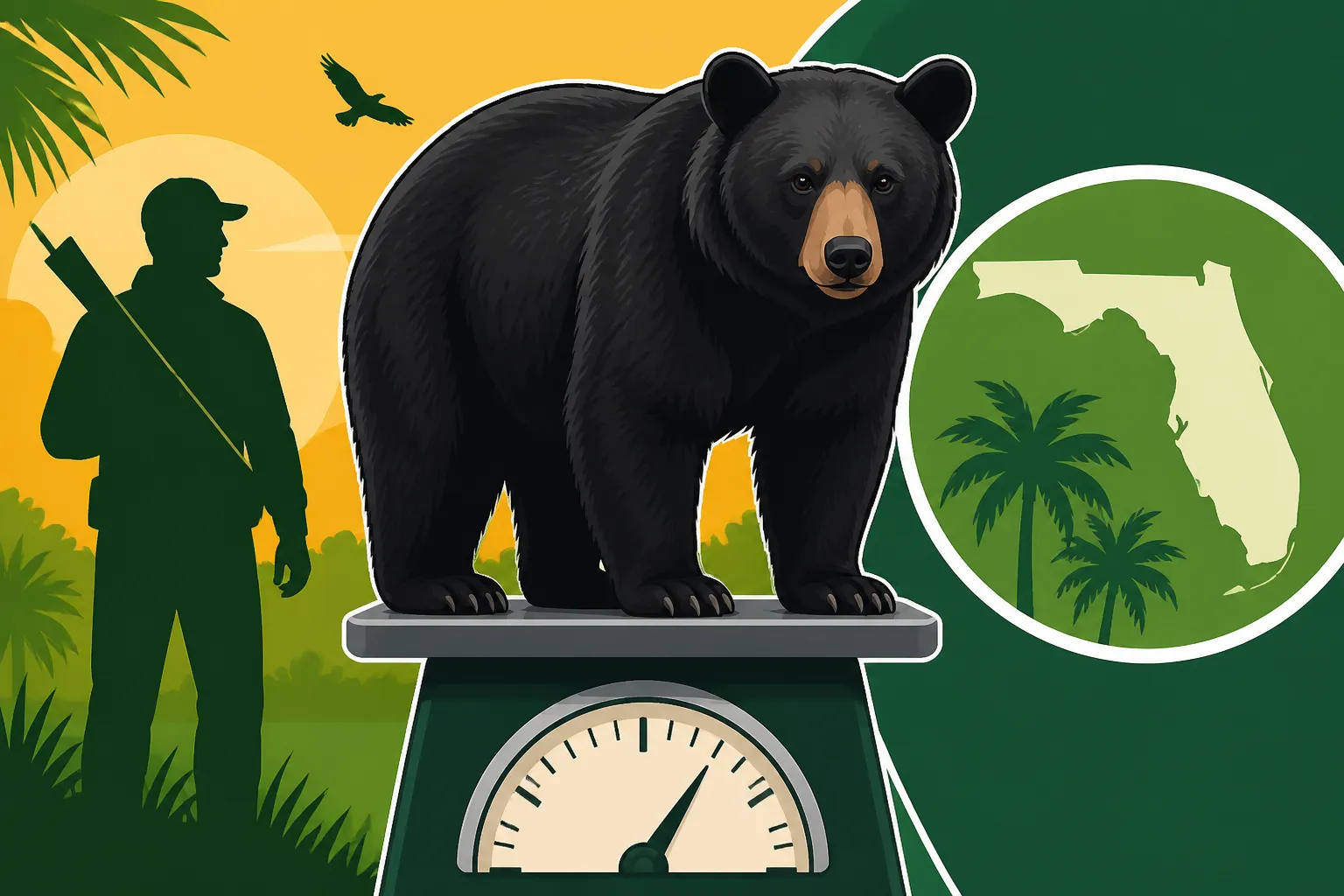
Generally speaking, adult male Florida black bears, often referred to as boars, tend to be significantly larger than adult females, known as sows. A mature sow might typically weigh anywhere from 120 to 180 pounds, though some larger individuals have been observed to exceed 200 pounds, especially just before denning season when they've packed on extra fat. For boars, the typical range is quite a bit higher, often between 200 and 350 pounds. There have been documented cases of exceptionally large males pushing past the 400-pound mark, and even some rare giants topping 500 pounds, but these are certainly not the norm. So, while you might hear tales of enormous bears, the average bear you encounter in the wild is likely within these more modest ranges. Hunters participating in Florida's Reinstated Bear Hunting Season, for instance, often find that the bears they encounter fit these general descriptions, even if they occasionally see one that pushes the upper limits.
It’s easy to see how one might be surprised by these numbers if they're used to bears from colder climates. Florida's black bears, while substantial, aren't generally as massive as some of their counterparts further north. This is due to a combination of factors we'll explore, including climate and diet. When looking at populations, you might even consider how the Florida Bear Population Estimate informs these averages.
Seasonal Weight Fluctuations
A bear's weight isn't consistent throughout the year; it's a dynamic figure that changes with the seasons. During the spring, after emerging from their winter dens, bears are at their leanest. They've used up much of their fat reserves over the cooler months, and their primary focus shifts to finding food to replenish their energy. This is a critical period for survival and recovery.
As summer progresses and into the fall, bears enter a phase known as hyperphagia, a period of excessive eating. This is when they actively forage for high-calorie foods like acorns, berries, and palmetto fruit to build up thick layers of fat for the upcoming cooler months. It's during late fall that Florida black bears reach their peak annual weight, sometimes adding 30-50% to their spring weight. This fat layer is crucial for insulation and provides the energy reserves needed for survival during periods of scarcity or denning. This seasonal variability is why any "average" weight is always a snapshot, often reflecting a healthy bear during its pre-denning peak.
Factors Influencing Black Bear Size in the Sunshine State
The size and weight of a Florida black bear aren't just random; they're the result of a complex interplay of environmental and biological factors. Understanding these influences helps us appreciate the resilience and adaptability of these magnificent animals.
Diet and Food Availability
Perhaps the most significant factor influencing a bear's weight is its diet and the availability of food. Florida's natural landscapes, from dense swamps to pine flatwoods and oak hammocks, offer a diverse array of food sources. Black bears are omnivores, meaning they eat both plants and animals. Their diet primarily consists of natural vegetation such as palmetto berries, acorns, saw palmetto hearts, fruits, and various nuts. They'll also consume insects, grubs, small mammals, and carrion.
The abundance of these natural food sources directly impacts a bear's ability to gain and maintain weight. In years with a prolific acorn crop, for example, bears can put on substantial weight very quickly, leading to healthier, heavier individuals. Conversely, poor mast years can result in leaner bears, especially going into the cooler months. Unfortunately, human-related food sources, such as garbage, pet food, and intentional feeding, also play a role. While these can lead to bears that seem larger due to readily available, high-calorie food, they often come with negative consequences for the bears, leading to conflicts with humans and an unhealthy reliance on unnatural diets. This is why careful management of human-wildlife interactions is so vital.
Habitat Quality and Regional Differences
The quality of the bear's habitat plays a crucial role in its overall health and, consequently, its size. Habitats that offer a rich diversity of food sources, adequate cover for denning and safety, and access to water tend to support healthier, larger bears. Florida's various ecosystems provide different levels of support. For example, bears living in areas like the Ocala National Forest, which is rich in oak hammocks and diverse plant life, might have access to a more consistent and varied diet compared to bears in more fragmented or less productive habitats.
Florida's black bear population is distributed across several distinct subpopulations, and their sizes can vary slightly by region. Bears in the more rural, wilder regions of the Florida Panhandle, for instance, might display different average weights than those in the more developed parts of Central Florida, where human food sources might be more prevalent. Wildlife managers, using tools like those found on GoHunt, often monitor specific habitat zones to understand how factors like prescribed burns or timber harvests might affect food availability and, by extension, bear health. If you're looking for information on Florida's Thirty-One Bear Hunting Counties, you'll find that habitat diversity is a key component in understanding bear presence and size.
Age and Sex of the Bear
As mentioned earlier, age and sex are primary determinants of a bear's weight. Young cubs are born tiny, usually weighing less than a pound, and grow rapidly during their first year. By the time they are yearlings (one to two years old), they've grown considerably but are still considered sub-adults. They continue to grow and gain weight until they reach full maturity, typically around 5-7 years of age. After this point, their weight stabilizes, though it can still fluctuate seasonally.
Sex is another critical factor. Male bears, or boars, have a physiological drive to grow larger than females, or sows. This larger size offers advantages in competition for mates and resources. Sows, on the other hand, divert significant energy towards reproduction – gestation, birthing, and nursing cubs – which can impact their growth rate and peak weight. A sow that is actively nursing cubs will often be leaner than a sow without cubs, as the demands of feeding her offspring take a toll on her fat reserves.
Growth Stages and Peak Weights
Understanding the life cycle of a Florida black bear provides insight into how they reach their impressive size. From tiny, vulnerable cubs to powerful, mature adults, each stage brings significant changes in weight and development.
From Cub to Juvenile
A Florida black bear's journey begins in the den, typically in late winter or early spring. Born blind, helpless, and weighing less than a pound, cubs are entirely dependent on their mother's milk. The sow's fat reserves, built up during the fall, are crucial for sustaining herself and her demanding offspring through this period. By the time cubs emerge from the den with their mother in spring, they will have grown substantially, often weighing several pounds and being much more active and aware of their surroundings.
Throughout their first year, cubs stay with their mother, learning vital survival skills such as foraging, identifying danger, and finding suitable den sites. Their weight gain is steady as they consume milk and begin to incorporate solid foods into their diet. By the end of their first year, they are often referred to as yearlings, and their size can vary widely depending on food availability and the health of the sow, but they will still be much smaller than adult bears. They're still growing quickly, but their main goal is to put on enough fat to survive their first cooler season on their own or with their mother.
Sub-Adult Development and Maturation
Sub-adult bears are those individuals typically between one and five years old. During this phase, they continue to grow both in stature and weight. Young males will often disperse from their mother's territory to establish their own, sometimes traveling significant distances. This period is critical for developing strength and learning independence. Their diet becomes more varied, and they spend a great deal of time foraging to support their rapid growth.
Males tend to reach their maximum size and weight later than females, often around 6-8 years of age. Females typically reach reproductive maturity earlier, around 3-4 years old, and their growth slows as energy is diverted to gestation and raising cubs. A healthy sub-adult bear, if it finds ample food sources, can gain a considerable amount of weight each year leading up to maturity. For hunters or wildlife enthusiasts interested in the nuances of bear populations, platforms like GoHunt can provide maps and data that illustrate habitat types preferred by bears at different life stages, offering clues to where healthier, larger specimens might reside.
Peak Weight and Longevity
Florida black bears generally reach their peak weight as mature adults, typically between the ages of 6 and 15 years. It is within this age range that they exhibit the average weights discussed earlier – 120-180 pounds for sows and 200-350 pounds for boars, with outliers exceeding these figures. These peak weights are usually achieved in the late fall, as bears are preparing for the cooler months, having capitalized on the bounty of seasonal foods like acorns and berries. Their overall health, access to consistent food sources, and the lack of significant stressors contribute to reaching and maintaining these peak weights.
While bears can live into their late teens or even early twenties in the wild, their peak physical condition and weight usually occur in their prime adult years. As bears age past their prime, their weight might gradually decline due to wear and tear, dental issues, or decreasing foraging efficiency. Understanding these life stages helps us appreciate the full trajectory of a bear's growth and the environmental factors that shape its ultimate size. This comprehensive view is essential whether you're interested in Florida Bear Den Study Findings or simply observing these creatures in their natural habitat.
Comparing Florida Bears to Northern Cousins
It's natural to wonder how Florida's black bears stack up against those found in other parts of North America. While they share the same species name, Ursus americanus, there are some notable differences in average size and characteristics influenced by their unique Floridian environment.
Florida's Unique Ecological Niche
Florida black bears are a subspecies, Ursus americanus floridanus, distinct from many of their northern relatives. The Sunshine State's subtropical climate and unique ecosystems provide a different set of challenges and opportunities for bears. Unlike bears in colder climates that face prolonged periods of deep hibernation, Florida bears experience a more variable denning period. While they do enter dens, it's often a less profound state of torpor, and they may emerge more frequently, especially in warmer winters. This means they are metabolically active for more of the year, burning calories over a longer period, which can influence their overall weight retention.
The food sources also differ. While northern bears feast on abundant salmon runs and diverse berry crops, Florida bears rely heavily on hard mast (like acorns) and soft mast (like palmetto berries, wild grapes, and plums) available throughout the year. The consistency and caloric density of these foods can vary, impacting the bears' ability to pack on extreme weights. Florida's mostly flat terrain also offers unique challenges and advantages. Bears here don't have the same vast, uninterrupted wilderness areas as in some western or northern states, but they do thrive in dense, often wet, habitats that provide excellent cover. This specific ecological niche is a key reason why their average weights tend to be within a certain range.
Size Differences Explained
The primary reason Florida black bears generally have a lower average weight than some of their northern cousins boils down to a few key factors: climate, diet, and physiological adaptations.
- Climate and Denning: Bears in northern latitudes must survive extremely cold, prolonged winters with scarce food. They undergo true hibernation, relying on massive fat reserves. This evolutionary pressure favors individuals who can pack on extraordinary amounts of weight. Florida bears, with milder winters, don't face the same extreme selective pressure for maximum fat accumulation. Their "denning" might be more about resting and protecting cubs than surviving months of deep freeze.
- Food Availability: While Florida has diverse food sources, they are different from those found in other regions. For example, the availability of large, calorie-rich protein sources like salmon or carrion from large ungulates (deer, elk, moose) in vast northern forests can contribute to larger bear sizes. Florida's deer are generally smaller than those in some northern states, and while bears will prey on fawns or scavenge deer, it's not the same consistent, high-calorie food source as found elsewhere.
- Genetics: While all black bears, there can be subtle genetic differences between subspecies that influence average size. The Florida black bear subspecies has evolved within its specific environment over millennia, leading to adaptations that make it well-suited for Florida, which may include a generally more moderate size compared to, say, the massive black bears sometimes found in coastal regions of Alaska or the dense forests of Canada.
Despite these differences, Florida's black bears are remarkably robust and perfectly adapted to their environment. They are a testament to nature's ability to shape species to fit their surroundings. When you see a healthy, wild Florida black bear, you're looking at a formidable and impressive animal, regardless of how its weight compares to bears from vastly different ecosystems. You can learn more about how Florida's Black Bear Population Rebounded Since the 1970s and how these animals have thrived against the odds.
Typical Weight Range Summary
To provide a quick reference, here's a general overview of typical weight ranges for Florida black bears. Remember, these are averages, and individual bears can fall outside these ranges.
| Category | Typical Weight Range (Pounds) | Peak Season (Approx.) | Notes |
|---|---|---|---|
| Adult Male (Boar) | 200 – 350 | Late Fall | Can exceed 400 lbs, especially prime, healthy individuals |
| Adult Female (Sow) | 120 – 180 | Late Fall | Can exceed 200 lbs, especially non-nursing females |
| Yearling (1 year) | 40 – 80 | Variable | Still growing, highly dependent on sow's health and food |
| Sub-Adult (2-4 years) | 80 – 150 | Variable | Continued growth, approaching maturity |
Understanding the average weight of a Florida black bear is more than just a number; it's a window into their lives, their habitat, and the delicate balance of Florida's ecosystems. From the tiny, vulnerable cub to the massive, fat-laden boar preparing for winter, each stage and each individual tells a story of survival and adaptation in the unique environment of the Sunshine State. The next time you're out exploring, perhaps even using a mapping tool from GoHunt to scout new areas, you'll have a better appreciation for the bears that call these wild places home.
Disclaimer
This article is for general informational purposes only and does not constitute professional advice. Laws, prices and regulations vary by location and change over time. Consult a qualified professional for guidance on your specific situation.