Florida Duck and Goose Numbers
Trying to get a handle on duck and goose numbers in Florida can feel a bit like chasing a flock in a hurricane. They're here today, gone tomorrow, and the data always seems to be a moving target. This guide is going to walk you through the realities of waterfowl populations in our unique state, shedding light on what influences these numbers and what you can generally expect to see season after season.
Understanding Florida's Waterfowl Landscape
Florida is a fascinating place for waterfowl, not just because of our resident populations but also because we're a critical wintering ground for birds migrating down the Atlantic Flyway. This means our "numbers" aren't just about the ducks and geese born and raised here, but also the transient visitors that make up a huge part of the hunting opportunity. It’s a dynamic system, heavily influenced by weather patterns up north, habitat conditions both on their breeding grounds and here in Florida, and, of course, hunting pressure. If you're passionate about waterfowl, knowing these dynamics helps you appreciate the seasons even more.
Resident vs. Migratory Populations
When we talk about duck and goose numbers, it's really a tale of two distinct groups. First, you have our year-round residents. The most prominent among these is the Mottled Duck, a true Florida native that spends its entire life cycle in our marshes, sloughs, and wet prairies. Then there are the Wood Ducks, which have a healthy resident population, particularly in areas with wooded swamps and cypress stands. These birds don't travel far, so their numbers are primarily affected by local habitat quality, nesting success, and predation.
On the other hand, migratory waterfowl descend upon Florida starting in the late fall, bringing with them a vast influx of birds from colder climates. These are the ducks and geese that make up the bulk of our winter hunting opportunities. Pintails, Wigeon, Gadwall, various Teal species, Ringnecks, Scaup, and even a few diving ducks all make their way south. For these species, their numbers in Florida are intrinsically linked to breeding success in the northern U.S. and Canada, as well as the severity of winter weather further north that pushes them down to our warmer climes. What you see flying over a North Florida marsh in December might have started its journey in Saskatchewan!
Factors Influencing Annual Fluctuations
It's tempting to think that duck numbers are consistent year after year, but any seasoned waterfowler will tell you that's simply not the case. Several major factors cause these annual swings. Weather is a huge one; a mild winter up north means ducks might not push as far south into Florida, staying in states like Arkansas or Louisiana. Conversely, a hard freeze can send them pouring into the Sunshine State. Habitat conditions in Florida also play a critical role. Droughts can dry up crucial wetlands, concentrating birds in fewer areas or forcing them to bypass the state altogether. Excessive rainfall can flood vast areas, spreading birds out and making them harder to find.
Beyond that, the success of the breeding season on their northern nesting grounds directly impacts the overall population numbers. Good water conditions and healthy habitat lead to more broods surviving, meaning more ducks heading south in the fall. Wildlife agencies conduct extensive surveys to estimate these breeding populations, giving hunters a glimpse into what might be expected in the coming season. You can often find summaries of these surveys, which are essential reading for anyone serious about waterfowl.
Key Duck Species and Their Trends
Florida is truly blessed with a diversity of duck species, each with its own preferred habitats and population dynamics. While specific numbers are always estimates and vary, we can talk about general trends and what makes each species unique in our state. Understanding these helps you anticipate what you might encounter when you're out there Waterfowl Hunting Florida's Marshes or trying to decoy birds into a small pond.
Mottled Ducks: The Florida Natives
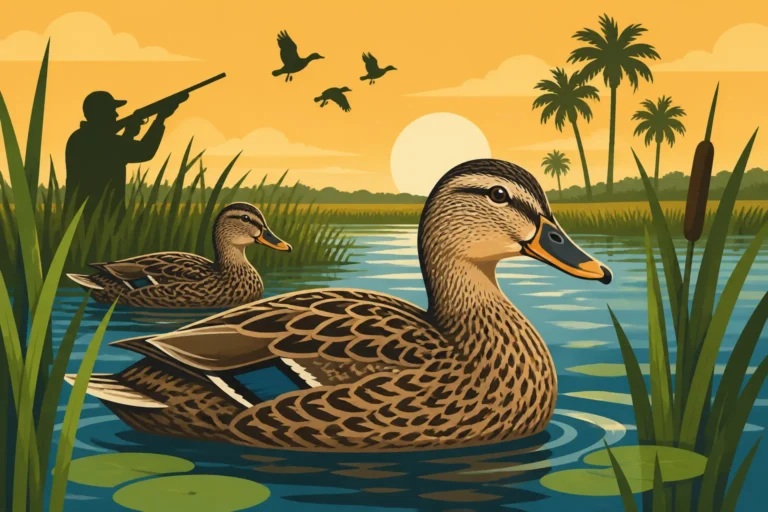
Our beloved Mottled Duck is perhaps the most iconic Florida waterfowl. Unlike most other dabblers, they rarely migrate, making them a true resident species. Their numbers are relatively stable, though local habitat degradation, particularly the loss of coastal marshes and wet prairies, can impact them. They prefer shallow, brackish, or freshwater marshes, often staying hidden in dense vegetation. They're a tough bird to hunt, known for being incredibly wary, and they provide a consistent, though often challenging, opportunity throughout the season. You won't find huge rafts of Mottled Ducks like you might with Ringnecks, but a dedicated hunter can often pick up a couple during a morning hunt.
Wood Ducks: Swamp Dwellers
Wood Ducks are another popular resident and short-distance migratory species found across Florida, especially in areas with wooded swamps, cypress sloughs, and flooded timber. These stunning birds are relatively common, and their numbers seem to be holding strong, thanks in part to successful conservation efforts and the widespread availability of nesting boxes. You'll often find them tucked away in tight, flooded woods, making for some exciting, close-quarters shooting. Their numbers can fluctuate locally based on water levels and food availability, like acorns and other seeds found in hardwood bottomlands. If you're Decoying Wood Ducks in a Cypress Slough, you know they have a particular knack for appearing out of nowhere.
Migratory Dabblers: Teal, Gadwall, Wigeon, and Pintails
When we talk about the big influx of ducks, we're usually talking about dabblers like Green-winged Teal, Blue-winged Teal, Gadwall, American Wigeon, and Northern Pintails. These birds make incredible journeys down the Florida's Place on the Atlantic Flyway. Blue-winged Teal are often the first to arrive, making their appearance during the early teal season, and can be quite numerous. Green-winged Teal tend to show up later in the main season and often stay longer. Gadwall and Wigeon are consistently present throughout the winter, with good numbers often found in freshwater marshes and agricultural fields. Pintails, with their elegant long necks, are a highly prized trophy, though their numbers can be more variable year to year. A platform like GoHunt can sometimes offer reports or insights into where these migratory birds are being seen, though their movements are always subject to change.
Diving Ducks: Ringnecks, Scaup, and Redheads
Florida's abundant large lakes and coastal estuaries also host healthy populations of diving ducks. Ring-necked Ducks are arguably the most common diver, often seen in massive rafts on freshwater lakes and ponds across the state. They provide excellent hunting opportunities, particularly later in the season. Lesser Scaup, commonly called "Bluebills," are another frequent visitor, especially in coastal areas and large inland lakes, though their populations have faced some challenges nationally. Redheads are less common but can be found in certain coastal lagoons and large, open bodies of water. These divers often stick to deeper water, preferring to feed on submerged vegetation and invertebrates.
Here's a quick look at some general characteristics of common Florida duck species:
| Species | Typical Habitat | Resident/Migratory | General Trend (FL) | Notes |
|---|---|---|---|---|
| Mottled Duck | Brackish & freshwater marshes, wet prairies | Resident | Stable | Wary, tough to hunt. |
| Wood Duck | Wooded swamps, cypress sloughs | Resident/Migratory | Stable/Increasing | Beautiful plumage, often found in tight cover. |
| Green-winged Teal | Shallow freshwater marshes, flooded fields | Migratory | Fluctuates | Fast flyers, small, later arrivals. |
| Blue-winged Teal | Shallow marshes, open wet areas | Migratory | Fluctuates | Early season favorite, abundant some years. |
| Gadwall | Marshes, flooded fields, open water | Migratory | Stable/Good | Common, often mixed with other dabblers. |
| American Wigeon | Open marshes, grazed fields | Migratory | Stable | "Baldpate," grazers, often found with geese. |
| Northern Pintail | Shallow marshes, flooded fields | Migratory | Variable | Long-necked, highly prized. |
| Ring-necked Duck | Freshwater lakes, large ponds | Migratory | Abundant | Most common diver, large rafts. |
| Lesser Scaup | Coastal estuaries, large lakes | Migratory | Decreasing/Stable | "Bluebill," coastal focus, national concerns. |
Goose Populations and Opportunities
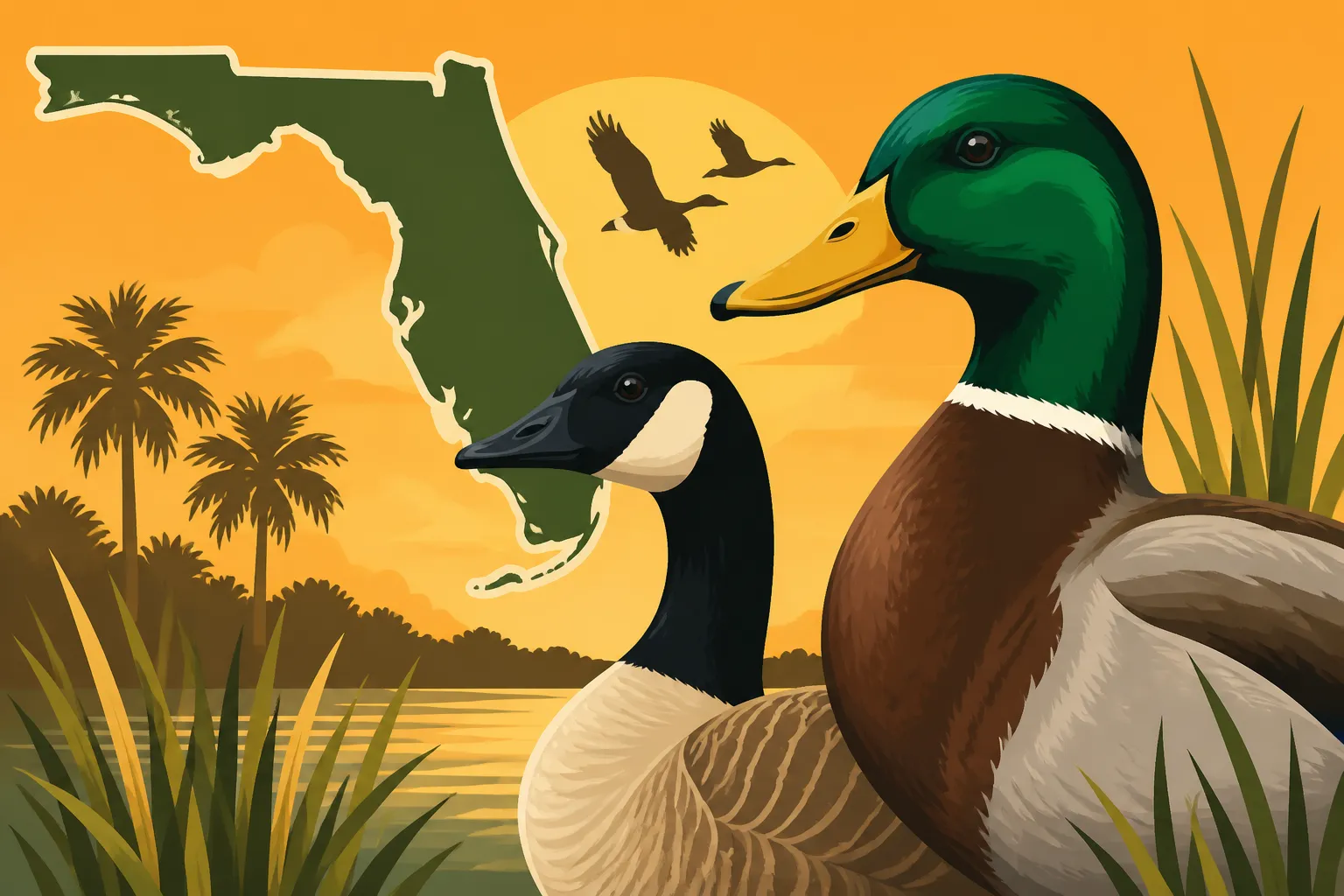
While ducks tend to dominate the waterfowl conversation in Florida, we do have opportunities for goose hunting, though on a much smaller scale compared to the major goose flyways further north. Canada Geese and Snow Geese are the primary species you might encounter.
Canada Geese: Limited Resident Populations
Unlike many northern states, Florida doesn't experience massive migrations of Canada Geese. However, we do have a limited, scattered resident population, particularly around golf courses, retention ponds, and agricultural areas. These birds are often quite urbanized and can be challenging to access for hunting. Occasionally, some migratory Canada Geese will venture into the Panhandle or far North Florida during severe winter weather, but it's not a consistent flight. If you're specifically targeting geese, you'll need to do your homework to find these localized populations. Scouting extensively is key, and sometimes landowner permission on private farms near urban fringes can yield opportunities.
Snow Geese: Rare and Opportunistic
Snow Geese are much rarer visitors to Florida, typically found in very small numbers, if at all, during periods of extreme cold up the flyway. They are beautiful birds, and spotting one is usually a treat in itself. When they do show up, it's typically in large, open agricultural fields in the Panhandle, sometimes mixed in with other waterfowl or cranes. Hunting them successfully requires a lot of luck and being in the right place at the right time. Most Florida waterfowl hunters focus almost entirely on ducks due to the much higher population numbers and more consistent opportunities. However, for those who truly love the challenge, keeping an eye out for these rare visitors can add an exciting dimension to the season. Tools like GoHunt or local wildlife reports can sometimes flag unusual sightings, but it's never a guarantee.
Managing for Healthy Waterfowl Populations
The health of Florida's duck and goose populations, both resident and migratory, is a constant focus for wildlife management agencies. It's not just about setting bag limits; it's a holistic approach that considers habitat, water quality, and a range of environmental factors.
Habitat Preservation and Restoration
One of the biggest challenges for waterfowl in Florida is habitat loss and degradation. Wetlands are constantly under pressure from development, agriculture, and changes in water management. Agencies are actively involved in programs to preserve existing wetlands and restore degraded ones. This includes purchasing critical habitats, implementing water control structures to ensure appropriate water levels at different times of the year, and working with private landowners to incentivize waterfowl-friendly practices. Without healthy places to feed, rest, and breed, even abundant migratory birds won't stick around. When you're Scouting Florida Public Land Before Season, you might notice ongoing restoration work, like prescribed burns or hydrological improvements, all aimed at benefiting waterfowl and other wildlife.
Research, Monitoring, and Regulation
Wildlife agencies conduct extensive research and monitoring programs to keep tabs on duck and goose numbers. This includes aerial surveys of breeding grounds (especially for migratory species), banding programs to track migration routes and survival rates, and hunter harvest surveys to estimate take. All this data feeds into making informed decisions about season lengths, bag limits, and conservation strategies. These regulations are designed to ensure sustainable hunting opportunities while protecting the overall health of the populations. If you're curious about the specifics, you can usually find detailed reports on Florida Duck and Goose Bag Limits and Florida Waterfowl Season and Zones from the state's wildlife agency. Participating in hunter surveys or reporting your harvest, if required, directly contributes to this vital data collection. It's all part of being a responsible steward of our natural resources.
Disclaimer
This article is for general informational purposes only and does not constitute professional advice. Laws, prices and regulations vary by location and change over time. Consult a qualified professional for guidance on your specific situation.