Escambia County Public Land Access
Finding good public land to hunt in Florida, especially in the Panhandle, can sometimes feel like trying to find a needle in a haystack—or more accurately, a trophy buck in a dense palmetto thicket. It's not always as straightforward as just showing up with your gear. For those of us looking to hunt in Escambia County, the challenge is real, but so are the opportunities if you know where to look and how to prepare. This guide is all about helping you unlock the public land access points and strategies for a successful hunt in Escambia County, Florida.
Understanding Public Land Opportunities in Escambia County
Escambia County, nestled in the westernmost part of Florida's Panhandle, offers a distinct hunting experience compared to other regions of the state. It's often overlooked by hunters focusing on the vast tracts further east, which can sometimes work to your advantage in terms of pressure.
The Landscape of Public Hunting in Northwest Florida
The terrain here is a beautiful mix, truly representative of what we call "north Florida." You'll encounter sprawling pine forests, often managed for timber production, which means a mosaic of clear-cuts, replanted saplings, and mature stands. Interspersed within these pines are fertile river bottomlands, especially along the Escambia River and its tributaries, which are often choked with hardwoods, thick undergrowth, and cypress sloughs. This diverse habitat is a magnet for various game species, providing both cover and food. The proximity to Alabama also means the deer genetics here often trend a bit larger than those you might find further south in the peninsula, which is always a bonus for those of us dreaming of a heavy-racked buck. However, these river bottoms can be notoriously wet and challenging to navigate, making for some truly gritty hunting experiences. Understanding this landscape is the first step to figuring out where deer, hogs, and turkeys will move and feed.
Key Public Land Areas and Their Characteristics
While Escambia County itself might not boast the sheer acreage of public land some other Florida counties do, it serves as a gateway to several fantastic hunting opportunities in the immediate vicinity. The primary draw for hunters in this region is often the vast Blackwater River State Forest, which, while largely in Santa Rosa and Okaloosa counties, is easily accessible and influences the hunting dynamic for Escambia County residents. Within these areas, you're looking at a diverse game population. White-tailed deer are a primary target, thriving in the mixed pine-hardwood forests. Feral hogs are abundant, often found rooting in the bottomlands and transition zones, providing year-round hunting opportunities with no bag limits on private land and generous rules on public lands. Year-Round Hog Hunting in Florida Eastern turkeys are also present, especially in areas with mature timber and open understory, offering an exciting spring season challenge. For those interested in small game, squirrels and rabbits are plentiful in the hardwood hammocks and denser cover. While Escambia County itself has smaller, localized public access points that might not be designated WMAs in the same way, being aware of nearby large tracts like Blackwater is crucial for a Panhandle hunter.
| Public Land Area (Nearby) | Primary Game Species | Habitat Type | Permit Needs |
|---|---|---|---|
| Blackwater River State Forest (managed as a WMA) | Deer, Hog, Turkey, Small Game | Pine Flatwoods, River Bottoms, Mixed Hardwood | Hunting License, WMA Permit |
| Escambia River Wildlife Management Area (part of Blackwater) | Deer, Hog, Turkey, Small Game | River Bottomlands, Cypress Swamps, Hardwood Hammocks | Hunting License, WMA Permit |
| Garcon Point Water Management Area | Deer, Hog, Small Game | Pine Plantation, Wet Flatwoods | Hunting License, WMA Permit |
Navigating Regulations and Access Points
It's one thing to know where public land is, and another entirely to know how to legally and effectively hunt it. Florida's regulations can feel like a maze at times, but a little preparation goes a long way.
Essential Permits and Licenses for Escambia Area Public Lands
Before you even think about setting foot in the woods, you need to ensure all your paperwork is in order. For hunting on any public land in Florida, you'll need a valid Florida hunting license. On top of that, if you're venturing into a Wildlife Management Area (WMA), which many of the prime public lands near Escambia County are, you'll also need a Management Area Permit. The Florida WMA Management Area Permit Depending on what you're hunting, you might need additional permits or stamps, such as a Florida Deer Permit, a Turkey Permit, or a Migratory Bird Permit and a Federal Duck Stamp if you're pursuing waterfowl. It's always, always, always best to check the specific regulations for the particular WMA or state forest you plan to hunt, as rules can vary significantly from one area to another. What's legal in one spot might get you a citation in another, so a quick check of the FWC website or the annual hunting regulations booklet is non-negotiable.
Finding Access Points and Understanding Area Rules
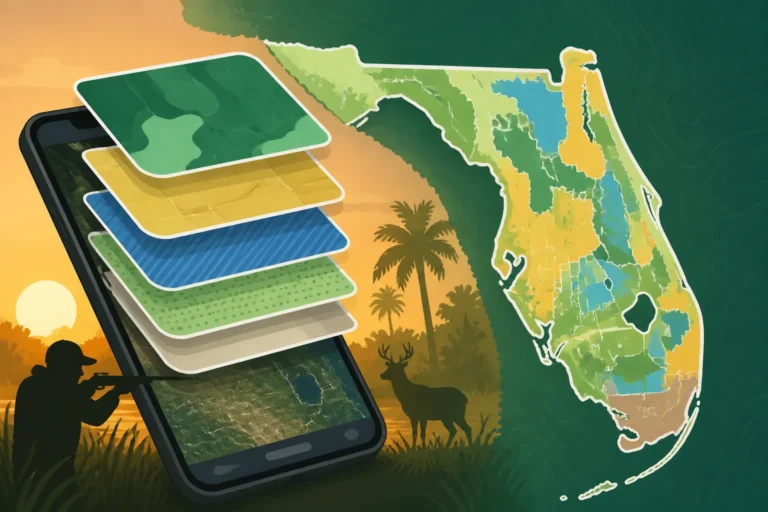
This is where the rubber meets the road. You've got your licenses, now how do you actually get into the woods without trespassing or getting lost? Maps are your best friend here. While paper maps still have their place, modern digital tools like onX Hunt and GoHunt have revolutionized how we approach public land. These apps allow you to view property lines, public land boundaries, access roads, and even topographic features right on your phone, even when you're out of cell service range if you download the maps beforehand. Using the FWC App Without Cell Service You can identify legal access points, designated parking areas, and internal road systems that lead to promising hunting grounds.
When planning your trip, pay close attention to the specific rules for vehicle access. Many WMAs have designated roads for vehicles, and others might be foot traffic only, or only allow ATVs during specific seasons or for game retrieval. Camping rules also vary; some areas allow primitive camping, while others restrict it to designated campgrounds. Understanding rules around tree stands, ground blinds, and trail cameras is also crucial. Some WMAs allow temporary stands but require them to be removed daily, while others allow them to remain for longer periods, but still require proper labeling. Trail cameras are generally permitted on public land, but again, check the specific WMA regulations, as their placement and duration can sometimes be restricted. Knowing these small details can save you a lot of grief and ensure your hunt is enjoyable and legal.
Strategies for Successful Hunting on Escambia County Public Land
Public land hunting, particularly in heavily forested areas like Escambia County, requires a different approach than hunting on private, managed land. It's often more about persistence, knowledge, and adaptability.
Scouting and Pre-Season Preparation
Scouting is paramount for success on public land. Since you can't rely on consistent game patterns like on private land with food plots and feeders, you need to be a detective. This means hitting the woods well before the season opens, ideally in late summer or early fall. Look for primary food sources in your target area—acorn-producing oaks in the bottomlands, persimmon trees, or even agricultural fields bordering public land. Hunting a Standing Peanut Field Identify natural funnels, pinch points, and cover. In pine forests, this might be a dense block of planted pines offering thermal cover, or a creek bottom creating a natural travel corridor between higher ground. Hunting a Funnel Between Two Palmetto Heads
Don't just look for fresh sign; try to interpret historical patterns. Where do the deer bed in this particular habitat type? In these Panhandle pines and bottomlands, deer often bed in the thickest, nastiest cover they can find – dense palmetto heads, briar patches, or cypress sloughs. Where Florida Bucks Bed in Thick Palmetto Pay attention to old rub lines and scrape lines; these can tell you about a buck's preferred travel routes during the rut, even if they aren't fresh. Using aerial photos through tools like onX Hunt or even the FWC app is an excellent way to pre-scout from home, identifying potential bedding areas, travel corridors, and access points without disturbing the woods. Reading Aerial Photos for Florida Deer Then, verify these spots on foot.
Adapting to Hunting Pressure
Let's be realistic: public land often comes with public pressure. On opening day or during peak season weekends, you're going to encounter other hunters. The key to success is to anticipate and adapt to this. One common strategy is to walk further than most other hunters are willing to go. Many hunters stick to within a quarter to half-mile of access roads. If you're willing to put in the extra mile, you can often find unpressured pockets of woods.
Another approach is to target overlooked areas. This might be a swampy finger of hardwoods that seems too wet to hold deer, or a dense clear-cut that's a nightmare to navigate but offers incredible cover. Deer and hogs will seek refuge in these places when pressure mounts. Consider hunting during weekdays if your schedule allows, or during less popular seasons, like the muzzleloader season, which often sees lighter pressure than general gun season. Muzzleloader Deer Hunting in Florida Even adapting your hunting times can help; many hunters are out at first light and last light, but some of the best mid-day movement, especially for hogs, can happen when other hunters are back at camp for lunch. Understanding how human activity influences game movement is crucial for finding success on shared land.
Common Game Species and Seasonal Considerations
Escambia County's unique ecosystem, bordering Alabama and the Gulf, means a robust population of popular game animals. Knowing their habits and the best times to pursue them is key.
Deer and Hog Hunting in Escambia County's Public Lands
Deer hunting is a staple in the Panhandle. The whitetail deer here can be elusive, but the rewards can be significant. Deer in this region thrive in the mixed pine and hardwood forests. During the early archery season, focusing on natural food sources like acorns (if it's a mast year) or persimmons in the hardwood bottoms can be very effective. As the season progresses into general gun, deer patterns shift. They become more nocturnal and seek thicker cover. Hunters often find success by targeting travel corridors between bedding areas and food sources, especially those deeper in the woods away from roads. The rut timing in Zone D, which covers Escambia County, typically peaks in mid-January, which is a bit later than much of the rest of the state. This means your late season hunts can be incredibly exciting, as bucks are actively seeking does.
Feral hogs are perhaps the most prolific and forgiving game animal in Escambia County. They are found literally everywhere – from the driest pine ridges to the deepest river swamps. Feral Hogs Across Florida The best time to hunt hogs often depends on the weather and available food. After a rain, they'll often be rooting in softer ground. In the hotter months, they'll congregate near water sources and in dense, cool cover. Unlike deer, hogs have no bag limit on private land and very generous rules on public land, making them an excellent quarry for extending your hunting season. Still-hunting through creek bottoms or setting up on well-used trails can yield great results. Still-Hunting Florida Palmetto Flatwoods Pay attention to fresh rooting sign and wallows, as these are sure indicators of recent hog activity.
Turkey and Small Game Opportunities
For turkey hunters, Escambia County is firmly within the Eastern turkey zone. The spring turkey season is a highly anticipated time. Eastern gobblers prefer mature pine timber with an open understory, where they can see and strut, or hardwood bottoms that offer roosting trees and bugging areas. Calling an Eastern gobbler off the roost at first light or setting up on a field edge where they might feed can be exhilarating. Calling an Osceola Off the Roost Scouting for roost trees before the season opens is a huge advantage. They can be wary birds, especially on public land that sees pressure, so patience and stealth are crucial.
Small game hunting, primarily for squirrels and rabbits, offers a fantastic opportunity to extend your time in the woods and introduce new hunters to the sport. Squirrels are abundant in the hardwood hammocks, especially during years with good mast crops. Hunting them in river bottoms or oak thickets can be a blast. Rabbits can be found in brushy areas, thickets, and field edges. These hunts are generally less pressured and offer a chance to sharpen your woodsmanship skills. Squirrel Hunting Florida Hardwood Hammocks Even though they are "small game," they provide excellent table fare and a genuine hunting challenge.
Disclaimer
This article is for general informational purposes only and does not constitute professional advice. Laws, prices and regulations vary by location and change over time. Consult a qualified professional for guidance on your specific situation.