Jackson County Public Hunting Access
Finding good public hunting land in Florida can feel like searching for a needle in a palmetto patch, especially when you're targeting a specific area like Jackson County. Many hunters get frustrated trying to decipher regulations and locate accessible spots. This guide aims to cut through that confusion, providing clear, actionable insights into public hunting access within Jackson County, helping you plan a successful and enjoyable hunt.
Navigating Public Hunting Opportunities in Jackson County
Jackson County, nestled in the Florida Panhandle, offers a mosaic of public hunting opportunities that are distinct from other parts of the state. While it might not boast the vast, contiguous wilderness areas some imagine when they think of "public land," it does provide significant access through state forests and wildlife management areas (WMAs). The key is understanding where these opportunities lie and how to legally and effectively utilize them.
Understanding the Lay of the Land: WMAs and State Forests
When you look at a map of Jackson County, you'll notice a scattering of state-managed lands that open their gates to hunters. These typically fall into a few categories: Wildlife Management Areas (WMAs) and sometimes portions of larger State Forests. Each of these public access points comes with its own set of rules, often requiring specific permits beyond your base hunting license. For instance, the Apalachee WMA, while not entirely within Jackson County, is a prime example of the kind of regulated, diverse habitat you might find nearby, offering everything from bottomland hardwoods to pine uplands. These areas are specifically managed for wildlife, meaning habitat work like prescribed burns and timber thinnings are common, which in turn creates excellent conditions for deer, turkeys, and hogs. You might also find smaller, lesser-known state forest tracts that, while perhaps not as large, can offer quality hunting for those willing to do their homework. Remember, WMAs are generally more restrictive with access and hunt dates, often requiring quota permits for popular seasons, while some state forests might have more open, "walk-in" opportunities. Understanding these nuances is crucial for success.
Researching Regulations and Application Processes
This is where the rubber meets the road. Simply knowing where public land is isn't enough; you need to know what you can hunt, when, and how. Every WMA and State Forest in or around Jackson County will have a specific brochure, often available digitally on the Florida Fish and Wildlife Conservation Commission (FWC) website. These brochures are your hunting bible for that particular area. They detail open seasons, legal methods (e.g., bows, muzzleloaders, centerfire rifles), bag limits, and any special permits like quota permits. The Florida WMA Management Area Permit is a must-have for most WMA hunts, regardless of whether it's a quota hunt or not. For popular deer or turkey hunts, you'll almost certainly encounter a quota system, which means you need to apply during a specific window, usually months in advance, and hope to get drawn. Missing these application windows can mean missing out on an entire season. It's a system designed to manage hunting pressure and ensure a quality experience, but it requires foresight and diligence from hunters. Take the time to read the regulations thoroughly, noting any specific check-in/check-out requirements, legal hunting hours, or rules about vehicle access and tree stands. The details can make or break your hunt, or worse, lead to a citation.
Key Game Species and What to Expect
Jackson County's public lands offer a diverse range of game animals, each presenting its own unique challenges and rewards. Knowing what to expect from the local populations will help you tailor your hunting strategies and manage your expectations.
Deer Hunting Prospects
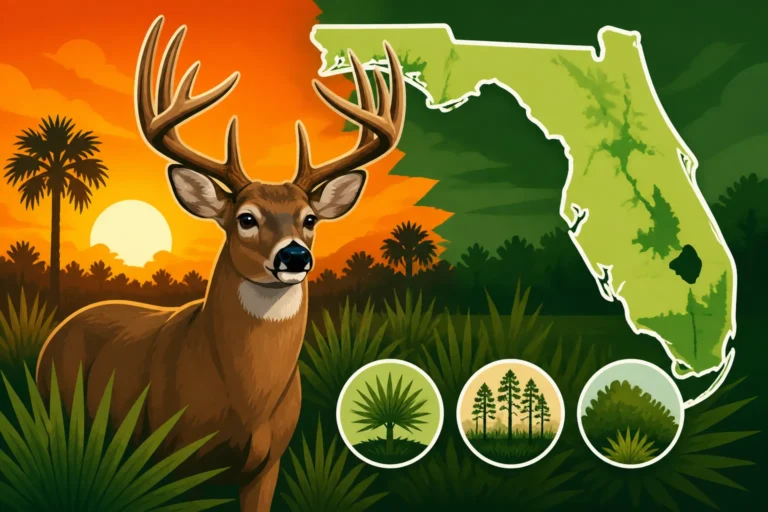
Deer hunting in Jackson County, particularly on public lands, can be a rewarding endeavor, but it's often a different ballgame than hunting private, managed tracts. You're primarily looking at the Florida whitetail, which, while smaller on average than their Midwestern cousins, are hardy and abundant. Expect to find deer utilizing a mix of habitats: dense palmetto thickets for bedding, creek bottoms for travel, and pine plantations for both cover and forage. The rut timing in the Panhandle, which Jackson County is part of, generally aligns with more traditional Southern deer seasons, offering exciting opportunities as bucks become more active. Why Panhandle Deer Grow Bigger Than South Florida Deer is a common topic, and it's often attributed to better nutrition and genetics in the region. However, public land deer here are often pressured, meaning they are more wary and nocturnal. Success usually comes down to diligent scouting, understanding deer movement patterns in response to hunting pressure, and being in the stand during those crucial low-light hours. Don't expect to see a parade of deer; be ready to capitalize on the few opportunities you might get.
Hog, Turkey, and Small Game Opportunities
Beyond deer, Jackson County's public lands are a hotbed for other popular game. Feral hogs are ubiquitous and offer fantastic, year-round hunting opportunities with no bag limits on private land, and very generous rules on public land, often even during deer and turkey seasons. They thrive in the diverse habitats, from swamp edges to oak hammocks, and provide an excellent source of wild game meat. Many hunters focus on Year-Round Hog Hunting in Florida as a way to extend their time in the woods. For turkey hunters, Jackson County falls within the range of the Eastern turkey, a challenging and vocal bird that draws enthusiasts from all over. Spring turkey season is a highlight, with gobblers sounding off from their roosts in the tall pines and cypress trees. Public land turkeys can be tough – they've heard it all before – but patient calling and strategic setups can lead to success. If you're looking for a quieter hunt, small game like squirrels are plentiful in the hardwood hammocks and pine forests, offering a fun, active hunt often perfect for introducing new hunters to the sport. Rabbits also inhabit the dense undergrowth, providing additional small game options.
Practical Tips for Public Land Success in Jackson County
Hunting public land is a challenge, but it’s one that countless Floridian hunters embrace and master. Success hinges on thorough preparation, smart use of modern tools, and an understanding of the local environment.
Essential Scouting and Planning Tools
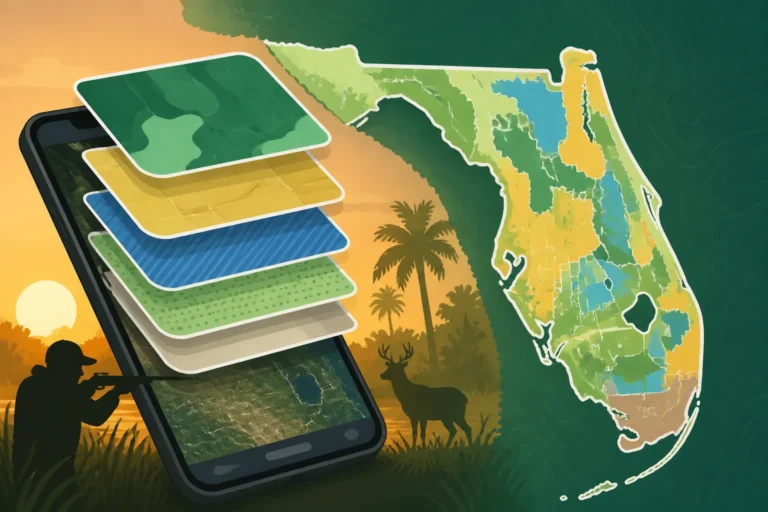
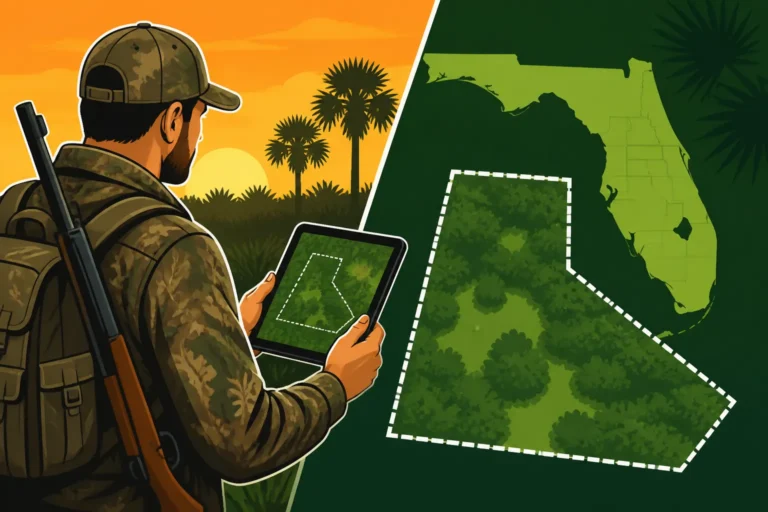
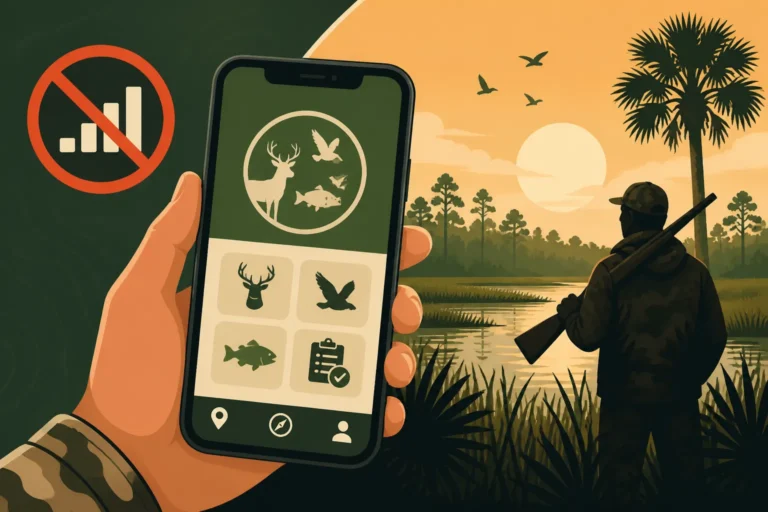
Before you ever set foot in the woods, your planning should begin. Modern mapping applications like onX Hunt are absolute game-changers for public land hunters. They allow you to layer public and private land boundaries, pinpoint property lines, identify access points, and mark potential hunting locations from the comfort of your home. You can find hidden creek bottoms, identify potential bedding areas, and map out quiet entry and exit routes, which are critical on pressured public land. Pay close attention to features like powerline cuts, logging roads, and changes in timber type – these can all be deer magnets. Another invaluable resource is the FWC's online maps and WMA brochures. These often show specific rules, hunt zones, and parking areas that might not be immediately obvious on generic maps. Beyond digital tools, pre-season scouting on foot is irreplaceable. Look for fresh tracks, rub lines, scrape lines, and active feeding areas. Identify natural funnels where deer movement is concentrated. Remember, Reading Aerial Photos for Florida Deer can give you a great start, but boots on the ground confirm the real-time conditions. Combining these methods with insights from platforms like GoHunt, which aggregates hunting data and articles, can give you a significant edge in understanding seasonal patterns and historical success rates for specific areas, though always cross-reference with current FWC regulations.
Adapting to Florida's Unique Environment
Florida hunting is not for the faint of heart, especially when it comes to the environment. The weather can be hot and humid, even during early deer and turkey seasons, making scent control an ongoing battle. Hydration is key, and carrying enough water for a full day in the field is non-negotiable. Insects, particularly mosquitoes and ticks, are a constant companion, so quality insect repellent is a must. The terrain in Jackson County can vary, from relatively open pine flatwoods to incredibly dense palmetto thickets and challenging, muddy creek bottoms. Wind and Thermals in Flat Florida Terrain play a subtle but crucial role, as even minor elevation changes can create predictable air currents. You might encounter standing water, especially after heavy rains, requiring waterproof boots or even hip waders. Be prepared for thick cover; still-hunting through dense palmettos can be incredibly effective but demands stealth and patience. Understanding how game animals use these different habitat types – deer bedding in the thickest cover during the day, hogs wallowing in muddy sloughs – will inform your strategy. Don't underestimate the stamina required to navigate Florida's dense public lands; a physically fit hunter will have a significant advantage.
Common Challenges and How to Overcome Them
Public land hunting, by its very nature, comes with certain challenges that private land hunters might not face. These aren't insurmountable, but acknowledging and preparing for them is key to a successful and enjoyable experience.
Dealing with Hunting Pressure
One of the biggest realities of public land hunting, especially in accessible areas of Jackson County, is hunting pressure. You're sharing the woods with other hunters, and deer, turkeys, and hogs quickly learn to adapt. This often means game becomes more nocturnal, utilizes thicker cover, and moves less during peak hunting hours. The trick is to go where others aren't willing to go. This might mean walking an extra mile or two away from easy road access, crossing a difficult creek, or navigating through a particularly dense block of timber. Hunting during weekdays, when many people are at work, can also significantly reduce pressure. Targeting overlooked habitat, such as small islands of hardwoods within a larger pine plantation or a less obvious transition zone, can also pay dividends. Focus on early morning and late evening hunts, when game animals are most likely to be moving, and be prepared to sit patiently. Remember the internal link: Finding Ground Others Walk Past. It's about thinking outside the box and putting in the extra effort that many other hunters simply won't.
Navigating Access and Terrain
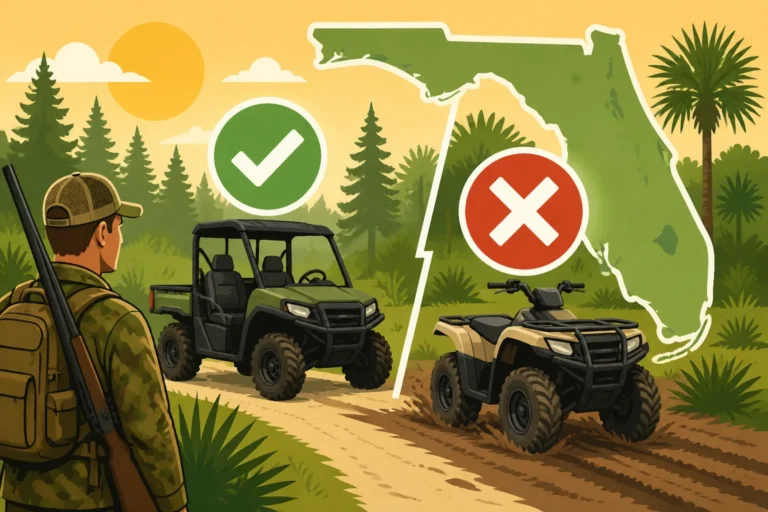
Getting to and moving through public land in Jackson County can sometimes be a puzzle. WMAs often have designated parking areas and gated roads, while state forests might have a more informal network of trails. Always check the specific area's map and regulations for legal access points and any restrictions on vehicle use. Using a GPS-enabled mapping app like onX Hunt is vital for staying on public land and navigating back to your vehicle, especially in dense or unfamiliar terrain. It's easy to get turned around when everything looks similar, and cell service can be spotty, so download offline maps. The terrain itself can be a challenge; sandy soils might make for quiet walking but also make tracking difficult. Cypress swamps or marshy areas might require specialized footwear and a willingness to get wet. Always tell someone where you're going and when you expect to return, especially if you're venturing deep into remote areas. Having a good understanding of Vehicle Rules on Florida Public Land will prevent unexpected fines or towing. Carrying a small first-aid kit, a headlamp, and emergency water and snacks are always wise precautions.
| Public Land Type | Primary Game Species | Typical Habitat | Access & Permits | Hunting Pressure (General) |
|---|---|---|---|---|
| Wildlife Management Area (WMA) | Deer, Hogs, Turkey, Small Game | Mixed Pine, Hardwood, Cypress, Marsh | WMA Permit required; many quota hunts; designated access | Moderate to High, especially on weekends |
| State Forests (Hunting Portions) | Deer, Hogs, Small Game | Pine Plantations, Hardwood Bottoms | Often requires FWC license + State Forest stamp; open seasons | Moderate, can be localized |
| National Forests (e.g., Apalachicola, near Jackson) | Deer, Hogs, Turkey, Bear, Small Game | Longleaf Pine, Bottomland Hardwood | FWC license; specific seasons/zones; more open access | Variable, often lower in remote areas |
Disclaimer
This article is for general informational purposes only and does not constitute professional advice. Laws, prices and regulations vary by location and change over time. Consult a qualified professional for guidance on your specific situation.