Best Florida Ground for Public Land Waterfowl
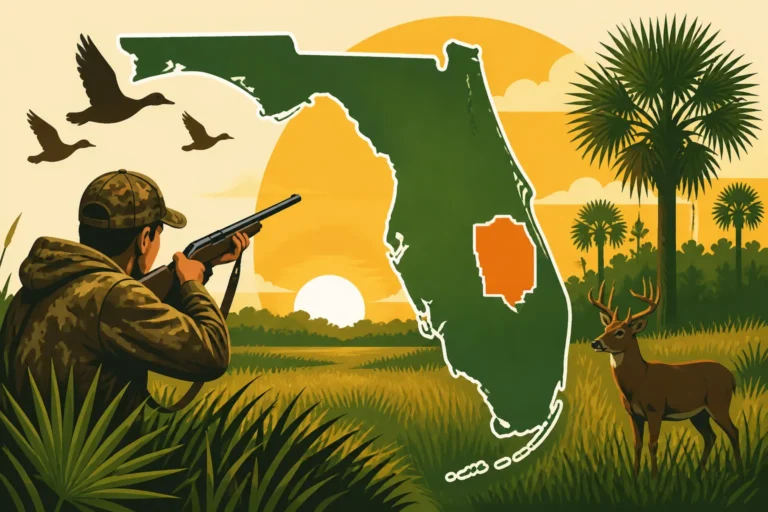
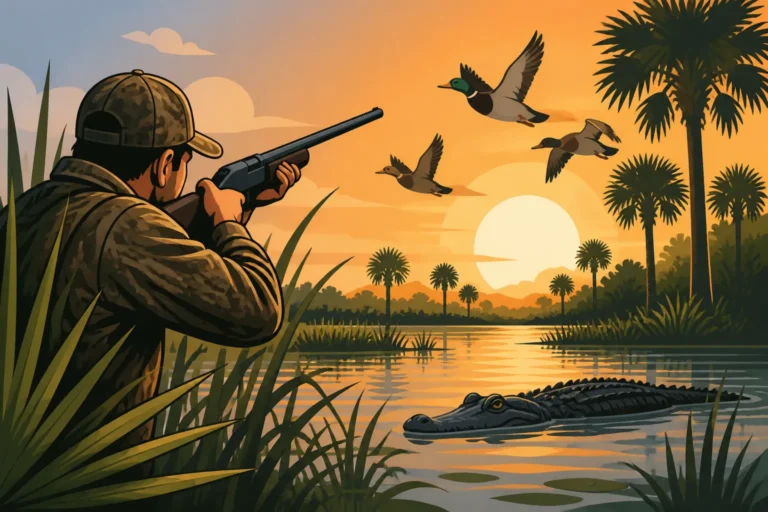
Finding prime public land for waterfowl hunting in Florida can feel like searching for a needle in a palmetto patch. Many hunters associate Florida only with deer, hogs, or even gators, overlooking the incredible duck and goose opportunities that exist, especially on public lands. This guide aims to pull back the curtain on Florida’s best public land waterfowl hunting grounds, helping you pinpoint those productive spots where you can set your decoys and call in some birds.
Understanding Florida's Waterfowl Landscape
Florida might be known for its sunshine and beaches, but it's also a critical wintering ground for a diverse array of waterfowl, sitting right in the middle of the Atlantic Flyway. These birds aren't just passing through; many spend their entire winter season in the Sunshine State, taking advantage of our rich wetland habitats. But not all wetlands are created equal for duck hunting, and understanding the different types of environments is crucial for planning a successful trip.
Diverse Wetland Habitats Attract Different Species
Florida's varied landscape offers a mosaic of wetland types, each attracting specific waterfowl species. You'll find everything from expansive freshwater marshes to cypress swamps, flooded timber, and even brackish coastal estuaries. Mottled ducks are year-round residents, often found in the vast marshes and agricultural impoundments, while winter brings in migratory species like blue-winged teal, green-winged teal, ring-necked ducks, and even pintails and wigeon in good numbers. Wood ducks are a common sight in timbered swamps and along cypress-lined creek bottoms, offering some fantastic early morning shooting opportunities. Knowing what kind of habitat you're looking at on a map can often tell you what kind of ducks you might expect to see.
For example, a vast sawgrass marsh interspersed with open water ponds is a classic spot for teal, ring-necks, and even some shovelers, especially after a cold snap pushes birds south. Conversely, a quiet cypress slough with a canopy of hardwoods might be a wood duck paradise, requiring a completely different setup and approach. The key is to match your hunting strategy to the specific habitat and the ducks it's likely to hold. This diversity is what makes Florida waterfowl hunting so unique and challenging, but also incredibly rewarding once you crack the code.
Resident vs. Migratory Birds
Florida hosts a healthy population of resident waterfowl, primarily the Florida mottled duck. These birds are tough, smart, and can provide consistent hunting throughout the season, especially in areas with good habitat management. They are accustomed to local hunting pressure and often require more subtle tactics. You'll often find them feeding in shallow marshes, flooded fields, and even coastal estuaries. Hunting these resident birds often means understanding their local patterns, such as where they roost, where they feed, and how they react to pressure in specific areas.
However, the real excitement for many waterfowl hunters comes with the arrival of migratory birds. When those northern cold fronts push down, Florida's marshes and impoundments fill with a variety of ducks and some geese. Early teal season is a mad scramble of fast-flying blue-wings, while later in the regular season, you'll see a mix of ring-necks, divers, and puddle ducks. Keeping an eye on weather patterns to our north and understanding the timing of these migrations can be a game-changer for finding those banner days. It’s a completely different ballgame chasing these weary travelers compared to the local mottled ducks, as they’re often less wary until they’ve been shot at a few times.
Navigating Public Land Access and Regulations
Hunting public land in Florida, especially for waterfowl, involves understanding a specific set of rules and access methods. It’s not as simple as just showing up; there are permits, quota systems, and zone regulations that you absolutely need to be aware of. The Florida Fish and Wildlife Conservation Commission (FWC) manages a vast network of Wildlife Management Areas (WMAs) and works with other agencies like the U.S. Forest Service on national forests and preserves, all of which offer waterfowl hunting opportunities.
Understanding the WMA Quota System
Many of Florida's prime public land waterfowl spots, particularly those managed specifically for ducks, operate under a quota permit system. This means you have to apply for a permit, often months in advance, and hope you get drawn. These quota hunts are designed to limit pressure and ensure a quality experience, but they can be competitive. Knowing the application periods and understanding the draw odds is essential if you plan to target these coveted areas. Each WMA has its own specific rules, including legal methods of take, shooting hours, and daily bag limits, which might differ from statewide regulations. Always check the specific WMA brochure for the area you intend to hunt. Florida WMA Quota Permit System is something you'll want to dig into to understand how these draws work.
For example, a highly productive managed waterfowl area might only allow hunting on specific days of the week, or require hunters to draw a specific hunt slot for a particular blind. This can be frustrating if you're used to just walking onto public land, but it's a system designed to spread out hunters and protect the resource. Missing an application deadline means missing out on the opportunity entirely for that season, so it pays to be organized and mark your calendar well in advance. Tools like GoHunt can sometimes offer insights into quota hunt success rates and application strategies, which can be a huge advantage.
Licenses, Stamps, and Equipment Requirements
Beyond any WMA quota permits, you'll need the appropriate state hunting licenses and federal waterfowl stamps. A base hunting license, a Florida waterfowl permit, and a Federal Duck Stamp are mandatory for anyone over 16 years old to hunt migratory waterfowl. Don't forget your Harvest Information Program (HIP) certification, which is also required when hunting migratory birds. These are relatively straightforward to acquire, often online or at a local license agent, but it’s easy to overlook one if you’re not a regular bird hunter.
Equipment requirements also vary. Some WMAs might restrict motor size on airboats or prohibit certain types of boats altogether. Others might require non-toxic shot for all waterfowl hunting, which is standard across the board for ducks and geese, but it’s always good to double-check. Using a mapping app like onX Hunt can be incredibly helpful for identifying boundaries, access points, and even potential hunting zones within WMAs, making sure you stay legal and avoid trespassing on private land or restricted areas. Remember, game wardens are vigilant, and ignorance of the law is never an excuse.
| Public Land Type | Typical Habitat | Common Waterfowl Species | Access Method | Special Considerations |
|---|---|---|---|---|
| FWC Managed Waterfowl Areas | Impoundments, managed marshes | Teal, Ring-necks, Mottled Ducks, Wigeon | Quota or Daily Sign-in | Highly regulated, often competitive draws, specific blind rules |
| National Forests | Cypress swamps, flooded timber, lakes | Wood Ducks, Mottled Ducks, Teal | Open access (sometimes WMA permit) | Check for specific area rules, often less managed for ducks |
| State Forests | Cypress ponds, sloughs, small lakes | Wood Ducks, Mottled Ducks | Open access (sometimes WMA permit) | More primitive, less pressure, can require more scouting |
| Everglades WMA | Vast sawgrass marshes | Teal, Ring-necks, Mottled Ducks | Airboat or walk-in, quota | Extreme conditions, airboat required for deep access, heat |
| Coastal WMAs | Brackish marshes, estuaries | Mottled Ducks, Scaup, Mergansers | Boat access, often open | Tides, saltwater equipment, can be weather-dependent |
Key Areas for Public Land Waterfowl Opportunities
Florida offers some fantastic public land waterfowl hunting if you know where to look and are willing to put in the effort. These areas range from vast, wild marshes to intensively managed impoundments. Each offers a unique experience and targets different species.
Northwest Florida's Panhandle Puddle Ducks
While often overlooked for waterfowl, the Florida Panhandle, especially around the Apalachicola and St. Marks areas, can offer surprisingly good duck hunting. These regions feature expansive river floodplains, coastal marshes, and managed impoundments that attract a variety of puddle ducks. The Apalachicola National Forest and some of the state forests in the area can have excellent wood duck opportunities in flooded timber and along cypress-lined creek systems, particularly after heavy rains. You’ll find that these hunts often involve more scouting and less competition than the managed impoundments further south. Apalachicola National Forest Hunting is a great resource if you're considering this region.
Hunting these Panhandle spots often means being prepared for a more rugged experience. You might be jump-shooting small sloughs or setting up decoys in a remote cypress pond. The success often hinges on finding fresh water and understanding where the birds are resting and feeding. It’s not always about large numbers of birds, but rather the quality of the hunt and the peaceful solitude you can find. Local knowledge or extensive scouting using aerial maps on onX Hunt to identify potential flooded timber pockets or oxbow lakes can be invaluable here.
Central Florida's Managed Impoundments and Lakes
Central Florida is home to some of the state's most popular and intensively managed waterfowl areas. WMAs like Lake Kissimmee, Three Lakes, and even portions of the Green Swamp Wilderness Preserve are well-known for attracting good numbers of ring-necked ducks, teal, and mottled ducks. These areas often feature large open water bodies, managed impoundments, and natural marshes that provide ideal feeding and resting habitat. Because of their popularity and productive nature, many of these areas operate under strict quota permit systems, making drawing a tag the biggest hurdle.
For example, some of these WMAs have designated public land sections with permanent blinds or specific hunt units that hunters are assigned through the quota draw. This can be both a blessing and a curse; while it limits competition in your immediate area, it also means you’re restricted to a specific spot. Extensive scouting prior to your hunt, even just from the road or by boat if access is allowed, can help you understand water levels, bird movements, and potential setup locations within your assigned area. These spots can offer incredibly consistent hunting when the birds are in, providing some of the best Florida Duck and Goose Bag Limits experiences in the state.
South Florida's Everglades and Coastal Marshes
The vastness of the Everglades ecosystem and Florida’s other southern coastal marshes offer an entirely different waterfowl hunting experience. Areas like the Everglades and Big Cypress WMAs are legendary for their expansive sawgrass marshes, which attract huge numbers of blue-winged teal during the early season and later, a mix of mottled ducks and ring-necks. This is often an airboat hunter's paradise, as access deep into these areas is often only possible by airboat. Everglades Wildlife Management Area Access details some of the unique challenges and opportunities here.
Hunting in the Everglades means being prepared for remote conditions, extreme heat, and navigating vast, undifferentiated terrain. It’s not for the faint of heart, but the rewards can be spectacular. You might find yourself surrounded by hundreds of teal, or jump-shooting mottled ducks in hidden sloughs. Other coastal marshes, particularly along the Gulf Coast, can also offer fantastic hunting for mottled ducks, scaup, and mergansers. These brackish environments often require hunters to pay close attention to tides, as water levels can drastically affect bird feeding patterns and access to hunting spots. A good marine map and careful planning are essential for safely navigating these tidal areas.
Scouting and Tactics for Florida Waterfowl Success
Even with the best public land spot, success in Florida waterfowl hunting often boils down to diligent scouting and adaptable tactics. Florida ducks, especially the resident mottled ducks, can be incredibly wary, and migratory birds quickly learn to avoid pressure. It's not always about having the most expensive gear, but about understanding the birds and their environment.
Leveraging Technology for Effective Scouting
Modern technology has revolutionized scouting, making tools like satellite imagery and GPS mapping apps indispensable for public land waterfowl hunters. Platforms like onX Hunt allow you to pour over aerial photos, identifying potential water bodies, flooded timber, sheet water areas, and even hidden ponds that might not be visible from a road. You can mark potential access points, calculate distances, and even identify subtle changes in vegetation that could indicate productive feeding grounds. Reading Aerial Photos for Florida Deer might focus on deer, but the principles of dissecting terrain from above apply perfectly to waterfowl.
Beyond just looking at maps, using weather apps to track cold fronts moving south can give you a heads-up on when new migratory birds might arrive. Understanding water levels, either through local reports or by observing historical data, is also critical. A marsh that was fantastic last year might be bone dry this year, or vice versa. Always try to get boots on the ground or eyes on the water before your hunt if possible. If not, a meticulous virtual scout can save you a lot of wasted time and effort.
Reading the Water and Bird Behavior
Florida waterfowl are creatures of habit, but they are also highly responsive to changes in pressure, food availability, and water conditions. Learning to "read the water" means understanding where ducks want to be and why. Are they loafing in open water, feeding in shallow vegetated areas, or hiding in dense cover? Look for flight patterns, areas where birds are actively feeding (you might see ripples or hear chuckling), or where they are consistently landing. Even a single duck flushing from a hidden pocket can tell you a lot about where others might be.
When setting up, consider the wind direction and sun position. Ducks almost always land into the wind, so your decoy spread and blind placement should account for this. The sun can either be your friend or your enemy; if it's in your face, it can silhouette your decoys poorly and make it hard to see incoming birds. Observe how birds are reacting to other hunters if you can. Are they flaring from blinds? Are they avoiding certain types of spreads? Being able to adjust your spread, calling, or even your location during the hunt is a critical skill. Decoying Wood Ducks in a Cypress Slough and Layout Blind Hunting Florida Rice Fields delve into specific scenarios you might encounter.
Making the Most of Limited Access and Time
Public land hunting, especially for waterfowl, often means dealing with crowds, limited access points, and the challenge of scouting vast areas with limited time. However, by being smart, persistent, and a little unconventional, you can still find success. It's about working smarter, not necessarily harder.
Hunting Under-Pressured Spots
One of the biggest frustrations on public land is dealing with other hunters. But often, the vast majority of hunters will stick to the most obvious access points and easily reachable areas. This means that if you're willing to walk a little further, drag a kayak or canoe into a remote pond, or explore areas that look less appealing on a map, you can often find less pressured birds. Look for those "back forty" areas within WMAs or national forests that require a bit more effort to reach. These are often small, hidden sloughs or pockets of water that hold resident mottled ducks or wood ducks that rarely see a decoy.
Even within popular managed impoundments, thinking outside the box can pay off. While everyone is piling into the designated blinds, consider setting up a few hundred yards away in a small opening that requires a longer slog through muck. Ducks quickly learn where the pressure is, and they'll adjust their flight paths accordingly. Being able to adapt and find that hidden gem can turn a slow morning into a memorable hunt. Sometimes, it means getting up an hour earlier to beat everyone else to a less accessible entry point.
The Importance of Stealth and Concealment
Florida waterfowl are incredibly sharp-eyed. Poor concealment can ruin a hunt faster than anything else. Whether you're hunting from a layout blind in a rice field, a natural blind in a marsh, or simply hiding among cypress knees, blending into your surroundings is paramount. Pay attention to your sky-line, ensure your face is covered, and don't make sudden movements. Movement is what birds see first. This is especially true on public land where birds have likely seen dozens of blinds and heard countless calls.
For example, when setting up a blind in a marsh, don't just use the few pieces of grass around you. Cut and weave in local vegetation to break up the outline of your blind completely. If you're hunting open water, a layout blind brushed in with natural material can be very effective, just make sure you're truly flat and hidden. Remember, you're trying to fool an animal with incredible eyesight from hundreds of feet in the air. Any unnatural shape or glint will send them flaring out of range. Mastering the art of concealment is a skill that pays dividends on every waterfowl hunt.
Disclaimer
This article is for general informational purposes only and does not constitute professional advice. Laws, prices and regulations vary by location and change over time. Consult a qualified professional for guidance on your specific situation.