Highlands County Public Hunting Ground
Hunting in Florida often conjures images of vast, untouched wilderness, but for many folks, the reality of finding accessible public ground, especially in a rapidly developing area like Highlands County, can be a real head-scratcher. It’s easy to feel overwhelmed by the sheer amount of private land, or discouraged by the dense palmetto scrub that seems to blanket everything. This guide is here to walk you through the unique opportunities and challenges of public hunting in Highlands County, helping you uncover those hidden gems and strategize for a successful outing.
Understanding Highlands County's Hunting Landscape
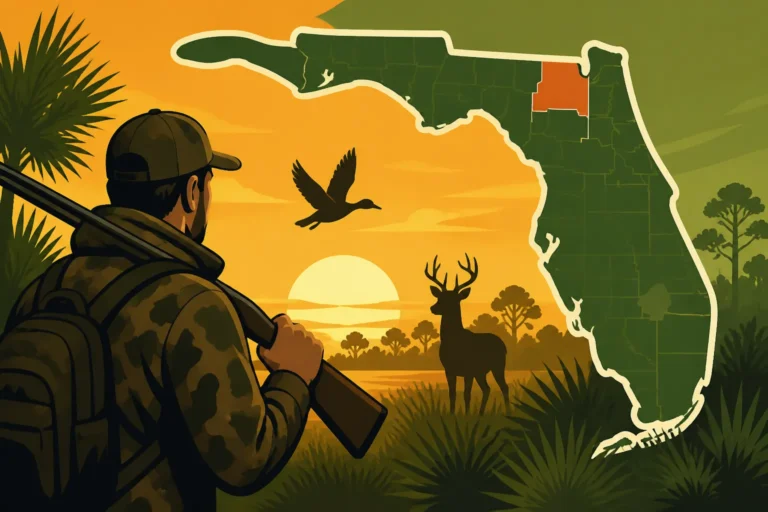
Highlands County, nestled in the heart of Florida’s Central Ridge, presents a distinct hunting environment compared to the cypress swamps of the Everglades or the piney woods of the Panhandle. It's a place where ancient sand ridges meet expansive flatwoods, creating a mosaic of habitats that, while beautiful, can be notoriously difficult to navigate and hunt if you don't know what you're looking for. Many hunters mistakenly write off Central Florida as too developed or too devoid of quality public land, missing out on some genuinely rewarding experiences.
The Central Ridge Ecosystem and Its Game
The dominant ecosystem here is characterized by sand pine scrub, scrubby flatwoods, and longleaf pine forests interspersed with cypress domes and scattered oak hammocks. This dry, sandy terrain might not scream "deer paradise" to someone accustomed to midwestern agricultural fields, but it supports a surprising amount of wildlife adapted to these conditions. You'll find healthy populations of white-tailed deer, often smaller-bodied than their northern counterparts but just as wary. White-Tailed Deer Across Florida Feral hogs are absolutely prolific across the landscape, providing year-round hunting opportunities and a constant challenge due to their intelligence and destructive nature. Feral Hogs Across Florida And for those seeking the ultimate Florida turkey challenge, this region is prime Osceola country, where these unique birds roam the scrub and flatwoods. Osceola Turkeys in Peninsular Florida Beyond the big game, there are also opportunities for small game like squirrels and rabbits, especially around more mature oak hammocks or hardwood fringes.
What makes this habitat particularly interesting is its resilience and how the animals use it. Deer often seek refuge in the dense palmetto thickets during the heat of the day, moving out into more open pine flatwoods or along natural edges during cooler morning and evening hours. Hogs will root extensively, leaving clear signs of their presence, often near water sources or food plots if they can find them. Understanding these subtle habitat cues is paramount.
The Challenges of Public Land Hunting in Central Florida
Let's be real, public land hunting anywhere comes with its share of hurdles, and Central Florida is no exception. The primary frustrations here often revolve around access, dense vegetation, and hunting pressure. You're not always going to find neatly manicured food plots or wide-open timberland. Instead, prepare for thick palmetto, tangled briars, and often-wet flatwoods that can make walking a serious workout. This dense cover makes visibility low, requiring hunters to slow down and really focus on still-hunting or finding natural funnels.
Hunting pressure can also be a significant factor, especially on easily accessible public lands during peak season dates. This means deer and other game are often pushed into the thickest, most remote parts of a WMA, making consistent scouting and early morning/late evening efforts crucial. It’s not uncommon to hike a mile or two back into an area, only to realize another hunter has already beaten you to your planned spot. Patience, perseverance, and a willingness to walk farther than others are your greatest assets here. Scouting Florida Public Land Before Season
Key Public Hunting Grounds in Highlands County
While Highlands County might not boast dozens of massive public hunting areas, it does offer some solid options for those willing to put in the effort. The primary public land available for hunting falls under the Florida Fish and Wildlife Conservation Commission (FWC) Wildlife Management Area (WMA) system. Each WMA has its own unique character, habitat, and regulations, so doing your homework is non-negotiable.
Arbuckle Wildlife Management Area
Arbuckle WMA is arguably the crown jewel of public hunting in Highlands County. Located north of Sebring, it's a sprawling tract encompassing a diverse mix of sand pine scrub, pine flatwoods, and swampy areas along Arbuckle Creek. This diversity translates to a varied hunting experience. Deer hunting can be productive, especially during the archery and muzzleloader seasons when pressure might be lower. Hunters often find success targeting the edges where scrub transitions to pine flatwoods, or along creek bottoms where deer travel.
Hog hunting at Arbuckle is a constant pursuit, with these destructive animals present throughout the area. Look for their tell-tale rooting patterns near water sources or in oak hammocks. The WMA also holds a good population of Osceola turkeys, challenging hunters to master the art of calling in these wary birds in their natural scrub habitat. The sheer size of Arbuckle allows for hunters to spread out, though popular access points can still see traffic. Remember, many seasons at Arbuckle WMA operate under a quota hunt system, meaning you’ll need to apply and be drawn for a permit to hunt during specific periods.
Lake Wales Ridge Wildlife and Environmental Area (WEA)
The Lake Wales Ridge WEA is a different kind of public land. While WMAs are primarily managed for hunting and other recreational activities, WEAs often have a strong focus on preserving rare and endangered species and their unique scrub habitats. As such, hunting opportunities can be more limited or highly regulated compared to a traditional WMA. Portions of the Lake Wales Ridge WEA are open to public hunting, but these tend to be smaller, more fragmented tracts.
The hunting here can be incredibly challenging due to the dense, often impenetrable scrub and the smaller size of the huntable parcels. Game animals are present, including deer, hogs, and sometimes turkeys, but they are often ghosts, moving through the thick cover with stealth. It’s an area that rewards extreme patience and meticulous scouting, focusing on finding subtle game trails and understanding how animals move through the incredibly dense vegetation. Always double-check the specific regulations for the particular unit of the Lake Wales Ridge WEA you plan to hunt, as rules can vary significantly even within the same WEA.
Comparing Highlands County Public Hunting Areas
Here's a quick overview of what you might expect when considering public lands in Highlands County:
| Feature | Arbuckle WMA | Lake Wales Ridge WEA (Huntable Units) |
|---|---|---|
| Primary Game Species | White-tailed deer, feral hog, Osceola turkey, small game | White-tailed deer, feral hog, Osceola turkey |
| Typical Habitat | Pine flatwoods, sand pine scrub, cypress swamps | Sand pine scrub, scrubby flatwoods |
| Hunting Pressure | Moderate to High (especially during quota hunts) | Low to Moderate (due to challenging terrain/access) |
| Quota Hunts Required? | Yes, for many popular seasons | Often, or highly specific permits |
| Access | Multiple designated entry points, some internal roads | Limited, often foot-access only, small parking areas |
| Challenges | Dense cover, heat, pressure, quota system | Extremely dense cover, limited access, fragmented parcels |
Navigating Permits, Access, and Regulations
Before you even think about setting foot in the woods of Highlands County, you absolutely have to sort out your permits and understand the rules. Florida's public land system, while offering incredible opportunities, can be a bit of a maze if you're not prepared. Don't let a simple oversight ruin your hunt or lead to an unfortunate interaction with a game warden.
Securing Your WMA Permit and Quota Hunts
First and foremost, if you plan to hunt on any of Florida's Wildlife Management Areas, including Arbuckle, you'll need a Florida hunting license and a Management Area Permit. This permit is required in addition to your base hunting license and any specific species permits (like deer or turkey tags). Think of it as your pass to enter and hunt the WMA system. The Florida WMA Management Area Permit These can be purchased online through the FWC website or at various license retailers across the state.
Many of the more popular or productive hunting seasons on WMAs, like specific deer or turkey seasons, are managed through a quota hunt system. This means there's a limited number of permits issued, and hunters must apply in advance during designated application periods. The draw for these permits is often competitive, especially for prime dates. It’s critical to keep an eye on the FWC's website for application windows and to submit your applications on time. If you don't draw a quota permit, you might still have opportunities during "walk-in" or "no-quota" periods, but these are often more challenging hunts or fall outside peak times. Florida WMA Quota Permit Application Window Highlands County typically falls within Florida's Zone C for deer, so be sure to align your understanding of the statewide deer zones with the specific WMA regulations. Florida's Four Deer Management Zones Explained
Access Points and Navigation with Technology
Finding the right access points for public lands in Highlands County can sometimes feel like solving a puzzle. Many WMAs have designated parking areas and main entry gates, but getting to them often involves driving down unpaved, sometimes rough, roads. Always check the WMA's specific brochure for detailed maps and access information. Beyond the main gates, internal road systems may exist, but vehicle access can be restricted to specific periods or require special permits.
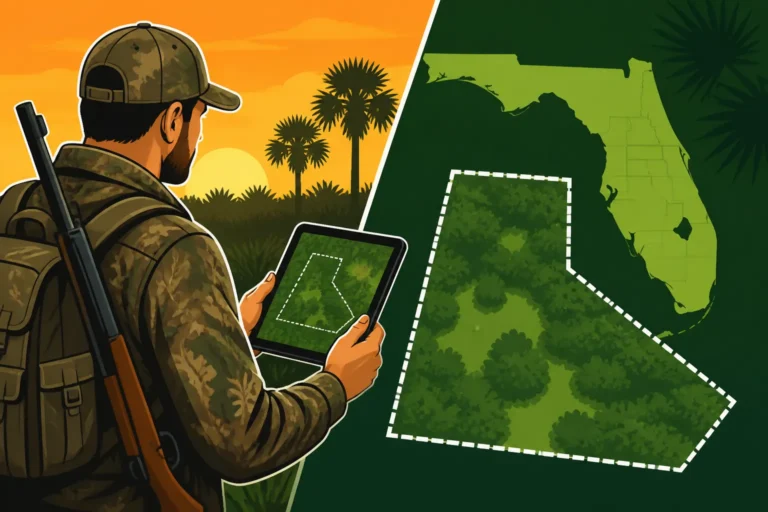
This is where technology becomes your best friend. Mapping applications like onX Hunt are invaluable for navigating Florida's public lands. They allow you to see WMA boundaries, property lines, access roads, and even contour lines (though topography is often subtle in Florida) right on your phone or GPS device. Being able to verify you're on public land and understand where private property begins is crucial to avoid trespassing. Similarly, using the FWC's own app can provide digital copies of WMA brochures and often includes mapping features that show huntable areas and regulations. Using the FWC App Without Cell Service onX Layers for Florida Land Status Don't leave home without these tools, and make sure you've downloaded offline maps, as cell service can be spotty in many remote areas.
Understanding Area-Specific Regulations and Seasons
It's not enough to just know the statewide hunting regulations; every WMA or huntable WEA unit in Highlands County will have its own specific rules. These often cover:
- Legal Weapons: Some areas may restrict certain types of firearms, like centerfire rifles, or limit shotgun shot sizes.
- Bag Limits: While statewide bag limits exist, individual WMAs might have more restrictive limits, particularly for antlered deer.
- Season Dates: WMA season dates rarely perfectly align with the general statewide seasons. Always check the WMA brochure for precise opening and closing dates for archery, muzzleloader, general gun, and small game seasons.
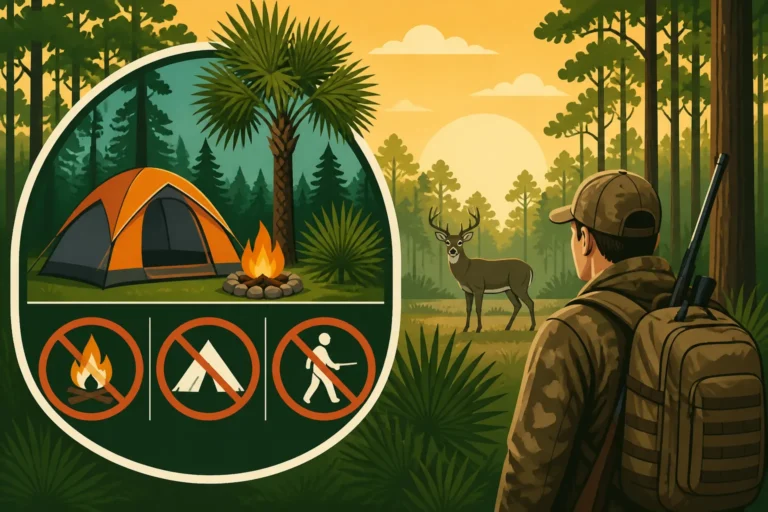
- Allowed Activities: Rules regarding camping, ATV use, dog hunting, baiting, or the use of specific types of treestands or ground blinds can vary significantly.
Failing to read the WMA brochure for your specific hunt area can lead to citations, or worse, losing your hunting privileges. These brochures are typically available on the FWC website, and often at kiosks at the WMA entrance. Take the time to study it thoroughly before your trip.
Strategies for Success in Highlands County
Hunting in Highlands County, with its unique blend of habitats and challenges, demands a thoughtful and adaptable approach. You won't succeed by simply walking into the woods. Success comes from smart scouting, adjusting your hunting style to the environment, and understanding the specific behaviors of the game you're pursuing.
Scouting Smart in Thick Florida Cover
Pre-season scouting is absolutely critical here, perhaps even more so than in areas with more open terrain. Start with "e-scouting" from home using satellite imagery from tools like onX Hunt or Google Earth. Look for natural funnels where dense cover constricts animal movement, edges where different habitat types meet, and potential water sources, especially during dry periods. Identify any oak hammocks or areas with a good mast crop, as these can be deer and hog magnets. Reading Aerial Photos for Florida Deer Don't forget to look for historical signs of use, like old trails or past rooting activity.
Once you've identified promising areas from your armchair, it's time for boots on the ground. Be prepared to walk. A lot. Focus on finding fresh sign: deer tracks in sandy roads or trails, rubs and scrapes along fencelines or oak hammock edges, and hog rooting. Pay attention to how the animals are using the terrain. Where are they bedding in the thickest palmetto? What routes are they using to access food or water? Finding Sign in a Florida Oak Hammock Thermal imaging can be a game-changer for night scouting for hogs if allowed, allowing you to cover more ground and locate sounders efficiently.
Adapting Your Hunting Style
The dense cover of Highlands County public lands often dictates a more deliberate hunting approach. Still-hunting, moving slowly and deliberately through the woods, stopping frequently to glass and listen, can be incredibly effective. Take two steps, stop for five minutes, scan every shadow and listen for the rustle of palmetto fronds. This method allows you to cover ground while being stealthy enough to encounter game without alarming them. Still-Hunting Florida Palmetto Flatwoods
Ground blinds are another excellent option, especially if you've done your scouting and identified a pinch point, a well-used trail, or a feeding area. Brush them in well, making them blend seamlessly into the surroundings. Remember, deer and hogs in pressured areas are incredibly wary of anything out of place. Using a Ground Blind on Florida Public Land Small, quiet deer drives with a few hunters can also be productive in dense palmetto heads, pushing game out to standers positioned along natural escape routes. Always prioritize safety with this method, ensuring everyone knows the plan and their shooting lanes.
Targeting Specific Game
While general hunting strategies apply, tailoring your approach to the specific game animal will greatly increase your odds:
- Deer: In Highlands County, deer are often highly localized to areas with good cover and a reliable food source. Focus on hunting the transitions between dense palmetto and more open pine flatwoods, especially during the early morning and late evening. Look for scrape lines along sand roads or at the edge of oak hammocks during the rut. Pay attention to wind direction, as Florida deer are quick to bust you if they catch your scent.
- Hogs: Feral hogs are opportunistic and will be found wherever there is food and water. They particularly love rooting in damp areas, so focus on the edges of cypress heads, creek bottoms, and any areas with soft soil where they can dig for tubers. Hunting hogs year-round means you can pursue them even outside of deer season, often leading to less crowded woods. Consider night hunting with appropriate lights if permitted in your specific WMA, as hogs are often more active after dark. Year-Round Hog Hunting in Florida
- Turkeys: Osceola turkeys in the scrub can be tough. They often roost in tall pine trees near water and spend their day foraging in more open flatwoods or along the edges of palmetto thickets. Calling can be effective, but be prepared for them to hang up just out of range in the dense vegetation. Setting up against a large tree with good visibility and being patient is key. Often, the best strategy is to locate a gobbler on the roost at dawn and then try to get as close as possible before he flies down, giving you a chance to set up and call him in. Hunting an Osceola Gobbler in Palmetto Scrub
Remember, hunting public ground in Highlands County is rarely easy, but the rewards of harvesting an animal in this unique and beautiful Florida landscape are immense. Stay persistent, stay safe, and enjoy the wild side of the Central Ridge.
Disclaimer
This article is for general informational purposes only and does not constitute professional advice. Laws, prices and regulations vary by location and change over time. Consult a qualified professional for guidance on your specific situation.