Standard Tip for a Deer Guide
Many hunters, especially those new to guided trips in Florida or coming from other states, often wrestle with the etiquette of tipping their deer guide. It's a common source of anxiety, wondering if you're doing too much, too little, or if you're even supposed to tip at all. This guide aims to clear up that confusion, offering clear, empathetic advice on how to properly acknowledge the hard work and expertise your Florida deer guide provides, whether your hunt was a resounding success or a tough day in the woods.
Understanding the "Why" Behind Tipping Your Florida Deer Guide
Let's be real: hunting guides work incredibly hard. Their passion for the outdoors and for helping others experience the thrill of the hunt often extends far beyond the actual hours spent in the stand or tracking through palmetto thickets. Tipping isn't just an arbitrary expense; it's a vital part of their livelihood and a way for you, as the hunter, to express gratitude for their dedication.
It's More Than Just a Courtesy – It's Tradition and Recognition
Think about it: your guide has likely spent countless hours scouting prior to your arrival, checking trail cameras, monitoring deer movement, and understanding the specific nuances of the local habitat. They've probably driven miles on dusty roads, checked multiple stand locations, and spent cold mornings shivering in the dark long before you even thought about your first cup of coffee. This isn't just a job; it's a lifestyle rooted in tradition, and proper tipping is a cornerstone of that professional respect.
From the moment you arrive, a good guide is focused on your experience, not just punching a tag. They are your host, your instructor, and often, your therapist after a frustrating sit. They are sharing their knowledge, their time, and often their own secret spots to give you the best possible chance. A tip acknowledges this immense effort and the professionalism they bring to their craft, ensuring that these vital traditions of the hunting community continue to thrive. It shows you appreciate their commitment to making your Florida deer hunt memorable, regardless of the outcome.
The Value a Great Guide Adds to Your Hunt
The value a guide brings extends far beyond simply putting you in a deer stand. In Florida, where the terrain can be challenging and deer behavior nuanced, a guide's local knowledge is invaluable. They understand the patterns of whitetails in dense cypress swamps or sprawling pine flatwoods. They know which food sources are hot after a summer rain, or where deer might be bedding down during a late-season cold front. Without them, you might spend days just trying to figure out the basics.
Beyond finding deer, a great guide prioritizes your safety, provides crucial insights into Tracking a Deer in Sandy Florida Soil, and can assist with everything from deciphering obscure regulations to expertly field dressing your deer in hot, humid Florida weather. They manage logistics, cook meals, and often share stories around the campfire that become just as much a part of the hunt as the chase itself. They're equipped with recovery tools, first aid, and often, a calm demeanor when things don't go as planned. This comprehensive support truly elevates a hunting trip from a solitary pursuit to a well-supported adventure.
How Much to Tip: Standard Percentages and Flat Rates in Florida
Deciding on the exact amount to tip can feel like a guessing game, but there are generally accepted norms within the hunting industry that can guide your decision. These standards reflect the hard work and expertise guides put into making your hunt successful and enjoyable.
The Industry Standard: Percentage-Based Tipping
For most guided deer hunts, particularly those that are multi-day packages with a set cost, the industry standard for tipping falls between 15-20% of the total hunt cost. This percentage is applied to the base price of the hunt, excluding things like licenses, tags, or personal gear purchases. So, if you booked a Booking a Guided Florida Deer Hunt for $2,000, a 15% tip would be $300, and a 20% tip would be $400.
This percentage reflects the comprehensive nature of a guided hunt, covering the guide's time, knowledge, effort, and all the services they provide before, during, and after the actual hunting hours. It's a widely understood practice and one that guides rely on as a significant portion of their income. Always clarify what is included in the "hunt cost" with your outfitter beforehand to ensure you're calculating the tip correctly.
Considering Flat Rates for Day Hunts or Specific Services
Not all hunts are multi-day, all-inclusive packages. For shorter trips, like a single-day hog or deer hunt, or for specific services like an afternoon spent Blood Trailing After Dark in Florida (even if it's not "your" guide), a flat rate tip might be more appropriate. These scenarios often lack a large "hunt cost" to base a percentage on.
For a productive full-day deer hunt, where the guide was actively involved and working hard, a flat rate of $150-$250 per day per hunter is a good benchmark. If the guide only provided basic access or minimal assistance, or if you were on a self-guided hunt with occasional check-ins, that amount might be adjusted down. Conversely, if they went above and beyond, found a great buck, helped with tracking through tough terrain, or assisted extensively with meat processing, you might lean towards the higher end or even more. Think about the direct effort and time they invested solely in your experience.
Factors That Influence Your Tip (Beyond Just Success)
It's tempting to base your tip solely on whether you harvested an animal, but that's a mistake. A guide controls very little about whether a deer steps into your shooting lane or whether you make a perfect shot. What they do control is their effort, attitude, and the quality of the experience they provide. These are the true metrics for your tip.
Consider these factors: Was your guide punctual, knowledgeable, and genuinely invested in your hunt? Did they put in long hours, adapt to changing conditions, and provide excellent hospitality? Did they share their expertise willingly, answer your questions, and make you feel comfortable and safe? Even if you go home empty-handed, a guide who consistently demonstrated these qualities deserves a generous tip. Conversely, if a guide was unprofessional, lazy, or seemed uninterested, it's reasonable to adjust your tip down, though this should be a rare occurrence when you've done your due diligence in Vetting a Florida Hunting Outfitter.
Here's a quick guide to common tipping scenarios:
| Scenario | Typical Tip Range | Considerations |
|---|---|---|
| Successful Multi-Day Guided Hunt | 15-20% of Hunt Cost | Guide worked hard, provided excellent service, made the experience memorable. |
| Unsuccessful Multi-Day Guided Hunt | 10-15% of Hunt Cost | Guide put in maximum effort, great attitude, just no deer appeared. Tip for effort! |
| Productive Day Hunt (Successful Harvest) | $150 – $250 / day | Guide was hands-on, found deer, helped with recovery and processing. |
| Unsuccessful Day Hunt (Good Effort) | $100 – $150 / day | Guide worked hard all day, good attitude, conditions tough. |
| Guide for Specific Service (e.g., Blood Trailing) | $50 – $100 (flat) | Depending on time and difficulty of service. |
| Exceptional Service / Going Above & Beyond | 20%+ of Hunt Cost / Higher Flat Rate | Exceeded expectations, extra effort, personalized attention. |
| Subpar Service / Unprofessional Guide | Less than 10% or No Tip | Only in rare cases of neglect or poor conduct, after careful consideration. |
Practical Considerations for Tipping Your Guide in the Sunshine State
Once you've decided on an amount, the "how" and "when" of tipping can also make a difference in how your gesture is received. There are some unwritten rules that are good to follow to ensure your tip is delivered respectfully and appreciated.
Cash is King: The Preferred Method
While we live in an increasingly cashless society, when it comes to tipping your guide, cash is almost always king. There are a few key reasons for this. First, it's immediate. Guides often wrap up one hunt and head straight into scouting for the next, or they might not have easy access to banks or ATMs in remote areas. Cash allows them to use it right away for personal expenses or to invest back into their equipment.
Second, it's discreet and direct. There are no processing fees for the guide, no waiting for checks to clear, and it simplifies their accounting. Many guides operate as independent contractors or small businesses, and cash tips are a straightforward way for them to receive their earnings. Always try to have the cash prepared before the end of your hunt, preferably in smaller denominations to avoid any awkwardness. This forethought shows an extra layer of respect and appreciation.
When and How to Present Your Tip
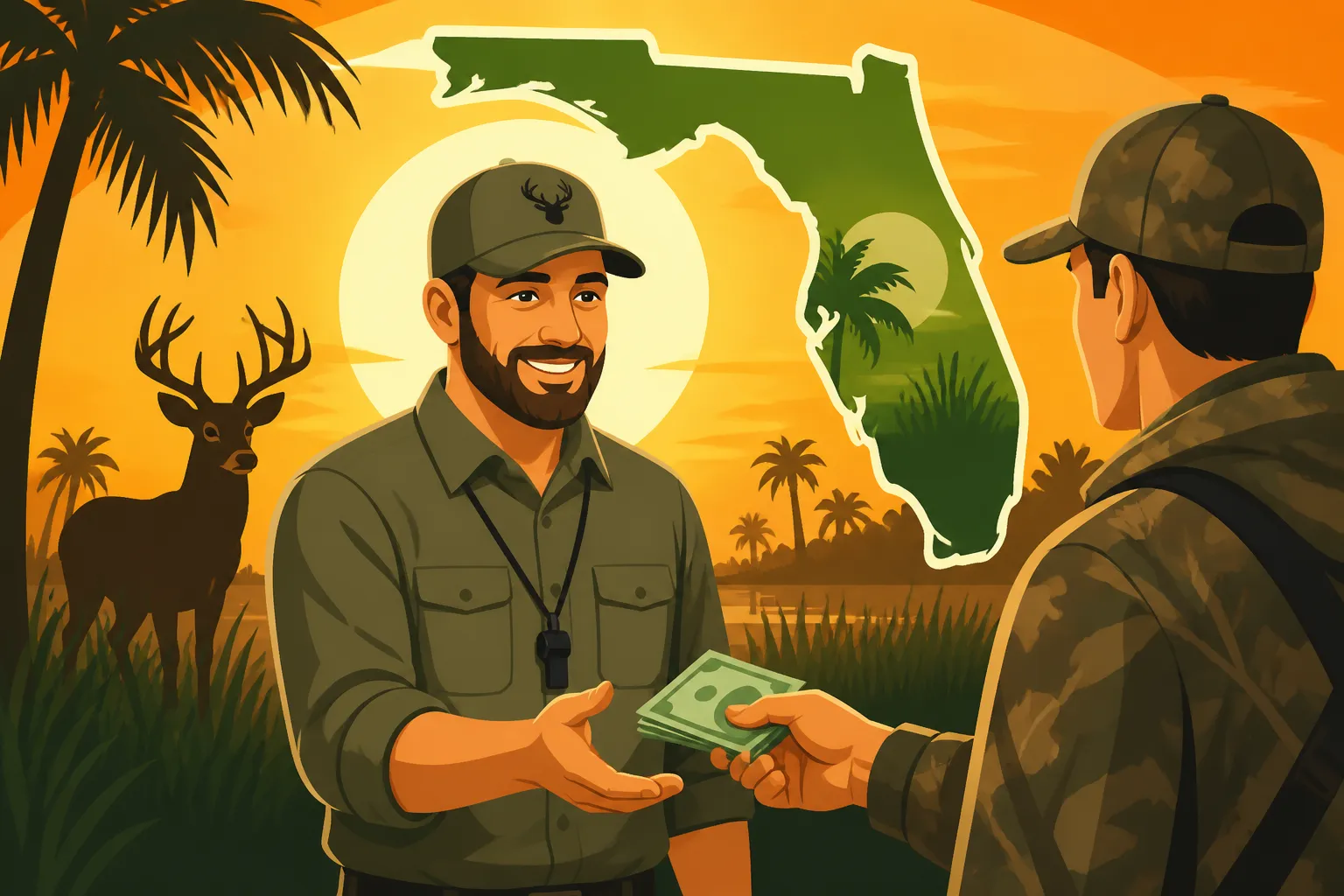
The timing and manner of presenting your tip are just as important as the amount. The general rule of thumb is to present your tip at the very end of the hunt, just before you depart or during a final farewell. This allows the guide to have completed all their duties and for you to fully reflect on the entire experience.
It's best to offer the tip privately, if possible. A quiet moment where you can shake their hand, look them in the eye, and genuinely thank them for their hard work and the experience they provided, is much more meaningful than a public display. A simple, "Thank you so much for everything, I really appreciate your hard work. This is for you," while handing them an envelope or folded cash, is perfect. It’s a moment of personal connection and acknowledgment for the shared experience in the field, whether it was spent Still-Hunting Florida Palmetto Flatwoods or glassing a power line.
What if Your Hunt Wasn't Successful?
This is perhaps the most common question and source of anxiety for hunters: "Do I still tip if I didn't kill anything?" The unequivocal answer is yes, you absolutely should tip, assuming the guide put in the effort. As we discussed, a guide's performance is measured by their effort, knowledge, professionalism, and commitment to your experience, not solely by whether you pulled the trigger.
Think about it: your guide can't control the weather, the movement of a mature buck, or your marksmanship. They can only control their dedication to giving you the best opportunity. If your guide worked tirelessly, scouted hard, put you in good positions, and maintained a positive attitude despite challenging conditions, they deserve to be compensated for that effort. An unsuccessful hunt can be even more work for a guide, as they might have had to adjust plans constantly or work harder to try and locate animals. Your tip acknowledges their commitment to the entire process, not just the final result, and ensures they'll be there to help future hunters (and perhaps you again!) chase Florida Deer Harvest Records.
Common Questions and Ethical Considerations
Beyond the basics, there are often nuances and specific situations that can make tipping a little more complicated. Let's tackle some of those common questions and ethical considerations you might encounter on a Florida hunting trip.
Tipping for Multiple Guides or Lodge Staff
On larger operations or lodge-based hunts, you might encounter multiple individuals who contributed to your experience – from the head guide to assistant guides, cooks, cleaners, and even skinners. It's important to recognize everyone who made your trip enjoyable and efficient.
Often, if there's a head guide, you can give them a single tip and ask them to distribute it among the rest of the staff. However, a more personal touch is to tip individuals directly for their specific contributions. For instance, if a camp cook prepared delicious meals every day, a separate tip for them is a kind gesture. Assistant guides, particularly those who spent significant time with you in the field, should receive a portion commensurate with their direct interaction and effort. The lodge or outfitter might have guidelines, so don't hesitate to ask discreetly if tips are shared or if individual recognition is preferred. This applies to any Florida deer camp, from rustic to luxurious, maintaining those Florida Deer Camp Traditions.
Handling Unsatisfactory Guide Performance
While rare, there might be an instance where a guide's performance is genuinely unsatisfactory due to a lack of effort, unprofessionalism, or even safety concerns. This is a tough situation, and it's where you might consider reducing your tip or, in extreme cases, withholding it entirely. However, this decision should not be taken lightly.
Before reacting, honestly assess the situation. Was the guide truly negligent, lazy, or unsafe? Or were there simply circumstances beyond their control? If you genuinely feel the guide did not uphold their end of the bargain – perhaps they were habitually late, unprepared, or displayed a poor attitude – it is acceptable to adjust your tip accordingly. In such instances, consider also speaking with the outfitter or lodge owner about your experience. This feedback is crucial for them to maintain quality standards and is far more constructive than simply stiffing a guide without explanation. Thankfully, most reputable outfitters are invested in client satisfaction and ensure their guides are top-notch.
Researching Guides and Setting Expectations
One of the best ways to ensure a positive guiding experience, and in turn, feel confident about your tip, is to do thorough research before you book. Platforms like BookYourHunt and GoHunt are fantastic resources for this. They often feature detailed profiles of guides and outfitters, including client testimonials, photos, and information about their services. Reading these reviews can give you a real sense of a guide's reputation, their success rates, and the quality of the experience they provide.
When you're trying to figure out What a Guided Florida Deer Hunt Costs, these sites can also help you compare prices and understand what's typically included in a package. Before committing, always have a clear conversation with the outfitter or guide about what to expect, what's covered, and any specific requests you might have. Understanding these details upfront helps set realistic expectations for your hunt and ensures you're partnering with a professional who aligns with your hunting goals, whether you're after a trophy buck or just want to experience Hunting Florida's Zone A August Opener. Good communication and thorough research are key to a fulfilling hunt and a deserved tip.
Disclaimer
This article is for general informational purposes only and does not constitute professional advice. Laws, prices and regulations vary by location and change over time. Consult a qualified professional for guidance on your specific situation.