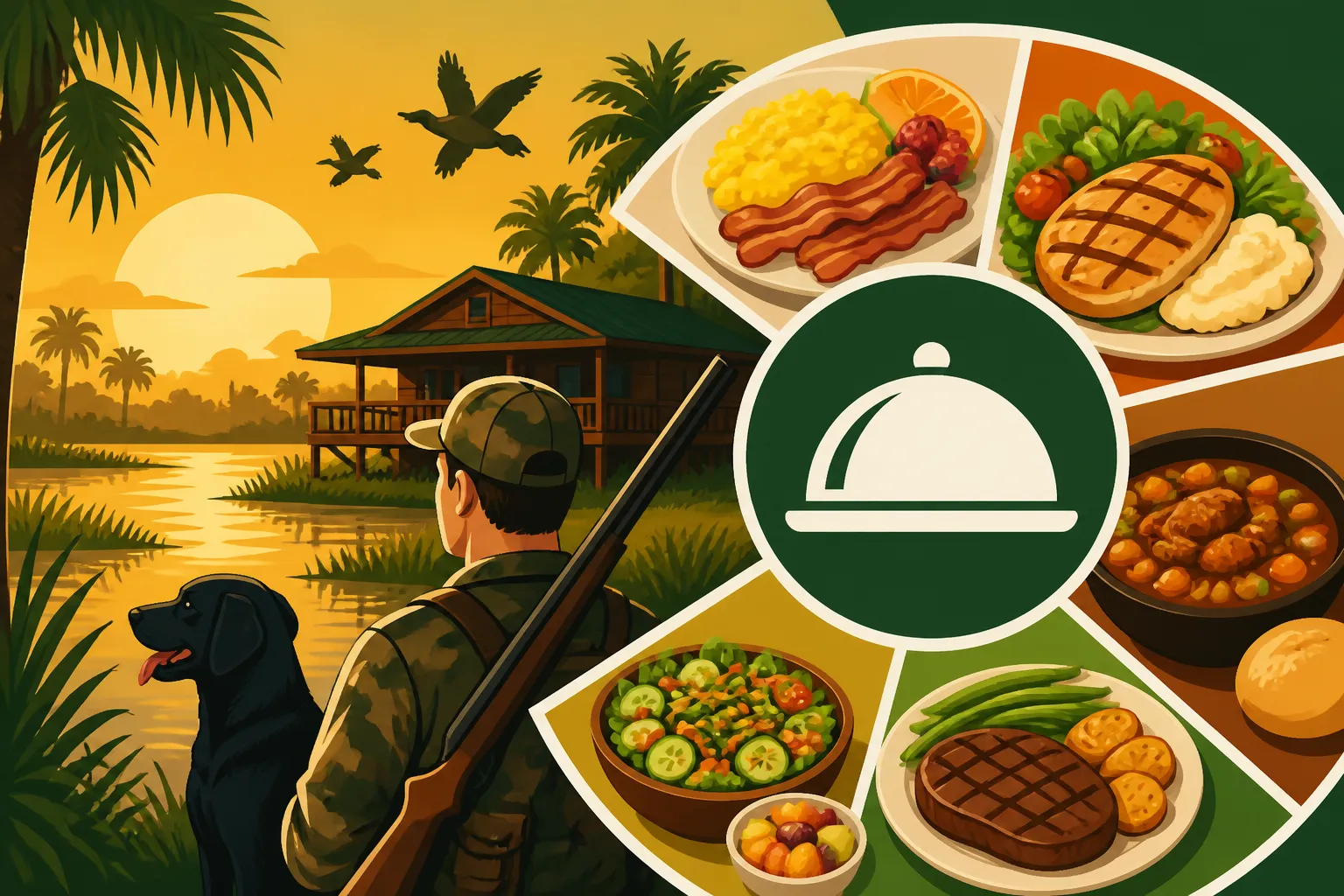
What Meals a Florida Lodge Package Includes
When you're dreaming of a Florida hunting adventure, your mind is probably filled with images of stealthily moving through palmetto flats, the thrilling gobble of an Osceola, or perhaps the rush of a charging wild hog. You’re focused on the hunt itself, the gear, the strategy – all the exciting stuff. But let’s be honest, there's another crucial element that can make or break a trip: the food! Nobody wants to be left wondering if they’ll be fueled up for an early morning hunt or facing unexpected grocery runs after a long day in the field. This guide dives deep into what you can genuinely expect regarding meals when you book a Florida hunting lodge package, helping you prepare for a well-fed and successful experience.
Decoding Standard Meal Inclusions in Florida Hunting Lodge Packages
It’s easy to assume that a "full-service" lodge means all your meals are covered, but the reality can have nuances. Most reputable Florida hunting lodges pride themselves on providing hearty, satisfying meals that cater to the energy demands of a hunter. They understand that you’re not just on vacation; you’re working hard, rising early, and staying focused for long hours. The specific offerings can vary, but there's a common rhythm to how meals are structured, built around the hunting schedule.
The All-Important Morning Fuel-Up
Those early morning alarms come quickly, often well before the sun even thinks about peeking over the horizon. You need a solid start to your day to stay sharp and focused in the field. Most lodge packages will include breakfast, but the style can differ significantly.
Many lodges will offer a continental-style breakfast for those truly pre-dawn departures, perhaps a selection of pastries, fruit, yogurt, and plenty of coffee. This allows hunters to grab something quick and be out the door without delay. For hunts with a slightly later start, or for those days when you're returning to the lodge before heading out again, you might find a full, hot breakfast awaiting you. Think scrambled eggs, bacon, sausage, grits (a Southern staple!), and toast. It’s the kind of stick-to-your-ribs meal that truly prepares you for a long morning of tracking deer or calling turkeys. When you're looking at different options, it’s always wise to clarify what kind of breakfast is offered and at what times, especially if you have a specific hunting schedule in mind. You don't want to miss that crucial first light setup because you're waiting for eggs!
Midday Sustenance: From Field Lunches to Lodge Returns
The midday meal is where you'll see some of the greatest variations in Florida hunting lodge packages, simply because hunting schedules don't always align with traditional lunch breaks. For hunts where you're out in the wilderness all day, like many Year-Round Hog Hunting in Florida excursions or extended deer drives, a packed lunch is almost always the go-to.
These typically consist of sandwiches, chips, fruit, a cookie or snack bar, and a bottled drink. They’re designed to be portable, eaten quickly in the blind or under a shady oak, and provide enough energy to power you through the afternoon. Some lodges might even have a cooler stocked with drinks and snacks available throughout the day. If your hunt involves returning to the lodge for a few hours, perhaps during a midday lull, you might be treated to a hot lunch. This could range from hearty soups and sandwiches to a full, home-cooked meal, giving you a chance to warm up, relax, and refuel properly before heading back out. Always ask if lunches are packed or served hot, as this can greatly influence your comfort and planning for the middle of the day.
Evening Feasts: Celebrating the Day's Hunt
Dinner is often the highlight of the day at a Florida hunting lodge. It’s a time for hunters to gather, share stories from the field, and enjoy a well-deserved, substantial meal. Most lodge packages will include a full, hot dinner, and this is where many operations really shine. You can expect Southern-style comfort food – think fried chicken, pot roast, barbecue, fresh local fish, often served with plenty of vegetables, mashed potatoes, and cornbread. Desserts are usually on offer too, a sweet end to a long day.
Many lodges operate with a communal dining experience, which is a fantastic way to connect with fellow hunters and guides. This atmosphere often leads to lively discussions about Florida Deer Camp Traditions, successful Rattling and Grunting Florida Bucks strategies, or even just the beauty of Hunting Florida's Cypress Swamp Edges. The quality and variety of dinner can be a major selling point for a lodge, with some even offering gourmet meals prepared by dedicated chefs. When evaluating packages, don't hesitate to ask about example dinner menus. This meal isn’t just about filling your stomach; it’s a vital part of the overall hunting experience, fostering camaraderie and a sense of shared adventure.
Package Tiers and How They Influence Your Dining Experience
Just like hunting itself, not all lodge packages are created equal. The type of lodge, the price point, and even the specific game you're pursuing can all play a role in what kind of culinary experience you’ll have. It’s important to understand these distinctions to set realistic expectations and choose the best fit for your needs and budget.
Budget-Friendly Versus Premium Lodge Offerings
The old adage "you get what you pay for" often holds true in the world of hunting lodges. A more budget-friendly lodge might offer simpler, but still satisfying, fare. Their focus might be on efficient, practical meals designed to fuel you up without too many frills. Think hearty, home-style cooking, often served buffet-style. The ingredients will be fresh, and the portions generous, but perhaps not gourmet. These lodges are fantastic for hunters who prioritize the hunt itself and appreciate good, honest food without a hefty price tag.
On the other hand, premium or luxury lodges often boast a more elevated dining experience. This could include dishes prepared by professional chefs, a wider variety of menu options, locally sourced ingredients, and perhaps even wine pairings with dinner. They might offer more extensive snack and beverage options throughout the day, and even special post-hunt celebrations. When researching, sites like GoHunt or BookYourHunt often detail the level of amenities, including dining, which can help differentiate these tiers. If fine dining is a key part of your ideal hunting getaway, be sure to inquire specifically about the culinary program and read reviews mentioning the food quality.
Self-Catered Options and Partial Meal Plans
Not every hunting lodge or outfitter provides a full meal service. Some operations, particularly those focused on more independent hunters or smaller groups, might offer self-catered options. This usually means the lodge has a fully equipped kitchen where you and your group can prepare your own meals. This is a great choice for hunters who enjoy cooking, have specific dietary needs that are hard to accommodate, or simply want to save a bit of money on the package price. You’ll be responsible for bringing all your groceries, but it offers immense flexibility.
Other lodges might offer partial meal plans, such as only providing dinner, or breakfast and dinner, leaving lunch up to you. This can be a good middle-ground, giving you some culinary support while allowing you to manage certain meals yourself. Always clarify what is explicitly included and what isn't. It’s a common pitfall to assume "lodge stay" means "all meals included," only to arrive and find you need to plan for half your food yourself. Asking for a detailed itinerary and inclusions list is crucial when you are considering Florida Hunting Lodges and Packages.
Specialty Hunts: Alligator, Hog, and Turkey Focus
The type of game you're after in Florida can also subtly influence the meal experience. For instance, an Alligator Hunting Florida's Lakes and Rivers trip might involve a lot of night hunting, meaning meal timings could be unconventional, with late-night snacks or early morning "breakfast for dinner" scenarios. Hog hunts, particularly Night Hunting Hogs With Lights in Florida, often involve staying out late, so a grab-and-go lunch might transition into a very late dinner.
Turkey hunting, especially for elusive Osceolas, can require hunters to be in the woods at the earliest possible light, meaning a simple breakfast before the hunt and a more substantial meal upon return. Some guides might even incorporate wild game into the lodge meals, offering a taste of what you’ve harvested, though this is less common with alligators due to processing complexities. The pace and demands of these different hunts can dictate the practicality of meal service, so don't be surprised if a lodge specializing in certain species has a slightly different approach to dining.
Navigating Special Dietary Needs and Preferences
In today's world, it’s increasingly common for people to have dietary restrictions, allergies, or specific preferences. You might be gluten-free, vegetarian, have a nut allergy, or just prefer to eat clean while on your trip. It's totally understandable to worry about how these needs will be met when you’re relying on a lodge for your meals. The good news is that many Florida hunting lodges are becoming more adept at accommodating these requests, but it absolutely requires proactive communication on your part.
Communicating Your Requirements Proactively
The single most important step you can take to ensure your dietary needs are met is to communicate them clearly and as early as possible. Ideally, this should happen when you first book your trip or, at the very latest, several weeks before your arrival. Don't wait until you're sitting down for your first meal to mention a severe allergy. When speaking with the outfitter or lodge manager – perhaps after checking options on GoHunt or directly with their booking agent – be specific.
Instead of just saying "I'm gluten-free," explain what that means for you (e.g., "I need gluten-free bread for sandwiches and cannot have cross-contamination with wheat-based products"). For allergies, emphasize the severity. Providing advance notice gives the lodge staff time to plan menus, purchase special ingredients, and train their kitchen team. Most lodges genuinely want to provide a good experience, but they can only do so if they're prepared. This kind of planning also prevents last-minute stress for both you and the kitchen staff. Don't assume anything; explicitly ask what they can and cannot accommodate.
Common Accommodations and Potential Limitations
Many lodges can easily handle common dietary needs like vegetarianism, low-carb requests, or mild gluten sensitivities (e.g., providing gluten-free bread options). They’re usually set up to make minor modifications to dishes or offer alternative components. For instance, if the main meal is a pasta dish, they might have a grilled chicken and vegetable option available.
However, more complex or severe restrictions, like multiple severe allergies, veganism, or specific religious dietary laws, might be more challenging. Remote lodges might not have access to specialty grocery stores, and kitchen space can be limited, making cross-contamination a real concern for severe allergies. It's not that they don't want to help, but their resources might be constrained. Be realistic about what a hunting lodge in a rural setting can reasonably provide. In some cases, a lodge might inform you that while they will do their best, they cannot guarantee zero cross-contamination for severe allergies, which is important information for your safety. Always prioritize your health and well-being.
Supplementing Your Meals: What to Bring From Home
Even with the best communication, there might be times when you feel more comfortable bringing some of your own supplemental food. This is a smart strategy, especially if you have very specific preferences or severe allergies. Packing a supply of your favorite gluten-free snacks, protein bars, or even a few emergency meals (like instant oatmeal or ready-to-eat pouches) can provide peace of mind. For those heading out on a Bowhunting Florida's Zone A August Opener hunt where the days are long and hot, having a personal stash of electrolyte mixes or energy gels can be a lifesaver.
Consider bringing specialty breads, cereals, or milk alternatives if those are critical to your daily routine and you're unsure of the lodge's stock. Most lodges are fine with guests bringing their own snacks, especially for personal dietary reasons, but it's always polite to confirm this policy beforehand. Having your own stash ensures you're never caught hungry or without a safe option, allowing you to focus fully on the hunt.
Beyond the Main Meals: Snacks, Beverages, and Extras
While breakfast, lunch, and dinner form the backbone of your culinary experience at a Florida hunting lodge, the little extras can truly enhance your stay. From staying hydrated in the Florida heat to celebrating a successful harvest, these additional offerings contribute significantly to the overall comfort and enjoyment of your trip.
The Role of Refreshments Throughout the Day
Hunting in Florida, especially during early seasons like Hunting Florida's Zone C Early Archery, can be incredibly warm and humid. Staying hydrated is paramount. Most quality lodges will have water, coffee, and often iced tea or lemonade readily available throughout the day. Some might include a selection of soft drinks or even a small cooler of drinks to take into the field. If you have a specific preference for sparkling water, specialty teas, or energy drinks, it’s best to either pack them yourself or inquire if the lodge can provide them (often for an additional cost).
Alcohol policies vary widely. Some lodges might include a glass of wine or beer with dinner, while others might operate on a "bring your own" policy. A few might even have a small cash bar. Always check these details in advance so you can plan accordingly. There's nothing quite like unwinding after a long day in the woods, swapping stories, and enjoying a refreshing drink. This contributes to the overall camaraderie, which is a big part of the appeal of a guided hunt.
Post-Hunt Traditions and Celebration Dinners
Bringing down a beautiful Florida buck or calling in a gobbler is an experience worth celebrating. Many lodges understand this and incorporate these moments into the dining experience. While not always a separate "celebration dinner," the evening meal on a day of successful harvest often takes on a special significance. It's a chance for guides and fellow hunters to congratulate you, share stories of your success, and perhaps even toast to the hunt. This is where the communal aspect of lodge hunting really shines.
In some cases, especially after a particularly challenging or rare harvest, a lodge might offer a special touch – perhaps a celebratory dessert or a unique drink. This informal but cherished tradition is part of what makes a guided hunt feel so personal and memorable. You might even find opportunities to have your harvested game prepared by the lodge chef, though this usually requires advance arrangement and often specific processing to ensure it's ready for the kitchen. Discussing options for Butchering a Deer at Camp or Cooking a Wild Florida Hog with your guide can open up some fantastic culinary experiences that truly connect you to your harvest.
When comparing Florida hunting lodge packages, remember that the meals are not just about sustenance; they're an integral part of the overall experience. By asking the right questions upfront, communicating your needs clearly, and understanding the different tiers of service, you can ensure your culinary journey is as satisfying as your hunt.
| Meal Type | Typical Inclusions | Common Variations | Considerations |
|---|---|---|---|
| Breakfast | Coffee, pastries, fruit, yogurt, eggs, bacon/sausage, grits | Continental "grab-and-go" vs. full hot breakfast | Timing is crucial for early starts; clarify what's offered |
| Lunch | Sandwiches, chips, fruit, snack bar, bottled water | Hot lunch back at lodge vs. packed field lunch | Depends heavily on hunt schedule; confirm portability |
| Dinner | Hearty Southern fare, meat/fish, vegetables, dessert | Gourmet options vs. home-style cooking; communal dining | Often the highlight; inquire about sample menus and atmosphere |
| Snacks/Drinks | Water, coffee, iced tea | Soft drinks, energy drinks, alcoholic beverages (often extra) | Hydration is key in Florida; clarify alcohol policy and availability |
Disclaimer
This article is for general informational purposes only and does not constitute professional advice. Laws, prices and regulations vary by location and change over time. Consult a qualified professional for guidance on your specific situation.