Shipping a Trophy Home From Florida
So, you've just wrapped up an incredible hunting trip in the Sunshine State, perhaps bagging a trophy buck from the Panhandle or wrestling a gator out of a Central Florida lake. The adrenaline is still pumping, the memories are fresh, and you're already dreaming of that mount on your wall. But then reality sets in: how on earth do you get this prized possession, whether it's a set of impressive antlers or a full alligator hide, all the way home? Especially if "home" is thousands of miles away. It's a common headache for many hunters, but don't worry, we're going to break down everything you need to know about shipping your hard-earned Florida trophy.
Understanding Your Trophy: What Are You Shipping?
Before you even think about boxes and postage, you need to understand exactly what kind of trophy you have. Not all trophies are created equal when it comes to shipping; a set of bleached deer antlers is vastly different from a fresh alligator hide. The initial field care you provide, or have provided by a professional, is going to dictate a lot of your shipping strategy.
The Different Types of Trophies and Initial Care
Florida offers a unique array of game, and with that comes a diverse range of trophies. For deer hunters, you might be looking at a beautiful set of antlers. Sometimes this means just the antlers with a small skull plate, often called a European mount, or you might have caped the animal for a shoulder mount, meaning the antlers are still attached to the skull and a significant portion of the hide. The latter requires far more careful preservation. Turkey hunters often keep the fan, beard, and spurs – smaller items but still delicate.
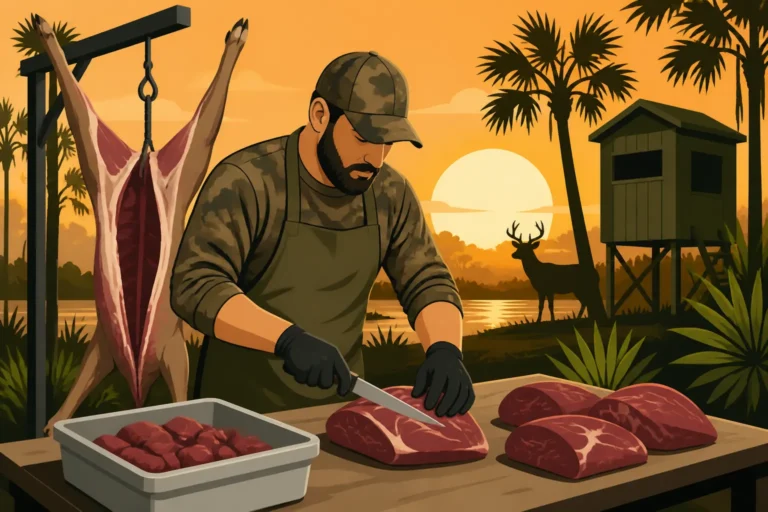
Then we have the more unique Florida trophies. Alligator hunters might be shipping a full hide, a skull, or the ever-popular head mount. Black bear hunters, if fortunate enough to draw a tag and fill it, will likely have a skull and hide. Even feral hogs, a year-round hunting opportunity in Florida, offer cool skull mounts with impressive tusks. The common thread for any of these, especially if you're not getting a European mount done right there, is that the soft tissue, fat, and brain matter must be removed, and the hide either thoroughly salted or frozen solid, and the skull cleaned, to prevent spoilage and unpleasant odors during transit. Improper care at this stage can ruin your trophy and make shipping nearly impossible.
Fresh vs. Preserved Trophies
This distinction is absolutely critical. A "fresh" trophy refers to any part that still has soft tissue, blood, or is not fully dried or tanned. Think of a freshly caped deer hide that hasn't been salted, or a green alligator hide straight off the animal. Shipping these requires strict adherence to perishable guidelines, often involving rapid freezing and specialized packaging to maintain temperature. The window for shipping perishable trophies is incredibly small, and any delay can lead to spoilage, odor, and even attracting pests. Imagine the surprise of the mail carrier when they discover what's leaking from your package!
A "preserved" trophy, on the other hand, has undergone significant processing. This could mean a deer hide that has been fleshed, thoroughly salted, and dried for weeks, or a cleaned and bleached European skull mount. Alligator hides are often salted and dried, or tanned, before being shipped. Skulls intended for taxidermy or display are typically boiled clean or macerated, degreased, and then dried. Once a trophy is properly preserved, it's much more stable, less prone to spoilage, and far easier (and less stressful) to ship. This is why many hunters opt to leave their fresh trophies with a local Florida taxidermist, allowing the professional to handle the initial preservation steps before shipping the raw components to a taxidermist back home or waiting until the finished product is ready for transport.
Navigating Regulations and Documentation
The last thing you want after a successful hunt is to have your trophy confiscated or delayed due to a paperwork snafu. Shipping game animals, especially across state or international lines, is not like sending a birthday gift. There are layers of regulations you simply can't ignore.
Interstate vs. International Shipping Rules
If you're shipping your trophy to another state within the U.S., you're primarily dealing with federal regulations concerning interstate transport of game, as well as the specific import laws of your destination state. Most states require proof of legal harvest, such as your hunting license, the original tag, and a harvest report confirmation. For deer, don't forget Florida Deer Reporting Requirements – filling this out accurately and promptly is key. For certain species, like black bears, there might be federal rules that require specific documentation to move parts across state lines, even if legally harvested. Always check with the wildlife agencies of both Florida and your home state before you ship.
International shipping is a whole different beast. Here, you'll encounter import/export declarations, potentially CITES (Convention on International Trade in Endangered Species of Wild Fauna and Flora) permits, and customs duties. Alligators, while plentiful in Florida, are a CITES Appendix II species, meaning moving their hides or parts internationally requires a CITES tag issued by the state, usually obtained at the time of harvest or through a licensed processor. Ignoring Florida CITES Tag Requirements for an alligator trophy destined overseas could lead to serious legal trouble and the loss of your trophy. These rules are in place for good reasons, and attempting to circumvent them is a costly mistake.
Essential Paperwork
Let's talk about the stack of papers you absolutely need to keep track of. Your Florida hunting license and the physical tag that was attached to your animal are paramount. For deer, turkey, and bear, you'll have either reported the harvest online or through an app, and having that confirmation number or a printed copy is vital. For alligators, that official CITES tag, often a small metal tag, must remain with the hide or skull until it's processed. Losing it is a nightmare.
If you're using a taxidermist or a meat processor in Florida, they will often provide you with a receipt or a statement that details the species, date of harvest, your information, and their services. This documentation is crucial, especially if they are the ones handling the initial stages of preservation or preparing the item for shipping. If you're shipping a finished mount from a taxidermist, they'll often include their own shipping manifest and declarations. For international shipments, expect to fill out customs declaration forms that specifically ask about wildlife products, their origin, and their value. Double-check everything, because a missing signature or an incorrect date can hold up your trophy for weeks, or worse.
| Trophy Type | Key Documentation Needed | Preservation for Shipping | Primary Shipping Method Considerations |
|---|---|---|---|
| Deer Antlers/Skull | Hunting License, Deer Tag, Harvest Report | Dried, Cleaned | Commercial carrier (UPS, FedEx, USPS), well-padded box |
| Deer Cape/Hide | Hunting License, Deer Tag, Harvest Report | Salted & Dried, or Frozen | Salted: Sturdy box; Frozen: Insulated cooler, expedited shipping |
| Turkey Fan/Beard/Spurs | Hunting License, Turkey Tag, Harvest Report | Dried, Cleaned | Commercial carrier, carefully protected against crushing |
| Alligator Hide/Skull | Hunting License, Alligator Permit, CITES Tag | Salted & Dried, or Tanned | Professional crating, specialized freight (especially for large items) |
| Bear Skull/Hide | Hunting License, Bear Permit, Harvest Report | Salted & Dried, or Frozen | Similar to deer cape; freight for large hides |
| Hog Tusks/Skull | Hunting License (if applicable on WMA), no tag | Dried, Cleaned | Commercial carrier, sturdy packaging |
Packaging Your Trophy for Safe Transit
Shipping a trophy isn't just about sticking a label on a box. The way you prepare and package your item is critical for its safe arrival, ensuring it doesn't get damaged, spoil, or cause issues for the shipping carrier.
Preparing Antlers, Skulls, and Smaller Trophies
For antlers, whether on a skull plate or as a full European mount, the key is thorough drying and protection. Ensure any remaining tissue is completely removed, and the bone is dry to prevent rot and odor. You can typically bleach them lightly before shipping if desired. Once dry, wrap each antler tip generously in bubble wrap, foam, or even old towels. Then, find a sturdy cardboard box, ideally one that allows the antlers to fit without excessive pressure on the tips or main beams. Fill any remaining void space with packing peanuts, crumpled newspaper, or more bubble wrap to prevent movement during transit. You want that trophy to be snug and secure, not rattling around. For delicate items like turkey fans, creating a custom cardboard enclosure within a larger box can prevent crushing. Spurs and beards should be placed in small, secure containers within the main package.
When I shipped a set of Panhandle antlers home to Georgia a few years back, I made the mistake of not wrapping the antler tips enough. Despite my best efforts, one tip poked through the box and got a little dinged up. Learn from my mistake – over-pack those fragile points!
Packaging Hides and Alligator Parts
Hides, whether deer, bear, or alligator, present a unique challenge. If you're shipping a fresh hide, it absolutely must be frozen solid. Wrap it tightly in several layers of heavy-duty plastic bags, then place it in a thick-walled insulated cooler. This isn't just a regular picnic cooler; think serious, durable coolers designed for long-term ice retention. Even then, you'll need to use plenty of dry ice or gel packs and select an expedited shipping service (next-day or two-day air) to ensure it stays frozen. This gets expensive, fast.
A far more reliable method for hides is proper salting and drying. A fleshed deer hide, thoroughly rubbed with non-iodized salt (like rock salt or pickling salt) and allowed to dry for several weeks in a cool, well-ventilated area, becomes much more stable. Once dry and stiff, it can be folded or rolled and placed in a heavy-duty contractor bag, then boxed. Alligator hides often go through a similar process, or a professional taxidermist will pickle and tan them before shipping. For alligator heads or skulls, ensure they are completely fleshed, degreased, and dried. Many hunters opt for a professional taxidermist in Florida to handle the initial cleaning and preservation of gator heads before shipping them as raw skulls. Shipping these larger, heavier items might require custom-built wooden crates to ensure they arrive undamaged. You don't want to Harvesting an Alligator With a Bang Stick only to have the head damaged in transit!
Choosing the Right Shipping Method
Once your trophy is properly prepped and packaged, the next hurdle is deciding how to ship it. Your choice will depend on the trophy type, its preservation status, its size and weight, your budget, and how quickly you need it home.
Commercial Carriers (UPS, FedEx, USPS)
For smaller, non-perishable items like dried deer antlers, turkey fans, or cleaned hog skulls, standard commercial carriers like UPS, FedEx, or USPS are usually the most cost-effective option. You can typically package these yourself and drop them off. However, always double-check their specific policies regarding shipping animal parts. Some carriers have restrictions on certain items, and you certainly don't want to misrepresent the contents. Make sure to declare the item accurately.
If you are shipping anything even remotely perishable, you must use their expedited services (e.g., FedEx Priority Overnight or UPS Next Day Air). This significantly increases the cost but is often the only way to ensure frozen items stay frozen. Even then, pack with ample dry ice and a robust cooler. Remember, these carriers are handling a huge volume of packages, and delays can happen. While they offer tracking and insurance, filing a claim for a spoiled trophy is a heartbreaking process. This is often where a reputable taxidermist comes in handy, as they regularly deal with these carriers and understand the nuances of shipping wildlife.
Specialized Freight and Wildlife Transporters
For very large, heavy, or sensitive trophies – think a full-size bear rug, a large alligator mount, or multiple finished deer mounts – commercial freight companies or specialized wildlife transporters become a more viable, though more expensive, option. These companies are equipped to handle oversized or unusually shaped packages, and some even specialize in taxidermy shipments. They understand the unique requirements, including documentation, and can often provide custom crating services.
Many hunting outfitters in Florida work directly with these types of transporters, especially for their out-of-state and international clients. If you're booking a guided hunt, ask them about their preferred shipping methods and contacts. Services like BookYourHunt and GoHunt, which connect hunters with outfitters, can be a good starting point to find guides who offer these types of post-hunt services. While the upfront cost for specialized freight is higher, the peace of mind knowing your trophy is in expert hands can be invaluable. This route also tends to be more reliable for delicate or high-value finished mounts.
Working with Your Taxidermist
For many hunters, especially non-residents, working with a professional taxidermist in Florida is hands down the simplest and most reliable solution. Here's how it often works:
- Field Care: You provide the initial field care yourself, or your guide helps you (e.g., Field Dressing a Deer in Hot Weather).
- Drop-off: You drop off the raw trophy (hide, skull, antlers) with a local Florida taxidermist. You can often find a good one by asking your outfitter or by doing a quick search for Finding a Taxidermist Near Your Hunt.
- Initial Preservation: The taxidermist handles all the fleshing, salting, cleaning, and preparation of the raw materials. They ensure everything is properly preserved and documented according to FWC rules.
- Shipping Raw Materials: If you want your home taxidermist to do the actual mounting, the Florida taxidermist can ship the preserved raw materials directly to them. This is often more cost-effective than shipping a finished mount.
- Finished Mount Shipping: Alternatively, you can have the Florida taxidermist complete the entire mount. Once it's ready (which can take a significant amount of time, sometimes a year or more), they will handle all the professional packaging, crating, documentation, and arranging for a reputable freight carrier to ship the finished trophy directly to your home.
This method takes a lot of the logistical burden off your shoulders. Taxidermists are experts in handling, preserving, and shipping animal parts, and they know the relevant regulations inside and out. They are typically set up with commercial accounts for shipping and can advise on the best, safest, and most compliant methods for your specific trophy.
Costs and Considerations for Shipping
Let's be realistic: shipping a trophy home isn't cheap. It's an investment, much like the hunt itself. Understanding the various cost factors and potential pitfalls can help you budget appropriately and avoid unwelcome surprises.
Factors Influencing Shipping Costs
The price tag on shipping can vary wildly. The most significant factors are:
- Size and Weight: Larger, heavier items inherently cost more to ship, especially via freight. Oversized packages may incur additional surcharges.
- Destination: Shipping across the country will be more expensive than shipping to a neighboring state. International shipping, with customs fees and duties, escalates costs significantly.
- Speed of Delivery: Next-day air for a perishable hide is exponentially more expensive than ground shipping for a dried set of antlers.
- Type of Service: Standard ground shipping is cheapest; specialized freight or white-glove taxidermy transport services are the most expensive.
- Insurance: Always insure your trophy for its replacement value, which includes the cost of the hunt, the taxidermy, and the trophy itself. This adds to the cost but protects your investment.
- Packaging: Professional crating and specialized insulated coolers, especially with dry ice, are not free.
For instance, shipping a dried set of deer antlers might only cost a hundred dollars or two via a commercial carrier. But a fully tanned alligator hide shipped across the country in a custom crate could easily run into several hundred or even over a thousand dollars, depending on its size and the service chosen. Factor these potential costs into your overall hunt budget before you even book your trip. You certainly don't want to get stuck with a prized trophy you can't afford to get home.
Timing Your Shipment
Timing is everything, especially in Florida's warm climate. If you're planning to self-ship perishable items like fresh hides, you need to do it immediately after harvest. This means having all your packaging materials ready, knowing which carrier you'll use, and having your shipping labels printed before you even hit the woods. The longer a fresh hide sits, even frozen, the higher the risk of freezer burn or spoilage during transit.
If you're entrusting your trophy to a Florida taxidermist, understand that the process takes time. Initial preservation might take weeks, and a full taxidermy mount can take many months, sometimes even over a year, depending on the species and the taxidermist's workload. Be realistic with your expectations. Don't expect your finished mount to arrive a month after your hunt. Communicate clearly with your taxidermist about their turnaround times and when you can expect your trophy to be shipped. Some hunters even incorporate a visit back to Florida into their plans to pick up their finished trophy personally and avoid shipping costs.
Avoiding Common Pitfalls
Nobody wants a ruined trophy or a major headache. Here are some common pitfalls to avoid:
- Improper Preservation: The absolute biggest mistake. Not fleshing properly, not using enough salt, or not freezing adequately will lead to spoilage, foul odors, hair slippage, and a ruined trophy. This is especially true in Florida's heat.
- Missing or Incorrect Paperwork: As discussed, this can lead to customs delays, confiscation, or legal trouble. Double-check all licenses, tags, harvest reports (like Registering a Florida Deer Online), and CITES documentation.
- Underestimating Packaging: Skimping on sturdy boxes, padding, or proper insulation is a recipe for disaster. A broken antler or a thawed hide is a devastating outcome.
- Not Confirming Destination State's Rules: Just because it's legal to harvest and export from Florida doesn't mean your home state doesn't have specific import regulations, particularly for bear or cervid parts. Always check both ends of the journey.
- Trying to Sneak It: Never try to hide what you're shipping or misrepresent it as something else to save a few bucks. The consequences, if discovered, are far worse than any shipping cost.
When you're dealing with the excitement of a successful hunt, it's easy to overlook these logistical details. But a little planning and attention to detail when it comes to shipping your trophy home from Florida will ensure that your memories last a lifetime, mounted proudly on your wall. Whether it's a Booking a Guided Florida Deer Hunt or a Booking a Guided Osceola Turkey Hunt, the effort you put into getting your trophy home safely is just as important as the hunt itself.
Disclaimer
This article is for general informational purposes only and does not constitute professional advice. Laws, prices and regulations vary by location and change over time. Consult a qualified professional for guidance on your specific situation.