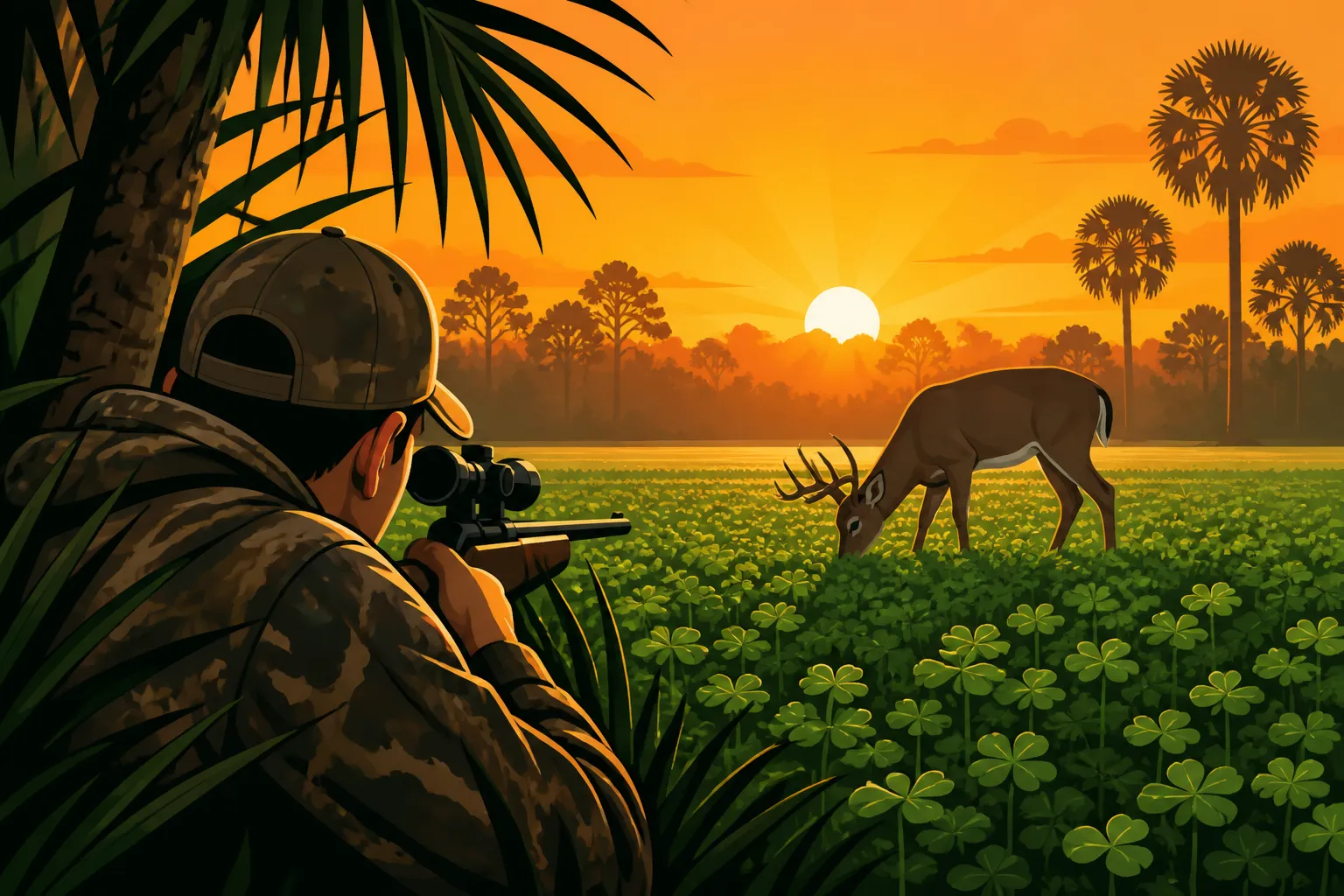
Hunting a Clover Plot at First Light
Waking up long before the sun, fumbling with gear in the dark, and heading out to a food plot with high hopes can sometimes feel like a gamble, especially when you’re not quite sure if your efforts will pay off. Many of us have experienced the frustration of a quiet morning sit, wondering if we chose the right spot or if the deer just aren't moving. This guide is here to help you unravel the mysteries of hunting a clover plot at first light in Florida, offering proven strategies to increase your chances of success and make those early mornings truly count.
Understanding Clover Plots in Florida's Ecosystem
Florida's unique environment presents both opportunities and challenges when it comes to food plots. While we might not have the sweeping agricultural fields of the Midwest, well-maintained clover plots can be absolute magnets for whitetails, especially when the surrounding natural browse isn't as appealing or abundant. Understanding how clover functions within our specific ecosystem is the first step to hunting it effectively.
The Allure of Clover for Whitetails
Deer, like most animals, are opportunists. They seek out the most nutritious and palatable food sources available, and clover, with its high protein content and digestibility, is often at the top of their list. A lush, green clover plot stands out in many Florida landscapes, especially as other native forage cycles through periods of less nutritional value, like during a drought or in the late summer when many plants are mature and fibrous.
Think about it: a deer in a palmetto thicket might have to browse extensively to get enough protein, expending a lot of energy in the process. A clover plot, on the other hand, offers a concentrated buffet where they can fill up quickly and efficiently. This makes these plots particularly attractive during periods of antler growth for bucks and lactation for does, when their nutritional demands are highest. They’re also a fantastic transitional food source from summer into fall, providing a consistent draw before acorns start dropping heavily. Even after a poor acorn year, when natural food sources are scarce, a healthy clover plot can become a major hotspot for deer activity, often pulling them in from surrounding areas.
Florida-Specific Clover Challenges
While clover is a powerful attractant, it's not without its challenges in the Sunshine State. Our sandy soils, intense heat, and sometimes heavy rainfall patterns mean that planting and maintaining a successful clover plot requires careful planning. Not all clover varieties thrive here. For instance, some of the colder-hardy varieties used up north might struggle in our long, hot summers. You'll often find success with blends specifically designed for southern climates, such as crimson clover or certain varieties of white clover that can handle more heat and humidity.
Another factor is competition. Other plants, often called "weeds," can quickly outcompete your clover if not managed. This means periodic mowing or specific herbicide applications are often necessary to keep your plot productive. Furthermore, Florida’s abundant insect life can also pose a threat, with pests like armyworms capable of decimating a plot quickly if not monitored. It's a constant balancing act, but the payoff of a healthy, deer-attracting plot makes the effort worthwhile. Recognizing these localized challenges helps you better assess the quality and potential of any given clover plot you plan to hunt.
Strategic Scouting and Setup for Early Morning Success
Hunting a clover plot at first light isn't just about showing up before sunrise; it's about meticulous preparation, understanding deer movement patterns, and ensuring your presence doesn't alert your target. This involves dedicated scouting and thoughtful placement of your stand or blind.
Pre-Season Reconnaissance and Trail Camera Insights
Before the season even begins, extensive scouting is your most valuable tool. Don't just look at the clover plot; observe the surrounding cover, natural travel corridors, and bedding areas. Deer often bed relatively close to preferred feeding areas, especially during hunting season when they become more nocturnal. Pay attention to how deer are using the plot itself. Are there specific entry points they favor? Are they hitting one side more than another?
Trail cameras are indispensable for this phase. Set them up well in advance of the season, ideally a month or two out, on the edges of your clover plot or along obvious trails leading into it. Don't just check them once a week; try to get into a routine of checking them every few days, especially if you're getting a lot of activity. Pay close attention to the time stamps on your photos and videos. Are bucks showing up regularly at first light? Are they coming in from a particular direction? This intelligence is gold. For example, if you see consistent photos of a mature buck coming from a thick oak hammock to the west between 6:30 and 7:00 AM, you know exactly where to focus your efforts. Using robust mapping tools like those offered by GoHunt can help you mark these observations, overlay property lines, and identify potential bedding areas, making your pre-season scouting much more efficient. This detailed approach is far more effective than just heading out blind.
Optimal Stand or Blind Placement
Once you've gathered your intel, it's time to choose your setup. For first-light hunting, discretion is key. You need to be able to get into your position silently and without being detected. This often means choosing a spot that allows for an easy, quiet approach from a downwind direction. Consider what the rising sun will do. Will it silhouette you? Will it cast long shadows that might spook deer? Setting up on the eastern edge of a plot might give you better visibility as the sun rises behind you, for instance.
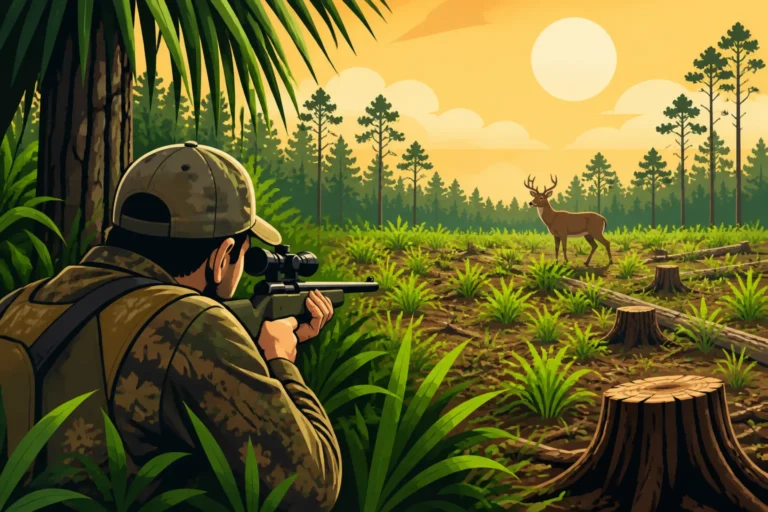
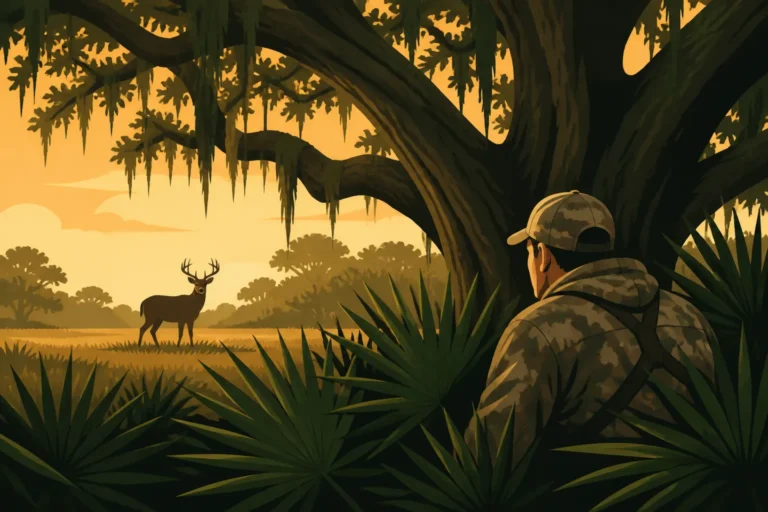
Your chosen location should offer good visibility of the plot while also providing ample cover. A large live oak on the edge, a dense palmetto head, or a well-brushed-in ground blind can provide the necessary concealment. When using a ground blind on Florida public land, ensure it’s brushed in naturally and placed several days, if not weeks, before your hunt to allow deer to grow accustomed to its presence. Avoid placing your stand or blind directly in the center of a well-used entry trail, as this can alert deer before they even reach the plot. Instead, position yourself slightly off to the side, allowing for a shot as they approach or enter the feeding area. The goal is to blend into the environment, becoming just another part of the landscape.
Managing Entry and Exit Routes
This is arguably one of the most critical, yet often overlooked, aspects of hunting food plots at first light. Your entry and exit to the stand or blind can make or break your hunt, especially if you're targeting wary mature animals. For a first-light hunt, you'll be approaching in the dark. Your route needs to be quiet, free of obstacles that might cause you to stumble, and, most importantly, downwind of where you expect deer to be.
Consider using natural features for cover. A creek bottom, a fencerow, or the edge of a thick swamp can provide excellent concealment as you make your way to your spot. Sometimes, this means taking a slightly longer route to avoid disturbing bedding areas or known travel corridors. For example, if deer are typically entering the plot from the north, approaching from the south and walking along a dense treeline to your stand on the eastern edge would be a much better strategy than cutting directly across an open field. Map out these routes meticulously, perhaps using a GPS app like GoHunt to mark your path in and out. Practice walking them in the dark if possible, so you know exactly what to expect. Just as important as a quiet entry is a discreet exit. Don't blow out deer still feeding in the plot when you decide to leave. Wait until they've moved off or until mid-morning when activity has naturally tapered down before making your departure. Successfully managing your entry and exit routes minimizes disturbance and keeps deer using your plot regularly.
First Light Tactics and Considerations
The moments leading up to and just after legal shooting light are often the most productive on a clover plot. Deer, having fed under the cover of darkness, will frequently linger, grab one last bite, or transition to bedding areas. Your ability to read their behavior, understand the wind, and exercise patience will dictate your success.
Reading Deer Behavior at Dawn
As the sky begins to lighten, deer activity on a food plot can shift rapidly. You might see deer already grazing, having arrived before you, or watch them filter in as daylight approaches. Pay close attention to their body language. Are they feeding calmly, heads down, tails relaxed? Or are they skittish, constantly looking up, stomping their feet, and flicking their tails? This will give you clues about their comfort level and whether there's anything nearby making them uneasy.
Often, mature bucks might not step into the open until just before legal light, or they might hang back in the cover, watching the does and younger bucks enter first. They are masters of using the last vestiges of darkness for security. Look for movement on the fringes of the plot, within the shadows of the tree line or palmetto. A slight twitch of an ear or the flick of a tail might be your only clue before they commit. Remember that deer are most vulnerable during these low-light conditions, and they know it. Their senses are heightened, so any unusual sound or movement will send them fleeing. When they finally present a shot, be deliberate and calm.
Wind, Thermals, and Scent Management
Florida's flat terrain and often humid air mean that wind and thermals can be tricky to predict, but they are paramount for first-light success. During the morning, as the air warms, thermals tend to rise. This means your scent will generally lift upwards, which can be advantageous if deer are approaching from lower ground. However, if you're on a slight rise and deer are on lower ground, your scent might still drift down to them.
Always hunt with the wind in your favor, period. Even a slight breeze can carry your scent across a wide area. Before heading out, check multiple wind forecasts for your specific location. Tools like those found on the GoHunt app can provide hyper-local wind data, including predictions for thermals. Once you arrive at your stand, use a powder or string to verify the actual wind direction. Scent elimination products, scent-free clothing, and meticulous hygiene are not just marketing gimmicks; they are essential. Even a slight contamination of your clothing or gear can alert a wary whitetail. Position yourself so that your scent cone is blowing away from expected deer travel lanes and the main body of the clover plot. This might mean adjusting your stand placement slightly based on the day's conditions, proving that flexibility is also a key hunting strategy in Florida.
Patience and When to Make Your Move
First light on a clover plot can be a whirlwind of activity or a slow, agonizing wait. Regardless, patience is your best friend. Don't rush into a shot just because a deer appears. Take the time to identify the animal, ensure it's a legal buck if that's what you're targeting, and wait for a clear, ethical shot opportunity. This is especially true if you are hunting a muzzleloader tag before gun season or during any special weapons phase.
Often, the biggest bucks might arrive a bit later, or they might move around the plot for several minutes before offering a broadside shot. If multiple deer are present, resist the urge to move or adjust your position too quickly. A herd of does feeding calmly can actually act as a decoy, lulling a larger buck into a false sense of security. If the deer are feeding away from you, wait for them to turn or move into a better position. Remember the clock. Legal shooting light begins 30 minutes before sunrise, and those first 30-60 minutes are often prime time. However, don't pack up too early. Deer can surprise you, sometimes lingering or making a late appearance. Trust your scouting, stay vigilant, and let the deer come to you on their terms.
Gear and Preparation for a Productive Morning
The right gear, combined with thoughtful preparation, can significantly enhance your first-light clover plot hunt. From the tools that help you see in low light to the clothing that keeps you comfortable, every item plays a role in your overall success.
Essential Optics and Shooting Aids
When hunting at first light, good quality optics are not a luxury; they're a necessity. Binoculars with excellent low-light performance (typically those with larger objective lenses, like 8×42 or 10×42) will help you discern antler points and identify deer long before sunrise fully illuminates the plot. Don't skimp here. Being able to confidently identify a legal buck in dim light can mean the difference between a successful shot and a missed opportunity or, worse, an illegal harvest.
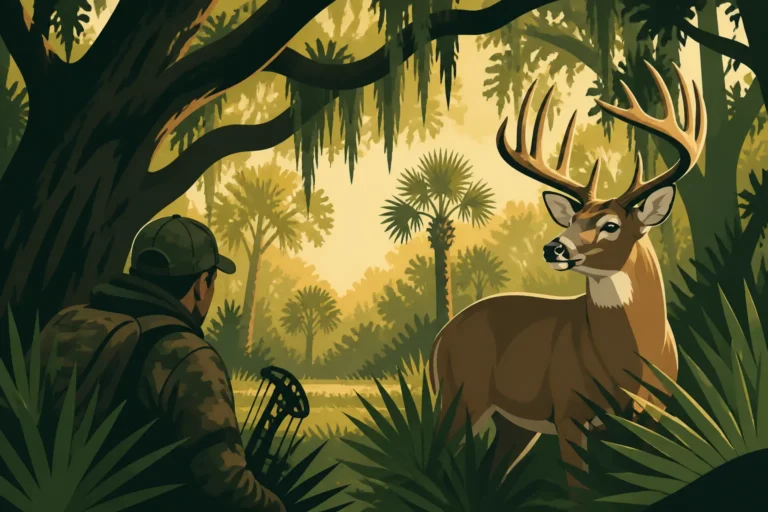
A rangefinder is also crucial. Knowing the exact distance to key points in your plot, such as a distinct tree, a fence post, or the edge of a different type of vegetation, allows you to quickly range a deer without unnecessary movement. You can even pre-range these spots when you set up your stand or blind, making mental notes or even drawing a small map of the plot with distances marked. For shooting, whether you’re rifle hunting or Crossbow Hunting During Florida's Archery Season, a steady rest is paramount. A shooting stick, bipod, or even just a sturdy tree limb can provide the stability needed for a precise shot under challenging low-light conditions.
Apparel and Insect Protection
Florida mornings, even in the "cooler" months, can start quite chilly and quickly warm up, sometimes reaching uncomfortable temperatures by mid-morning. Layering is your best strategy. Start with moisture-wicking base layers, add insulating mid-layers, and top it off with an outer layer that breaks the wind and offers some water resistance. As the sun rises and temperatures climb, you can shed layers as needed. For hunting a green field planted for deer, you'll want camouflage that blends with the open field edge and the surrounding vegetation.
Perhaps even more important than temperature management in Florida is insect protection. Mosquitoes, gnats, and no-see-ums can make an otherwise perfect morning sit miserable. They are especially prevalent at dawn and dusk. Employing multiple strategies is key:
- Permethrin-treated clothing: Treat your hunting clothes several days in advance (do not apply directly to skin).
- Insect repellent: Use a repellent with DEET or picaridin on exposed skin.
- Head net and gloves: Have these handy, especially if the bug pressure is high.
- Thermacell: Many hunters swear by these devices for creating a bug-free zone around their stand.
Being uncomfortable and constantly swatting at bugs will inevitably lead to unnecessary movement and noise, ruining your chances. Proper apparel and diligent insect protection ensure you can sit still, focus on the hunt, and truly enjoy the experience.
First Light Considerations Checklist
To help you remember all these moving parts for your next first-light clover plot hunt, here’s a quick checklist:
| Consideration | Action Items |
|---|---|
| Scouting & Intel | Confirm recent deer activity on the plot (trail cams). Identify primary entry/exit points. Note specific buck activity times. |
| Wind & Scent | Check local wind forecasts (multiple sources). Verify actual wind direction at the stand with a puff bottle. Use full scent control regimen. |
| Stand/Blind Placement | Ensure quiet, concealed entry path. Optimize for sun angle (avoid backlighting). Clear shooting lanes. |
| Optics & Shooting Aids | Binoculars (low-light performance) ready. Rangefinder set to common distances. Shooting stick/rest available. |
| Apparel | Layered clothing for changing temperatures. Full camouflage for the environment. |
| Insect Protection | Permethrin-treated clothes. Personal repellent (DEET/Picaridin). Head net/gloves. Thermacell if needed. |
| Patience | Plan to sit for at least 3-4 hours after legal light. Wait for ethical shot opportunity. |
Disclaimer
Hunting is an inherently dangerous activity. This guide is for informational purposes only and does not substitute for proper hunter education, adherence to all local, state, and federal hunting regulations, or professional guidance. Always prioritize safety, responsible wildlife management, and ethical hunting practices. Conditions in Florida can change rapidly, and hunters are responsible for their own safety and for understanding and obeying all current Florida Fish and Wildlife Conservation Commission (FWC) rules and regulations.