Florida’s Thirty-One Bear Hunting Counties
Hunting bears in Florida can feel like navigating a constantly shifting landscape, with regulations and opportunities evolving based on careful management and public input. It's a real challenge to keep up with which areas are open and what permits are needed, especially when the FWC adjusts zones and quotas. This guide aims to clear up the confusion by exploring Florida's designated bear management counties, focusing on how huntable areas are determined, what to expect if a season opens, and how to prepare for this unique Florida hunting experience.
Understanding Florida's Bear Management Framework
Florida's black bear population has made a remarkable comeback, a true conservation success story. But with that success comes the complex task of managing bears across a diverse landscape, often right alongside human communities. This is why the Florida Fish and Wildlife Conservation Commission (FWC) employs a comprehensive bear management plan, which includes defining specific areas for population monitoring and, when necessary, hunting.
Why Specific Counties are Designated for Bear Management
The designation of certain counties for bear management, and potentially bear hunting, isn't arbitrary. It's rooted in science and driven by a need to balance thriving bear populations with public safety and ecological health. The FWC continually monitors bear numbers, assesses habitat suitability, and tracks human-bear conflicts – things like bears getting into garbage or becoming habituated to residential areas. When a bear population in a specific area reaches a healthy, sustainable level that also creates increased conflict with humans, the FWC may consider that area for a managed hunt. This approach focuses on regional populations, ensuring that management strategies are tailored to local conditions, rather than a one-size-fits-all statewide rule. These designated areas, known as Bear Management Units (BMUs), group several counties together based on bear density and habitat connectivity, allowing for more localized and effective management.
The Importance of Knowing Your Bear Management Unit
If you're considering hunting black bears in Florida, understanding the specific Bear Management Unit (BMU) is absolutely critical. A permit, when issued, is usually tied to a specific BMU, not just any random open county. This means even if a hunt is open in Florida, you can't just hunt bears anywhere; you must be in the BMU for which you secured a permit. Regulations, quotas, and even the nuances of bear behavior can differ significantly from one BMU to another. For example, a bear in the heavily forested Panhandle might behave differently and utilize different food sources than one in the more fragmented habitats of Central Florida. Knowing your BMU helps you understand the specific rules that apply, where to focus your scouting, and what types of terrain and food sources to expect. Always check the most current FWC regulations for the precise boundaries and huntable areas each season.
Exploring Florida's Designated Bear Management Counties
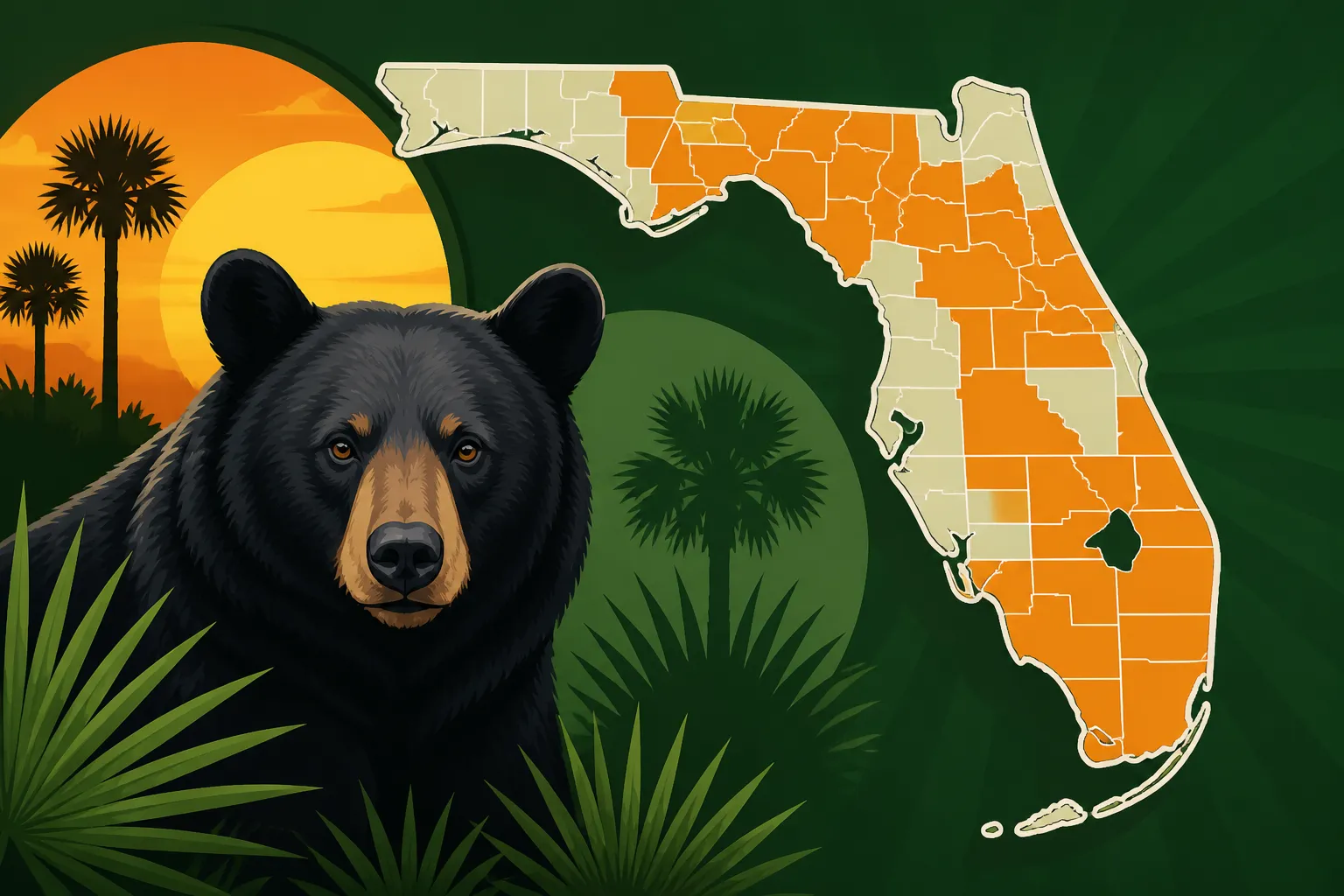
While the FWC manages bears in numerous counties across Florida, the specific counties open for a bear hunting season are carefully selected and can vary. Historically, FWC has indicated that bears are managed in approximately 31 counties grouped into four primary Bear Management Units (BMUs). However, the number of counties actually open for hunting in any given season may be a subset of these managed counties, based on population data and management goals. For instance, the last statewide bear hunt in 2015 was held across 29 counties within these BMUs. It’s crucial to understand that while a county might fall within a BMU, it doesn't automatically mean it's open for hunting every year.
Here's a breakdown of the counties generally associated with Florida's major BMUs, encompassing the areas where bears are actively managed and where hunting opportunities have historically been, or could potentially be, offered:
East Panhandle Bear Management Unit
This unit covers the expansive, forested areas of Florida's western and central Panhandle. It's characterized by vast tracts of public land, including national forests and numerous Wildlife Management Areas (WMAs), offering significant habitat for bears. The terrain here often features a mix of longleaf pine forests, dense swamps, river bottoms, and agricultural lands that provide varied food sources.
Counties historically part of the East Panhandle BMU where bear hunting has been considered or occurred include:
- Bay
- Calhoun
- Franklin
- Gadsden
- Gulf
- Holmes
- Jackson
- Liberty
- Okaloosa
- Santa Rosa
- Walton
- Washington
Hunting in these counties often means dealing with dense palmetto thickets and challenging swampy terrain. You might find bears foraging on acorns in upland pine forests or seeking refuge in the deep cover of riverine swamps. Areas around Hunting Florida Panhandle Pine Plantations and Apalachicola National Forest are prime examples of the type of habitat where you might encounter bears. Hunters should be prepared for remote conditions and the need for thorough scouting, perhaps using mapping tools like GoHunt to identify potential travel corridors and food sources within large public land blocks.
North Bear Management Unit
Moving eastward from the Panhandle, this unit encompasses much of Florida's northern tier, bordering Georgia. This region also boasts significant public and private timberlands, agricultural fields, and river systems that provide excellent bear habitat. The landscape can be a mix of rolling sandhills, hardwood hammocks, and flatwoods, offering diverse foraging opportunities for bears, particularly around mast-producing oaks.
Counties historically included in the North BMU for bear management and hunting purposes are:
- Baker
- Bradford
- Columbia
- Hamilton
- Jefferson
- Lafayette
- Leon
- Madison
- Suwannee
- Taylor
- Union
- Dixie (often part of broader North Florida management)
Hunting here requires understanding the seasonal availability of various food sources. Bears might frequent areas with muscadine grapes in late summer or move into oak hammocks once acorns start dropping in the fall. Access can vary, with some WMAs offering quota hunts and private timberlands requiring permission or leases. This unit is important for overall Florida Bear Population Estimate and management strategies.
Central Bear Management Unit
This unit spans the geographic heart of peninsular Florida, an area experiencing significant urban growth alongside remaining wildlands. Bear populations here are often characterized by more fragmented habitats, with bears navigating between suburban interfaces and large conservation areas like the Ocala National Forest and the Green Swamp. This proximity to human development makes management particularly complex, as human-bear conflict is a key consideration.
Counties historically within the Central BMU where bear hunting has been designated or managed include:
- Clay
- Flagler
- Lake
- Marion
- Nassau
- Orange
- Osceola
- Polk
- Putnam
- St. Johns
- Seminole
- Sumter
- Volusia
Hunting in Central Florida can be particularly challenging due to pressure from human development and the need to find secluded, productive habitat. Bears here might rely on specific fruit and berry crops in addition to acorns, and their movements can be influenced by residential areas. Utilizing mapping software like GoHunt to pinpoint isolated tracts of timber or wetlands within these counties can be a game-changer. For those looking for a different experience, understanding Hunting Florida Central Ridge Sandhills can offer insights into unique bear habitats in this region.
South Bear Management Unit
While bears are primarily concentrated in the Panhandle, North, and Central BMUs, the FWC also monitors and manages a smaller, more dispersed bear population in parts of South Florida. Historically, hunting opportunities in this unit have been limited, with fewer counties designated compared to other units, often focusing on specific areas where populations are stable.
Counties that have been included in the South BMU for bear management include:
- Collier
- Glades
- Hendry
- Highlands
- Lee
- Martin
- Monroe
- Okeechobee
- Palm Beach
The habitat in South Florida ranges from vast Everglades ecosystems to ranchlands and fragmented cypress swamps. Bears here are generally less dense than in other regions and are often found in larger, more remote conservation lands. Any hunting opportunities in this unit would likely be highly restricted and quota-based, reflecting the more delicate nature of these populations.
It's important to reiterate: while these counties fall within FWC's bear management framework, the specific counties open for a bear hunting season will be officially announced by FWC, usually as part of the annual hunt regulations. Always consult the latest FWC hunt dates and regulations before making any plans.
Navigating Bear Hunt Regulations and Permit Requirements
Securing a bear hunting opportunity in Florida isn't as straightforward as buying a general deer tag. It's a highly regulated process designed to ensure population sustainability and manage human-bear interactions. Being prepared for the application process and understanding the specific rules is paramount.
Understanding Permit Application and Quotas
If Florida opens a bear hunting season, it will almost certainly operate under a limited entry, quota-based system. This means that hunters will need to apply for a permit, often through a lottery system, during a specific application window. The FWC sets strict quotas for each Bear Management Unit, determining how many bears can be harvested from that particular area. This quota is crucial for maintaining healthy bear populations and is based on extensive population modeling and monitoring data.
For example, when applying for a bear hunt permit, you'll typically specify the BMU you wish to hunt in, such as the East Panhandle or North BMU. The number of permits issued for each BMU is limited, making the draw odds competitive, especially in areas with higher bear densities or strong hunter interest. You'll need to stay vigilant for the Florida Bear Permit Application Process announcements from FWC, as application periods are usually concise. Missing the window means missing the opportunity entirely. This quota system also directly influences the length of the season; if the quota for a BMU is reached quickly, the season in that unit can close with very little notice, sometimes even within a day or two. Hunters must be ready to hunt immediately if they draw a tag. Understanding Florida Bear Permit Lottery Odds can help manage expectations.
Legal Weapons, Harvest Reporting, and Other Rules
Florida has specific rules regarding legal methods of take for bears, designed to ensure ethical hunting and accurate data collection. Typically, hunters are allowed to use archery equipment, muzzleloaders, and modern firearms (rifles, shotguns, handguns) that meet minimum caliber requirements. However, important restrictions apply: the use of bait to attract bears is strictly prohibited, as is the use of dogs for hunting bears. These restrictions are in place to promote fair chase and prevent unethical practices.
Once a bear is harvested, immediate harvest reporting is a non-negotiable requirement. Hunters typically need to contact FWC within a specified timeframe, often within 12 hours, to report their harvest and then bring the bear to a designated check station. At the check station, FWC staff collect biological data, such as sex, weight, and sometimes tooth samples for aging, which is vital for ongoing population management. This reporting process also helps the FWC track the quota in real-time, allowing them to close a BMU promptly if its quota is met. Remember that Florida Bear Hunting Hours will also be clearly defined, usually from a half-hour before sunrise to a half-hour after sunset. It's your responsibility to know these rules inside and out, as violations can carry significant penalties.
Strategies for Hunting in Designated Bear Counties
Successfully hunting a bear in Florida's unique habitats requires a specific skillset and a deep understanding of bear behavior. It’s not just about finding a bear; it’s about knowing where they live, what they eat, and how to approach them safely and effectively.
Scouting and Habitat Selection in Bear Country
Bears are creatures of habit, often drawn to specific food sources and thick cover. When scouting Florida’s designated bear counties, you need to think like a bear. Focus your efforts on areas rich in natural food sources. In the fall, this primarily means oak hammocks with abundant acorns. Bears will spend significant time in these areas, especially if there’s a good mast crop. Other seasonal foods include palmetto berries, wild grapes, gallberry, and various fruit-bearing trees and shrubs. Water sources, such as cypress swamps, creek bottoms, and ponds, are also crucial, particularly in Florida's warm climate.
Utilizing modern mapping tools like GoHunt can be incredibly helpful for identifying potential bear hotspots. Look for areas with a mosaic of habitat types – dense cover for bedding, open areas for foraging, and travel corridors between them. Satellite imagery can reveal hidden oak pockets or overlooked swamps. Trail cameras are invaluable for confirming bear presence, identifying travel patterns, and understanding their size and activity times. Don't be afraid to put in the legwork on public lands; often, the bears are in areas that are harder to access, far from roads, and require a bit of a hike. Scouting these less-pressured spots can dramatically increase your odds. Remember, understanding Hunting Florida Cypress Swamp Edges can provide insights into key areas where bears might frequent.
Safety and Ethical Considerations
Hunting bears demands an extra layer of safety and ethical awareness. Black bears are powerful animals, and while generally shy, they can be unpredictable, especially if cornered or with cubs. Always carry bear spray and know how to use it. Be mindful of food storage at camp; secure all food and scented items in bear-proof containers or vehicles to avoid attracting unwanted visitors.
When it comes to the hunt itself, ethical shot placement is paramount. Bears are tough animals, and a poorly placed shot can lead to a long, difficult, and potentially dangerous tracking job. Aim for the vitals to ensure a quick, clean harvest. Before your hunt, practice with your chosen weapon to ensure you are proficient and confident in making a precise shot under pressure. Furthermore, know that retrieving a bear, especially a large one, from dense Florida scrub or swamp can be incredibly challenging. Plan your extraction route beforehand, consider bringing help, and be prepared for the physical demands. It’s also important to understand the regulations around What Happens If You Don't Fill Your Bear Tag or if a season closes unexpectedly; FWC has clear guidelines to follow.
The Future of Bear Hunting in Florida
Florida's black bear population is a dynamic success story, but its management is an ongoing process that balances ecological health, human safety, and regulated hunting opportunities. The future of bear hunting in the state hinges on scientific monitoring, adaptive management, and continuous public engagement.
FWC's Adaptive Management Approach
The FWC utilizes an adaptive management approach to oversee Florida's black bear population. This isn't a static plan; it's a living document that evolves as new data becomes available and conditions change. FWC biologists continually monitor bear population trends, including birth rates, survival rates, and causes of mortality. They also track critical factors like habitat availability, human-bear conflict incidents (such as property damage or encounters in residential areas), and public sentiment regarding bear management.
Based on this comprehensive data, the FWC makes informed decisions about whether a hunting season is appropriate, which BMUs should be open, and what the specific quotas should be. This rigorous scientific process ensures that bear hunting, when implemented, is a tool used judiciously to manage populations, reduce conflicts, and support overall bear health. The remarkable How Florida's Bear Population Rebounded Since the 1970s is a testament to this proactive and scientific approach to wildlife conservation. The FWC aims to ensure a healthy, sustainable bear population for generations to come, and regulated hunting can be one component of achieving that goal.
Staying Informed on Annual Regulations
Because Florida's bear management plan is adaptive, the specific regulations, open counties, and season dates for bear hunting can change from year to year. What was true for a past season might not be true for the next. This makes it absolutely critical for any prospective bear hunter to stay completely up-to-date on the latest information directly from the source.
Never rely on outdated information or hearsay. The FWC website is the definitive resource for current season dates, application periods, open BMUs, permit requirements, and all associated regulations. You should make it a habit to check the FWC's official publications, press releases, and hunt brochures every single year well in advance of any potential season. Subscribing to FWC email alerts or following their official social media channels can also provide timely updates. Organizations like GoHunt often compile regulatory information, but always cross-reference with the FWC for official guidance. Being well-informed is not just good practice; it's a legal requirement to ensure you are hunting ethically and lawfully. When a season does open, understanding Florida's Reinstated Bear Hunting Season details will be your first step.
Florida Bear Management Counties (Examples from Past Hunts and Management Units)
The following table provides an overview of counties that have historically been designated within Florida's Bear Management Units for population management and, at times, hunting opportunities. Please remember that the specific huntable counties and BMU configurations are subject to annual FWC decisions.
| Bear Management Unit | Counties Historically Included for Management/Hunting | Key Characteristics |
|---|---|---|
| East Panhandle | Bay, Calhoun, Franklin, Gadsden, Gulf, Holmes, Jackson, Liberty, Okaloosa, Santa Rosa, Walton, Washington | Extensive pine forests, river swamps, remote public lands; high bear density; mast crops (acorns) are vital. |
| North | Baker, Bradford, Columbia, Dixie, Hamilton, Jefferson, Lafayette, Leon, Madison, Suwannee, Taylor, Union | Mixed forests, sandhills, agricultural areas; good mast production; includes parts of Osceola National Forest. |
| Central | Clay, Flagler, Lake, Marion, Nassau, Orange, Osceola, Polk, Putnam, St. Johns, Seminole, Sumter, Volusia | Fragmented habitats, proximity to urban areas, large conservation lands (e.g., Ocala National Forest, Green Swamp); human-bear conflict considerations. |
| South | Collier, Glades, Hendry, Highlands, Lee, Martin, Monroe, Okeechobee, Palm Beach | Sparser populations, large remote wetlands (Everglades fringe), ranchlands; limited and highly localized management. |
Disclaimer
The information provided in this guide is for general informational purposes only and is based on historical and current Florida Fish and Wildlife Conservation Commission (FWC) management strategies. Bear hunting regulations, season dates, open counties, permit requirements, and quotas are subject to change annually by the FWC. It is the individual hunter's sole responsibility to consult the most current and official FWC regulations and guidelines before participating in any hunting activity. Failure to do so may result in legal penalties.