How Many Alligator Permits Florida Issues
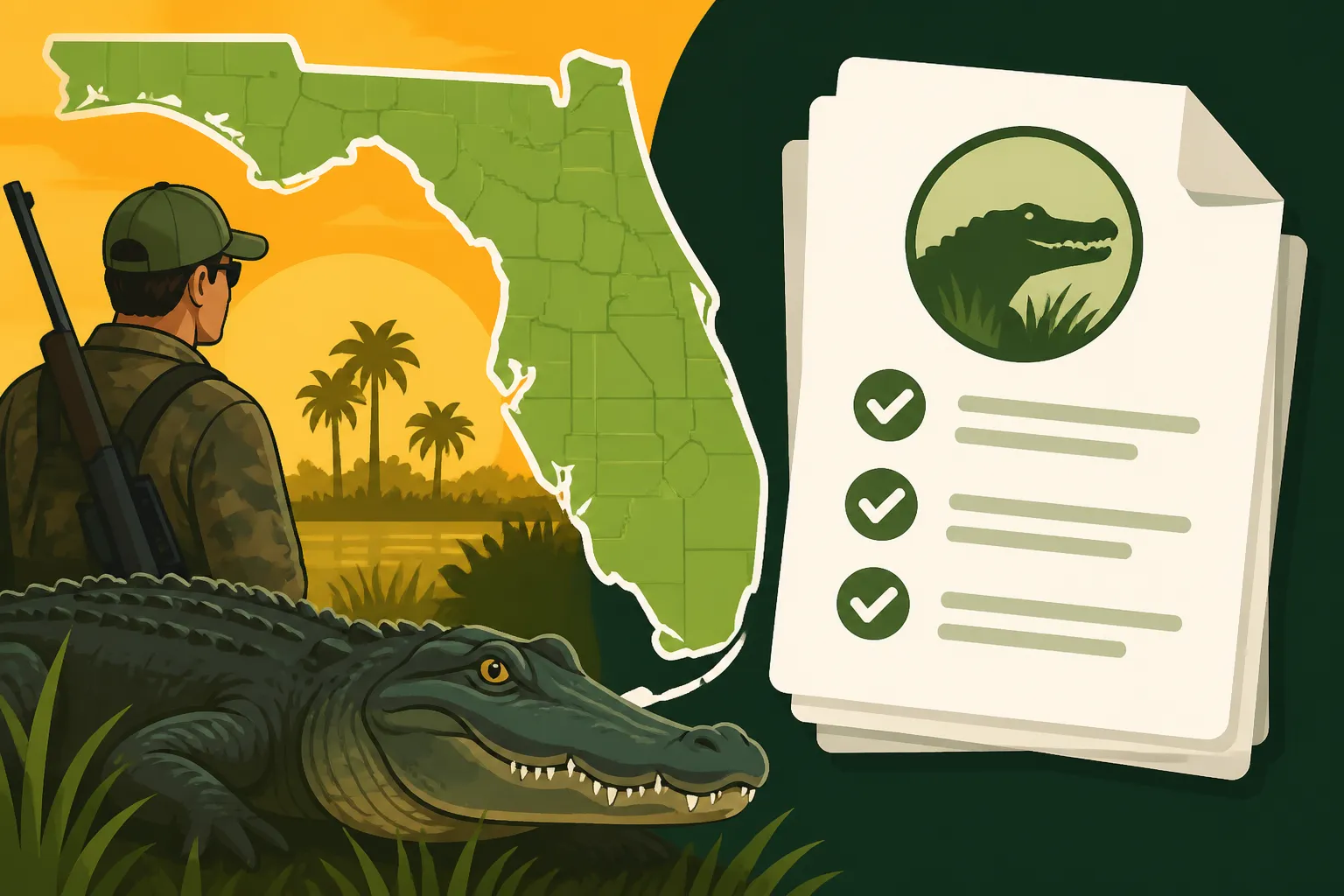
Trying to navigate the world of Florida alligator hunting permits can feel a lot like wading through a cypress swamp – dense, a little murky, and you're never quite sure what's around the next bend. It’s an incredibly popular and unique hunting experience, drawing thousands of eager participants each year. This guide is here to shed some light on the Florida Fish and Wildlife Conservation Commission's (FWC) permit system, detailing just how many permits are typically issued, how they're allocated, and what you need to know to get your chance at harvesting one of these incredible reptiles.
The Excitement and Challenge of Florida Alligator Hunting
Florida's gator hunting scene is unlike any other, offering a primal and deeply rewarding experience. But with such an abundant population and a highly sought-after tag, understanding the rules and numbers is paramount to even getting a foot in the door.
Why the Alligator Permit System Exists
The American alligator is a true conservation success story, especially here in Florida. Once teetering on the brink of extinction, careful management and protection efforts have allowed their populations to rebound dramatically. Today, Florida boasts a healthy and thriving alligator population, estimated to be well over a million individuals spread across the state's diverse aquatic habitats. This incredible recovery means that regulated hunting can occur, serving as a vital population management tool.
The FWC's alligator harvest program is designed to maintain a sustainable population while providing recreational hunting opportunities. It's a delicate balance: allow enough tags to control localized populations and offer exciting hunts, but not so many that it negatively impacts the long-term health of the species. Every permit issued, and every alligator harvested, contributes data to this ongoing scientific management, ensuring future generations can experience this unique part of Florida's wild heritage. The system ensures that while we get to enjoy the thrill, the gators themselves continue to thrive, which is something we can all be proud of.
Understanding the Demand for Alligator Permits
Let's be real: hunting an alligator is a bucket-list item for many, whether you're a seasoned Florida sportsman or a hunter traveling from afar. The sheer thrill of pursuing a creature that has roamed these waters for millions of years is an undeniable draw. This high demand, naturally, makes securing a permit a competitive endeavor. You're not just applying for a tag; you're vying for a spot in a deeply traditional and exciting part of Florida's outdoor culture.
This popularity is a double-edged sword. On one hand, it highlights the success of conservation efforts and the incredible resource we have. On the other, it means that not everyone who applies will draw a tag in their preferred harvest unit or time slot. It can be frustrating to put in your application year after year and come up empty, especially when you've got your heart set on experiencing a Booking a Guided Florida Alligator Hunt during the peak season. But it's precisely this demand that necessitates a carefully managed lottery system, ensuring fairness and equal opportunity for all applicants. The allure of chasing a prehistoric beast under the Florida moon keeps countless hunters coming back, applying diligently each year.
The Annual Alligator Harvest Program: Permit Numbers and Allocation
The heart of Florida's alligator hunting program lies in its structured allocation of permits. The FWC meticulously plans each season to ensure sustainability and provide opportunity.
Total Number of Permits Issued Annually
The Florida Fish and Wildlife Conservation Commission typically issues between 6,000 and 7,000 alligator harvest permits each year for the statewide hunt. It's a substantial number, reflecting the robust nature of Florida's alligator population, which currently stands at an estimated How Many Alligators Live in Florida over a million individuals. Each of these permits is incredibly valuable, as it allows the permit holder to harvest two alligators during their assigned hunting period.
Now, that number isn't set in stone. The FWC continually monitors the alligator population through extensive surveys and analyzes previous harvest data. If, for instance, a particular year showed lower-than-average harvest success in certain units, or if population models indicate a healthy increase, the FWC might slightly adjust the total number of permits or reallocate them to different areas. They are always working to strike that perfect balance, making sure that hunting remains a sustainable activity for the long haul. This adaptive management approach is critical, especially given the dynamic nature of Florida's diverse ecosystems and the species within them.
How Permits Are Distributed Across the State
Florida is a big state with vastly different habitats, from the sawgrass marshes of the Everglades to the panhandle's blackwater rivers and the myriad lakes and ponds in between. To manage the alligator population effectively and distribute hunting pressure, the FWC divides the state into roughly 60 distinct alligator harvest units. Each of these units represents a specific body of water or a geographic area, and each unit is assigned a specific quota of permits.
Think of it like this: a large, sprawling lake in Central Florida might have a higher quota of permits than a smaller, more isolated river system in the Panhandle. This unit-based approach allows for targeted management and ensures that local alligator populations aren't over-harvested in one area while being under-harvested in another.
Hunters applying for a permit must select their preferred harvest unit and a specific week-long hunting period within that unit. The season generally opens around August 15th, running through November 1st, but specific dates for each unit can vary. You can check the Florida Alligator Season Opening Date and Florida Alligator Season Closing Date for precise timelines. This allows the FWC to spread out hunting pressure throughout the season and across the state, maximizing opportunity while minimizing conflicts.
Here’s a simplified look at how permit allocations might appear, though specific numbers vary greatly by year and unit:
| Harvest Unit Type | Example Location/Characteristic | Typical Permit Range (per season) | Max Alligators per Permit |
|---|---|---|---|
| Large Lake/Reservoir | Lake Okeechobee, Lake Kissimmee | 50-150 | 2 |
| Major River System | St. Johns River, Apalachicola River | 30-100 | 2 |
| Coastal Marsh/Estuary | St. Marks National Wildlife Refuge | 15-50 | 2 |
| Smaller Inland Lakes | Various county lakes | 5-25 | 2 |
| Managed Wetlands/WMAs | Everglades WMA, Three Lakes WMA | 10-40 | 2 |
As you can see, the diversity in unit types means a diversity in hunting experiences and, of course, permit availability. This system makes it crucial to do your homework and understand which unit might best suit your hunting style and preferences before applying.
Navigating the Florida Alligator Permit Application Process
Successfully drawing an alligator permit often feels like winning the lottery, and in many ways, it is. Understanding the application process is your first step toward that exhilarating moment.
The Application Lottery and Drawing Odds
The statewide alligator harvest permits are primarily distributed through a random drawing lottery managed by the FWC. The application period, typically in mid-May to early June for the initial phase, is a crucial window to get your name in the hat. You can find the exact Florida Alligator Application Period Dates on the FWC website each year. The competition can be stiff, especially for popular units known for producing large alligators or offering easier access.
Thousands of applications pour in for those several thousand available permits, which can make the drawing odds feel daunting. While there isn't a "preference point" system like some other states use for deer or elk, the FWC does try to balance things by offering multiple application phases. If you don't draw in the first random lottery, you'll often have additional opportunities in subsequent drawings or during phase three, where remaining permits are sold on a first-come, first-served basis. This gives everyone a fair shake, but it certainly doesn't soothe the sting of an unsuccessful draw notice. It's why many hunters use resources like GoHunt, or simply keep a keen eye on FWC announcements, to stay on top of application periods and any statistical data available that might hint at better odds in less-pressured units.
For residents, the base Florida Resident Alligator Permit Cost is quite reasonable, but non-residents will find the Florida Nonresident Alligator Permit Cost to be considerably higher, reflecting the value of the opportunity. These costs typically do not include the additional hunting license requirements, so be sure to factor those in when planning your budget.
Key Dates and What to Expect After Applying
Once you've submitted your application and crossed your fingers, the waiting game begins. Here’s a general timeline of what you can expect:
- Application Period (Phase 1): Mid-May to Early June. This is when most people apply for their preferred units and hunt dates.
- Phase 1 Drawing Results: Typically announced in early to mid-June. You'll receive notification, usually via email, whether you've drawn a permit or not.
- Phase 2 Application/Drawing: Mid-June to late June. For those who didn't draw in Phase 1, or who want to apply for additional permits, this phase offers leftover tags from Phase 1.
- Phase 2 Drawing Results: Usually announced in early July.
- Phase 3 Sale: Mid-July. Any remaining permits are sold on a first-come, first-served basis. This is often where you can snag a last-minute tag if you're flexible with your unit or dates.
- Permit Issuance: If you successfully draw or purchase a permit, you'll receive your permit packet shortly thereafter. This packet will include two crucial CITES tags. These tags are mandatory for legal harvest and must be attached immediately to the alligator after it’s taken. Understanding How Many CITES Tags Come With a Permit and their proper use is non-negotiable for a legal hunt.
- Hunt Period: The season generally runs from August 15th through November 1st, with your specific hunt dates outlined on your permit.
Don't forget that even if you miss the initial application windows, there's often still a chance to secure a permit in later phases. Persistence, flexibility, and quick action when those remaining permits drop are key!
Alternatives to the Statewide Alligator Permit
While the statewide lottery is the primary route for many, Florida offers a couple of other avenues to pursue an alligator, catering to different budgets and experiences.
The Alligator Super Hunt
If you're looking for an extremely high-odds, premium alligator hunting experience, the FWC's Alligator Super Hunt is an option, albeit a pricey one. This is a very limited opportunity, with only about 10 permits typically issued statewide each year. These permits allow for an extended hunting season and broader access, often in prime locations known for producing large alligators. It’s designed for hunters seeking a truly unique, almost guaranteed experience without the typical lottery odds.
The cost is significant – a Super Hunt permit can run upwards of $5,000 for residents. You can find specific details on What the Alligator Super Hunt Costs on the FWC's website. Given the cost and limited availability, this isn't for everyone, but for those who value exclusivity and increased chances of success, it’s a compelling alternative. It certainly removes some of the nail-biting anxiety of the general lottery!
Private Land Alligator Harvest Permits
Beyond the public land harvest program, Florida also has provisions for alligator hunting on private lands. If you own property with suitable alligator habitat or can gain permission from a landowner, you might be eligible for a private land permit. These permits are managed differently; they aren't part of the statewide lottery. Instead, they are typically allocated directly to landowners based on the alligator population on their property and potential nuisance issues.
This opens up a significant opportunity for hunters who can access private land. Many outfitters and hunting guides operate on private ranches or leases, securing these permits directly through the landowner. This means that even if you consistently strike out in the public land lottery, you still have a very viable option for an alligator hunt.
You can often find opportunities to join a private land hunt by engaging with licensed outfitters across the state. They handle the permits and logistics, providing a guided experience. This is a great way to go if you're a nonresident or just prefer a more streamlined, higher-success hunt, as detailed in our guide on Booking a Guided Florida Alligator Hunt. These hunts offer a more controlled environment and often higher success rates than the highly competitive public land hunts.
Preparing for Your Alligator Hunt
Once you secure that coveted permit, the real planning begins. An alligator hunt is a serious undertaking that requires specific gear, knowledge, and adherence to strict regulations.
Essential Gear and Techniques
Alligator hunting in Florida is not typically done with a rifle, but rather through a variety of primitive weapons and specialized techniques designed for close-quarters action. The primary methods usually involve harpoons, snatch hooks, and sometimes bowfishing gear, used to secure the alligator. Once secured, the alligator must be dispatched humanely, often with a bang stick or a .22 caliber handgun to the brain.
You'll need a robust boat for most hunts, capable of navigating Florida's shallow waters and strong enough to handle a thrashing gator. Heavy-duty lines, floats, and lights for night hunting are also essential. It’s a dynamic, hands-on style of hunting that demands good equipment and a steady nerve. If you're looking to try different approaches, guides on Stalking an Alligator on a Freshwater Lake or Bowfishing for Florida Alligators can provide valuable insights into specific techniques. Proper gear isn't just about success; it's about safety for everyone involved.
Understanding Regulations Beyond the Permit
The permit is just the beginning of your regulatory journey. Florida has strict rules in place to ensure ethical and legal alligator harvesting. One of the most critical aspects is Judging a Legal-Size Florida Alligator. While many units don't have a minimum size, some do, and it's essential to know if your unit has such restrictions. Additionally, understanding Hunting Alligators at Night Legally is crucial, as the vast majority of alligator hunting occurs after dark when gators are most active and visible.
Immediately after harvest, you must attach your CITES tag. This tag is unique to your permit and the alligator you harvested. Neglecting to tag an alligator immediately is a serious violation. Additionally, all harvested alligators must be reported to the FWC, usually within 24 hours. The FWC uses this data to track harvest numbers and ensure the health of the population. Make sure you understand the nuances of Tagging an Alligator With a CITES Tag and all reporting requirements to ensure your hunt is fully legal and contributes to the conservation efforts.
It's a lot to take in, but preparation is key. Knowing the rules, having the right gear, and respecting this incredible animal and the regulations that protect it will ensure a memorable and responsible hunting experience. For some, even researching drawing odds with tools like GoHunt helps them plan not just the current season, but future seasons as well.
Disclaimer
Always consult the Florida Fish and Wildlife Conservation Commission (FWC) website and current regulations before planning any hunting activity. Regulations, dates, and permit requirements can change, and it is the hunter's responsibility to stay informed and compliant with all state laws.