Moving a Deer Carcass Out of a Surveillance Zone
Navigating the complexities of deer hunting in Florida is usually a thrill, but nothing throws a wrench into post-harvest plans quite like the mention of Chronic Wasting Disease (CWD) and surveillance zones. It's truly frustrating to tag a beautiful buck or doe only to realize you're now in a bind about how to handle the carcass safely and legally. This guide is here to cut through the confusion, offering clear, actionable steps on how to move a deer carcass out of a designated CWD surveillance zone in Florida, ensuring you stay compliant and protect our valuable deer herd.
Understanding Florida's CWD Surveillance Zones
Let's be honest, hearing about CWD can be alarming. It's a relatively new concern for many Florida hunters, and understanding what it is and where the rules apply is the first step in responsible hunting.
What is CWD and Why It Matters
Chronic Wasting Disease (CWD) is a neurological disease that affects deer, elk, and moose. It's caused by abnormal proteins called prions, and unfortunately, it's always fatal. Imagine a disease that slowly and relentlessly deteriorates a deer's brain, leading to emaciation, abnormal behavior, and eventually death. That's CWD. The really tricky part about CWD is how long it can take for symptoms to show, and how incredibly resilient the prions are in the environment once shed by an infected animal. They can persist in soil for years, potentially infecting other deer.
For us hunters, this disease is a huge concern because it impacts the health of our deer populations and, consequently, the future of hunting. No one wants to see our whitetail numbers decline, or to worry about the safety of the venison we bring home. That's why the Florida Fish and Wildlife Conservation Commission (FWC) takes it so seriously, establishing strict rules to prevent its spread. It's a bitter pill to swallow when you're just trying to enjoy your passion, but these measures are critical to protect our wildlife legacy. For a deeper dive into this serious issue, you might want to read about Florida's Single Confirmed CWD Case and the efforts underway to contain it.
Pinpointing Florida's CWD Management Zone Boundaries
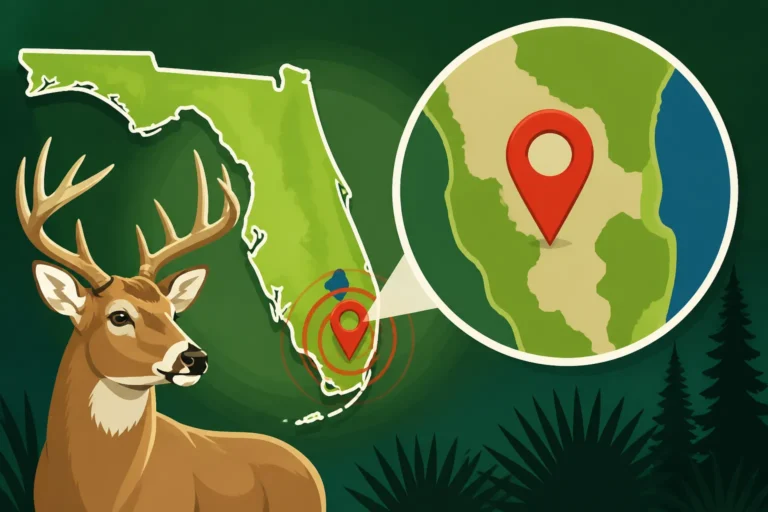
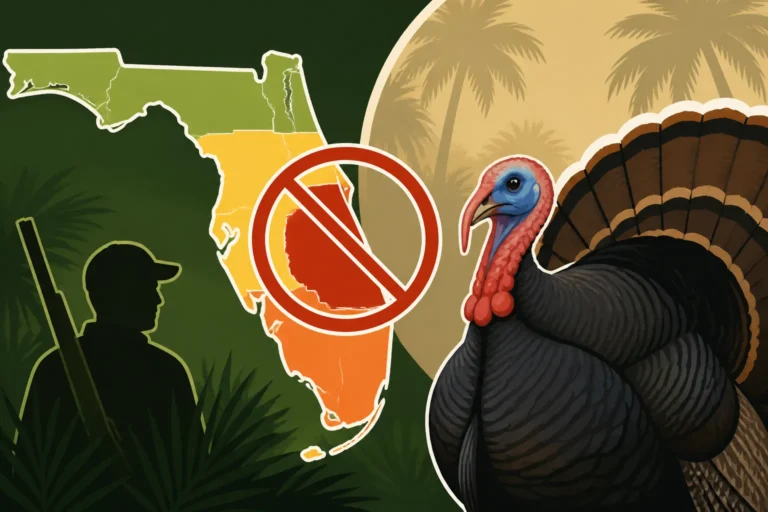
Here in Florida, the CWD situation became a very real concern in June 2023 when the state detected its first confirmed case in a deer in Holmes County. Following this detection, the FWC immediately established a CWD Management Zone (CMZ). This isn't just a vague area; it's a precisely defined region where specific carcass and feeding regulations apply. Currently, this zone encompasses all of Holmes and Washington counties, as well as portions of Jackson and Bay counties.
It's absolutely vital that every hunter checks the most current FWC regulations and maps before heading into the woods, especially if you're hunting anywhere near these areas. You can't just assume; these boundaries are subject to change based on new detections or ongoing surveillance efforts. The FWC website has detailed, up-to-date maps, and many folks use handy apps like GoHunt or the FWC's own app to pinpoint property lines and overlay CWD zones, helping them understand if their chosen hunting ground falls within the restricted areas. Knowing exactly Where Florida's One CWD Case Was Found helps contextualize why these specific areas are under close watch.
Why Carcass Rules Are So Strict
The strict rules around moving deer carcasses from a CWD zone aren't just bureaucracy for the sake of it; they're based on solid science aimed at disease containment. The prions that cause CWD are highly concentrated in certain parts of a deer's body: primarily the brain, spinal cord, lymph nodes, and spleen. These are collectively known as "high-risk parts."
If an infected deer's high-risk parts are moved out of the CWD zone and improperly disposed of, those prions can contaminate new areas. This could mean leaving them in a ditch by the side of the road, in a landfill outside the zone, or even just dragging a whole carcass across state lines. Once these prions are introduced to a new environment, they can persist for years, acting as a potential source of infection for healthy deer that might graze in that area. It's a long-term threat, and that's why the regulations focus so heavily on ensuring these high-risk materials are either removed and contained within the zone or processed in a way that eliminates the risk of spread.
Navigating Carcass Regulations in a CWD Zone
Alright, so you've successfully harvested a deer within a CWD management zone. What now? The instinct is often to load it up and head straight for your processing shed or taxidermist, but in a CWD zone, that's where you need to hit the brakes and follow specific protocols.
Allowed Deer Carcass Parts for Transport
The key to moving a deer out of a CWD management zone is to process it down to low-risk components before leaving the designated area. This means you can transport:
- Deboned meat: This is probably the most common way hunters get their venison home. The meat needs to be separated from the bone, skull, and all other high-risk parts. Think of it as breaking the deer down completely into muscle tissue that you would put into your cooler. It's more work in the field, for sure, especially in Florida's heat, but it's the safest and legal way to transport your harvest.
- Cleaned skull plate with antlers attached: If you're hoping for a European mount or just want to keep the rack, the skull plate must be completely free of brain tissue and other soft tissue. This means meticulous cleaning. You can't just saw off the top of the skull and call it good; any trace of brain matter poses a risk.
- Cleaned antlers: If you just want the antlers, without any part of the skull, they must be completely clean and free of any tissue.
- Hides/capes without the head: For taxidermy purposes, you can cape out your deer, but the head must be separated and left in the CWD zone. The cape itself, if properly cleaned of any spinal or brain tissue, can be transported.
- Finished taxidermy products: Once your mount is completely done and preserved, it's considered safe for transport. This obviously happens after the head has been properly handled and processed by a licensed taxidermist within or outside the zone, following all necessary protocols.
It’s an extra layer of effort, but knowing Handling Venison From a CWD Surveillance Zone properly is vital to continuing our hunting traditions responsibly.
Prohibited Carcass Parts
Just as important as knowing what you can take out is understanding what you absolutely cannot move beyond the CWD zone boundaries. This is where most violations occur, often out of ignorance, so pay close attention.
The following deer carcass parts are strictly prohibited from being transported out of a CWD management zone:
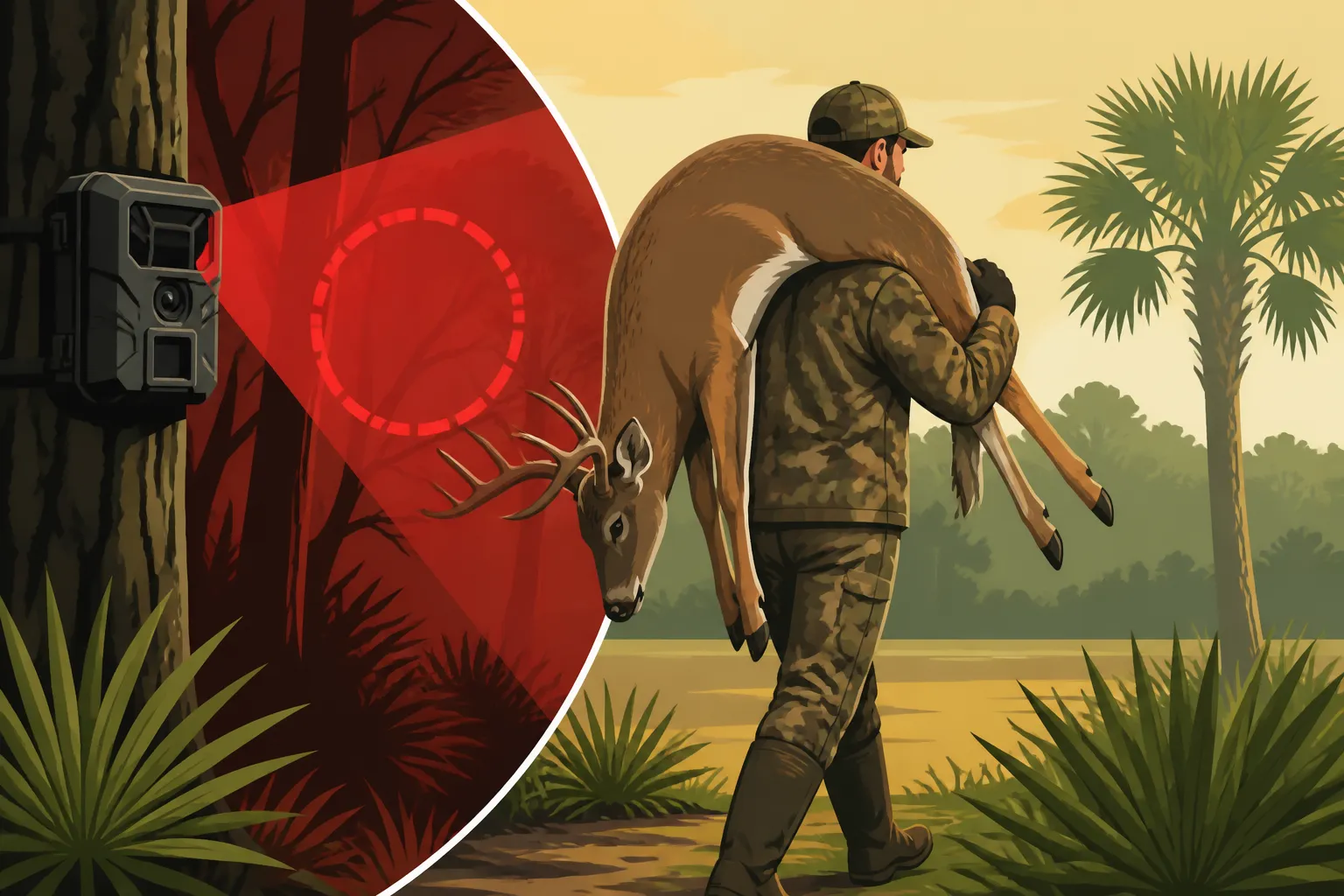
- Whole carcasses: You cannot load a field-dressed deer (even if gutted) into your truck and drive it out of the zone. This is perhaps the most critical rule.
- Heads with brain tissue: This includes skulls that haven't been meticulously cleaned. The brain is a major concentration point for prions.
- Spinal columns: The entire backbone, which contains the spinal cord, is a high-risk part.
- Viscera (guts): While you'd typically field-dress in the woods anyway, these cannot be transported out.
- Any other parts containing central nervous system tissue: This is a catch-all for anything that might contain the prions, which are primarily in the nervous system.
The reasoning here is simple: these parts carry the highest risk of spreading CWD. Transporting them could easily lead to contaminated waste being dumped outside the zone, unknowingly spreading the disease to new, unaffected areas. It's a bummer, especially if you're used to hauling an entire deer home for butchering, but these measures are in place to safeguard our entire deer population.
Practical Steps for Field Dressing and Processing In-Zone
So, you've harvested a deer within a CWD zone, and you know what you can and can't transport. Now for the practical application. This might change your routine, but it's manageable with a little preparation.
- Field Dressing at the Kill Site: The very first step, as always, is to field-dress your deer as soon as possible. Do this right where the deer fell, or very close by, and leave the entrails there. This is standard practice for hygiene and meat quality, but in a CWD zone, it's also about containing potential infectious material.
- Deboning the Meat: This is the most critical step for getting your venison home. You'll need to completely debone the deer within the CWD zone. This means skinning the animal, and then carefully cutting the meat from the bone, making sure no bone fragments, spinal column, or skull material leaves with the meat. Bring plenty of large game bags to keep your deboned meat clean, and a good cooler with ice to keep it chilled, especially with Florida's notorious heat. A portable cutting board and sharp knives are your best friends here.
- Handling the Head and Spine: If you want to keep the antlers or skull plate, you'll need to separate the skull plate from the rest of the head. Carefully remove all brain matter and soft tissue. For a full skull mount, a taxidermist within the CWD zone might be an option, as they are equipped to handle and dispose of high-risk materials properly. Otherwise, the remainder of the head, including the jaw, and the entire spinal column must be left within the CWD zone.
- Waste Disposal: Any high-risk carcass parts that you don't take (which should be the majority of the skeleton, head, and entrails) must be disposed of properly within the CWD management zone. This usually means leaving them at the kill site (if allowed by landowner/WMA rules), or at FWC-designated carcass drop-off sites, or burying them deep enough to prevent scavengers from digging them up. Always check specific WMA or private land rules for disposal. This ensures that any potential prions remain localized.
Mandatory CWD Testing and Reporting
Another crucial aspect of hunting in a CWD zone, or even nearby, is the emphasis on testing and reporting. This isn't just about compliance; it's about being a part of the solution to understand and manage this disease.
When and How to Submit Samples
For deer harvested within the CWD Management Zone, submission of samples for CWD testing is often mandatory or, at the very least, highly encouraged. The FWC has established various sampling locations, including self-service drop-off points, freezer locations, and scheduled staffed collection events, particularly during peak hunting seasons. These are designed to make it as easy as possible for hunters to participate.
Typically, the FWC requests lymph node samples, which are usually collected from the head/jaw area. When you harvest a deer in one of these zones, it's a good idea to bring the head to a designated collection site. FWC staff can collect the necessary samples, or in some cases, provide instructions for you to collect them yourself. This critical data helps the FWC monitor the disease's prevalence and spread, informing future management decisions. Learning about CWD Testing for Florida Hunters is a good preparation step.
Understanding Test Results and Implications
Once your sample is submitted, it goes to a lab for testing. The turnaround time can vary, sometimes taking a few weeks. It's important to understand the implications of the test results:
- Negative Result: If your deer tests negative for CWD, that's great news! It means, based on current testing methods, your deer did not have the disease. You can proceed with consuming your venison with peace of mind, assuming you followed all carcass transport regulations.
- Positive Result: If, unfortunately, your deer tests positive for CWD, the FWC will contact you directly. In such cases, FWC recommends against consuming the meat. They will also provide guidance on proper disposal of any remaining meat or carcass parts you might still have. A positive result is rare but incredibly important for the FWC's surveillance efforts, triggering further investigation in that area.
The FWC usually advises against consuming venison from an animal that has tested positive for CWD, and some even suggest waiting for results before consuming any meat from a deer taken in a CWD zone. It’s an extra layer of caution, but one that emphasizes public health and the responsible handling of game meat.
The Role of Voluntary Samples and Hunter Cooperation
Even if you hunt just outside a CWD management zone, or in an area where testing isn't mandatory, submitting voluntary samples is a huge contribution. Hunter cooperation is absolutely vital to the success of any CWD monitoring and management program. We are the eyes and ears in the woods, and our participation provides invaluable data that FWC biologists cannot collect on their own.
Yes, it's an extra step, an added inconvenience to what is already a demanding and time-consuming passion. You might be thinking, "Another thing I have to do?" But consider it a small investment in the future of Florida's deer herd and the sport we all love. By actively participating in testing, reporting, and adhering to carcass transport rules, we become partners with the FWC in protecting our natural resources. This collective effort is what ensures the health and sustainability of our wildlife for generations to come. The FWC's ongoing Florida Wildlife Disease Monitoring Program relies heavily on this partnership.
Preparing for a Hunt in or Near a CWD Zone
Knowledge is power, especially when it comes to navigating new regulations like CWD management zones. Being prepared upfront can save you a lot of headache and heartache after the shot.
Pre-Season Scouting and Planning
Before you even step foot in the woods, especially if you're planning to hunt in or around the CWD management zone, extensive pre-season planning is a must. Don't just rely on last year's knowledge; regulations can change annually. The first thing on your checklist should be to visit the FWC website or use their app to identify the precise boundaries of any current CWD management zones. Tools like GoHunt can layer this information onto detailed maps, helping you visualize property lines and potential zone overlaps.
When you're scouting, think beyond just deer sign. Consider the logistics of a successful harvest within a CWD zone. Where will you field-dress? Is there a designated FWC drop-off site nearby for high-risk parts? Do you have access to clean water for cleaning skull plates? Having a game plan for these steps before you're standing over a deer will make the process much smoother and less stressful. Understand Florida's CWD Management Zone Boundaries thoroughly before you go afield.
Essential Gear for CWD Zone Hunting
Hunting in a CWD zone requires a slight adjustment to your gear list. You'll need more than just your rifle or bow.
- Sharp Knives and Boning Kit: You're going to be doing more breakdown in the field. A good set of boning knives and a sharpening stone are crucial.
- Game Bags: Heavy-duty, breathable game bags are essential for protecting your deboned meat from dirt, flies, and other contaminants.
- Disposable Gloves: Always a good idea when field dressing, but even more so when handling a deer from a CWD zone.
- Plastic Sheeting or Tarp: Handy for keeping your work area clean during deboning, and for wrapping up waste.
- Coolers and Ice: Especially in Florida's climate, a large cooler packed with plenty of ice is non-negotiable for preserving your deboned meat until you can get it to a processor or home freezer.
- Hand Sanitizer and Cleaning Supplies: For personal hygiene and cleaning your tools.
- GPS or Mapping App: Critical for confirming your location relative to the CWD zone boundaries.
Having these items on hand will transform a potentially messy and stressful situation into a manageable and compliant one.
What to Do If You Harvest a Deer
The moment of truth arrives, and you've harvested a deer. Take a deep breath and run through your mental checklist:
- Tag the Deer: Immediately tag your deer as required by Florida law. This is non-negotiable and the first thing you should always do. Remember to follow Florida Deer Reporting Requirements once you've secured your tag.
- Confirm Your Location: Double-check your GPS or mapping app to confirm you are indeed within the CWD management zone. This dictates your next steps.
- Field Dress: Field dress the deer as quickly as possible. Leave the entrails at the kill site, or dispose of them according to WMA/landowner rules within the zone.
- Debone the Carcass: This is where the in-zone processing begins. Completely debone the meat, separating it from the skull, spinal column, and all other high-risk parts. Pack your deboned meat into game bags and then into coolers with ice.
- Handle Trophy Parts: If you're keeping the antlers or skull plate, clean them meticulously within the zone to remove all brain tissue and other soft tissues. The rest of the head and skeleton must remain in the CWD zone.
- Submit for Testing: Locate the nearest FWC CWD sampling station and submit the required lymph node samples from your deer's head. This is a critical step for monitoring. You can find information on Finding a Florida CWD Sampling Location on the FWC website.
- Report Your Harvest: Don't forget to report your harvest to the FWC. You can often do this quickly and easily online or via the FWC app, which is a convenient way of Registering a Florida Deer Online.
By following these steps, you'll ensure you're doing your part to contain CWD and keep Florida's deer population healthy for future generations of hunters.
Summary of Carcass Transport Rules from a Florida CWD Zone
Here's a quick reference for what you can and cannot take out of a designated CWD Management Zone in Florida:
| Allowed for Transport Out of CWD Zone | Prohibited for Transport Out of CWD Zone |
|---|---|
| Deboned meat (packaged, no bone or spinal material) | Whole deer carcasses (even field-dressed) |
| Cleaned skull plate with antlers (no brain or soft tissue) | Heads (unless thoroughly cleaned as skull plate/antlers) |
| Cleaned antlers (no tissue) | Spinal columns or vertebral column |
| Hides/capes (without the head, cleaned of tissue) | Viscera (guts) |
| Finished taxidermy products | Any other parts containing central nervous system tissue (e.g., spleen) |
| Teeth for age determination (must be cleaned and free of tissue) |
Disclaimer
The information provided in this article is for general guidance and informational purposes only. Hunting regulations, including those pertaining to Chronic Wasting Disease (CWD) management zones and carcass transportation, are subject to change. Always consult the latest official regulations published by the Florida Fish and Wildlife Conservation Commission (FWC) or other relevant governing bodies before participating in any hunting activities. It is the hunter's responsibility to know and comply with all applicable laws and regulations.