Florida Panther Range and Protection Status
Many folks living in or visiting Florida are fascinated by the elusive Florida panther, but often wonder where these majestic creatures actually live and why they're so rarely seen. There's a lot of misunderstanding about their population, their movements, and what exactly their protected status means for residents and outdoor enthusiasts alike. This guide aims to clear up some of those questions, diving deep into the panther's range, its endangered designation, and the significant conservation efforts underway to help this iconic cat thrive.
Understanding the Florida Panther: A Ghost of the Everglades
The Florida panther is more than just a large cat; it's a critical, yet fragile, part of our state's wild heritage. For many, the idea of a panther roaming the Florida landscape feels almost mythical, a fleeting shadow in the deepest swamps. But these animals are very real, and their story is one of both struggle and resilience against immense odds.
The Unique Identity of Florida's Native Cat
What makes the Florida panther so special? Well, for starters, it's a subspecies of cougar, or mountain lion, and it's the only population of puma found east of the Mississippi River. Think about that for a moment: this isn't just a panther; it's our panther, distinct and adapted to the unique ecosystems of the Florida peninsula. These cats are generally smaller and more rufous-colored than their western cousins, with a distinctive "cowlick" on their back that helps identify them. Their physical characteristics and genetic makeup are a direct result of thousands of years of evolution in Florida's diverse habitats, from the pine flatwoods to the cypress swamps. Seeing one, even just a glimpse, is an experience that stays with you forever, a testament to the wildness that still exists here.
A Glimpse into the Panther's Historical Journey
The history of the Florida panther is a stark reminder of how close we've come to losing this magnificent animal forever. Historically, panthers roamed across much of the southeastern United States, from Florida all the way to Louisiana, Arkansas, and even into parts of North Carolina and Tennessee. Their range was vast, spanning a variety of habitats. However, with European settlement came rapid deforestation, habitat loss due to agriculture and urban development, and intense persecution fueled by fear and misconception. Panthers were viewed as threats to livestock and game, leading to widespread hunting and trapping. By the mid-20th century, their numbers had plummeted dramatically, confined to a tiny, isolated pocket in the remote swamps of South Florida, particularly the Everglades and Big Cypress. This severe bottleneck nearly wiped out the species, leading to significant inbreeding and associated health problems, like heart defects and reproductive issues. It’s a somber chapter in our wildlife history, but one that underscores the importance of current conservation efforts.
Where Florida Panthers Roam: The Heart of Their Territory
If you spend any time hunting or exploring the backcountry in Florida, you've probably wondered about the odds of encountering a panther. While they are still incredibly rare, understanding their established territory is key to appreciating their presence and ensuring their safety. Their range isn't static; it's a dynamic landscape shaped by human development and conservation success.
Defining the Core Range in South Florida
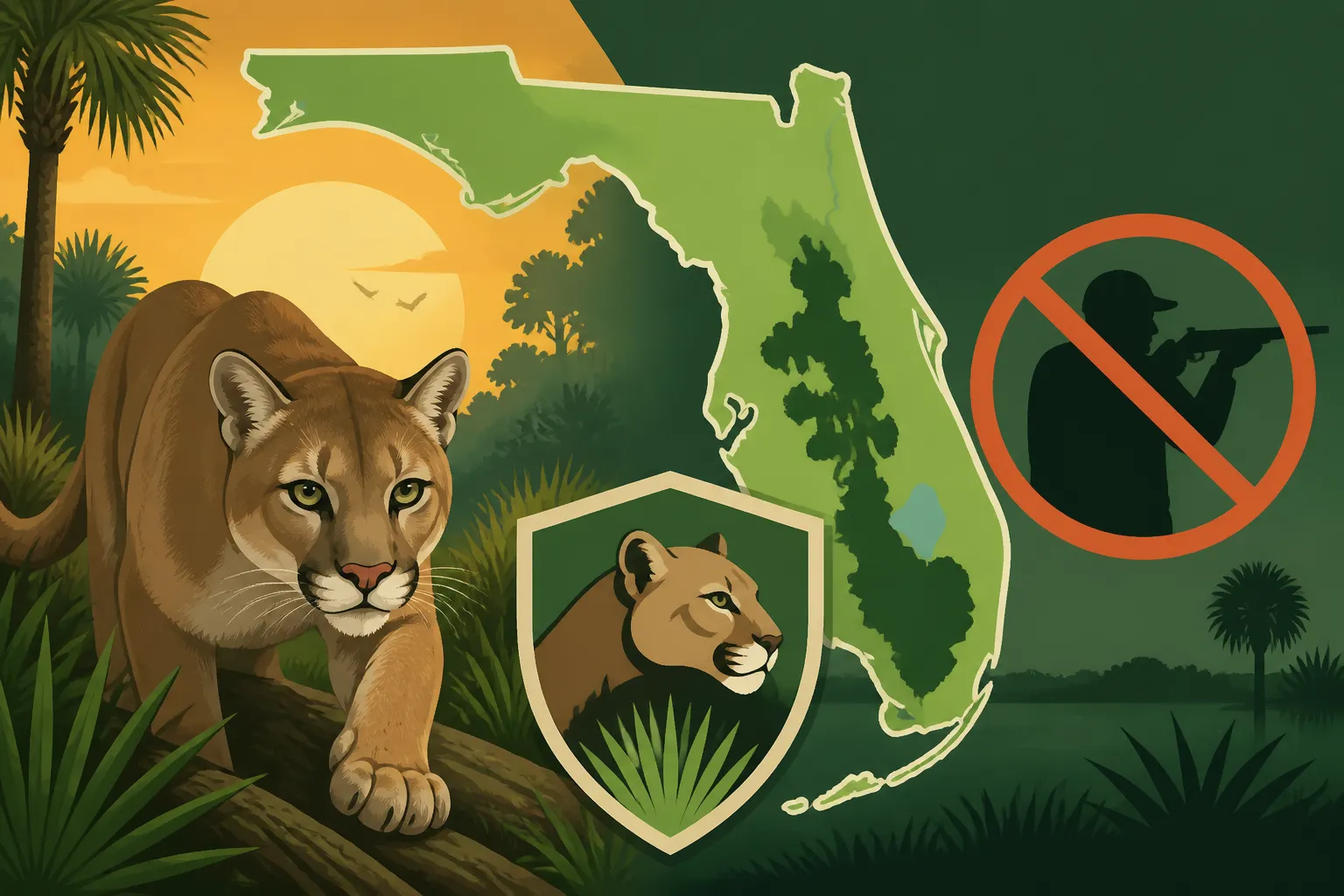
Today, the primary breeding population of Florida panthers is concentrated almost exclusively in South Florida, south of the Caloosahatchee River. This area encompasses vast tracts of public and private lands, including the Everglades National Park, Big Cypress National Preserve, Florida Panther National Wildlife Refuge, and a patchwork of state lands like the J.W. Corbett Wildlife Management Area. These crucial habitats provide the dense cover, abundant prey, and secluded denning sites that panthers need to survive and raise their young. Places like Collier, Hendry, and Lee counties are considered the heart of their territory. When you're out Hunting the Everglades and Big Cypress for deer or hogs, you're truly in panther country, sharing the landscape with these apex predators. Recognizing the type of habitat they prefer – dense palmetto thickets, cypress strands, and oak hammocks – can give you a better sense of where they might be. Using a robust mapping tool like GoHunt can help you identify these specific habitat types even before you set foot in the field, allowing you to better understand the lay of the land, whether you're looking for deer sign or just appreciating the wilderness.
Dispersal Areas and Potential Expansions
While the breeding population remains south of the Caloosahatchee, juvenile male panthers are known to disperse much farther afield in search of new territories and mates. These young males can travel hundreds of miles, crossing the Caloosahatchee River and pushing north into Central Florida. Sightings have been confirmed in counties like Highlands, Polk, and even as far north as Volusia and St. Johns, though these are typically transient males. The Caloosahatchee River has historically acted as a significant barrier, both naturally and due to development along its banks. However, a crucial overpass on Alligator Alley and other wildlife crossings have allowed some panthers to safely navigate these obstacles. The hope is that as the population grows, more female panthers will eventually cross the river, establishing a second breeding population further north, which would be a monumental step in their recovery. Understanding these dispersal patterns is vital for conservationists and for anyone who might encounter a panther outside its typical range. This constant movement underscores the importance of a connected landscape and safe travel corridors for all wildlife, from panthers to Florida Deer Population Estimate and even Florida Black Bear Population Estimate.
Here's a quick look at the general range characteristics:
| Category | Characteristics | Key Areas | Typical Panther Activity |
|---|---|---|---|
| Core Breeding Range | South Florida, south of the Caloosahatchee River. Dense, interconnected habitats. | Collier, Hendry, Lee, Monroe (northern part) counties. Everglades, Big Cypress | Regular breeding, denning, established territories for males and females. |
| Dispersal Areas | North of the Caloosahatchee River. More fragmented habitat, often transient. | Charlotte, Glades, Highlands, Polk, Volusia (occasional) counties. | Primarily young males seeking new territory; rare female sightings. |
| Historical Range | Much of the southeastern U.S. Extensive forests, swamps, and coastal plains. | All of Florida, Georgia, Alabama, Mississippi, Louisiana, parts of Arkansas, SC, NC, TN. | Widespread, stable populations prior to European settlement and persecution. |
The Weight of Protection: Why Panthers Are Endangered
The Florida panther holds a unique and critical status in the wildlife conservation world. Its designation as an endangered species is not just a label; it's a call to action, reflecting the immense challenges this species faces and the dedicated efforts required to prevent its extinction.
The Road to Critical Endangerment
The path to endangered status for the Florida panther was a long and heartbreaking one. By the 1970s, the population had dwindled to an estimated 20-30 individuals, isolated in the vast wilderness of South Florida. This critically low number led to severe inbreeding, causing a host of genetic defects that threatened the very survival of the species. Heart problems, undescended testicles in males, and a weakened immune system were becoming alarmingly common. The genetic diversity was so poor that scientists feared the population would simply fade away. Recognizing this dire situation, the Florida panther was among the first species to be listed under the Endangered Species Act in 1973. This listing provided crucial legal protection, preventing further direct persecution and mandating efforts for its recovery. It was a stark wake-up call that human actions had pushed a magnificent creature to the brink, and that only concerted human effort could pull it back. This history serves as a powerful lesson for all wildlife conservation, reminding us that Game You Cannot Hunt in Florida often includes those on the path to recovery.
Legal Safeguards and Recovery Plans
The Endangered Species Act provides a strong framework for the protection and recovery of the Florida panther. Under federal law, it is illegal to "take" a panther, which means to harass, harm, pursue, hunt, shoot, wound, kill, trap, capture, or collect, or to attempt to engage in any such conduct. This applies not only to the animals themselves but also to the critical habitat they depend on. Any development project proposed within the panther's range must undergo rigorous review to ensure it doesn't adversely modify or destroy their habitat.
Beyond legal protection, a comprehensive recovery plan guides all conservation efforts. A significant step in this plan was the genetic restoration project in the mid-1990s, where eight female Texas cougars were introduced to the Florida population. This bold move introduced much-needed genetic diversity, reversing the inbreeding issues and leading to a remarkable rebound in panther health and numbers. Today, the population is estimated to be between 120-230 adults and subadults, a significant improvement but still a far cry from a secure, self-sustaining population. The goal of the recovery plan is to establish three viable, self-sustaining populations, each with at least 240 individuals, across the historic range. This includes efforts to secure and restore habitat, reduce human-panther conflicts, and monitor the population rigorously through methods like radio-collaring and remote camera surveys. Organizations and government agencies work hand-in-hand, often utilizing advanced mapping and data analysis tools, much like a hunter might use GoHunt to understand terrain, to plot optimal habitat restoration and safe corridor development. This meticulous work is critical for the long-term survival of the species, directly influencing Florida Panther Recovery Numbers.
Coexisting with a Predator: Challenges and Solutions
Living in a state with a top-tier predator like the Florida panther brings a unique set of challenges and responsibilities. While most encounters are rare and brief, understanding how to coexist with these magnificent cats is crucial for both human safety and the panther's continued recovery. It’s about more than just avoiding them; it’s about understanding their world.
Navigating Human-Panther Interactions
As the panther population slowly grows and expands, interactions with humans, particularly in rural and semi-rural areas, are inevitable. The most common form of interaction, unfortunately, is vehicle collisions. Highways and roads that fragment their habitat are deadly for panthers, especially dispersing males. Conservation groups and transportation departments are working to mitigate this through wildlife crossings and fencing, but drivers still need to be vigilant, especially during dawn and dusk hours in known panther crossing zones.
Another concern, though less frequent, is depredation on livestock or pets. Panthers are opportunistic predators, and if an easy meal presents itself, they will take it. This can cause significant frustration for ranchers and homeowners. The key to mitigating these issues often lies in proactive measures: securing livestock in predator-proof enclosures at night, keeping pets indoors or in sturdy kennels, and removing attractants like pet food left outdoors. Educating the public about safe practices and dispelling myths about panther aggression are ongoing efforts. It’s about finding a balance where both people and panthers can thrive. When you're Scouting Florida Public Land Before Season, being aware of panther sign, even if you’re focused on deer, helps paint a fuller picture of the ecosystem.
Understanding Panther Behavior and Ecology
To truly coexist with Florida panthers, it helps to understand their natural behavior and ecological role. Panthers are crepuscular and nocturnal, meaning they are most active during twilight hours and at night. This is why sightings are so rare; they prefer to avoid humans. They are solitary animals, except during breeding or when a female is raising cubs. A male panther can have a home range of 150-250 square miles, while females typically have smaller ranges of 70-100 square miles, often overlapping with the male's territory. They are apex predators, primarily hunting white-tailed deer, but they will also take feral hogs, raccoons, armadillos, and even alligators. Their presence is a sign of a healthy ecosystem, as they help regulate prey populations and maintain ecological balance. Understanding that panthers are a vital part of the food chain helps contextualize any perceived "threat" they might pose. Learning to Read Aerial Photos for Florida Deer can also inadvertently help you identify prime panther habitat, such as dense cover connecting larger tracts of land.
The Future of the Florida Panther: Hope Through Conservation
The journey of the Florida panther from the brink of extinction to a slowly recovering population is a testament to dedicated conservation efforts. However, the fight is far from over. The future of this iconic big cat hinges on continued commitment, innovative strategies, and broad public support.
Ongoing Efforts for Population Recovery
One of the most critical aspects of panther recovery is habitat preservation and expansion. As Florida's human population continues to grow, vast tracts of wild lands are under constant threat from development. Protecting existing core habitats, especially private lands that connect to larger public conservation areas like Florida Wildlife Management Areas, is paramount. This involves land acquisition, conservation easements, and working with private landowners to implement panther-friendly land management practices. Beyond protection, active habitat restoration, such as restoring natural water flows in the Everglades and replanting native vegetation, also plays a significant role. These efforts aim to create and secure corridors that allow panthers to move safely between habitats, reducing their risk of vehicle collisions and facilitating dispersal. Organizations and state agencies often use sophisticated GIS mapping tools, like those you might find integrated into a GoHunt platform, to identify crucial corridors and prioritize acquisition or restoration projects.
Monitoring, Research, and Public Involvement
Scientific monitoring and research are the backbone of panther conservation. Biologists regularly capture and radio-collar panthers to track their movements, understand their habitat use, monitor their health, and assess their reproductive success. This data provides invaluable insights into the population's dynamics and helps inform management decisions. Advances in technology, such as remote camera traps and genetic analysis of scat samples, also contribute to this ongoing data collection, giving scientists a clearer picture of individual panthers and the overall population without direct human intervention. This kind of Florida Wildlife Disease Monitoring Program is crucial for the health of all Florida wildlife, not just panthers.
Public involvement is equally vital. Education campaigns aim to raise awareness about panthers, dispel myths, and encourage coexistence. Reporting panther sightings (especially those that seem unusual or in new areas), reporting roadkills, and adhering to speed limits in panther crossing zones are all ways the public can contribute. Financial support for land acquisition and conservation initiatives, whether through specialty license plates or direct donations, also makes a tangible difference. The commitment of Floridians and visitors alike to protect this magnificent predator is the ultimate key to ensuring that the Florida panther continues to roam the wild heart of our state for generations to come. It’s a shared responsibility, and every action, big or small, plays a part in writing the next chapter of the Florida panther’s incredible comeback story.
Disclaimer
This article is for general informational purposes only and does not constitute professional advice. Laws, prices and regulations vary by location and change over time. Consult a qualified professional for guidance on your specific situation.