Why Florida Paused Bear Hunting for a Decade
It can be incredibly confusing to keep up with wildlife management, especially when seasons open, close, and then sometimes open again. For many Floridians who remember a time when black bears were a rare sight, the idea of a bear hunting season might seem completely foreign, or perhaps even a little alarming. Yet, Florida did pause bear hunting for a significant period and then, after much debate and scientific study, decided to bring it back. This guide will walk you through the history of Florida's black bear population, the reasons behind that long pause, and what led to the eventual reinstatement of a hunting season.
The Long Journey: From Endangered to Protected Status
Florida’s black bears (specifically, the Florida black bear subspecies, Ursus americanus floridanus) have quite a story of resilience. For much of Florida's early history, bears were common across the state. They roamed the vast pine forests, cypress swamps, and scrublands, a vital part of the ecosystem. However, as human populations expanded, habitats were fragmented, and hunting pressure increased dramatically without proper management.
Historical Decline and Protective Measures
By the mid-20th century, the Florida black bear population had dwindled to alarmingly low numbers. We're talking about a dramatic drop, with estimates suggesting only a few hundred bears remained in isolated pockets, primarily in larger wilderness areas like the Ocala National Forest and the Everglades. This decline was a direct result of unchecked habitat loss, vehicle collisions, and unregulated hunting. It was a bleak picture that worried many wildlife biologists and conservationists.
Recognizing the dire situation, the state took decisive action. In 1974, the Florida black bear was officially listed as a threatened species by the state. This wasn't just a label; it came with serious legal protections. Hunting was completely suspended, and strict penalties were put in place for harming bears. The goal was clear: give these animals a fighting chance to recover. It was a monumental shift from viewing bears as game animals to recognizing them as a species in urgent need of protection. This period marked the beginning of intensive conservation efforts aimed at understanding bear ecology, protecting remaining habitats, and reducing human-caused mortality.
Why Florida Hit the Pause Button on Bear Hunting
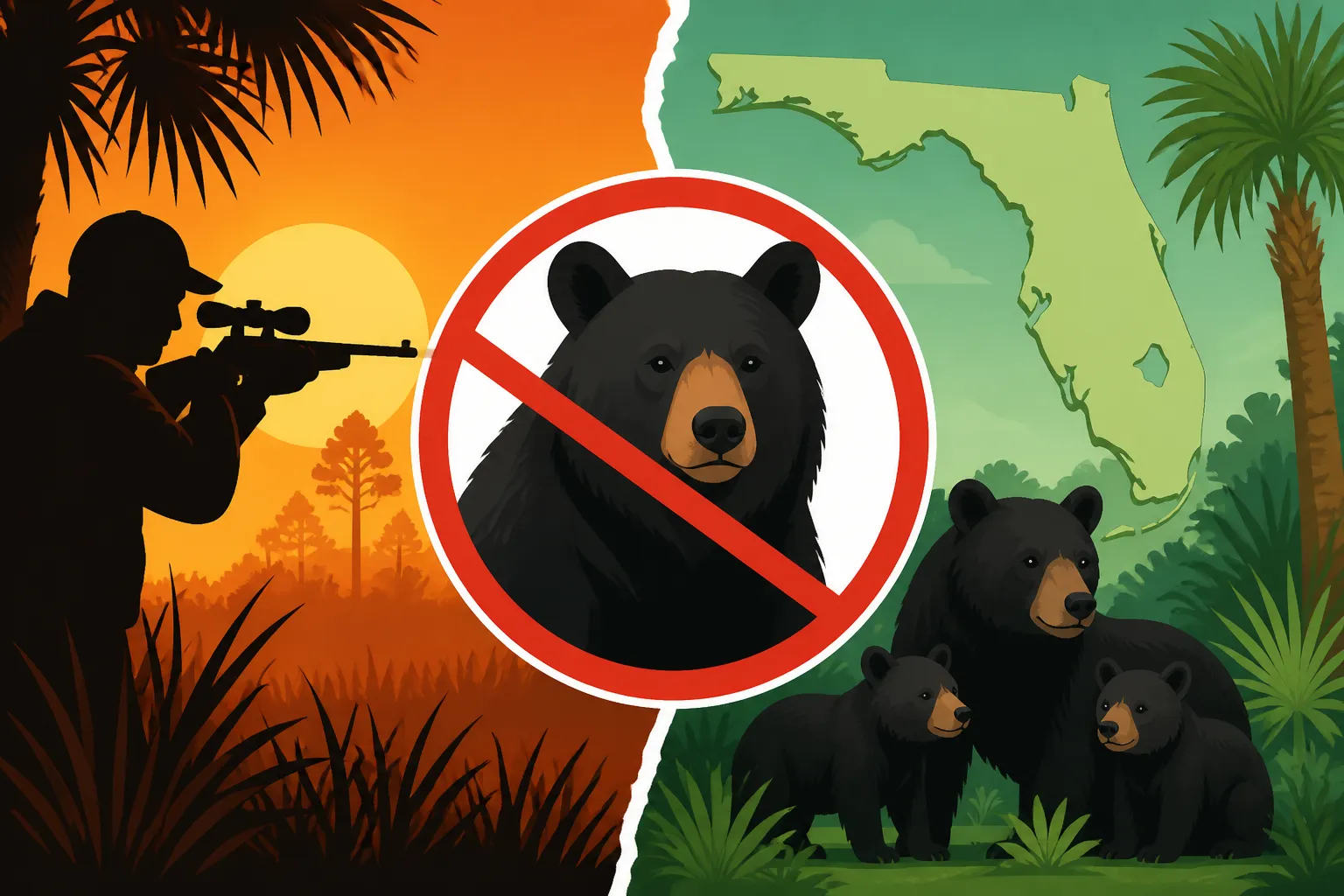
The decision to completely close the bear hunting season in 1994 wasn't made lightly. It was the culmination of decades of observing declining numbers and a clear understanding that the population simply couldn't sustain any hunting pressure. The pause wasn't just about stopping hunting; it was part of a broader, comprehensive strategy to bring Florida's black bears back from the brink.
Focusing on Population Recovery and Habitat Preservation
When the hunting season was officially closed, the focus shifted entirely to recovery. This meant implementing strategies to help bears not just survive, but thrive and expand their numbers. A critical aspect of this was understanding their needs, which involved extensive research into bear behavior, diet, and reproduction. Biologists studied movements using radio collars, assessed cub survival rates, and monitored overall population health.
Crucially, the pause allowed for the implementation of habitat preservation and restoration efforts. Bears need large, contiguous tracts of land to forage, den, and raise their young without constant human disturbance. Efforts were made to connect fragmented habitats through wildlife corridors and protect existing wilderness areas. This long-term commitment to habitat was paramount in seeing a turnaround in bear numbers. Understanding things like Florida Bear Population by Subpopulation Zone became crucial during this recovery phase, guiding where conservation efforts were most needed.
Addressing Human-Bear Conflict
While the primary goal of the pause was population recovery, another significant factor that gained increasing attention was the growing number of human-bear conflicts. As bear numbers slowly increased and their ranges expanded, they inevitably came into more frequent contact with Florida's rapidly growing human population. Bears, being intelligent and adaptable, quickly learned that residential areas, particularly garbage cans and pet food bowls, were easy sources of high-calorie meals.
This led to a surge in nuisance calls, property damage, and, in some rare but concerning cases, aggressive encounters. The "pause" created a scenario where more bears were encountering more people, leading to a complex management challenge. The very success of the recovery efforts inadvertently created new problems that needed different solutions beyond just habitat protection. This became a recurring theme as the population continued to rebound, making it clear that a new approach would eventually be needed to balance bear conservation with public safety.
The Resurgence of Florida's Black Bear Population
The conservation efforts, along with the complete cessation of hunting, truly paid off. What began as a desperate plea for survival transformed into one of the most remarkable wildlife recovery stories in Florida's history. The black bear population didn't just stabilize; it exploded.
Documenting the Rebound
The dedicated work of wildlife agencies, conservation groups, and even citizen scientists played a massive role in documenting this incredible comeback. From the initial few hundred bears in the 1970s, estimates indicated the population had grown to several thousand across the state. This wasn't just a slight bump; it was a robust, widespread recovery that saw bears moving back into areas where they hadn't been seen in generations. Hunters and outdoors enthusiasts who use tools like GoHunt to scout areas can see how historical bear sightings align with modern population maps, illustrating this expansion.
This resurgence was a testament to the effectiveness of the hunting pause combined with active management strategies. It proved that given the right protections and habitat, Florida's wildlife could indeed recover. The numbers were undeniable: How Florida's Bear Population Rebounded Since the 1970s showed a clear upward trend. The state went from worrying about extinction to celebrating a thriving population, spreading across more than 40 counties.
Population Estimates and Management Zones
To effectively manage a species as dynamic as the black bear, wildlife agencies break down the state into management zones, each with its own unique characteristics and population dynamics. For bears, these zones often correspond to larger, contiguous habitat blocks. By understanding the population within each of these zones, managers can tailor strategies.
For instance, areas like the Ocala National Forest have always been a stronghold for bears, but other zones, such as the one encompassing the Apalachicola National Forest or the Central Florida region, also saw significant growth. Regularly updated population estimates, sometimes collected through bait station surveys, hair snares, and even roadkill data, provide crucial insights. This data helps wildlife managers determine where populations are healthy, where they might be struggling, and where human-bear conflicts are most prevalent. This granular approach ensures that management decisions are data-driven and localized.
Here’s a simplified look at the growth timeline and key management shifts:
| Year | Policy Status | Estimated Bear Population (Approx.) | Key Management Focus |
|---|---|---|---|
| Pre-1974 | Unregulated Hunting & Habitat Loss | Very Low (e.g., ~300-500) | Survival, Basic Protection |
| 1974 | Listed as State Threatened, Hunting Prohibited | ~500-1000 | Habitat Protection, Research |
| 1994 | Hunting Season Suspended Indefinitely | ~1000-1500 | Population Growth, Habitat Connectivity |
| 2012 | Delisted from Threatened Status | ~3000-4000 | Conflict Mitigation, Population Monitoring |
| 2015 | Bear Hunt Reinstated (Limited) | ~4000-4500 | Regulated Harvest, Conflict Reduction |
The Return of Bear Hunting: Balancing Act and Public Safety
After more than two decades of a hunting moratorium, the state wildlife commission made the controversial decision to reinstate a limited bear hunting season. This move was not without significant public debate, passionate arguments from both sides, and careful scientific consideration. It marked a new chapter in Florida's bear management.
Population Management and Conflict Reduction
The primary justification for bringing back the bear hunt was population management. Wildlife biologists argued that with a robust and growing bear population, particularly in certain areas, regulated hunting could serve as a tool to stabilize numbers and, more importantly, mitigate human-bear conflicts. The idea was that a controlled harvest could help reduce the overall bear population in areas where conflicts were highest, thereby reducing encounters between bears and people.
It wasn't about eradicating bears or even significantly reducing their statewide numbers. Instead, it was about managing local populations to a level that could coexist more harmoniously with human development. This proactive approach sought to prevent further increases in nuisance behavior, property damage, and potential public safety risks that had become increasingly common as bears moved into more developed areas. The goal was truly a delicate balancing act, aimed at preserving a healthy bear population while also ensuring the safety and well-being of Florida residents. The state carefully considered the Florida's One-Hundred-Eighty-Seven Bear Quota to ensure a sustainable harvest.
Public Debate and Scientific Justification
The decision to resume bear hunting ignited a firestorm of public opinion. Conservation groups and many citizens vehemently opposed the hunt, citing ethical concerns, the continued vulnerability of bears, and the argument that non-lethal solutions to conflict, like improved garbage management, were not yet fully exhausted. They worried about the perception of undoing decades of successful conservation work.
On the other side, state wildlife officials, many hunters, and landowners argued that the science supported the need for a management hunt. They pointed to the skyrocketing population numbers, the increase in bear complaints, and the fact that other states successfully manage healthy bear populations through regulated hunting. They emphasized that the hunt was a scientific tool, not a recreational free-for-all, designed to target specific zones with high conflict and stable populations. The debate highlighted the fundamental tension between different philosophies of wildlife management: one focused on strict protection, the other on active population control for ecological and social balance. Ultimately, the commission, relying on their scientific staff's recommendations, decided to move forward with the limited hunt. Details of the hunt, including the application process, were outlined, with information like Applying for Florida's Bear Permit Lottery becoming crucial for interested hunters.
The Aftermath and Ongoing Bear Management
The reinstatement of Florida's bear hunting season, even if only for a short period in some years, continues to be a topic of discussion and careful monitoring. The management of a species like the Florida black bear, which lives in close proximity to human development, is an ongoing process that requires constant adaptation.
Lessons Learned from the Pause and Resumption
The decades-long pause provided invaluable lessons. It demonstrated beyond a doubt the incredible capacity for recovery that wildlife populations possess when given adequate protection and habitat. It also showed that a purely protective stance, without consideration for population density in relation to human encroachment, can lead to its own set of challenges, specifically increased human-wildlife conflict.
The resumption of hunting, while controversial, served as an experiment in adaptive management. It highlighted the complexities of public perception in wildlife decisions and the need for clear communication of scientific rationale. The intense scrutiny surrounding the hunt underscored that any future management actions would need to be meticulously planned, justified by robust data, and transparently communicated to the public. The focus remains on striking that delicate balance – ensuring a healthy bear population while minimizing negative interactions with people. Even when hunting seasons are not active, understanding Florida Bear Permit Application Process or Florida Bear Permit Lottery Odds is vital for those interested in the possibility of future opportunities.
Modern Bear Management Strategies
Today, Florida’s black bear management is multi-faceted, constantly evolving, and based on the latest scientific data. It extends far beyond just considering hunting. Key components include:
- Habitat Conservation: Continuing efforts to protect, restore, and connect bear habitats, especially in rapidly developing areas.
- Conflict Prevention: Promoting bear-resistant garbage cans, educating residents on securing attractants, and implementing proactive measures in high-conflict zones. Tools from GoHunt can sometimes aid in identifying potential conflict areas by mapping human development against bear habitat.
- Population Monitoring: Regular surveys and research to track bear numbers, health, and distribution across all Florida's Thirty-One Bear Hunting Counties and beyond.
- Public Education: Continuous outreach to inform residents and visitors about living safely in bear country, emphasizing responsible actions to avoid attracting bears.
- Adaptive Hunting Management: Should hunting be reinstated in the future, it would always be approached with strict quotas, specific regulations (like those covering Why Bear Dogs Wait Until 2027), and careful monitoring of its impact on the population and conflict levels. This ensures that any harvest is sustainable and contributes to the overall management goals.
The journey of Florida's black bear from the brink of extinction to a managed, thriving population is a testament to dedicated conservation efforts. The decision to pause hunting for over two decades was a critical step in that recovery, and the subsequent consideration and, at times, reinstatement of limited hunting reflects an ongoing effort to balance ecological health with human safety in a state that continues to grow.
Disclaimer
This article is for general informational purposes only and does not constitute professional advice. Laws, prices and regulations vary by location and change over time. Consult a qualified professional for guidance on your specific situation.