Florida Osceola Population Estimate
It's a question every Florida turkey hunter has pondered, especially as spring approaches: just how many Osceola turkeys are actually out there? We all dream of that booming gobble echoing through the palmetto, but sometimes it feels like they're as rare as a snow day in July. Trying to pin down an exact number can feel like a fool's errand, leaving many of us wondering if our efforts are well-placed. This guide will dive into the fascinating world of Florida's Osceola turkey population, exploring how wildlife agencies estimate their numbers, what those numbers actually mean for hunters, and how we can all contribute to their healthy future.
The Elusive Osceola: Why Population Estimates Are Tricky
For a bird as iconic as the Osceola turkey, you'd think we'd have a precise headcount, right? But the reality of wildlife management, especially with a species that thrives in thick, often inaccessible habitats, is far more complex than simply counting noses. There are significant challenges in getting a truly accurate figure, and understanding these helps us appreciate the work done to manage this incredible game bird.
Challenges in Counting Wild Turkeys
Imagine trying to count every squirrel in your neighborhood, let alone every deer in a vast forest. Now, consider a wild turkey, a creature known for its wariness and its ability to vanish into the undergrowth in a blink. Wild turkeys, especially the Osceola subspecies, are masters of camouflage and stealth. They don't congregate in open fields like cattle, and their territories can be extensive, particularly in Florida's diverse and often dense ecosystems.
One of the biggest hurdles is their natural dispersion. Unlike some species that might form large, easily visible herds, turkeys spread out, especially during the breeding season. They prefer dense cover, like palmetto scrub, pine flatwoods, and cypress swamps, making aerial surveys extremely difficult and ground surveys labor-intensive. Their daily routines involve moving from roosts to feeding areas, often covering significant ground, further complicating any snapshot count. You might spend all morning scouting a prime oak hammock, only for the birds to be a quarter-mile away, hidden in a thick stand of pines. Plus, factors like weather can heavily influence their visibility and activity, making consistent observation a real challenge.
Florida's Unique Osceola Range
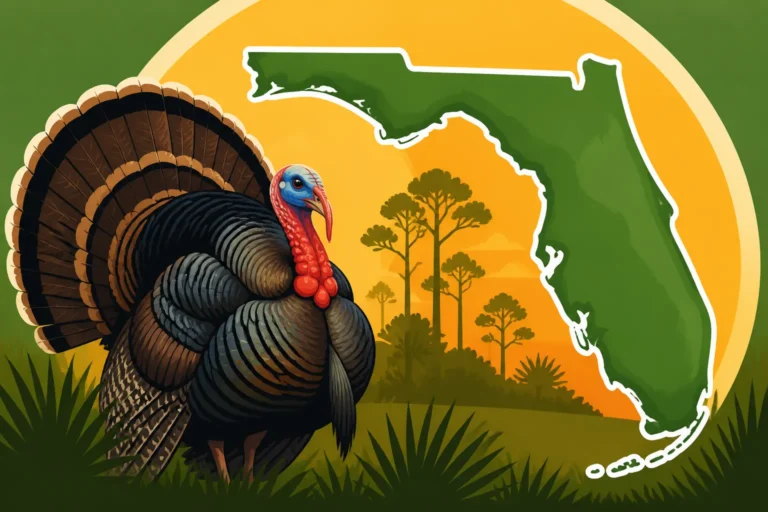
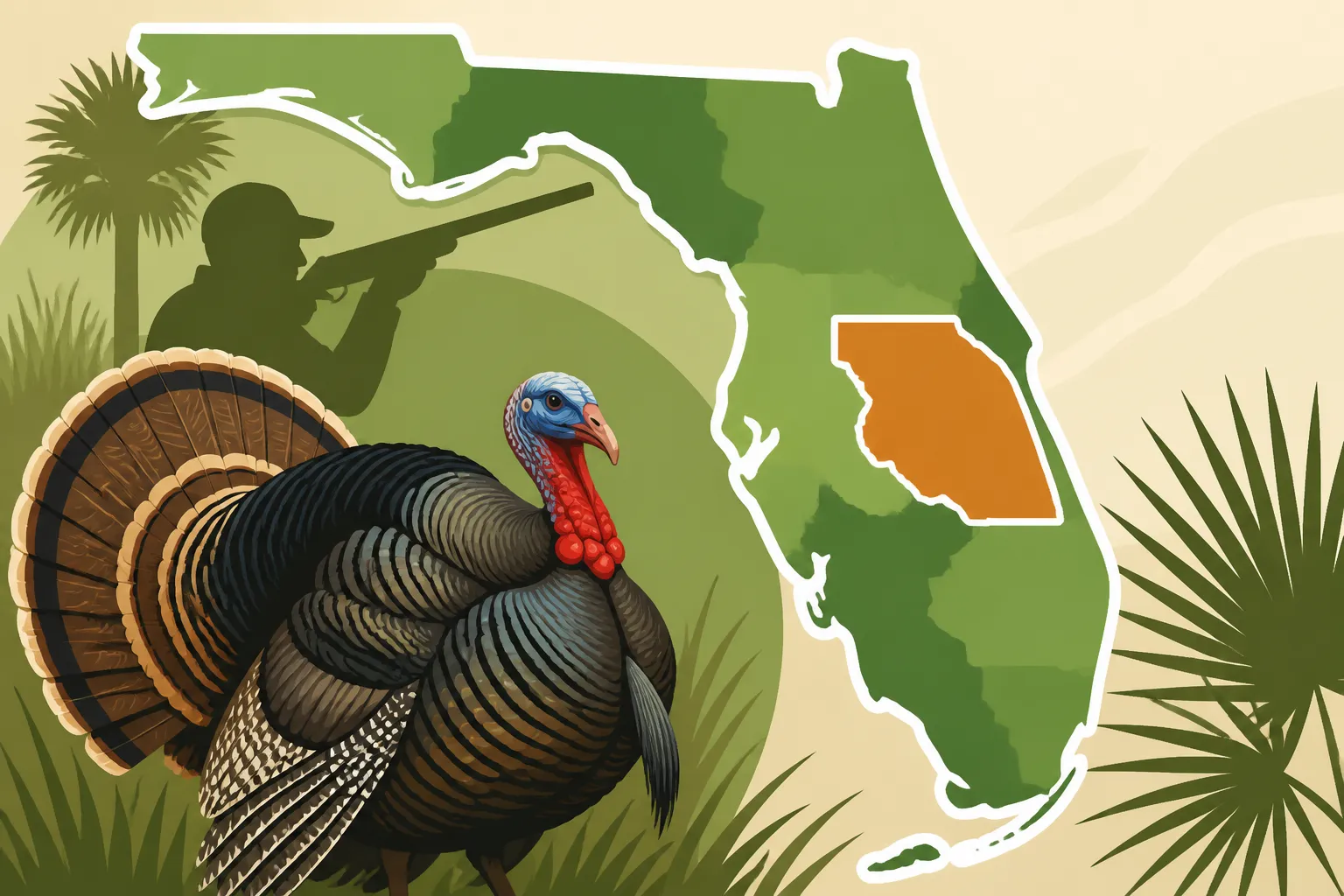
What makes the Osceola turkey even more special, and its population dynamics distinct, is its incredibly specific geographic range. These aren't just any wild turkeys; the Osceola subspecies is endemic to peninsular Florida, meaning you won't find pure Osceolas naturally occurring anywhere else in the world. This unique isolation has shaped their behavior, habitat preferences, and, consequently, how their populations are managed and estimated.
The dividing line for the Osceola's range generally falls around the Suwannee River, with some overlap and debate in the northern counties. North and west of this line, in the Florida Panhandle, you'll find the Eastern wild turkey. This distinct separation means that habitat degradation or specific environmental changes in central and south Florida can have a profound and unique impact on the Osceola population, without affecting Eastern populations in other states. The Florida Fish and Wildlife Conservation Commission (FWC) defines Florida's Osceola and Eastern Turkey Zones clearly, helping hunters understand where each subspecies typically resides. Their preferred haunts include classic Florida landscapes like palmetto and pine flatwoods, cypress swamps, and oak hammocks, often interspersed with agricultural fields. This specialized habitat means counting them requires intimate knowledge of these specific ecosystems, which can vary wildly even within a single county.
How Florida Tracks Its Osceola Turkey Population
Despite the difficulties, wildlife agencies like the Florida Fish and Wildlife Conservation Commission (FWC) are constantly working to monitor the health and trends of the Osceola turkey population. They don't have a giant net to catch and count every bird, but they employ a suite of clever methods that, when combined, provide a remarkably clear picture of the population's status. It's a bit like a detective piecing together clues to solve a mystery, rather than having a full confession upfront.
FWC's Survey Methods and Data Collection
The FWC utilizes several key strategies to estimate turkey numbers and track population trends. These methods are designed to collect data from various sources, helping to triangulate a reliable estimate.
One crucial method involves brood surveys. These surveys are often conducted during the summer months when hens are raising their poults. Biologists and trained volunteers drive or walk predetermined routes, carefully observing and recording any turkeys they see, especially hens with their broods. The number of poults per hen is a vital indicator of reproductive success, which directly impacts the following year's population. A good hatch means a strong recruitment of young birds into the population, while a poor hatch can signal a decline. These surveys often rely on the keen eyes of locals and landowners who are out in the field regularly, providing invaluable ground-level data.
Another significant data source comes from hunter harvest reports. After a successful hunt, Florida hunters are required to report their harvest, either through a dedicated app or online system. This data, including the date, location, and sex of the bird, provides a direct measure of hunter success and, by extension, gives insights into the density and availability of turkeys in specific areas. While not a direct population count, consistent harvest data over years can highlight trends. If hunter success rates are consistently declining in certain regions, it might indicate localized population issues. Hunter compliance is critical here; accurate and timely reporting ensures the FWC has the most complete picture possible. For those new to Florida hunting, understanding Florida Deer Reporting Requirements (which apply to turkeys too) is key.
Lastly, gobbling activity surveys provide a different kind of insight. During the spring mating season, male turkeys, or gobblers, are vocal. Biologists conduct surveys by listening for gobbling activity at various established points at dawn. The frequency and location of gobbling provide an index of gobbler abundance and distribution. While not a direct count, a strong gobbling index suggests a healthy number of breeding males, which is a positive sign for the overall population. These surveys are often correlated with weather patterns and the timing of the spring season, such as Florida Osceola Spring Season Dates, as these factors heavily influence turkey behavior.
Interpreting Population Trends and Health Indicators
When the FWC gathers all this data, they're not just looking for a single number; they're looking for patterns, trends, and indicators of the overall health of the Osceola population. A single year's data point can be misleading, but a consistent trend over several years paints a much clearer picture.
Wildlife biologists interpret these trends to determine if the population is stable, increasing, or decreasing. For instance, if brood surveys consistently show low poult survival rates, it might point to issues like increased predation, poor nesting habitat, or adverse weather during hatching. Conversely, high poult numbers and consistent harvest success suggest a robust and healthy population.
Several factors can impact these trends. Habitat loss and fragmentation remain a constant threat, as Florida's rapid development often encroaches on critical turkey habitat. Predation, from bobcats and coyotes to raccoons and opossums, can impact poult survival. Weather also plays a significant role; prolonged cold, wet springs can decimate young poults, while droughts can reduce food sources. Disease, while less common, can also have localized impacts. The FWC continually monitors these factors to understand the "why" behind any observed population changes.
Understanding these indicators is crucial for effective management. If trends suggest a decline, the FWC might adjust bag limits, shorten seasons, or implement habitat restoration projects. If the population is thriving, current regulations are likely working well. This dynamic approach ensures the sustainability of the Osceola turkey for future generations of hunters and wildlife enthusiasts.
Here's a simplified look at what factors influence Osceola turkey populations:
| Factor | Impact on Population | Management Response |
|---|---|---|
| Habitat Quality | Direct impact on nesting, feeding, roosting sites | Habitat restoration, prescribed burns, land acquisition |
| Weather Patterns | Affects poult survival, food availability | No direct control, but informs harvest strategies |
| Predation | Influences poult and hen survival | Predator management (sometimes), habitat improvement |
| Disease Outbreaks | Can cause localized declines | Monitoring, research, limited intervention |
| Food Availability | Influences overall health and reproduction | Promoting diverse forage, managing mast crops |
| Hunting Pressure | Can impact local densities if not managed | Adjusting bag limits, season lengths, quota hunts |
| Urban Development | Reduces available habitat, increases fragmentation | Land conservation, buffer zones, wildlife corridors |
What the Current Osceola Population Picture Looks Like
When we talk about the "current" Osceola population, it's less about a hard number and more about a general assessment of health and trends. Think of it like a doctor assessing your overall well-being rather than just weighing you – they look at a range of indicators to give you a comprehensive picture. For Osceolas, the news is generally quite good, but there are always nuances depending on where you're looking.
General Osceola Population Status
Overall, the Osceola turkey population in Florida is considered stable and well-managed. This is great news for anyone who loves hearing that morning gobble! Through decades of dedicated conservation efforts, including habitat restoration, sensible hunting regulations, and careful monitoring by the FWC, these unique birds have rebounded significantly from historical lows. In fact, Florida is often highlighted as a conservation success story for its wild turkey populations.
While we won't throw out a specific, constantly changing numerical estimate, it's fair to say that across much of peninsular Florida, you'll find healthy, huntable populations. This doesn't mean every square mile is teeming with turkeys, but it does mean that the species as a whole is not facing widespread decline. The FWC's continuous monitoring through brood counts, harvest data, and gobbling surveys gives them confidence in this assessment. They are vigilant, however, knowing that environmental changes and human pressures are constant factors. Hunter participation in the reporting process, for example, is critical for understanding Florida Turkey Population Trends across the state.
Of course, "stable" doesn't mean "static." Localized populations will always fluctuate. A particularly harsh nesting season in one area due to heavy rains or increased predator activity might lead to fewer birds there for a year or two. Conversely, a mild winter followed by a banner acorn crop can lead to a boom in another area. These natural ebbs and flows are normal in wildlife populations, and they're precisely why the FWC focuses on long-term trends rather than short-term snapshots.
Regional Differences and Local Hotspots
Just like different neighborhoods have different vibes, different regions of Florida offer varying densities of Osceola turkeys. You simply can't expect the same turkey numbers in a heavily developed urban fringe as you would in a vast, rural wildlife management area (WMA) or large private ranch.
Areas with extensive, contiguous habitat – think large tracts of pine flatwoods, oak hammocks, and cypress edges – tend to hold higher concentrations of birds. These are the places where turkeys have ample space to roam, find food, nest, and avoid predators. Many of Florida's larger WMAs, particularly those with a strong focus on turkey habitat, can be local hotspots. Places like Green Swamp Wilderness Preserve or Three Lakes Wildlife Management Area are often mentioned by hunters as offering good opportunities, though even there, success is never guaranteed. Public land hunting can be challenging, but rewarding, as you might discover when Hunting an Osceola Gobbler in Palmetto Scrub or Setting Up Against a Big Live Oak.
Private lands, especially large cattle ranches or timber properties that maintain diverse habitats, can also hold fantastic turkey populations. These areas often have less hunting pressure and more consistent habitat management, leading to higher densities and sometimes older, more established birds.
However, even within these prime regions, density can vary. One block of timber might be loaded with birds, while an adjacent section might be quiet. Factors like recent prescribed burns, timber harvests, or even localized food sources (like a productive acorn crop) can draw birds to specific locations. This is where diligent scouting and understanding turkey behavior come into play. Tools like GoHunt can be incredibly valuable for exploring satellite imagery, understanding habitat types, and identifying potential turkey haunts, helping you narrow down those promising areas on public or private land. Remember, the birds will be where the food, water, and security cover are.
Impact on Osceola Hunting and Conservation Efforts
The data gathered on the Osceola turkey population isn't just interesting biological information; it directly impacts how we hunt and how we ensure these magnificent birds are around for generations to come. It’s a feedback loop: healthy populations allow for hunting opportunities, and hunters, through their license purchases and conservation efforts, help maintain those healthy populations.
Managing for a Sustainable Harvest
One of the primary goals of wildlife management is to ensure a sustainable harvest, meaning hunters can pursue game without negatively impacting the long-term health of the population. For Osceola turkeys, population estimates are fundamental to setting appropriate hunting regulations, such as bag limits and season dates.
For example, if brood surveys consistently indicate a strong year of poult production, the FWC might feel confident in maintaining current bag limits or even considering slight adjustments in certain zones, always with caution. Conversely, if several years of data suggest declining recruitment, they might explore reducing bag limits or shortening seasons to allow the population to recover. This adaptive management approach is why Florida Turkey Checking Requirements and Florida Osceola Zone Turkey Permit Rules are in place – they're not just bureaucracy; they're essential tools for data collection that informs these critical decisions.
Beyond regulations, conservation initiatives funded partly by hunting license sales actively work to improve and expand Osceola habitat. This includes prescribed burning to maintain open understories in pine forests, planting beneficial food plots, and managing water sources. Groups like the National Wild Turkey Federation (NWTF) are often partners in these efforts, contributing significant resources and volunteer hours to hands-on habitat projects across the state. Every time you purchase a hunting license or a turkey permit, you're directly contributing to these vital conservation efforts, helping to ensure prime areas for Hunting an Osceola Gobbler in Palmetto Scrub remain viable.
The Hunter's Role in Osceola Conservation
As hunters, we are more than just participants in the season; we are essential stewards of the Osceola turkey and its habitat. Our actions, both individually and collectively, have a significant impact on the future of this species.
One of the most critical roles we play is accurate harvest reporting. When you tag a gobbler, taking the time to report it via the FWC's system, complete with accurate date and location, provides invaluable data points. This information, aggregated across thousands of hunters, directly feeds into the population models and trend analyses that the FWC uses to make management decisions. Think of it as your personal contribution to wildlife science – it truly makes a difference.
Beyond reporting, ethical hunting practices are paramount. This includes respecting bag limits, adhering to season dates, and making responsible shot choices to minimize wounded birds. Practicing good woodsmanship and respecting private land boundaries also reflects positively on the entire hunting community, helping to maintain public support for hunting and conservation. Understanding your Florida Hunter Education Requirements is the first step toward becoming a responsible hunter.
Finally, consider getting involved in hands-on conservation. Local NWTF chapters or other conservation organizations often host volunteer days for habitat improvement projects, such as planting trees, clearing invasive species, or assisting with prescribed burns. These efforts directly benefit Osceola turkeys by enhancing their living environment. By being actively engaged, we help ensure that the elusive gobble of the Osceola turkey will continue to echo through the Florida landscape for generations to come.
Disclaimer
This article is for general informational purposes only and does not constitute professional advice. Laws, prices and regulations vary by location and change over time. Consult a qualified professional for guidance on your specific situation.