Florida Squirrel Harvest Numbers
It's easy to get caught up in the allure of big game hunting in Florida, dreaming of trophy deer or a springtime gobbler. But let's be real: sometimes the most accessible, enjoyable, and consistent hunting action comes from the smallest game, like squirrels. Many hunters overlook the fantastic opportunities that chasing squirrels provides, often not realizing how abundant these little critters are or how to interpret data that can lead to more successful outings. This guide aims to shed light on Florida's squirrel harvest numbers, helping you understand population trends and improve your chances of filling the pot.
Understanding Florida's Squirrel Populations and Harvest Data
When we talk about hunting, our minds often jump to deer, hogs, or turkeys. But the humble squirrel offers a fantastic entry point into the woods, a chance to hone your skills, and a delicious meal. Understanding the harvest numbers isn't just about bragging rights; it's a window into the health of local squirrel populations and can inform your hunting strategy.
The Value of Harvest Data for Hunters
For many hunters, especially those new to the game or those introducing youth to hunting, squirrel season is a cherished tradition. The data collected from hunter harvests, even for small game, provides valuable insights to state wildlife agencies. These numbers, whether they represent hundreds of thousands or fewer, tell a story about population density, reproduction success, and even the impact of environmental factors like severe weather or food availability. When you see consistent harvest numbers over several years in a particular area, it suggests a stable population and good habitat. Conversely, a noticeable dip might indicate an area worth researching further before you dedicate a whole weekend to it. This kind of information helps us all become more effective and ethical hunters, ensuring we're pursuing a sustainable resource. It's a way of taking the pulse of the forest, offering a practical advantage beyond just blindly walking into the woods hoping for the best.
Gray Squirrels Versus Fox Squirrels in the Harvest
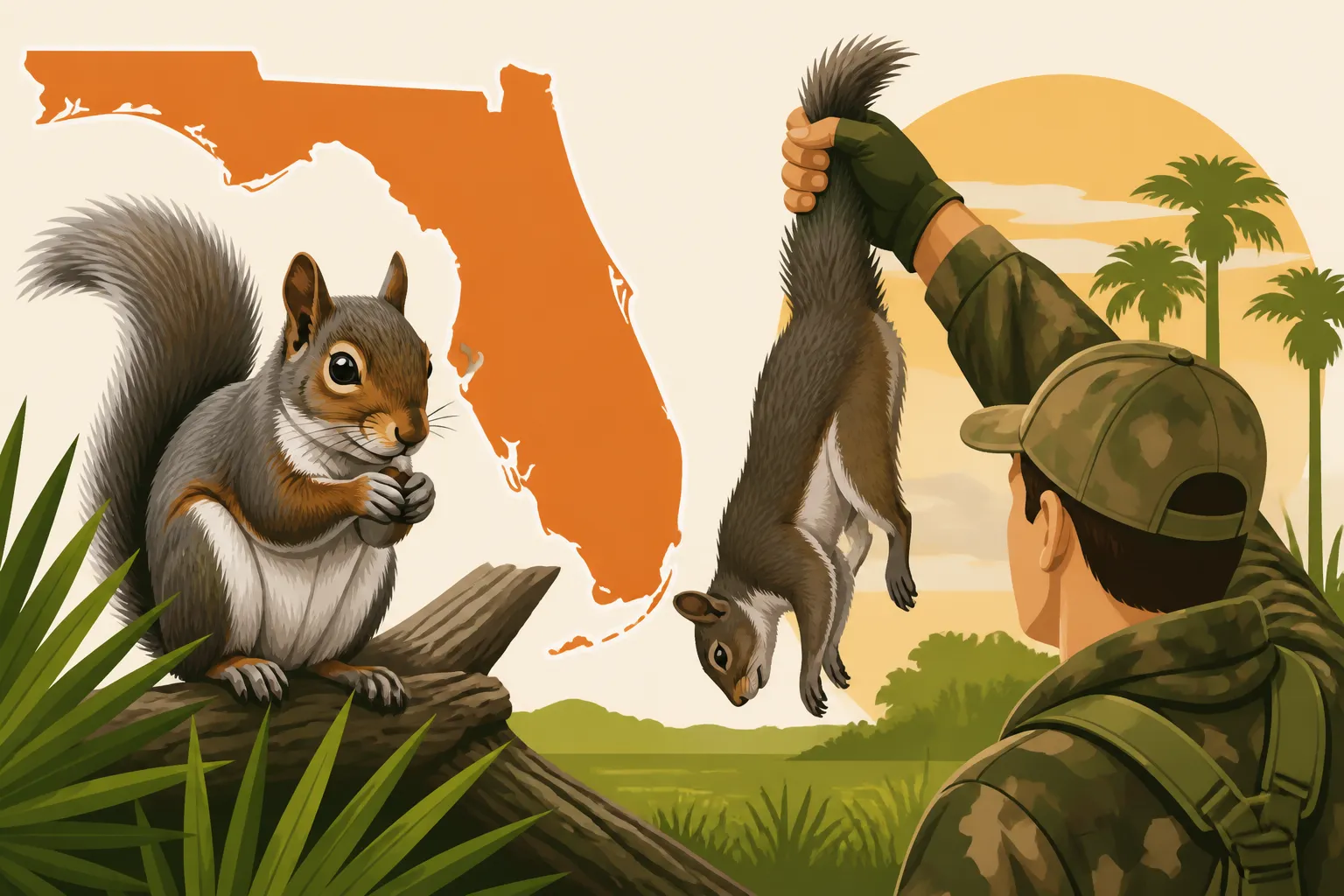
In Florida, hunters primarily pursue two species of squirrels: the ubiquitous gray squirrel and the larger, more elusive fox squirrel. The harvest numbers for these two species tell very different tales, reflecting their differing behaviors, habitat preferences, and overall population densities. Gray squirrels are widespread throughout the state, often found in dense hardwood hammocks, suburban woodlots, and virtually any area with mature trees and a food source. They are numerous, active, and generally easier to hunt, which naturally leads to higher harvest numbers. When you hear about high squirrel harvests in Florida, it's almost always dominated by gray squirrels.
Fox squirrels, on the other hand, are a different beast entirely. They are significantly larger, often exhibiting beautiful color variations, and tend to prefer more open pine-dominated woodlands or sandhills, often with a good understory of palmettos. They are also less numerous and more solitary than their gray cousins, making them a tougher quarry. Because of their lower densities and specific habitat needs, fox squirrel harvest numbers are considerably lower and fluctuate more regionally. Understanding this distinction is crucial when looking at general "Florida squirrel harvest numbers" – you're mostly seeing data for gray squirrels, with fox squirrels representing a much smaller, albeit prized, portion of the total. Hunters specifically targeting fox squirrels need to adjust their scouting and tactics accordingly, focusing on the right habitat types where these magnificent animals roam. For some detailed insights into where to find these little speedsters, check out Squirrel Hunting Florida Hardwood Hammocks.
Factors Influencing Florida's Squirrel Harvest Success
Florida's unique climate and diverse ecosystems mean that various factors play a significant role in how successful squirrel hunters are from one season to the next. It’s not just about showing up; it’s about understanding the natural rhythms that govern these small game populations.
The Role of Mast Crops and Habitat
When you're thinking about squirrel hunting success, you've got to think about food. Just like deer, squirrels rely heavily on mast crops, particularly acorns, hickory nuts, and pecans. A bumper crop of acorns in a given year often translates to a boost in squirrel populations the following year, as more food means better survival rates for young squirrels and healthier adults going into the breeding season. Conversely, a poor mast year can lead to fewer squirrels, as they struggle to find enough to eat, impacting their ability to reproduce and survive.
Habitat quality also plays an enormous role. Areas with mature hardwood trees, especially oaks, hickories, and cypress, provide both food and shelter. Dense canopy cover offers protection from aerial predators, while hollow trees provide critical denning sites. Areas that have undergone extensive logging, development, or even certain types of prescribed burns can temporarily reduce suitable squirrel habitat, impacting local populations and, consequently, harvest numbers. For those serious about finding hotspots, tools often used for big game, like the detailed mapping and land ownership overlays from GoHunt, can help identify suitable timber types and stand densities, even for squirrel hunting, letting you see where the best mast-producing trees might be located on public lands. Healthy, diverse forests are key to consistent squirrel harvests, making it vital for hunters to consider these environmental factors before planning their trips.
Hunting Pressure and Accessibility
Another crucial factor impacting Florida's squirrel harvest numbers is, quite simply, hunting pressure and access. While squirrels are abundant, the number of hunters actively pursuing them, and where they choose to hunt, certainly affects the overall take. Public lands, especially Wildlife Management Areas (WMAs) and National Forests, tend to see higher hunting pressure, particularly during peak season dates. If an area is easily accessible by vehicle, you can bet it sees more boots on the ground, potentially dispersing squirrels or making them more wary.
On the other hand, remote sections of public land or private lands with limited access often harbor more naive squirrels and can yield higher individual success rates for those willing to put in the effort. The ease of getting a hunting license and the relatively low cost of squirrel hunting also contribute to participation, making it an accessible sport for many. However, unlike deer or turkey, squirrel seasons are typically long, which allows hunter pressure to spread out over many weeks, rather than concentrating it into short windows. This extended season helps distribute the harvest and reduces localized over-pressure. To get a handle on what you need before you head out, checking out Florida Resident License Options is always a good first step.
Where to Find and Interpret Squirrel Hunting Opportunities
Okay, so you understand the numbers and the factors. Now, how do you put that knowledge to good use? Finding the right place and knowing how to read the landscape are paramount to a successful squirrel hunt in Florida.
Navigating Public Lands for Squirrels
Florida boasts a significant amount of public hunting land, from expansive National Forests like Ocala and Apalachicola to numerous Wildlife Management Areas. These areas are often the go-to for many squirrel hunters. The key, however, is not just knowing they exist, but understanding how to navigate and interpret their unique characteristics for squirrel habitat.
For example, large tracts of mature oak and hickory hammocks within WMAs like J.W. Corbett Wildlife Management Area or Three Lakes Wildlife Management Area can be squirrel magnets. Similarly, the extensive pine and hardwood forests of the Ocala National Forest Hunting and Apalachicola National Forest Hunting offer vast opportunities. However, these areas also see varying levels of hunter activity. Utilizing tools like the FWC Public Hunting Map or more advanced hunting apps like GoHunt can be incredibly beneficial. These platforms allow you to scout from home, identify hardwood bottoms, creek drainages, and areas with dense canopy cover that are prime squirrel habitat. You can also look for remote pockets that might see less pressure. Don't forget that on public land, understanding the specific rules for that WMA is crucial; some might have different restrictions on weapons or even access points. Often, you'll need a Florida WMA Management Area Permit in addition to your regular hunting license.
Planning Your Hunt Based on Data and Experience
Combining official harvest data with your own scouting and experience is the ultimate recipe for success. While statewide or regional harvest numbers offer a broad overview, it's local observation that truly puts squirrels in the bag. If you learn that a particular WMA had a fantastic mast crop the previous fall, chances are good that squirrel numbers will be healthy there during the upcoming season. Similarly, if you've been monitoring an area and notice an abundance of fresh cuttings or squirrel sign, that’s a real-time indicator of activity.
It's about being flexible and adaptable. Don't just go to the same spot out of habit if harvest data or your scouting suggests a decline. Instead, use the information to explore new areas, maybe those less traveled, or those with different habitat characteristics that might be more productive in a given year. Consider the time of day, too. Early mornings, especially after a cool night, often find squirrels out foraging. Late evenings can also be productive as they prepare for dusk. For some great tips on how these little guys give themselves away, read up on How Early Season Squirrels Give Themselves Away. By marrying the broad strokes of harvest data with the fine details of on-the-ground scouting and your accumulated hunting wisdom, you'll greatly improve your chances of enjoying a successful and rewarding squirrel hunt in Florida.
Here's a look at some generalized squirrel harvest trends in Florida, illustrating the typical dominance of gray squirrels and the more niche nature of fox squirrel hunting:
| Species | Typical Annual Harvest Range (Estimated) | Primary Habitat | Hunter Encounter Rate (Relative) |
|---|---|---|---|
| Gray Squirrel | 200,000 – 400,000+ | Dense Hardwood Hammocks, Mixed Pine-Hardwoods, Suburban | High |
| Fox Squirrel | 1,000 – 5,000 | Open Pine Flatwoods, Sandhills, Mature Oak Woodlands | Low |
Note: These are generalized estimates. Actual numbers can fluctuate annually based on mast crops, weather, and hunter participation. For the most current figures, consult the Florida Fish and Wildlife Conservation Commission (FWC) annual harvest reports.
Disclaimer
This article is for general informational purposes only and does not constitute professional advice. Laws, prices and regulations vary by location and change over time. Consult a qualified professional for guidance on your specific situation.