Florida Cottontail and Marsh Rabbit Populations
You're out there chasing big bucks, calling in gobblers, or maybe even stalking hogs, and it's easy to overlook the smaller game that scurries beneath your feet. But for many of us, the cottontail and marsh rabbit offer some of the most accessible and exciting hunting opportunities Florida has to offer, often providing a delicious meal and a chance to hone our skills. This guide will dive deep into the world of Florida's rabbits, exploring their populations, preferred habitats, and how you can successfully pursue them.
The Often-Overlooked World of Florida Rabbits: Species and Characteristics
When most folks think of rabbit hunting, a general "bunny" image comes to mind, but here in Florida, we actually have two distinct species that provide excellent sporting opportunities: the Eastern Cottontail and the Marsh Rabbit. While they might look similar at a glance, understanding their differences is key to finding and hunting them effectively. They both play vital roles in the ecosystem and offer hunters a chance to connect with nature on a different scale than larger game.
The Eastern Cottontail: Our Backyard Hopper
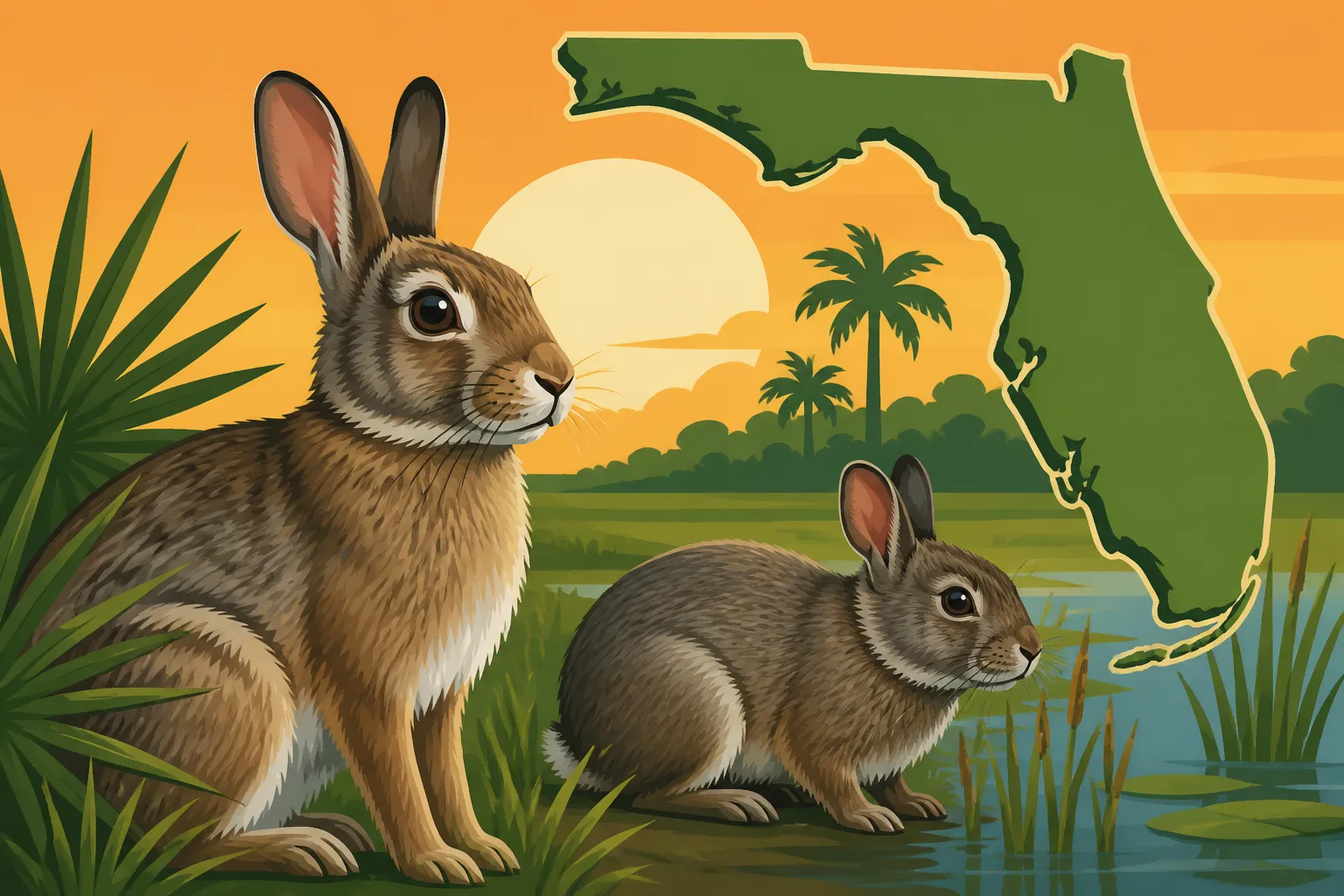
The Eastern Cottontail (Sylvilagus floridanus) is probably the rabbit most people visualize when you mention a "bunny." They're truly ubiquitous, found practically everywhere from suburban backyards to sprawling pine flatwoods. Their fur is typically a grizzled brownish-gray on top, with a lighter underside, and that iconic fluffy white tail – hence "cottontail" – that flashes as they bound away. They're a medium-sized rabbit, quick and agile, built for bursts of speed and quick changes in direction to evade predators.
Cottontails are incredibly adaptable creatures, which is why their populations remain robust across so much of the state. You'll find them thriving in areas with a mix of open grassy patches for foraging and dense cover for hiding. Think about the edges of agricultural fields, abandoned clear-cuts with young pines and brambles, or the brushy fringes of oak hammocks. They are crepuscular, meaning they are most active during dawn and dusk, though you might spot them foraging during cloudy days or in secluded areas. Their diet is varied, consisting of grasses, clover, forbs, and even twigs and bark in leaner times. These guys are prolific breeders, too, churning out multiple litters a year, which helps their populations bounce back quickly even with sustained hunting pressure.
The Marsh Rabbit: Swamp Dweller Extraordinaire
Then there's the Marsh Rabbit (Sylvilagus palustris), a fascinating and often underestimated rabbit that truly embodies the wild spirit of Florida's wetlands. These rabbits are built for the swamp, with smaller ears, a darker, often reddish-brown coat, and a more compact body than their cottontail cousins. The most distinguishing feature, and one that trips up many a hunter, is their tail – it's much smaller and brownish-gray underneath, not fluffy and white like the cottontail's. They're also semi-aquatic, meaning they're perfectly comfortable swimming, and will often take to the water to escape danger, leaving many a dog perplexed on a cold trail.
Marsh rabbits are specialized animals, favoring wet, marshy habitats, cypress swamps, dense palmetto thickets, and the edges of canals and ponds. If you're slogging through knee-deep water or thick, mucky ground, you're likely in marsh rabbit territory. Their diet reflects their environment, consisting of marsh grasses, sedges, and other aquatic vegetation. Unlike cottontails, you're less likely to see them hopping around an open field. They stick to the dense cover, navigating the watery landscape with surprising ease. Understanding this habitat preference is absolutely critical if you're planning a successful marsh rabbit hunt. You won't find them where you find cottontails, and vice-versa, generally speaking.
Here's a quick comparison of our two Florida rabbit species:
| Feature | Eastern Cottontail | Marsh Rabbit |
|---|---|---|
| Size | Medium, generally larger | Medium, typically more compact |
| Color | Grizzled brownish-gray, lighter belly | Darker, often reddish-brown, uniform color |
| Tail | Fluffy white underside | Small, brownish-gray underneath |
| Ears | Larger | Smaller, more rounded |
| Habitat | Open fields, brushy edges, pine flatwoods | Wetlands, swamps, marshes, dense palmetto |
| Swimming Ability | Limited, generally avoid water | Excellent, often escapes into water |
| Activity | Crepuscular (dawn/dusk) | Crepuscular, but active in dense cover |
| Diet | Grasses, forbs, clover, twigs | Marsh grasses, sedges, aquatic plants |
Understanding Rabbit Habitats and Population Health in Florida
The health and distribution of Florida's rabbit populations are directly tied to the state's diverse habitats. From the Panhandle's pine forests to the sprawling sawgrass of the Everglades, rabbits find niches to call home. While generally robust, localized populations can fluctuate due to a variety of environmental and human factors. For hunters, knowing these factors can significantly improve your scouting and success rates, helping you identify prime areas where rabbits are likely to thrive.
Where to Find Them: Preferred Environments
As we touched on, habitat is king when it comes to locating rabbits. Eastern Cottontails are generalists, preferring what we often call "edge habitat." This means the transition zones where different cover types meet. Picture the border between a dense stand of pines and an open pasture, or a field of palmetto adjacent to a food plot. These areas provide the best of both worlds: quick access to nutritious forage and immediate, thick cover to dive into when a predator (or hunter) approaches. Young successional growth, like old clear-cuts that have regrown with thick brambles, briars, and young pines, are absolute magnets for cottontails. Even suburban areas with unkempt lots, dense shrubbery, and tall grasses can hold surprising numbers of them. When you're Scouting Florida Public Land Before Season, look for these dynamic transitions.
Marsh Rabbits, on the other hand, are the specialists. You'll find them deep in the wet, tangled heart of Florida's wetlands. Think about the fringes of cypress swamps, dense cattail marshes, vast tracts of sawgrass in the Everglades, or even heavily vegetated drainage ditches and canal banks. They are masters of blending into this watery, dense environment. If you're not getting your feet wet, you're probably not in prime marsh rabbit country. Their comfort in water allows them to inhabit areas that many other small game species can't, giving them a unique advantage. Consider checking out areas like Hunting Florida Cypress Swamp Edges for potential marsh rabbit hotspots. Using a robust mapping app like GoHunt can help you identify these specific habitat types on public lands before you even step foot in the field. It's a game-changer for understanding the landscape.
Factors Influencing Florida's Rabbit Populations
While rabbits are known for their rapid reproduction, their populations aren't immune to external pressures. Habitat loss, fragmentation, and degradation are constant threats, especially as Florida continues to develop. When prime rabbit habitat is paved over or converted to monoculture agriculture without diverse cover, rabbit numbers will decline. Likewise, intense agricultural practices that eliminate hedgerows and field edges also reduce suitable habitat.
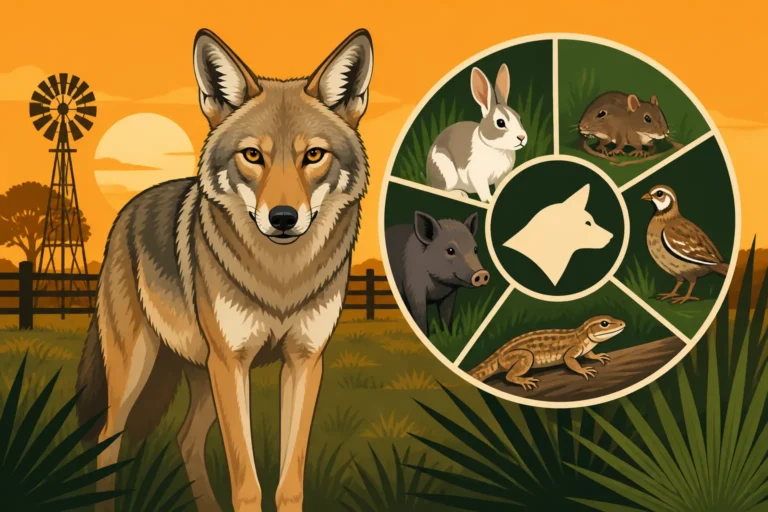
Predation is another natural and significant factor. Coyotes, bobcats, foxes, hawks, owls, and even domestic dogs and cats all feast on rabbits. While this keeps populations in check, an imbalance in predator numbers can certainly impact local rabbit abundance. Diseases and parasites can also cause localized declines, especially during periods of stress like drought or extreme cold. On the flip side, mild winters and abundant rainfall that stimulate vegetative growth can lead to booming rabbit populations, setting the stage for excellent hunting seasons. The Florida Fish and Wildlife Conservation Commission (FWC) actively monitors small game populations, and understanding these trends helps them manage hunting seasons effectively.
Hunting Florida Rabbits: Seasons, Tactics, and Regulations
Hunting rabbits in Florida is an experience that harkens back to simpler times. It's often less about expensive gear and more about keen observation, understanding habitat, and enjoying the outdoors with friends or family. It offers a fantastic way to introduce new hunters, especially youth, to the traditions of hunting, as success rates can be quite high under the right conditions.
Seasons and Opportunities: A Year-Round Pursuit
One of the best things about rabbit hunting in Florida is the generous season. While many game species have specific, often short, windows, small game like rabbits enjoy a much longer season. Generally, the season runs for many months, often overlapping with popular deer and turkey seasons, making it a great add-on hunt. Unlike deer, which have distinct Florida's Four Deer Management Zones Explained with varying dates, rabbit seasons are more broadly consistent across the state. However, it's absolutely crucial to check the current FWC regulations for specific dates on general gun, archery, and muzzleloader seasons, as well as any special small game seasons or specific Wildlife Management Area (WMA) rules.
Some WMAs might have different dates or specific requirements for small game hunting. For private land, the season often runs even longer, providing ample opportunity. It's a fantastic way to get out in the woods during the cooler months, after the initial rush of deer season, or even as a way to Small Game and Predator Hunting in Florida. The daily bag limits are also usually quite generous, allowing for a good harvest for the table. Don't forget, if you're on public land, you'll likely need a The Florida WMA Management Area Permit in addition to your regular hunting license.
Effective Hunting Tactics for Cottontails and Marsh Rabbits
Successfully hunting Florida rabbits often comes down to two primary approaches: still-hunting and hunting with dogs.
Still-Hunting/Stalking:
This method is particularly effective for cottontails in brushy areas or along field edges. The key is to move slowly, deliberately, and stop frequently to scan the cover ahead. Rabbits often rely on camouflage to avoid detection, freezing in place until you're nearly on top of them. Look for subtle movements, the flicker of an ear, or an unusual shape in the dense undergrowth. A good pair of binoculars can be incredibly helpful for picking apart cover. Once you spot one, a quick, steady shot is usually all you get before they bolt for thicker cover. This method is also great for solitary hunters or those who prefer a quieter approach. Walking the edges of a newly cut field or along a fencerow can be incredibly productive. When using a mapping tool like GoHunt, you can mark areas of dense cover or recent habitat work that would appeal to cottontails.
Hunting with Dogs:
This is, for many, the quintessential rabbit hunting experience. Beagles, Basset Hounds, and other rabbit dogs are bred to pick up a rabbit's scent and pursue it, often in a looping pattern that brings the rabbit back to where it started. The dogs flush the rabbits from cover, creating exciting chases and presenting moving targets for hunters. This method is incredibly social and active, often involving multiple hunters strategically positioned along likely escape routes while the dogs work the thickets. It's particularly effective for marsh rabbits, as dogs can push them out of dense, watery cover that would be difficult for hunters to penetrate on foot. Just be sure to always prioritize the safety of your dogs and adhere to any WMA rules regarding dog hunting. A well-trained dog can turn a slow morning into a memorable hunt very quickly. When planning a hunt with dogs, having access to property maps through GoHunt can help you understand boundary lines and potential safe shooting lanes.
Regardless of the method, shotguns are the preferred firearm, typically 20-gauge or 12-gauge, with smaller shot sizes like #6 or #7.5, which are perfect for small game and dense cover. Always remember your Florida Blaze Orange Requirements when hunting, especially on public land during gun seasons.
Important Regulations and Considerations for Florida Rabbit Hunters
Before heading afield, always, always consult the most current Florida FWC hunting regulations. These manuals are published annually and contain all the specific dates, bag limits, and rules for every game species, including rabbits, across the various management zones and WMAs. What might be legal on private land may not be allowed on a WMA, so understanding these nuances is crucial for a legal and ethical hunt.
Here are a few general considerations:
- Licenses: You will need a valid Florida hunting license. Non-residents will need the appropriate non-resident license. If hunting on a WMA, a WMA permit is also usually required. Florida Resident License Options and Florida Nonresident License Options detail these.
- Bag Limits: Rabbit bag limits are typically quite generous, often around 10 per person per day, but these can change, so always verify.
- Shooting Hours: Most small game hunting follows general shooting hours, often from a half-hour before sunrise to a half-hour after sunset.
- Safety: Always follow basic firearm safety rules, especially when hunting with a group or dogs. Be aware of your surroundings and what's beyond your target. Blaze orange is a must for visibility.
- Respect Private Land: If hunting private land, ensure you have explicit permission. Do You Need Written Permission in Florida? is a good guide on that topic. Even if you wound a rabbit and it runs onto adjoining private property, you need permission to retrieve it.
- Processing: Field dressing rabbits quickly, especially in Florida's warm climate, is important for meat quality. Have a plan for cooling and processing your harvest.
- Mentored Youth: Rabbit hunting is an excellent activity for youth hunters. Florida has Florida Mentored Youth Hunting Rules that allow young hunters to gain experience under the supervision of a licensed adult.
Hunting Florida's cottontails and marsh rabbits is a wonderful tradition that offers plenty of action, delicious table fare, and a fantastic way to enjoy the great outdoors. So next time you're planning a trip to the woods, don't forget about these often-overlooked little dynamos.
Disclaimer
This article is for general informational purposes only and does not constitute professional advice. Laws, prices and regulations vary by location and change over time. Consult a qualified professional for guidance on your specific situation.