Donating Venison in Florida
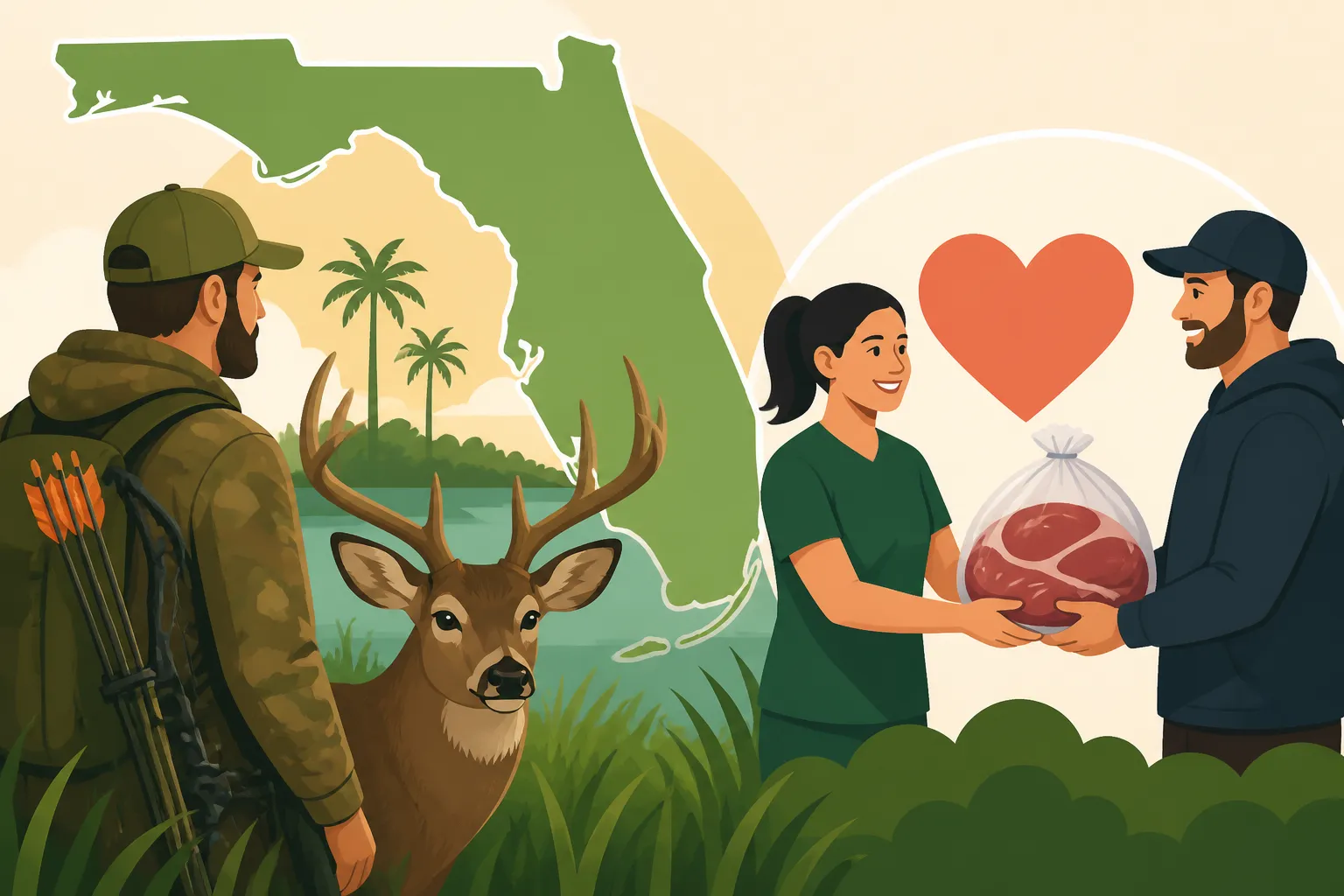
It’s a truly incredible feeling to fill your deer tag here in Florida, especially after putting in the scouting time and enduring those hot, humid early season hunts. But what happens when you’ve got a freezer full, your family is well-stocked, and you still have a tag or two left? Many hunters find themselves with more venison than they can reasonably consume, and the thought of letting that hard-earned protein go to waste is just… well, it’s unthinkable. This guide will walk you through the rewarding process of donating venison in Florida, ensuring that your successful hunt can benefit local communities and individuals in need.
Why Donating Venison Matters in Florida
Hunting in Florida is more than just a pastime; it's a way of life deeply connected to our land and its resources. When we talk about donating venison, we're not just discussing a simple transaction; we're delving into the heart of community support, sustainable resource management, and the ethical responsibilities that come with being a hunter.
More Than Just Meat: Community Impact
Florida, like any state, has its share of families and individuals struggling with food insecurity. It’s a harsh reality, and fresh, lean protein can often be scarce in food bank inventories. That's where venison comes in. Imagine the impact of high-quality, wild-harvested meat making its way to a family who might otherwise rely on less nutritious options. Venison is incredibly lean, packed with protein, and free from the additives often found in commercially raised meats. It offers a healthy, wholesome option that many Floridians simply wouldn't have access to otherwise.
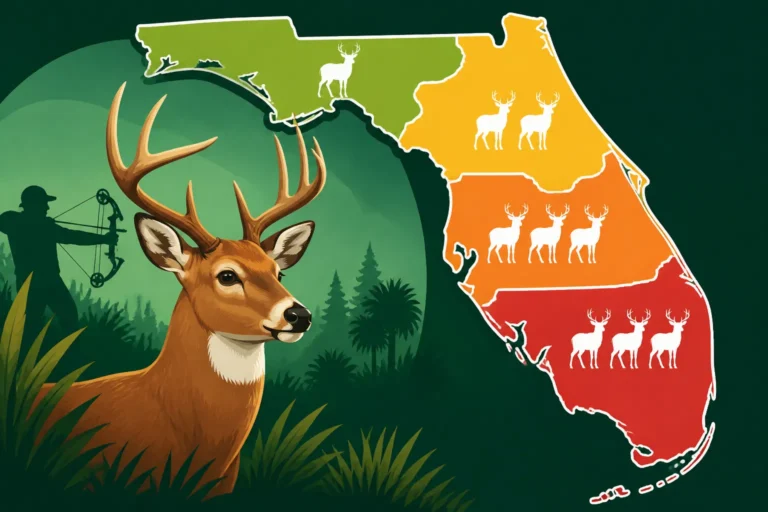
Consider a single deer, properly processed, which can yield a substantial amount of meat – often 50 to 70 pounds or more, depending on the size of the animal. That's enough to provide numerous meals for several families. By donating, you're directly contributing to the well-being of your neighbors, offering a tangible benefit that goes far beyond just filling stomachs; it provides nourishment and peace of mind. Our Florida Deer Herd Size allows for a sustainable harvest, making these donations a consistent possibility for many.
Responsible Harvest and Ethical Hunting
As hunters, we often talk about ethical hunting, and a core tenet of that philosophy is to utilize as much of the animal as possible. Leaving meat to waste, especially when others are hungry, goes against the very grain of responsible stewardship. For those of us who hunt multiple deer tags throughout the season, or who participate in Florida's Year-Round Hog Hunting Rules where bag limits are generous, it's easy to accumulate a large amount of game meat. Donating excess venison ensures that your successful harvest isn't just for your personal table, but for the broader community.
It’s a powerful statement of conservation and compassion. When you choose to donate, you're showcasing the positive impact hunters can have. You're demonstrating that hunting isn't just about the thrill of the chase, but about a deeper connection to the land and a commitment to giving back. This act can help bridge gaps between hunters and non-hunters, illustrating that our traditions are rooted in respect for wildlife and community welfare.
Understanding the "How-To" of Venison Donation in Florida
Donating venison isn't quite as simple as dropping off a whole deer at your local soup kitchen. There are crucial steps and regulations that must be followed to ensure the meat is safe and acceptable for public consumption. Navigating these requirements can feel a bit daunting at first, but with a little planning, it's entirely manageable.
Finding Approved Venison Processors
This is arguably the most critical step in the entire donation process. Due to stringent health and safety regulations, most food banks, shelters, and charitable organizations cannot accept wild game directly from a hunter. The meat needs to be processed by a facility that meets specific health department standards, often similar to those for commercial meatpacking plants. This ensures the venison is properly handled, cut, and packaged in a sanitary environment, minimizing any risk of contamination.
You’ll need to seek out a reputable, state-certified meat processor in your area that understands the nuances of processing wild game for donation. Some processors even have established relationships with local food banks or participate in statewide "Hunters for the Hungry" type programs (though the exact program name might vary in Florida). It's always best to call processors in advance to confirm they handle donated venison and understand the specific requirements. When you're making the call, be ready to ask about their certification, any associated fees for processing donated meat (sometimes they offer a reduced rate or specific programs cover this), and their turnaround time. Some hunters might even find community-driven initiatives or specific processor listings through hunting community platforms like GoHunt, which can sometimes provide local insights into services. After a successful hunt, getting your deer to the processor quickly is key, especially when Butchering a Deer at Camp might not be an option due to heat or logistics.
Connecting with Food Banks and Charities
Once you've identified a processor capable of handling your donated venison, the next step is to connect with the charitable organizations themselves. Just like with processors, policies regarding venison acceptance can vary widely from one food bank or shelter to another. Don't assume that every organization will automatically take it.
Here’s a general approach:
- Call Ahead: This is non-negotiable. Contact your local food pantry, homeless shelter, or other community feeding programs before you even take your deer to the processor for donation. Ask about their policy on accepting wild game, specifically venison.
- Clarify Requirements: Inquire if they require the meat to be processed by a USDA-inspected facility or a state-certified wild game processor. Most will. They might also have preferences on how the meat is packaged (e.g., ground meat, specific cuts).
- Discuss Logistics: Understand their receiving hours, how much meat they can accept at once, and any specific documentation they might require from the processor.
Some larger organizations might have specific programs or partnerships in place that make the process smoother. Others, especially smaller local operations, might be incredibly grateful but need clear guidance on what they can accept legally. Being prepared and proactive in your communication will make the entire process much more efficient and successful.
Financial Considerations and Incentives
Let’s be realistic: donating venison is primarily an act of generosity, and typically, the financial responsibility for processing falls to the hunter. While your deer tag itself might represent a certain cost, getting that animal from the field to a donation-ready package involves further investment.
Processor fees for donated meat can sometimes be lower than for personal processing, or certain "Hunters for the Hungry" type programs might have funds to cover these costs. However, this is not universally true, and hunters should be prepared to cover the processing fees themselves. Think of it as part of your contribution to the community.
On the flip side, some jurisdictions or programs may offer tax incentives for venison donations. This is something you'd need to inquire about specifically with the organization you're donating to, or with a tax professional, as these rules can be complex and vary. Keep all your receipts from the processor as documentation of your donation, just in case. The primary reward, however, comes from the knowledge that you're providing high-quality protein to those who truly need it, turning your successful hunt into a blessing for others. The effort involved in tasks like Field Dressing a Deer in Hot Weather or dragging a deer out of thick cover is often its own reward, and seeing that meat go to a good cause amplifies that satisfaction.
Navigating Challenges and Best Practices for Donating
While the act of donating venison is commendable, there are practical challenges and best practices that hunters in Florida should be aware of. Overcoming these hurdles ensures your donation is accepted and truly helps those in need.
Health Regulations and CWD Concerns
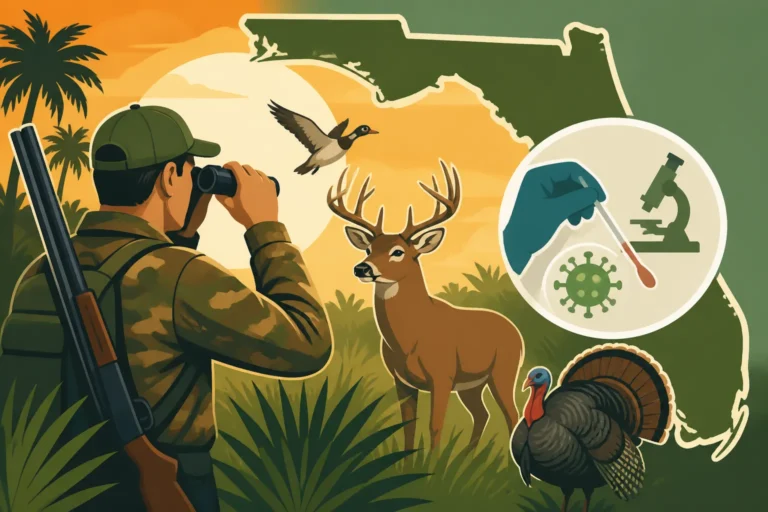
In the world of meat donation, health regulations are paramount, and rightly so. Food safety is not something to be taken lightly, and charitable organizations have a responsibility to ensure the food they distribute is safe for consumption. This is where topics like Chronic Wasting Disease (CWD) become a serious consideration for hunters. While Florida has only had Florida's Single Confirmed CWD Case, the FWC and public health officials remain vigilant.
Many food banks and donation programs will have strict policies regarding deer harvested from areas with CWD surveillance zones, or they may require proof of CWD testing if the deer was taken from such a zone. It's crucial for hunters to understand these regulations. If you harvest a deer in a county designated as a CWD Management Zone, or even a Buffer Zone, you need to be extra diligent. Contact the FWC or the potential recipient organization for specific guidance on testing requirements for donated meat. This might involve submitting a sample to a designated testing station and awaiting results before the meat can be processed for donation. You can find more information on Handling Venison From a CWD Surveillance Zone. Hunting resources and community platforms like GoHunt can be invaluable for staying informed about these regional nuances and connecting with state-mandated testing sites if required.
Logistics: Storage, Transport, and Timing
Florida's climate presents unique challenges for hunters, especially when it comes to game meat handling. The heat and humidity mean that quick, proper field dressing and cooling are not just recommendations – they're absolute necessities. This becomes even more critical when donating.
- Immediate Cooling: After harvest, get your deer field-dressed and cooled down as quickly as possible. This means ice, coolers, or refrigerated spaces are crucial. Do not let the carcass sit in warm temperatures. Prompt cooling is essential to prevent spoilage and ensure the meat is fit for donation.
- Transport to Processor: Once cooled, transport the deer to the approved processor without delay. Maintain a cold chain during transport. Even a short drive in hot weather can compromise the meat if not properly protected.
- Processor to Food Bank: Once processed and packaged, the venison needs to be picked up from the processor and delivered to the food bank within their specified receiving hours. Again, temperature control during this leg of the journey is vital. A freezer or large coolers packed with ice are your best friends here.
- Timing is Everything: Food banks often have specific days and times for accepting donations due to staffing and storage limitations. Coordinate your drop-off time precisely to avoid any issues or the unfortunate scenario of being turned away. A little planning goes a long way in ensuring your hard work benefits those it's intended for. Remember, proper care helps with Aging Venison in Hot Weather if you're keeping some for yourself, but for donations, speed is often better.
Hunter Programs and Organizations
Sometimes, the easiest way to donate venison is through an established program designed specifically for this purpose. While names can vary, many states have "Hunters for the Hungry" or similar initiatives that act as intermediaries. These programs often streamline the entire process by:
- Partnering with Processors: They typically have a network of approved processors who understand the donation guidelines and might even offer discounted rates or have processing costs covered by program funds.
- Coordinating with Food Banks: They handle the communication and logistics with food banks, ensuring that the processed venison goes to organizations that are prepared to receive and distribute it.
- Educating Hunters: These programs provide clear guidelines to hunters on how to prepare and deliver their deer for donation.
While Florida might not have one single, overarching statewide program under a specific national banner, it's worth checking with the FWC or local hunting groups to see if regional initiatives exist. For hunters looking for streamlined solutions, checking platforms like GoHunt might reveal partnerships with local 'Hunters for the Hungry' style initiatives or connect them with organizations that specialize in venison distribution. These organizations often rely on volunteers and the generosity of hunters who've completed their Florida Hunter Education Requirements and want to give back. If such a program operates in your area, it can simplify the donation process significantly, allowing you to focus on the hunt while knowing the logistical headaches are handled.
Donating venison in Florida is a truly impactful way to give back to your community and honor the animals you harvest. While it requires a bit of research and coordination, the effort is well worth it. By understanding the regulations, connecting with the right processors and charities, and being mindful of logistics, you can transform your successful hunt into a source of lean, healthy protein for families in need across our beautiful state. It's a testament to the spirit of Florida's hunting community, demonstrating our commitment not just to the outdoors, but to our fellow Floridians.
Disclaimer
This article is for general informational purposes only and does not constitute professional advice. Laws, prices and regulations vary by location and change over time. Consult a qualified professional for guidance on your specific situation.