Everglades Wildlife Management Area Access
Hunting the Everglades isn't like hunting anywhere else in Florida, and anyone who tells you otherwise simply hasn't strapped on their boots and waded into its vast, unforgiving beauty. This isn't your typical pine flatwoods or oak hammock hunt; the sheer scale, unique terrain, and specialized access requirements can feel overwhelming, especially for those new to this iconic landscape. This guide aims to demystify the process, offering practical advice on how to navigate the complex world of Everglades Wildlife Management Area access, from understanding permits to mastering essential transportation methods.
Understanding the Everglades Wildlife Management Area System
The Everglades is a place of legend, a truly wild frontier in our state, and its Wildlife Management Areas (WMAs) offer some of the most unique hunting experiences you'll ever find. But let's be honest, trying to wrap your head around how to hunt here can feel like trying to find a needle in a haystack—a haystack that's mostly water and sawgrass. It's not just "the Everglades"; it's a series of distinct WMAs, each with its own rules, access points, and challenges.
The Sheer Scale and Unique Challenges of Everglades Hunting
Imagine an area so vast that you can't see the other side, where the horizon blends seamlessly into a sea of sawgrass and cypress. That's the Everglades, and its WMAs are no different. We're talking about hundreds of thousands of acres, a mosaic of wetlands, sloughs, tree islands (called hammocks), and vast open water. This isn't a small, manageable block of timber where you can easily scout the perimeter; the Everglades demands a completely different mindset and set of skills. The biggest challenge, beyond the sheer size, is the water. It dictates everything: where you can go, how you can get there, and what game you'll find. High water can make areas inaccessible, while low water can expose vast mud flats that are equally difficult to traverse. The weather, too, plays a monumental role, with sudden storms and oppressive heat capable of turning a routine hunt into a survival situation if you're not prepared.
It's easy to get frustrated thinking about all the gear and knowledge required. Many hunters, even seasoned ones, feel intimidated by the idea of venturing into the 'Glades. But with the right preparation and respect for the environment, it’s an incredibly rewarding experience. You won't just be hunting; you'll be immersing yourself in one of America's last true wildernesses. The rewards are not just in the harvest, but in the challenge, the solitude, and the raw beauty of it all. It’s a completely different rhythm of hunting compared to, say, still-hunting a small private tract up north.
Navigating the Complexities of Individual WMAs within the Everglades
While we collectively refer to them as "the Everglades WMAs," it's crucial to understand that this umbrella term covers several distinct management areas, each with its own character and regulations. For instance, the Francis S. Taylor WMA, often simply called "Everglades WMA," is divided into different sections like Conservation Area 3A North, 3A South, and 3B, each with specific seasons and access rules. Then you have areas like the Big Cypress National Preserve, which, while geographically part of the Greater Everglades ecosystem, operates under different federal and state cooperative agreements. Don't make the mistake of assuming that rules for one Everglades WMA apply universally; they absolutely do not.
The best way to start is by pinpointing which specific WMA you intend to hunt. The Florida Fish and Wildlife Conservation Commission (FWC) publishes detailed regulations booklets for each WMA, often available online. These booklets are your bible for understanding what's allowed, when it's allowed, and how to access it. You'll find information on everything from vehicle restrictions to camping permits. Taking the time to read through these can save you a world of trouble and potential fines. For example, some areas might permit airboats, while others are strictly walk-in or pole-boat only. Always double-check the specific rules for your chosen WMA before you even think about packing your gear. This level of detail can seem daunting, but it's the key to a successful and legal hunt.
Essential Permits and Licenses for Everglades Hunting
Just like hunting anywhere else in Florida, accessing the Everglades WMAs requires the proper documentation. This isn't a place where you can just show up with your rifle and a prayer. The permit system, while sometimes a bit of a maze, is in place to manage hunter pressure and protect the unique ecosystem.
Base Licenses and Management Area Permits
Before you can even dream of setting foot in an Everglades WMA with a hunting implement, you'll need the foundational licenses. This starts with a valid Florida hunting license. For Florida residents, this might be your annual Florida Resident License Options or a lifetime license. Non-residents will need to purchase the appropriate non-resident license. Beyond the base hunting license, to hunt on any of Florida's Wildlife Management Areas, including those in the Everglades, you'll need a Florida Management Area Permit. Think of this as your access pass to the public lands that are managed by the FWC. Without it, your base hunting license isn't enough to legally hunt in these specific areas.
The process for obtaining these is straightforward. You can usually purchase them online through the FWC website, at a local tax collector's office, or through licensed vendors like tackle shops. Make sure you have these in hand, or readily accessible on your phone through the FWC app, before you head out. Conservation officers in these remote areas are vigilant, and they will check. Don't let a simple oversight ruin your trip. It’s not just about the cost; it's about the potential headaches and lost hunting time if you're caught without the correct paperwork.
Quota Hunts and Special Opportunity Permits
Many of the most desirable hunting opportunities in the Everglades WMAs operate under a quota hunt system. This means that access is limited to a certain number of hunters during specific time periods, often allocated through a lottery drawing. If you've never dealt with Florida's quota system, it can feel like trying to win the lottery, especially for highly sought-after alligator or deer hunts. You apply during a specific application window, rank your hunt choices, and then hope your number comes up. Florida WMA Quota Permit System is a beast to understand, but essential.
For many hunters, the thought of drawing a quota hunt in a place like the Everglades is a dream. These hunts are designed to provide a quality hunting experience by controlling pressure, and they often take place in areas with excellent game populations. In addition to general quota hunts, there are often special opportunity hunts for specific species or youth hunters, which might have different application periods and rules. Always check the FWC's hunting regulations handbook for the current year to understand the application periods and requirements for these special permits. Don't wait until the last minute, as application windows are strict, and missing them means missing out entirely.
| License/Permit Type | Requirement | Notes |
|---|---|---|
| Florida Hunting License | Required for all hunters | Resident or Non-Resident options available. |
| Management Area Permit | Required for all WMA access | Additional to the base hunting license for WMA use. |
| Quota Permit | Required for specific, limited entry hunts | Obtained via lottery; check application periods annually. |
| Florida Waterfowl Cert. | Required for waterfowl hunters | Federal Duck Stamp also required for migratory bird hunting. |
| Alligator Permit/Tag | Required for alligator hunters | State-issued permit with CITES tags for harvest. |
Accessing the Vastness: Modes of Transportation and Entry Points
The Everglades isn't a place where you can just park your truck and wander off into the woods. The terrain itself dictates specialized modes of transportation, and understanding the approved entry points is crucial. Forget about your typical four-wheeler for many areas; you'll need something designed for water and muck.
The Critical Role of Airboats and Swamp Buggies
When you think of Everglades hunting, iconic images of airboats and swamp buggies often come to mind, and for good reason. These specialized vehicles are often the only way to access the deeper, more remote parts of many Everglades WMAs. An airboat, with its flat bottom and powerful fan, can glide over mere inches of water, sawgrass, and even dry ground for short distances, making it invaluable for covering vast, shallow wetlands. Airboat Access for Backcountry Hog Hunts is a great example of this necessity. Swamp buggies, on the other hand, are high-clearance, large-tired beasts designed to churn through mud, muck, and deeper water, allowing access to areas where an airboat might get hung up or where the water is too deep for an airboat to operate efficiently.
However, using these vehicles isn't a free-for-all. Each WMA will have strict regulations on where and when these vehicles can be used. Many areas have designated airboat trails, "buggy trails," or pole-boat trails that you must stick to. Venturing off these marked paths can lead to severe environmental damage, substantial fines, and the potential loss of your hunting privileges. It's a delicate ecosystem, and respecting these rules is paramount. If you don't own one of these specialized vehicles, many hunters will hire an outfitter or guide who does, ensuring proper equipment and knowledge of the terrain. Trying to navigate these areas without the right transport is not just impractical; it's dangerous.
Walk-In and Shoreline Access Points
While the airboats and buggies get all the glory, there are still significant hunting opportunities available via walk-in or shoreline access in various Everglades WMAs. These are often along the edges of the conservation areas, where roads or levees provide a starting point. From these points, hunters can launch canoes, kayaks, or small skiffs, using pole-boats to silently navigate the shallower waters and sloughs. This method is incredibly rewarding, offering a more intimate connection with the 'Glades and often leading to less pressured areas further in.
However, "walk-in" in the Everglades doesn't mean a leisurely stroll. It often means wading through knee-deep water, thick mud, and dense vegetation, sometimes for miles. This requires significant physical stamina and appropriate gear, including sturdy snake boots and a good understanding of your chosen area. Always tell someone where you're going and when you expect to return, as cell service is non-existent in many of these remote spots. Shoreline access can be fantastic for waterfowl hunting, allowing hunters to set up blinds along the edges of larger bodies of water or sloughs. It's a different kind of challenge, but one that many hunters prefer for its quiet nature and the ability to truly immerse themselves in the environment.
Navigating with Digital Tools and Maps
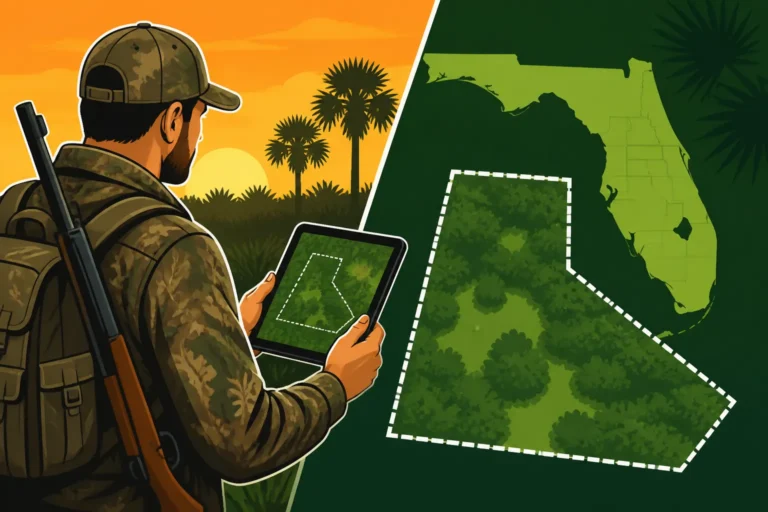
In a landscape as featureless and vast as the Everglades, traditional paper maps are helpful, but digital mapping tools are absolutely essential. Modern GPS devices and smartphone apps have revolutionized navigation in these remote areas. Tools like onX Hunt or GoHunt provide satellite imagery, showing canals, trails, and even subtle changes in vegetation that can be invisible from the ground. These apps can mark your location, track your path, and help you return to your starting point, which is invaluable when everything around you looks exactly the same. They also often include public land boundaries, which is critical to ensure you're hunting legally.
Before heading out, make sure to download offline maps to your device, as cell service will almost certainly drop out once you get into the deeper WMA sections. A fully charged battery pack is also non-negotiable for keeping your devices powered throughout the day. While these digital tools are amazing, don't rely on them exclusively. Always carry a physical map and a compass as a backup, and know how to use them. Technology can fail, and being lost in the Everglades is a serious situation. These mapping resources, when used wisely, can turn a potentially disorienting experience into a manageable and successful hunt. Using the FWC Public Hunting Map in conjunction with these apps can give you a powerful edge.
Key Regulations and Safety Considerations in the Everglades
Hunting in the Everglades isn't just about finding game; it's about doing so legally and safely in an environment that demands respect. The unique challenges of this ecosystem mean there are specific rules and safety protocols that every hunter needs to be intimately familiar with.
Understanding Weapon, Ammunition, and Harvest Rules
The FWC has specific regulations concerning the types of weapons and ammunition allowed in Everglades WMAs, and these can vary slightly between different management areas and hunt types. For deer and hog hunting, you'll typically find that centerfire rifles, shotguns, muzzleloaders, and bows (including crossbows) are permitted during their respective seasons. However, there might be specific caliber restrictions or rules about buckshot versus slugs. Always consult the individual WMA regulations for your chosen hunt. For Alligator Hunting Florida's Lakes and Rivers, you'll have a very different set of rules, focusing on harpoons, bang sticks, and specific caliber firearms for dispatching.
Beyond the type of weapon, pay close attention to harvest limits and reporting requirements. Deer tags, for instance, have specific bag limits and antler point restrictions that vary by zone and WMA. After a successful harvest, most deer must be reported within a certain timeframe, often through the FWC's online system or app. Hogs, being an invasive species, typically have no bag limit and can often be hunted year-round in many areas, but again, always check the specific WMA rules. Ignoring these regulations isn't just poor sportsmanship; it can lead to hefty fines, confiscation of your harvest, and even loss of hunting privileges. It's on you to know the rules before you pull the trigger.
Environmental Hazards and Emergency Preparedness
Hunting in the Everglades is an adventure, but it comes with inherent risks. The environment itself is a formidable opponent. First and foremost, water is everywhere. That means alligators are everywhere, and while they generally want nothing to do with you, accidental encounters can happen. Always be aware of your surroundings, especially near water sources. Snakes, including venomous species like cottonmouths and rattlesnakes, are also common, making snake boots an absolute necessity. The heat and humidity are relentless, leading to a high risk of dehydration and heatstroke. Carry plenty of water, wear light clothing, and know the signs of heat exhaustion. Mosquitoes and other biting insects are also abundant and can carry diseases, so insect repellent is not optional.
Beyond wildlife and weather, simply getting lost is a significant hazard. The monotonous landscape can disorient even experienced outdoorsmen. This is why reliable navigation tools and the ability to use them are so vital. Always carry a comprehensive first-aid kit, a whistle, a powerful flashlight (even during the day, for emergencies), and some emergency food. Consider carrying a personal locator beacon (PLB) or satellite messenger, especially if you're venturing deep into remote areas where cell service is non-existent. Florida Hunter Education Requirements emphasizes safety for a reason; never take the Everglades lightly. Tell someone your float plan and stick to it. Your life, and potentially the lives of those who might have to come looking for you, could depend on it.
Common Game Species and Hunting Opportunities
The Everglades offers a diverse range of hunting opportunities, far beyond what many outside of Florida might imagine. From big game like deer and hogs to unique waterfowl opportunities and even alligator hunts, there's something for every type of hunter willing to embrace the challenge.
Deer and Hog Hunting in the Everglades
Deer hunting in the Everglades WMAs is a true test of a hunter's skill and endurance. While the deer here, particularly in the southern portions of the state, tend to be smaller-bodied than their northern counterparts, they are incredibly wary and perfectly adapted to the sawgrass and cypress environment. Hunting them often involves long periods of still-hunting or slow-stalking through thick cover, relying on keen observation and an intimate understanding of the deer's movements through sloughs and along hammocks. Finding their trails, which often resemble tunnels through the dense vegetation, is key. Hunters typically look for rubs and scrapes on small islands or along levee edges, indicating active buck movement. Florida Deer Population Estimate for these areas show healthy numbers, but success is hard-earned.
Feral hogs, on the other hand, are abundant across all Everglades WMAs and offer a fantastic opportunity for year-round action in many locations. These intelligent, tough animals thrive in the swampy conditions and can be found rooting in the mud or bedding down in dense palmetto and cypress heads. Hog hunting can be done by still-hunting, tracking, or even by calling them in. The lack of bag limits on hogs in most areas means you can really focus on population control while enjoying a thrilling hunt. Many hunters combine their deer hunts with hog hunting, as these opportunistic feeders are often found in similar areas. Knowing the specific WMA's rules for Feral Hogs Across Florida is crucial, as some might have restrictions on certain methods or times.
Waterfowl and Alligator Pursuits
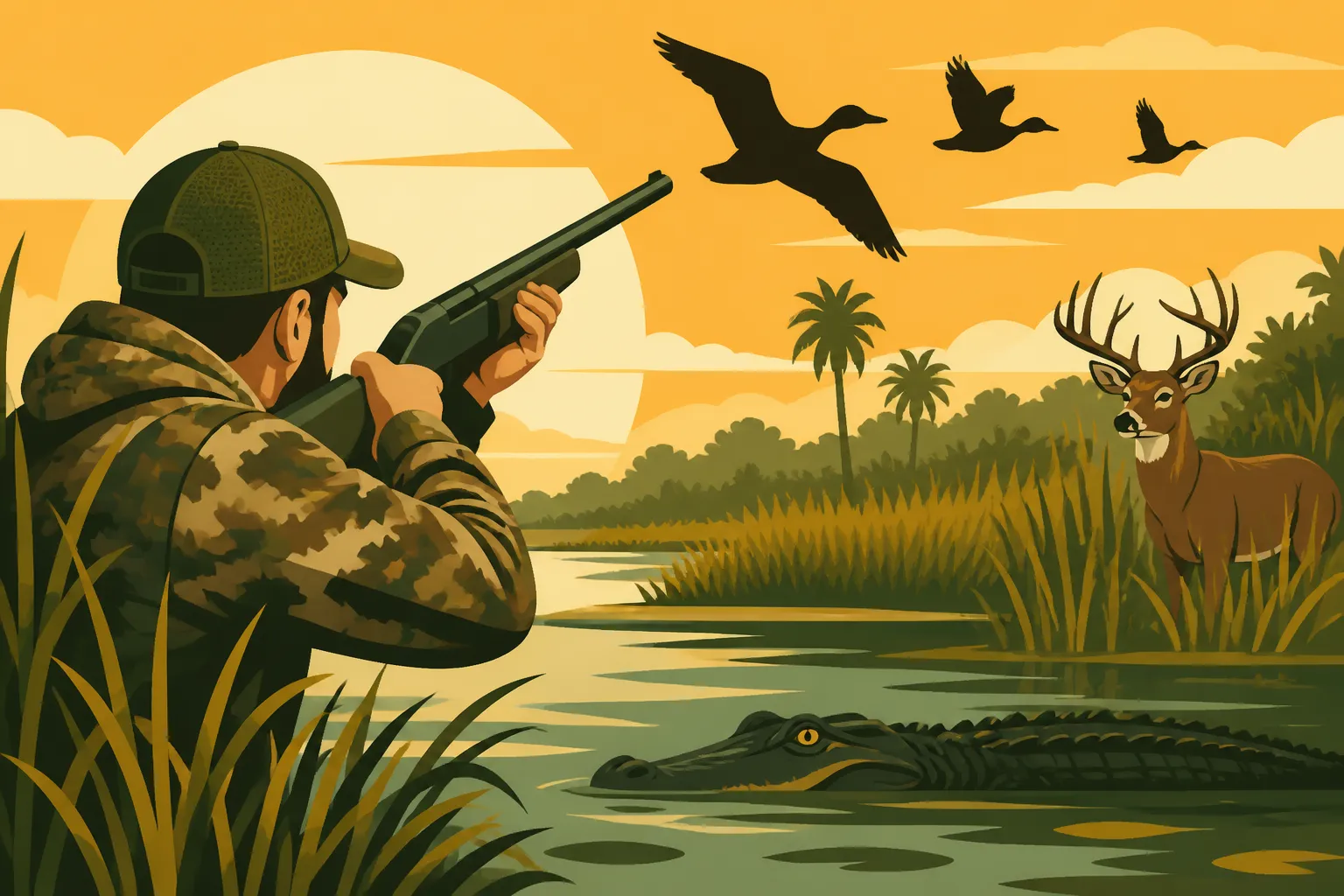
If you're a bird hunter, the Everglades WMAs are a hidden gem for waterfowl, especially for species like mottled ducks, teal, and wood ducks. The vast shallow waters, dotted with pockets of vegetation, create ideal habitat for a variety of migratory and resident birds. Hunting usually involves setting out decoys in natural openings or along the edges of larger bodies of water, often accessed by airboat or pole-boat. Early teal season can be particularly exciting, with fast-flying birds providing challenging shots. Retrievers are almost a necessity here, as downed birds can disappear quickly into the dense cover or open water. Remember your Florida Waterfowl Season and Zones and federal duck stamp requirements before heading out. The beauty of a sunrise over the sawgrass, with ducks cupping their wings to your spread, is an unforgettable experience.
And then there's the iconic Florida alligator. American Alligators in Florida are abundant here, and the Everglades WMAs offer some incredible public land alligator hunting opportunities through the statewide permit lottery. These hunts are highly sought after and provide a unique and thrilling experience. Alligator hunting in the 'Glades usually involves spotlighting at night, using harpoons or fishing rods to hook the gator, and then dispatching it with a bang stick or specific caliber handgun once brought alongside the boat. This is not a hunt for the faint of heart and requires specialized equipment and often a very experienced guide. The adrenaline rush of pulling a large gator to the boat in the middle of the dark Everglades is something you'll never forget.
Planning Your Everglades Adventure: Tips for Success
Successfully hunting the Everglades WMAs isn't just about showing up with a license and a gun; it's about meticulous planning, adapting to the environment, and being prepared for anything. This is wild country, and it demands respect and thorough preparation.
Scouting and Pre-Season Preparation
Scouting is paramount for Everglades hunting. Since the landscape can be so uniform, finding those subtle differences that hold game is critical. Before the season opens, use satellite imagery on apps like onX Hunt to identify potential travel corridors, hammock islands, and changes in vegetation patterns. Look for areas with slightly higher ground where deer might bed, or sloughs that connect larger bodies of water where ducks might feed or travel. Don't underestimate the power of physical scouting. If permissible, taking a kayak or airboat trip into your chosen area before the season can give you invaluable intel on water levels, game sign, and access routes.
Pay close attention to historical water levels and rainfall patterns. A dry year might concentrate game around remaining water sources, while a wet year might spread them out more. Pre-season trips can also help you identify suitable spots for a temporary camp, if allowed, or where to stage your equipment. Check the FWC website for any pre-season public land access dates or vehicle restrictions. The more time you spend understanding the terrain and game behavior before the season, the higher your chances of success once opening day arrives. Remember, the Everglades changes constantly, so yesterday's hotspot might be completely different tomorrow.
Dealing with the Elements and Remote Conditions
The elements in the Everglades are not to be underestimated. We've talked about the heat, humidity, and insects, but let's reiterate: you must be prepared for them. Dehydration is a real threat, so carry more water than you think you'll need, and consider electrolyte supplements. Sun protection, including hats, long-sleeved shirts, and sunscreen, is vital. For mosquitoes and no-see-ums, a good quality bug spray with a high DEET concentration or permethrin-treated clothing is essential. A head net can be a lifesaver during peak insect activity.
The remote nature of these WMAs means you're often hours from any real assistance. Your vehicle or airboat needs to be in top mechanical condition, and you should carry basic repair tools and spare parts if venturing far from public roads. Pack enough food, water, and emergency supplies to last longer than you anticipate. Consider a small, lightweight tarp for shelter from unexpected rain or sun. A basic survival kit is not overkill. It’s better to be over-prepared than caught off guard in this wild landscape. Hunting Into a Zone B February Close or any late-season hunt means less daylight, colder mornings, but also potentially fewer bugs. Always check the long-range forecast and pack accordingly. Embrace the challenge, respect the power of the 'Glades, and you’ll have an adventure unlike any other.
Disclaimer
This article is for general informational purposes only and does not constitute professional advice. Laws, prices and regulations vary by location and change over time. Consult a qualified professional for guidance on your specific situation.