Florida Alligator Attack Statistics
Florida alligator attack statistics reveal realistic risks and practical ways to safely coexist with millions of reptiles.
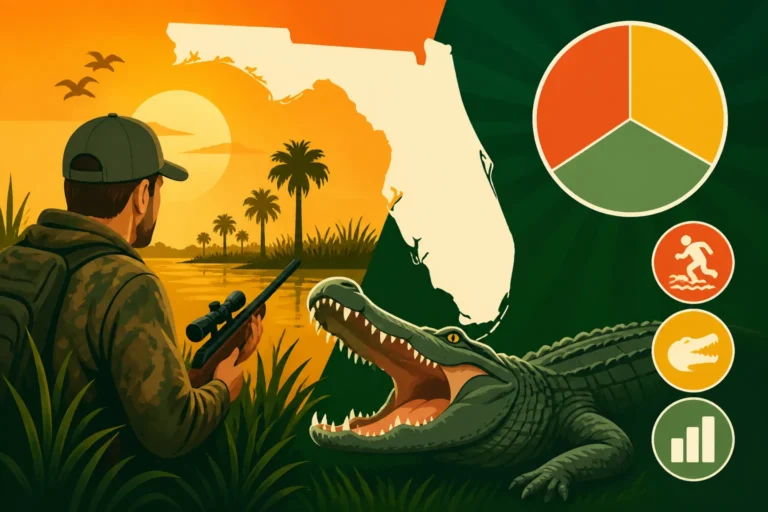
Florida alligator attack statistics reveal realistic risks and practical ways to safely coexist with millions of reptiles.
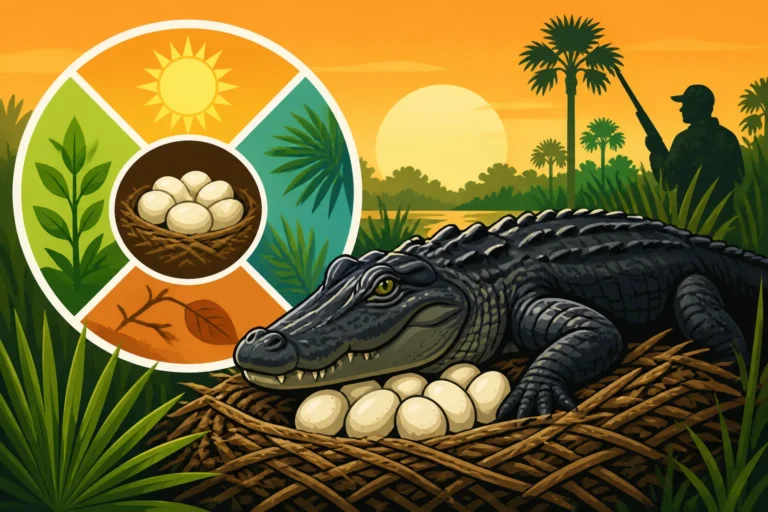
Florida alligator nesting season spans from late May through early July, driven by spring weather conditions and seasonal rainfall.
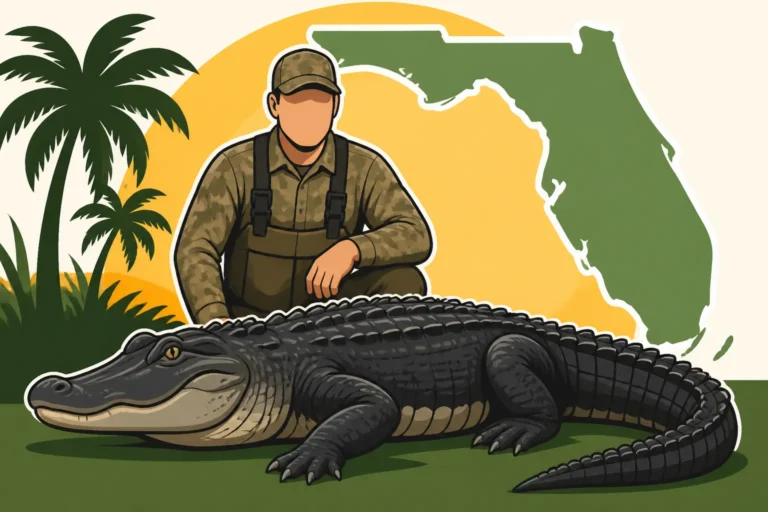
Florida alligator harvest data details typical lengths from seven to nine feet and weights between two hundred and four hundred pounds.
Florida holds a top ranking among alligator hunting states due to robust populations, public access, and trophy potential.
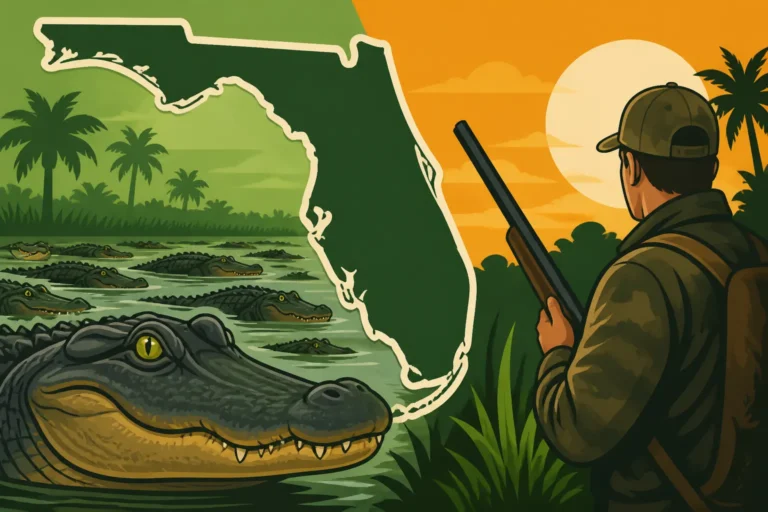
Florida alligator populations and historical conservation success explain estimated numbers across state wetlands and rivers.
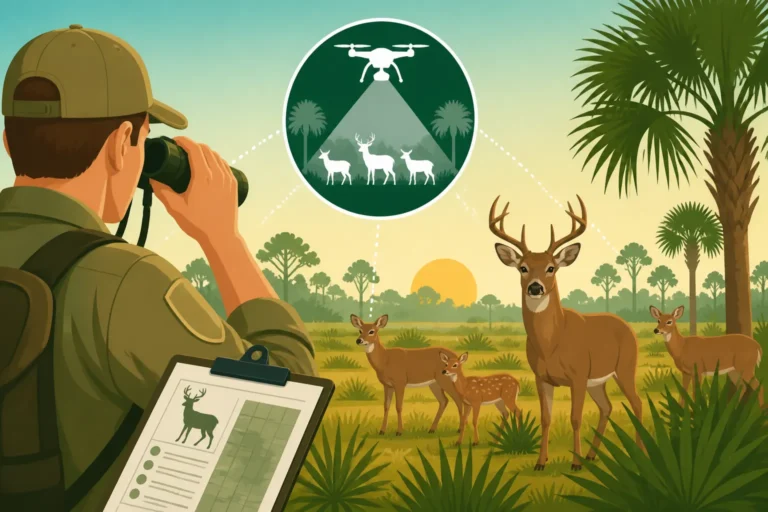
Florida fish and wildlife biologists estimate white-tailed deer populations using traditional field methods and modern technology.
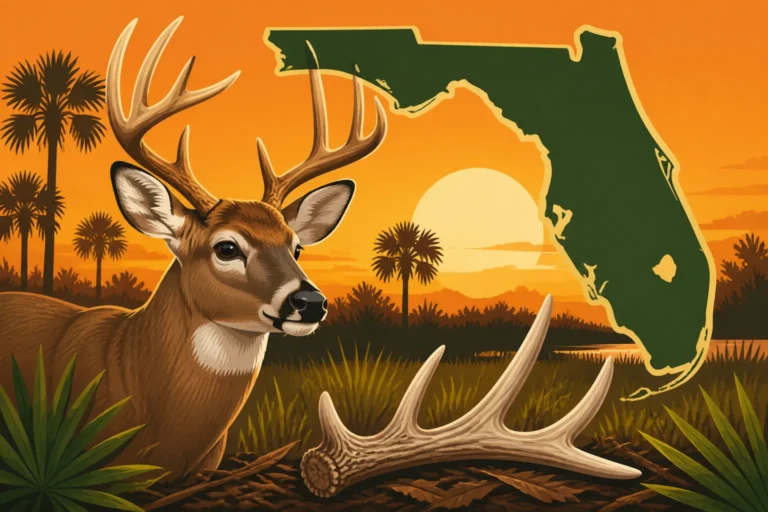
Florida whitetail buck antler shedding schedules depend on hormones, age, and regional rut timing variations across the state.
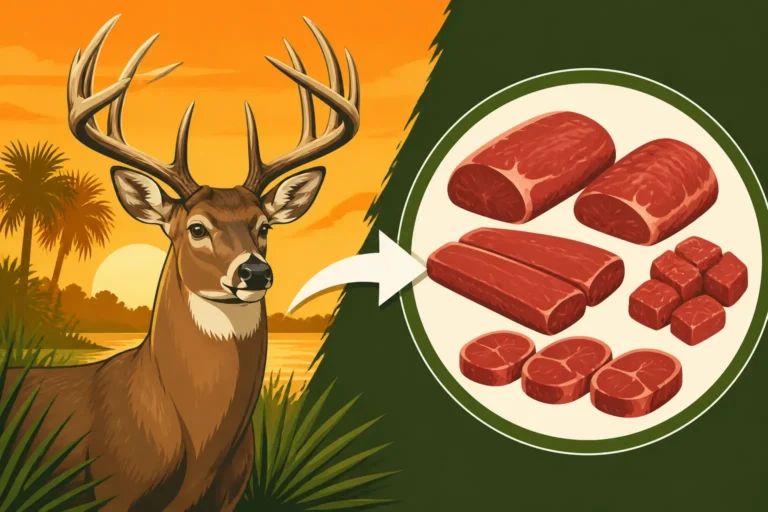
Deer meat yield from a Florida buck provides realistic expectations based on live weight, dressed weight, and regional differences.

Florida deer vehicle collisions occur due to habitat fragmentation and the rut, threatening drivers in rural areas and suburbs.

Florida Key deer population status, survival threats, and federal protection measures across the Lower Florida Keys islands.