Hunting Ocala’s Spring-Fed Backcountry
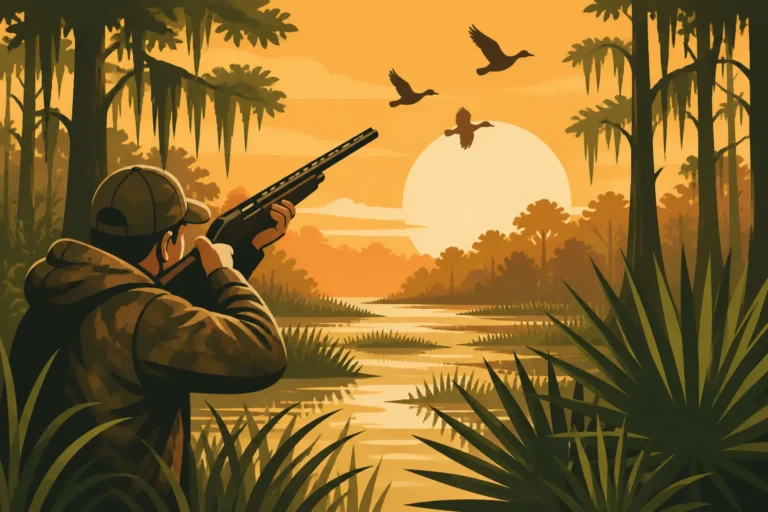
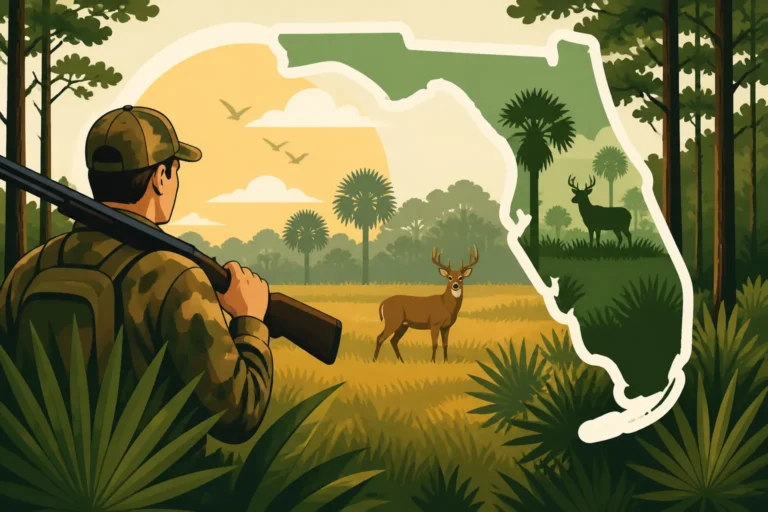
If you've ever dreamt of heading into Florida's backcountry for a challenging hunt, Ocala National Forest probably comes to mind. But let's be honest, dreaming about it and actually doing it are two very different things, especially when you factor in the unique, often bewildering, spring-fed systems that define this incredible landscape. It's not like walking through a manicured pine plantation; you're dealing with constantly shifting water, dense vegetation, and a whole lot of ground that looks the same. This guide is here to cut through the confusion and help you navigate the tricky yet rewarding world of hunting Ocala's spring-fed backcountry, offering practical advice to make your next hunt a success.
Understanding Ocala's Unique Spring-Fed Environment
Ocala National Forest isn't just another patch of woods; it's a vibrant, living ecosystem built around its hundreds of natural springs and sinkholes. These aren't just pretty swimming holes; they are the lifeblood of the forest, creating distinct habitats that can make or break your hunting strategy. Trying to hunt here without understanding these nuances is like trying to navigate without a compass – you'll quickly find yourself lost, both literally and figuratively.
The Influence of Spring-Fed Systems on Wildlife
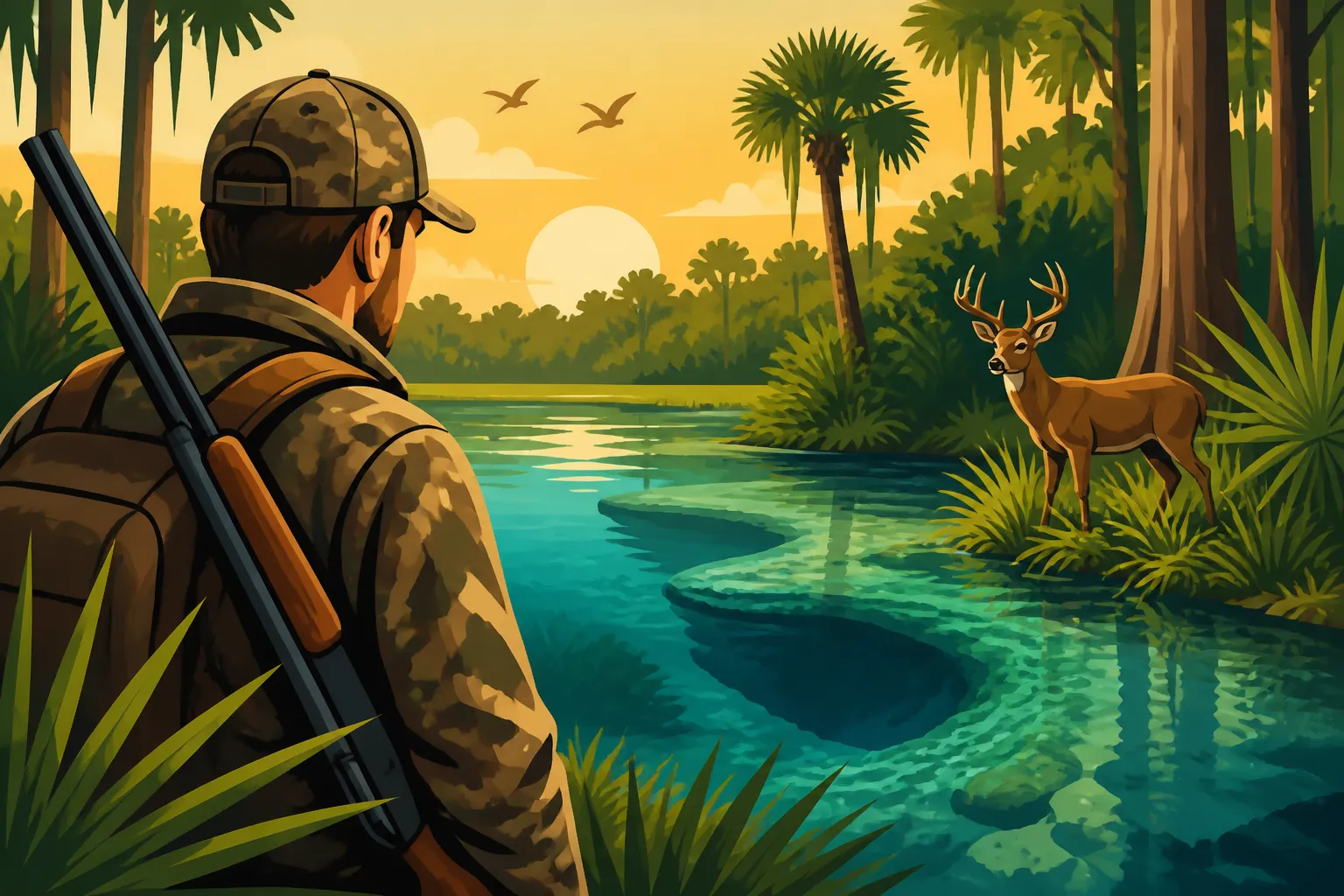
Imagine constant, cool water bubbling up from underground, feeding crystal-clear streams and creating lush, often swampy, pockets of vegetation. This is what you'll find in Ocala's spring-fed areas. These springs create microclimates and specific habitat types that differ greatly from the drier sandhills or pine flatwoods elsewhere in the forest. Deer, hogs, and other game animals are drawn to these areas for consistent water sources, dense cover, and the specific forage that thrives in moist soil. You'll often find thicker undergrowth, different tree species like cypress and swamp maples, and a bounty of aquatic plants that provide both food and concealment. This means that instead of just looking for oak hammocks or palmetto heads, you need to think about how water flow dictates everything from bedding areas to travel corridors. For example, a deer might prefer to bed on a slightly elevated island within a swampy area, using the water as a natural barrier against predators.
Identifying Key Habitats and Deer Movement
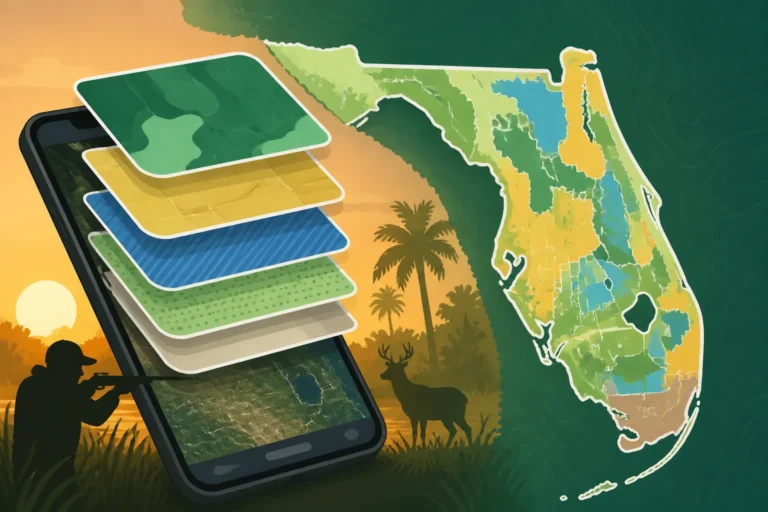
When you're out in Ocala's backcountry, especially around the springs, you'll encounter a mosaic of habitats. There are the drier sand pine scrub ridges, the mixed pine-hardwood forests, and then the deep, wet swamps and cypress strands fed by the springs. Deer movement will be heavily influenced by these changes. During dry spells, the spring-fed areas become even more critical, concentrating wildlife around these ever-present water sources. Conversely, after heavy rains, these areas can become impassable, forcing deer to higher, drier ground. You need to learn to "read" these transitions. Look for subtle elevation changes, even just a few feet, that can become bottlenecks or travel routes when the water rises. Game trails often hug the edges of these wet areas, providing natural funnels that can be prime ambush points. Using detailed mapping tools like onX Hunt can be incredibly helpful here, allowing you to identify these contours and water features before you even step foot in the woods. It's a game-changer for understanding the lay of the land, especially when a lot of it is underwater.
Challenges of the Florida Terrain
Let's be real: hunting Ocala's backcountry is not for the faint of heart. The terrain is often thick, wet, and challenging to traverse. Expect to encounter deep mud, standing water, thick palmetto, and tangled brier patches. Navigating can be a real struggle, especially if you're not used to Florida's unique brand of "flat but tough" landscape. It's easy to get turned around when every cypress tree looks the same. Add in the humidity, the bugs, and the occasional snake or alligator, and you've got a true backcountry experience. This isn't just about physical endurance; it's about mental fortitude and being prepared for anything. You'll sweat, you'll get scratched, and you'll likely get wet. Embrace it, because that's part of the adventure. It's precisely these challenges that keep many hunters away, making it a great place to find less pressured game if you're willing to put in the work.
Effective Hunting Strategies for Ocala's Backcountry
Given the unique environment of Ocala's spring-fed areas, traditional hunting methods might need a serious adjustment. You can't just sit over a food plot that doesn't exist. Instead, you need to adapt your approach to the dense cover and water-dominated landscape. This means being mobile, observant, and understanding how deer use these intricate environments.
Still-Hunting and Stalking Tactics
In such dense, often noisy, terrain, still-hunting and careful stalking become your best friends. Still-hunting means moving incredibly slowly, taking a few steps, then pausing for several minutes to observe, listen, and scan your surroundings. The goal isn't to cover miles, but to cover ground effectively. Use the sounds of the forest to your advantage; the rustle of palmetto fronds in the wind can mask your own movement. Focus on areas where changes in vegetation or elevation create natural breaks or lines of sight, however brief. For stalking, concentrate on the edges of swamps, cypress strands, or along higher ground that borders wet areas. These are often natural travel corridors. Pay close attention to the wind, as scent control is paramount in such thick cover where an animal might be close before you even realize it. Move into the wind, taking advantage of any natural cover to break up your outline. Remember that visibility can be extremely limited, so shots are often close-range and reactive. Still-Hunting Florida Palmetto Flatwoods can give you some excellent foundational tactics that translate well here.
Utilizing Water Features and Natural Funnels
The spring-fed systems create an intricate network of natural funnels and pinch points. Deer, hogs, and other animals will often choose the path of least resistance. This means they'll skirt the edges of deep water, use narrow strips of high ground between two wet areas, or cross at shallow points. Identifying these crossing points and natural funnels is crucial. During the rut, bucks will often cruise these edges, scent-checking for does. You might find scrapes or rubs along these specific travel routes, indicating heavy use. Consider setting up a ground blind, especially if you plan to stay in one spot for a few hours. Using a Ground Blind on Florida Public Land can provide insights into effective blind placement in dense cover. A strategically placed blind can give you cover and a better shooting lane in an otherwise tangled environment. Don't be afraid to get your feet wet (literally) if it means finding a less-pressured crossing or a secluded bedding area.
Calling and Decoying in the Backcountry
While open-field rattling might be common in some areas, the dense cover of Ocala's backcountry often requires a more subtle approach. Grunt calls can be highly effective in drawing a curious buck closer in thick woods. Soft grunts or even a doe bleat can sometimes get a deer to stop or alter its path, giving you a shot. For calling, remember that sound doesn't travel as far in thick vegetation, so your range will be reduced. You'll need to be closer to your target animal for calls to be truly effective. Decoying is less common for deer in this specific environment due to visibility issues, but for hogs, a feeder or bait station (where legal and permissible on private land if you have permission) can be an irresistible draw. However, on public lands like Ocala National Forest, baiting is typically prohibited, so focus on natural attractants or simply good scouting. Understanding Grunt Calls in a Florida Oak Hammock can also provide valuable context for effective vocalizations in Florida's diverse habitats.
Essential Gear and Preparation for a Backcountry Hunt
Hunting Ocala's spring-fed backcountry demands specific gear and meticulous preparation. This isn't a casual morning hunt; it's an immersive experience that requires you to be self-sufficient and ready for the elements. Cutting corners on gear or preparation can quickly turn a memorable hunt into a miserable ordeal.
Waterproofing and Navigation Tools
Your number one priority for Ocala's wet environment should be waterproofing. Invest in quality waterproof boots – knee-high or even chest waders might be necessary depending on the time of year and specific area. Your pack should be waterproof or at least have a reliable rain cover. Beyond keeping your gear dry, having robust navigation tools is non-negotiable. Forget relying solely on your phone; cell service is spotty at best in many parts of the backcountry. A dedicated GPS unit or a fully downloaded mapping app like onX Hunt, with offline capabilities, is critical. Mark your truck, your starting point, and any key features like game trails or water crossings. A physical compass and map are excellent backups, and knowing how to use them without relying on batteries is a skill every backcountry hunter should possess. Using the FWC App Without Cell Service discusses similar challenges and solutions that apply here.
Camp Setup and Logistics for Remote Hunts
If you're truly getting into the backcountry, you'll likely be looking at a multi-day trip, which means a well-planned camp setup is essential. Think minimalist and lightweight, but don't sacrifice critical comfort or safety items. A quality, waterproof tent, a sleeping bag rated for Florida's typically mild (but sometimes chilly) nights, and a sleeping pad are fundamental. Consider a hammock system with a tarp for areas where finding flat ground might be tough. Water purification is also vital; don't rely solely on carrying enough water for days. A good filter or purification tablets can save you a lot of weight and worry. Pack high-calorie, lightweight food that doesn't require complex cooking. When planning your camp, consider accessibility and impact. Camping Rules on Florida National Forest Land will give you the specific guidelines for setting up camp legally and responsibly within the Ocala National Forest.
Safety Considerations and Emergency Planning
Backcountry hunting carries inherent risks, and Ocala is no exception. Beyond the usual concerns, you're dealing with potential encounters with alligators, snakes, and the very real danger of getting lost. Always let someone know your exact hunting plans, including your entry/exit points and expected return time. Carry a first-aid kit, a whistle, a fire starter, and a small emergency blanket. A personal locator beacon (PLB) or satellite messenger device can literally be a lifesaver, allowing you to call for help even without cell service. Hydration is key, even on cooler days, and be aware of the signs of heat exhaustion. Always carry a sharp knife and rope. Furthermore, be mindful of other users of the forest, including hikers, campers, and other hunters. Wearing blaze orange, even when not legally required for your specific season, is a smart safety measure, and knowing How Much Blaze Orange Florida Requires for different seasons is important.
Navigating Regulations and Access in Ocala
Hunting in Ocala National Forest, like all public lands, comes with a specific set of rules and regulations. It's not enough to simply have your license; you need to understand the nuances of the Wildlife Management Areas (WMAs) within the forest, potential quota hunts, and general access rules. Ignoring these can lead to fines, loss of privileges, or even dangerous situations.
Understanding WMA Rules and Quotas
Ocala National Forest operates under the Florida Fish and Wildlife Conservation Commission's (FWC) Wildlife Management Area (WMA) system. This means that while it's a national forest, specific WMA rules apply. This often includes different season dates than statewide regulations, specific bag limits, and sometimes even weapon restrictions. Many desirable areas within Ocala may also be designated as "quota hunts," meaning you need to apply for and draw a permit in advance. Florida WMA Quota Permit System explains how these systems work and why they're in place. Missing a quota deadline or not understanding the specific rules for your hunt unit can quickly derail your plans. Always check the current FWC WMA brochure for Ocala National Forest before you go, as regulations can change from year to year.
Permits and Licenses Specific to Ocala
Beyond your standard Florida hunting license, you'll generally need a Management Area Permit to hunt in Ocala National Forest, even if you are not participating in a quota hunt. This permit helps fund the management and conservation efforts on these public lands. Make sure all your licenses and permits are current and easily accessible, whether digitally on your phone (if you have a downloaded copy that works without service) or as a printed copy. Florida law requires you to carry proof of your license. Non-residents will have different pricing structures for Florida Nonresident License Options compared to residents. Don't assume your general statewide license is all you need for a WMA hunt; always double-check.
Respecting Boundaries and Public vs. Private Land
While Ocala National Forest offers vast tracts of public land, there are also private inholdings and boundaries with adjacent private properties. It's your responsibility to know exactly where you are at all times to avoid trespassing. This is where tools like onX Hunt truly shine, with their clear property line overlays. They can show you in real-time if you're approaching a private parcel or leaving the WMA boundary. Familiarize yourself with the visual cues for public land boundaries, such as painted trees or FWC signage. Reading Florida Public Land Boundary Signs is a skill worth developing. Never cross a fence or clearly marked boundary without explicit permission from the landowner. Ethical hunting also means respecting other users of the forest and leaving no trace of your presence. Pack out everything you pack in, and minimize your impact on the natural environment.
| Feature | Front-Country Hunting (Easier Access) | Ocala Backcountry (Spring-Fed) Hunting |
|---|---|---|
| Terrain | More accessible, defined trails, open areas | Dense, wet, thick vegetation, low visibility |
| Water Presence | Intermittent, reliant on rain | Constant, flowing, standing water, swamps |
| Navigation | Easier, cell service often available, marked trails | Challenging, no cell service, unmarked, disorienting |
| Game Pressure | Higher, more competition | Lower, less human traffic, wary animals |
| Gear Focus | Basic hunting essentials, less emphasis on survival | Waterproofing, advanced navigation, survival gear |
| Strategy | Stand hunting, food plots (if private), drives | Still-hunting, stalking, targeting water funnels |
| Physical Demands | Moderate | High, enduring wetness and dense cover |
| Emergency Prep | Less critical, quicker response time | Crucial, PLB/satellite comms highly recommended |
Disclaimer
This article is for general informational purposes only and does not constitute professional advice. Laws, prices and regulations vary by location and change over time. Consult a qualified professional for guidance on your specific situation.