Apalachicola Bottomland Public Access
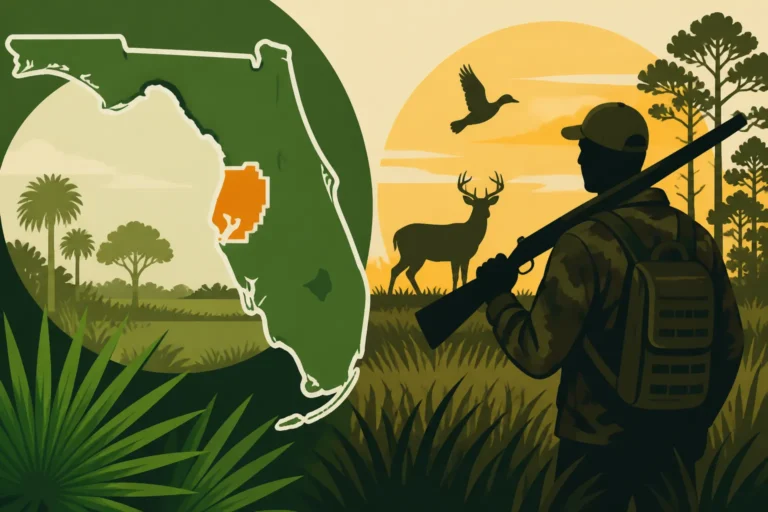
Oh, the Apalachicola National Forest! For many Florida hunters, the very name conjures images of vast, wild expanses, cypress swamps, and thick palmetto. But the bottomlands, those often-overlooked, water-laden tracts within the Apalachicola, can present a real head-scratcher when it comes to finding accessible public hunting ground. This guide is here to walk you through the unique challenges and incredible opportunities these soggy, game-rich areas offer, helping you unlock some fantastic hunting experiences.
Understanding Apalachicola's Bottomland Habitat for Hunters
When we talk about "bottomland" in Florida, especially in a place like Apalachicola National Forest, we're not just talking about low-lying areas. We're talking about a distinct, incredibly vibrant ecosystem shaped by water and time, and understanding it is the first step to hunting it successfully.
What Defines Apalachicola's Bottomlands?
Imagine a landscape where water is the dominant force. Apalachicola's bottomlands are typically floodplains, riverine swamps, and areas bordering the larger creek and river systems that snake through the forest. These aren't your typical dry pine flatwoods or sandhills; they are characterized by rich, organic soils and vegetation that thrives in moist conditions, often experiencing seasonal inundation. Think towering cypress, tupelo gum, water oaks, and thick, tangled undergrowth often referred to as "titi swamps" or "bayheads."
The Apalachicola River, for instance, has an immense floodplain, and while not all of it is accessible public hunting ground, the portions within the National Forest exhibit these classic bottomland characteristics. These areas act as natural filters and provide critical habitat. They absorb floodwaters, offering refuge during high water, and then slowly release it, sustaining life even during drier periods. The very nature of this dynamic environment means that access changes constantly, and scouting before the season is absolutely paramount. Scouting Florida Public Land Before Season is not just a suggestion here; it's a requirement.
Why These Unique Habitats Attract Wildlife
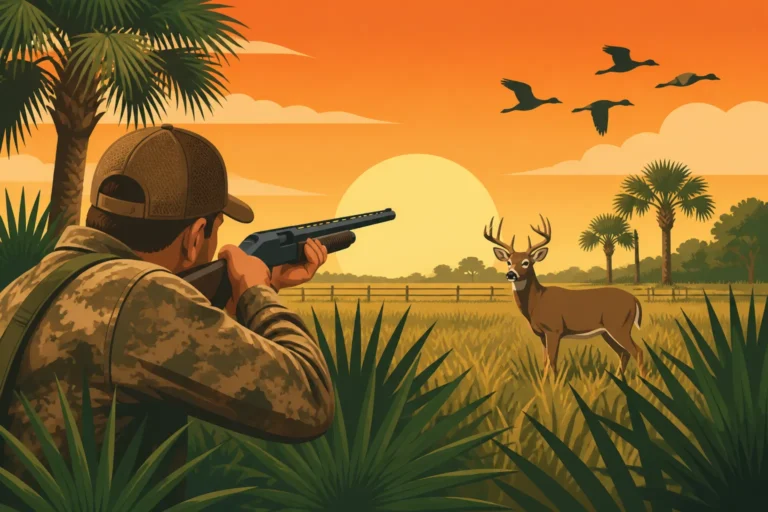
These bottomlands are biological powerhouses, acting as magnets for a wide array of game species. The constant moisture ensures a diverse and abundant food supply that simply doesn't exist in drier upland habitats. For deer, the bottomland hardwoods, especially various oak species, drop acorns that are a prime food source. The dense undergrowth offers unparalleled cover from predators and hunters alike, making deer feel secure. They can simply melt away into the thick stuff, often just yards from a well-traveled road.
Hogs absolutely thrive in these environments, with their powerful snouts constantly rooting up tubers, roots, and invertebrates in the soft, rich soil. Waterfowl, too, find these sloughs and flooded timbers irresistible, especially during migration. The edges where the bottomland transitions to slightly higher ground are often prime travel corridors, offering a "highway" for animals moving between feeding and bedding areas. Understanding these transitions is key to predicting where game will be.
Key Game Species and Opportunities in the Apalachicola Bottoms
The rich, wet environment of Apalachicola's bottomlands creates a haven for several popular game species, each presenting its own unique hunting challenge and reward.
Deer Hunting the Swamps and Hardwood Edges
Deer in the Apalachicola bottomlands are tough, wary animals. They tend to be smaller-bodied than their northern counterparts, a common trait for Florida deer, but what they lack in size, they make up for in cunning. They are masters of using the dense cover to their advantage. You'll often find them browsing on tender new growth, acorns, or other mast crops in the hardwoods. During wetter periods, deer will gravitate towards slightly higher ground within the bottomland, or to the edges where the swamp meets pine ridges. Pay close attention to these transitional areas.
Hunting these deer requires patience and an understanding of their movement patterns, which are heavily influenced by water levels and food availability. Look for subtle trails through the palmetto and titi, often paralleling sloughs or creek banks. Elevated stands can be effective here, giving you a vantage point above the thick understory. For a more active approach, Still-Hunting Florida Palmetto Flatwoods tactics can be adapted to the bottomland edges, moving slowly and deliberately, watching for flicking ears or a patch of hide. Just remember that even a slight rise in water can completely change a deer's preferred travel route overnight.
The Abundance of Hogs and How to Pursue Them
If there's one species that absolutely dominates the Apalachicola bottomlands, it's the feral hog. Florida has a significant hog population, and these wet, food-rich areas provide everything a hog needs to thrive: abundant food, water, and impenetrable cover. Hogs are an excellent year-round hunting opportunity in Florida with no bag limits on private land, and very liberal rules on public land, making them a fantastic target outside of traditional deer and turkey seasons. Year-Round Hog Hunting in Florida is a fantastic way to extend your time afield.
You'll find sign everywhere: rooted-up areas resembling a plowed field, tracks in the mud, and wallows where they've cooled off. Hunting hogs in the bottomlands can be done in several ways. Still-hunting the edges, focusing on fresh rooting or tracks, can be productive. Setting up near known wallows or travel corridors between bedding and feeding areas is another tactic. For those who enjoy a more dynamic hunt, dog hunting is popular in many parts of the state and can be particularly effective in dense cover where hogs are difficult to spot. Just be sure to check specific WMA rules on dog hunting, as they vary.
Waterfowl and Other Opportunities
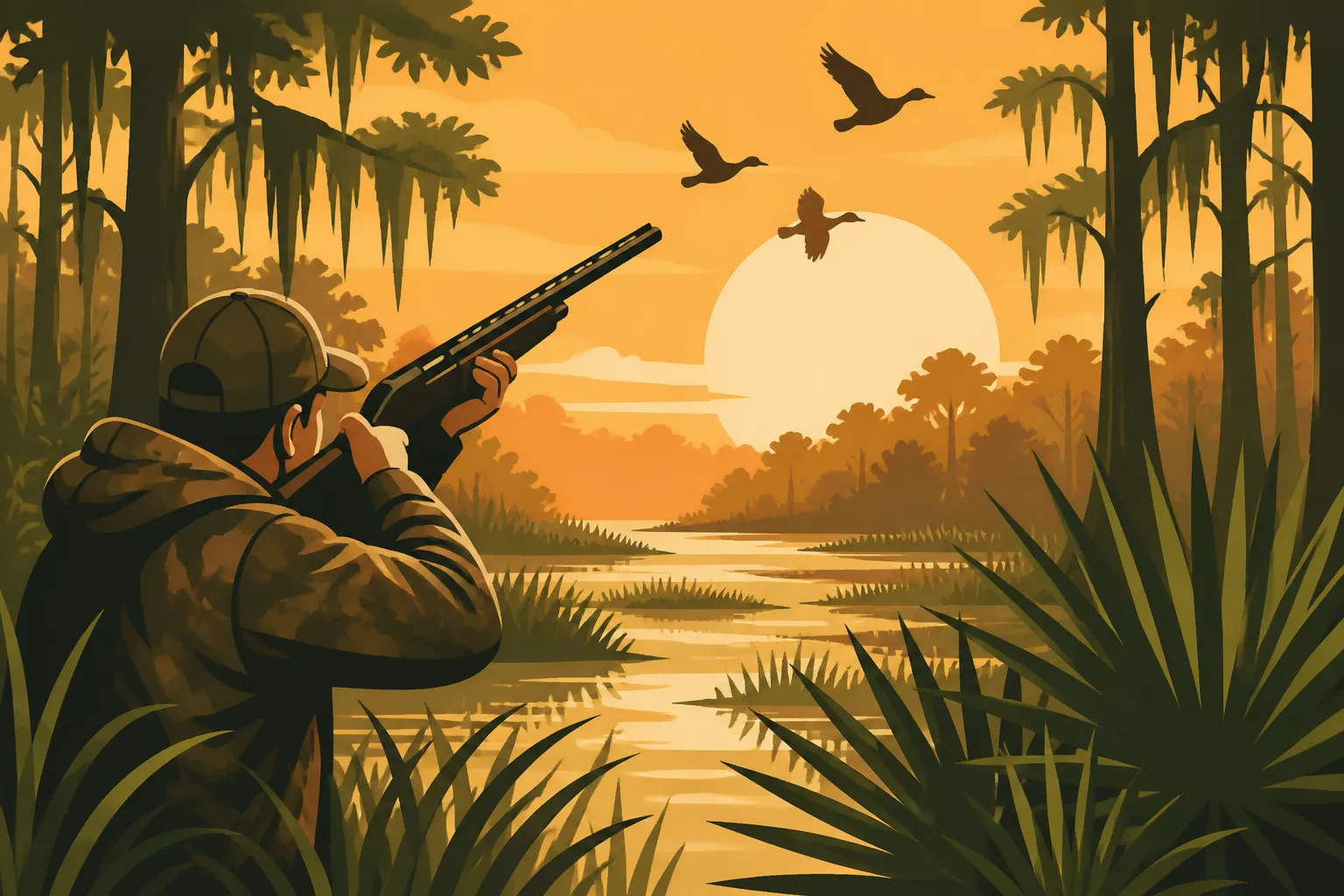
While not as famous as Florida's coastal marshes or major rice fields, the Apalachicola bottomlands do offer pockets of excellent waterfowl hunting, especially for wood ducks. The quiet sloughs, flooded timber, and backwater areas provide ideal habitat. Wood ducks are incredibly beautiful and delicious birds, often found in these freshwater swamps. They'll often feed on acorns and other vegetation in the flooded woods. Setting a few decoys in a cypress slough or along a flooded creek at first light can be a truly magical experience. Waterfowl Hunting Florida's Marshes techniques can sometimes be adapted for these inland, timbered water bodies, though the scale is often much smaller.
Beyond deer, hogs, and ducks, the Apalachicola bottomlands also hold opportunities for small game like squirrels, particularly fox and gray squirrels in the hardwood areas, and various predators such as coyotes and bobcats. Trapping furbearers is also an option for those with the appropriate licenses and skills, taking advantage of the abundant populations in these wet, wild areas.
Navigating Access and Terrain Challenges in the Apalachicola Bottomlands
The biggest hurdle for many hunters venturing into the Apalachicola bottomlands isn't finding game, but simply getting to it and navigating the often-treacherous terrain. This is where good planning, the right gear, and smart mapping become invaluable.
Mapping and Scouting for Effective Entry
Before you even think about setting foot in the Apalachicola bottomlands, spend serious time with maps. Satellite imagery is your best friend here. Look for subtle changes in elevation, old logging roads that might provide drier access, and the meandering paths of sloughs and creeks. Topographic maps, even in relatively flat Florida, can reveal slight rises that become critical refuges for deer during high water. Applications like onX Hunt are incredibly helpful for visualizing the terrain, identifying public land boundaries, and marking potential entry points and game trails from home. GoHunt also offers robust mapping features that allow you to layer different data, such as habitat types and historical burn units, which can shed light on game movement.
Once you have a few potential access points identified, a physical scouting trip is essential. This is not a place to show up on opening morning without prior reconnaissance. Check water levels, assess the density of the vegetation, and look for fresh sign. Sometimes, what looks like a dry path on a satellite image can be a waist-deep swamp in reality. Identify areas where you might need waders, or even a small canoe or kayak, to get to prime hunting locations.
Dealing with Water and Difficult Footing
This is Florida bottomland; you're going to encounter water. It's often unavoidable. Expect mud, standing water, and sometimes deep sloughs that require careful crossing. Investing in good waterproof boots, hip waders, or even chest waders is non-negotiable for serious bottomland hunting. Consider carrying a collapsible hiking pole or a sturdy walking stick to probe depth and maintain balance in slippery mud.
For deeper water crossings or reaching more remote spots, a small boat can be a game-changer. A canoe, kayak, or even a small jon boat with a shallow-draft motor can open up vast tracts of otherwise inaccessible hunting ground. Just remember, the more gear you take in, the more you have to get out, especially if you harvest an animal. Plan for extraction ahead of time, because dragging a deer through waist-deep mud and tangled palmetto is a monumental task.
Public Access Points and Regulations
The Apalachicola National Forest is managed by the U.S. Forest Service, but hunting regulations are set and enforced by the Florida Fish and Wildlife Conservation Commission (FWC). Unlike many state-managed Wildlife Management Areas (WMAs), you typically do not need a specific WMA permit to hunt the general land of the National Forest, though you will need your standard Florida hunting licenses. Apalachicola National Forest Hunting details these differences, but always double-check the current FWC regulations for the specific area you plan to hunt, as rules can change.
Access points are often along county roads that intersect the forest or via designated forest roads. Some of these roads might be seasonal, closing during wet weather to prevent damage. Always check with the Forest Service or FWC website for any temporary closures. Parking is typically allowed along forest roads where not explicitly prohibited, but be mindful of blocking access for others or for emergency vehicles. Understanding these rules is critical for a legal and enjoyable hunt.
| Game Species | Preferred Bottomland Habitat | Key Season | Typical Bottomland Challenges |
|---|---|---|---|
| White-tailed Deer | Hardwood hammocks, swamp edges, dense titi | Archery, Muzzleloader, General Gun | Dense cover, water crossings, tracking |
| Feral Hog | Anywhere with rooting potential, wallows, thickets | Year-round (check specific rules) | Mobility, heat, thickest cover |
| Wood Duck | Flooded timber, cypress sloughs, backwaters | Duck Season | Accessing water, hiding from birds |
| Fox Squirrel | Mature hardwoods with large trees, open understory | Small Game Season | Spotting in dense canopy |
Essential Strategies for Hunting Apalachicola's Bottomland Terrain
Hunting the Apalachicola bottomlands isn't like hunting open pine plantations or agricultural fields. It demands a specific set of skills and a particular mindset to be successful.
Low-Impact Hunting and Stand Placement
The dense, often wet, nature of the bottomlands means that "low-impact" hunting is often the most effective. This involves minimizing your disturbance as you enter and exit your hunting area. Still-hunting, moving slowly and quietly through the woods, stopping frequently to observe and listen, can be incredibly productive. The cover is so thick that game often won't spot you until you're very close.
When it comes to stand placement, traditional ladder stands or climbing stands can be challenging due to the sparse, suitable trees or uneven ground. Ground blinds, either natural or pop-up, can be highly effective in the thick bottomland cover, allowing you to blend in seamlessly. Just make sure to brush them in well. Using a Ground Blind on Florida Public Land is an art form in this environment. Look for natural funnels created by sloughs, changes in vegetation type, or slightly elevated ridges. Remember, the animals are using the path of least resistance, and often that means sticking to drier edges or subtle high spots within the swamp.
Adapting to Seasonal Changes and Water Levels
The biggest variable in bottomland hunting is water. The amount of rainfall, river levels, and even tidal influences near the coast can drastically alter the landscape and, consequently, game movement. After heavy rains, low-lying areas will flood, forcing deer and hogs to higher ground. This can actually concentrate animals, making them easier to pattern if you know where those high spots are. Conversely, during dry spells, animals may move deeper into the swamp in search of water and succulent vegetation.
Successful bottomland hunters are constantly monitoring weather patterns and river gauges. A few days of heavy rain before your hunt might mean you need to change your strategy from hunting a low-lying food source to focusing on the higher edges. Similarly, a prolonged dry spell could mean animals are bedding closer to permanent water sources. Be flexible, adapt your tactics, and don't be afraid to change your planned hunting spot based on current conditions.
Safety First: Navigating Remote and Rugged Areas
The wild beauty of the Apalachicola bottomlands comes with inherent risks. These are vast, remote areas where it's easy to get disoriented, especially in dense fog or after dark. Always carry a reliable GPS device or use a mapping app like onX Hunt on your phone, and make sure your phone is fully charged with a portable power bank. Mark your truck, your path in, and any significant landmarks. Tell someone exactly where you're going and when you expect to return.
The terrain itself can be dangerous: hidden holes, slippery roots, venomous snakes, and even alligators in the deeper water bodies. Dress appropriately, watch your footing, and be aware of your surroundings. Hunting with a partner or at least having a reliable communication plan is highly recommended. The peace and solitude of the Apalachicola bottomlands are profound, but respecting its wild nature is paramount to a safe and successful hunt.
Disclaimer
This article is for general informational purposes only and does not constitute professional advice. Laws, prices and regulations vary by location and change over time. Consult a qualified professional for guidance on your specific situation.