Hunting the Florida Panhandle
The Florida Panhandle offers a truly distinct hunting experience, a stark contrast to much of the peninsula's cypress swamps and palmetto flats. But if you're not familiar with its sprawling pine forests, vast river bottoms, and unique coastal marshes, knowing where to start can feel overwhelming. This comprehensive guide will walk you through the diverse landscapes, game species, and hunting strategies specific to this often-overlooked, game-rich corner of the Sunshine State.
Understanding the Panhandle's Unique Landscape
The Florida Panhandle is a world apart, geographically and ecologically, from the rest of the state. It stretches from the Apalachicola River westward to the Alabama border, defined by rolling hills, ancient pine forests, and significant river systems. This isn't the flat, marshy Florida many imagine; instead, it's a diverse tapestry of habitats that support a wide array of game species. Understanding these subtle differences is the first step to a successful hunt here.
Geographical Divisions and Habitat
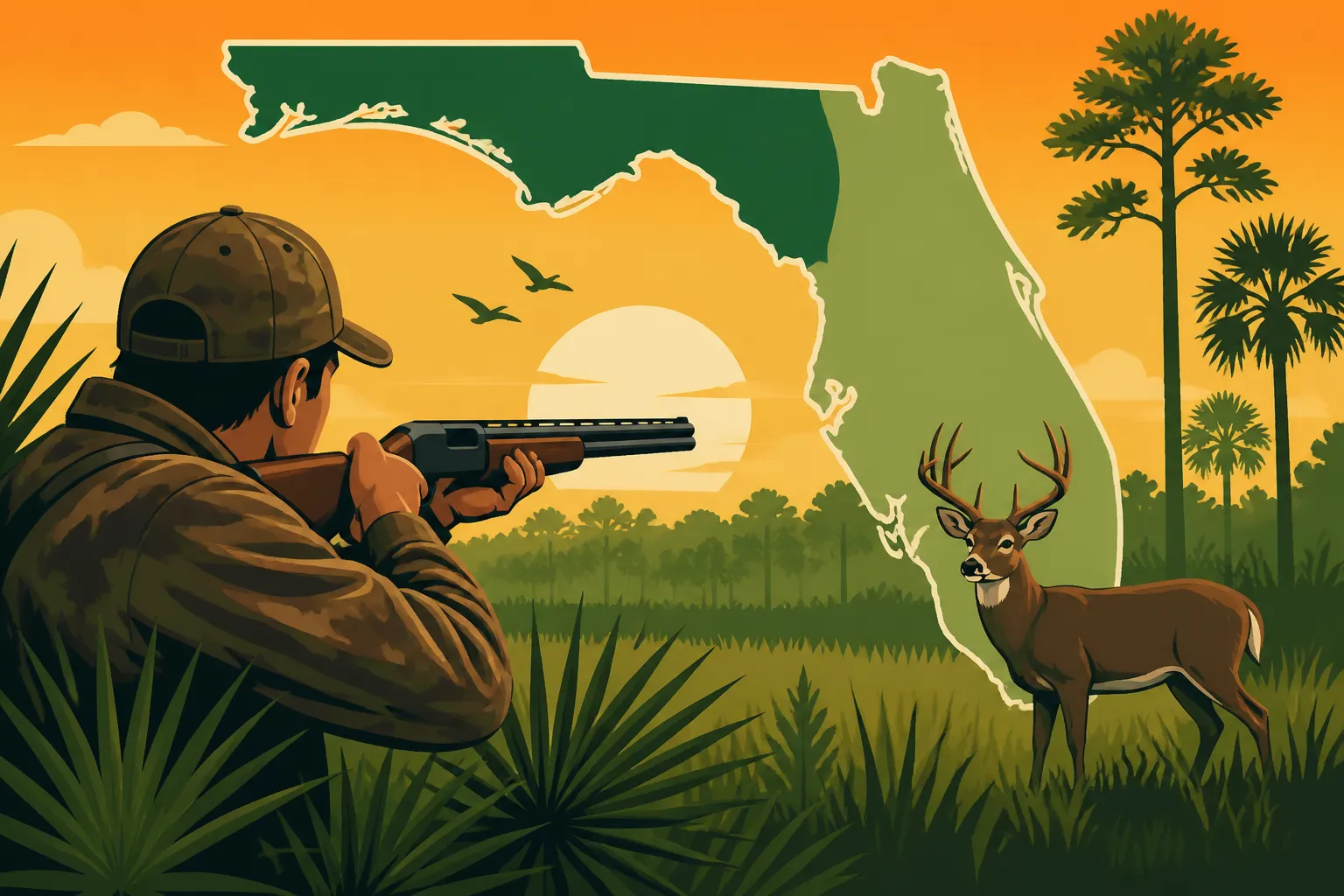
When you look at a map of the Panhandle, you'll immediately notice the influence of its proximity to Alabama and Georgia. The terrain has more elevation changes, with clay soils and red dirt common in many areas, particularly in the western parts. The dominant habitat types include vast tracts of longleaf pine uplands, often managed with prescribed fire, creating open understories that are a dream for quail hunters and offer great visibility for deer. Interspersed are hardwood hammocks, often along creeks and river systems, providing crucial mast crops like acorns and protective cover. The major river corridors, such as the Apalachicola, Blackwater, and Choctawhatchee, create expansive floodplains and bottomland hardwoods, which become prime hunting grounds when water levels recede. Along the coast, you'll find tidal marshes and estuaries that draw in migratory waterfowl, adding another layer to the hunting opportunities. These varied ecosystems mean that adapting your approach to the specific micro-habitat you're hunting is absolutely key.
Key Game Species in the Panhandle
The Panhandle is a stronghold for several classic Southern game species, making it a favorite among many Florida hunters. White-tailed deer are abundant, and while not known for the giant rack sizes of some Midwestern states, the region consistently produces solid bucks, especially in areas with good nutrition and age structure. The Eastern wild turkey thrives in the Panhandle's extensive pine forests and mixed hardwood bottoms, offering an exciting challenge for spring gobbler enthusiasts. Unlike the Osceola subspecies found further south, these are true Easterns, and they behave much like their counterparts across the Southeast. Feral hogs are ubiquitous, found in nearly every habitat type, providing year-round hunting opportunities with no bag limits, often seen as a beneficial way to manage their impactful presence. Beyond these big three, the Panhandle also offers excellent small game hunting for bobwhite quail in restored pine savannahs and gray squirrels in the hardwood bottomlands. Waterfowl, including various duck species, also utilize the region's coastal marshes and river systems during migration, creating diverse opportunities for hunters.
| Game Species | Primary Panhandle Habitat | Peak Season Activity | Best Hunting Methods |
|---|---|---|---|
| White-tailed Deer | Pine uplands, hardwood bottoms, agriculture | Fall/Winter (Rut varies by zone) | Still-hunting, stand hunting |
| Eastern Wild Turkey | Pine forests, mixed hardwoods, clear-cuts | Spring (Gobbling activity) | Calling, decoying, run-and-gun |
| Feral Hog | Anywhere, especially dense cover & water | Year-round (Active day/night) | Still-hunting, trapping, dog hunting |
| Bobwhite Quail | Open pine savannahs, clear-cuts | Fall/Winter (Coveys forming) | With pointing dogs |
| Gray Squirrel | Hardwood hammocks, river bottoms | Fall/Winter (Mast crop dependent) | Still-hunting, stalking |
| Waterfowl | Coastal marshes, river systems, farm ponds | Winter (Migratory patterns) | Decoying, jump-shooting |
Public Land Hunting Opportunities
One of the greatest appeals of hunting the Florida Panhandle is the sheer amount of accessible public land. Unlike many other regions that are dominated by private holdings, this part of the state boasts expansive national forests, state forests, and numerous Wildlife Management Areas (WMAs). Navigating these vast tracts can be a bit of a learning curve, but the rewards of free-ranging game in wild settings are well worth the effort. Getting familiar with the rules for Public Hunting Land in Florida is a must before you even set foot in the woods.
National Forests as Prime Hunting Ground
The Panhandle is home to two of Florida's largest and most significant National Forests for hunting: Apalachicola National Forest and Osceola National Forest. The Apalachicola, in particular, dominates much of the central Panhandle, sprawling across hundreds of thousands of acres. This forest offers incredible diversity, from longleaf pine ridges to vast cypress swamps and flatwoods. Deer, hogs, and Eastern turkeys thrive in these varied habitats. Because National Forests are managed under federal guidelines, they often have slightly different regulations than state WMAs, so always double-check the specifics. Generally, they offer more open access, with fewer quota hunts compared to some WMAs, which can be a huge plus for hunters looking for flexibility. Hunters often focus on the edges of different habitat types, such as where pine uplands transition into hardwood bottoms, or along the numerous creek drainages that wind through the forest. Knowing How Many Acres Apalachicola National Forest Covers really puts into perspective the scale of the hunting opportunities here.
State Forests and Environmental Areas
Beyond the National Forests, the Florida Forest Service manages several State Forests that provide additional public hunting opportunities. These include places like Blackwater River State Forest, Tate's Hell State Forest, and Point Washington State Forest, among others. While often smaller than the National Forests, they are still significant tracts of land that offer excellent hunting for deer, hogs, and turkeys. Management practices in State Forests often include timber harvesting and prescribed burns, which create diverse successional stages that can be highly attractive to wildlife. For example, recently burned areas or clear-cuts with emerging regrowth can be fantastic spots for deer browse and turkey foraging. Environmental Areas, though typically smaller, can also offer unique hunting experiences, often focused on specific game species or unique habitats. It's vital to research the specific rules for each State Forest or Environmental Area you plan to hunt, as access, permitted weapons, and season dates can vary significantly.
Wildlife Management Areas of the Panhandle
Florida's Wildlife Management Area (WMA) system plays a crucial role in providing hunting access across the state, and the Panhandle is no exception. WMAs like Blackwater, Eglin Air Force Base (though unique in its access requirements), Choctawhatchee, and Joe Budd are well-known among local hunters. These areas are specifically managed for wildlife habitat and public hunting, often through intensive habitat manipulation, such as controlled burns, food plots, and timber management. Many WMAs operate on a quota hunt system for deer and turkey, meaning you'll need to apply in advance for a permit. While this can limit spontaneous trips, it also helps manage hunter pressure, often leading to higher quality hunting experiences. Non-quota areas, particularly for hog hunting or small game, are also available on some WMAs. Using tools like the Using the FWC Public Hunting Map or mapping apps like onX Hunt are invaluable for navigating the boundaries, understanding regulations, and scouting these diverse areas. Each WMA has its own character, from vast, remote tracts to more accessible, intensively managed lands, so research is key to finding the right fit for your hunting style. Always check the current WMA regulations brochure for the specific area you plan to visit, as rules can change annually.
Deer Hunting in the Panhandle
Deer hunting in the Florida Panhandle is a deeply rooted tradition, with seasons extending well into January and often offering both antlered and antlerless opportunities. The Panhandle falls primarily within Florida's Zone D, which has its own unique season dates and rut timing compared to the rest of the state. While the deer might not grow as large as those further north, they are challenging game, adapted to the dense cover and often vast public lands of the region.
Rut Timing and Behavior
Understanding the whitetail rut in the Panhandle is crucial for planning your hunt. Unlike the early ruts of South Florida or the mid-November peak in North Florida, the Panhandle's rut tends to occur later in the year, generally peaking from mid-December through January, sometimes even into February in the westernmost counties. This means that hunters often enjoy prime rut activity during the general gun season, which can be a huge advantage. During this period, bucks become more active during daylight hours, cruising for does, making scrapes, and engaging in sparring matches. This late rut often coincides with cooler temperatures, which can also increase deer movement. Knowing that the rut is in full swing means adjusting your strategies: focus on travel corridors between bedding and feeding areas, near known scrape lines, and in areas where does are likely to be found. Hunting Florida's Four Deer Zones provides a broader perspective on how these seasonal variations impact deer behavior across the state.
Effective Hunting Strategies
Given the Panhandle's diverse terrain and vegetation, a variety of hunting strategies can be effective for deer. Still-hunting, especially in the more open pine forests or along the edges of hardwood hammocks, allows hunters to cover ground slowly and methodically, looking for fresh sign or deer actively moving. This method demands patience and stealth, using the wind to your advantage. For those who prefer a more stationary approach, setting up tree stands or ground blinds overlooking natural funnels, food sources (like acorn flats or planted food plots on private land), or pinch points along river bottoms can be highly productive. On public lands, where traditional food plots are rare, identifying natural food sources like persimmons, muscadines, or dense oak stands during fall can be a game-changer. Calling, particularly grunting and rattling during the rut, can also be effective, drawing in curious bucks looking for a fight. Hunting Florida Panhandle Pine Plantations touches on specific tactics that work well in these prevalent habitats. Always be mindful of wind direction and scent control, especially when hunting in areas with high deer density.
Trophy Potential and Herd Health
While the Florida Panhandle isn't typically known for producing world-class Boone and Crockett bucks, it consistently offers opportunities for mature, respectable deer. The average body size and antler mass are often influenced by the sandy, less fertile soils compared to agricultural regions, but areas with good nutrition and older age classes of bucks can yield impressive animals. Proper herd management, including antlerless harvests where appropriate, contributes to healthier deer populations overall. Hunters focused on trophy potential should concentrate their efforts on areas with lower hunting pressure, private lands with quality management programs, or specific WMAs known for producing bigger deer through quota systems. Scouting is paramount – looking for rub lines, large tracks, and significant scrape activity will point you towards areas where mature bucks are traveling. Don't underestimate the challenge and reward of taking a hard-earned Panhandle buck; they are survivors in a tough environment.
Turkey Hunting for Eastern Gobblers
The gobble of an Eastern wild turkey echoing through the Panhandle pines is a sound that sets many a hunter's heart racing. This region is prime habitat for Eastern turkeys, offering some of the best opportunities in Florida for this specific subspecies. Unlike their elusive Osceola cousins further south, these birds are genetically Easterns and behave similarly to those found across the southeastern United States, providing a classic spring turkey hunting experience.
Prime Turkey Habitat and Roosting Areas
Eastern turkeys in the Panhandle thrive in the mosaic of habitats offered by the region. They particularly favor extensive pine forests, especially those with an open understory created by prescribed fire, which makes foraging for insects and seeds much easier. These birds also frequent mixed pine-hardwood stands and the sprawling hardwood bottoms along river systems, which provide crucial mast crops like acorns, pecans, and other fruits. During the spring, gobblers will often roost in the tallest trees near these feeding areas or along major water sources, making river corridors and large stands of mature pines excellent places to listen for morning gobblers. Cutover areas that are a few years into regrowth can also be fantastic spots, offering dense cover for nesting hens and abundant food for poults, which will draw in gobblers looking for hens. Locating these roosting and feeding areas during pre-season scouting is a critical first step for success. Eastern Turkeys in the Florida Panhandle delves deeper into their specific behaviors and range within the region.
Calling and Decoy Tactics
Turkey hunting in the Panhandle relies heavily on effective calling and strategic decoy placement. For Easterns, a wide range of calls can be effective, from traditional friction calls like slate and box calls to diaphragm calls. Locator calls, such as owl hoots or crow calls, are essential for pinpointing gobblers on the roost in the pre-dawn darkness. Once a bird is located, soft tree yelps and clucks can entice him off the roost. As the morning progresses, aggressive calling with cutting, cackling, and excited yelps can pique a gobbler's interest, but knowing when to back off and let him come searching is a fine art. Decoys can be incredibly effective, especially a lone hen or a jake and hen setup, to draw a dominant gobbler into range. Placing decoys where they are visible to an approaching bird, yet allow for a clear shot, is key. Setting up in an area that forces the gobbler to approach from a specific direction, perhaps around a small bend in a logging road or over a slight rise, can also work wonders. Remember that pressured birds will often hang up out of range, so patience and adaptability are paramount. For more specific insights on tactics, check out Hunting an Eastern Gobbler in Panhandle Pines.
Season Dates and Permit Considerations
Florida's spring turkey season for the Eastern zone, which encompasses the entire Panhandle, typically runs from mid-March through late April. There's also a youth turkey weekend that precedes the general opener, offering younger hunters a chance to pursue gobblers without adult competition. While a statewide hunting license and a turkey permit are required, the Panhandle does not typically have the same quota permit system for turkeys on public lands as the Osceola zone does. However, specific WMAs or State Forests might have unique regulations or quota hunts, so always consult the FWC's hunting regulations for the particular area you intend to hunt. Success rates can vary, but the Panhandle consistently offers a robust population of birds, and dedicated hunters often find good opportunities. Keep in mind that scouting before the season, listening for gobblers, and locating fresh sign will dramatically increase your odds of punching a tag.
Feral Hog Hunting Year-Round
If there's one game animal that truly defines hunting in the Florida Panhandle, it's the feral hog. These intelligent, prolific, and destructive animals are found everywhere, from the deepest swamps to the highest pine ridges, offering fantastic hunting opportunities 365 days a year. Unlike deer or turkey, there's no closed season or bag limit on private land, and many public lands also have very liberal hog hunting rules, making them an excellent quarry for anyone looking to put some wild pork in the freezer.
Locating Hog Hotspots
Feral hogs are masters of finding food, water, and cover, and these three elements dictate their movements. In the Panhandle, you'll often find them rooting up the edges of agricultural fields, particularly corn or peanut fields, where they can cause significant damage. River bottoms and creek drainages are also prime locations, providing not only water but also lush vegetation, acorns, and thick cover for bedding. During hot weather, hogs will often wallow in muddy areas or spend time in dense, shady thickets. In pine forests, look for areas where they've rooted for tubers and grubs, leaving tell-tale churned-up soil. Using mapping apps like onX Hunt can help you identify these habitat types and potential travel corridors. Pay close attention to fresh tracks, rooting, and rubs on trees where they scratch themselves. If you find one sign, the hogs are likely still in the vicinity. For more on the rules, check out Florida's Year-Round Hog Hunting Rules.
Popular Hunting Methods
Hog hunting offers incredible versatility in methods. Still-hunting through dense cover, especially near water sources or feeding areas at dawn and dusk, can be productive. Setting up a tree stand or ground blind over an active feeder (legal on private land) or a natural food source like a persimmon tree can also yield results. Trapping is another highly effective method, particularly for landowners or those with permission on private property looking to control populations. You can catch multiple hogs at once, making a significant impact. Night hunting with thermal or night vision optics, often combined with baiting, is another popular and effective method on private lands, as hogs are largely nocturnal. And of course, dog hunting remains a time-honored tradition in the Panhandle, with experienced dog teams often able to locate and bay or catch hogs in even the thickest cover. The method you choose often depends on the terrain, your equipment, and the legalities of the specific area you're hunting.
Legalities and Regulations
While hog hunting on private land in Florida is incredibly liberal, with no closed season, bag limits, or weapon restrictions (other than general firearm laws), hunting hogs on public lands is a different story. On WMAs and State Forests, hog hunting is often tied to the general hunting seasons for deer or small game, and weapon types may be restricted to those legal for the current season. Some WMAs may have specific "hog only" hunts or seasons, but these are typically limited. It's absolutely crucial to consult the specific regulations for the WMA or State Forest you plan to hunt, as rules vary widely. Always ensure you have the proper licenses, which typically include a Florida hunting license and often a WMA stamp or permit if hunting on a Wildlife Management Area. Even though hogs are unprotected, ethical hunting practices and adherence to all regulations are paramount.
Small Game and Waterfowl Hunting
While deer, turkey, and hogs grab most of the headlines, the Florida Panhandle also offers fantastic opportunities for small game and waterfowl hunters. These pursuits can provide a great way to introduce new hunters to the sport or simply enjoy a different kind of challenge in the state's diverse environments.
Quail and Squirrel in the Piney Woods
The Panhandle is one of the few places in Florida where wild bobwhite quail populations still offer consistent hunting. Efforts to restore longleaf pine ecosystems, with their open, park-like understories maintained by prescribed fire, have greatly benefited quail. Hunting quail typically involves walking through these open piney woods with well-trained pointing dogs, a classic Southern hunting experience. The covey flush, the whirring of wings, and the smell of gunpowder are traditions deeply ingrained here. Look for areas with good cover, such as blackberry brambles or gallberry thickets, adjacent to open pine stands where they feed. Squirrel hunting, particularly for gray squirrels, is another popular small game pursuit. These acrobatic rodents are abundant in the hardwood hammocks and bottomlands along the Panhandle's rivers and creeks, especially during years with good acorn crops. Still-hunting slowly through these areas at dawn or dusk, or sitting quietly near active feeding trees, can yield a delicious bushytail dinner. A small caliber rifle or a shotgun with light shot is ideal for squirrel hunting.
Duck Hunting in the Panhandle's Marshes and Rivers
The Florida Panhandle might not be as famous for duck hunting as some other parts of the state or nation, but it offers quality opportunities, especially in its coastal marshes and along its major river systems. Wood ducks are common residents and migrants, often found in cypress sloughs, flooded timber, and shaded creek bottoms. Mottled ducks are also present, often found in the brackish coastal marshes. During the migratory season, various species of dabbling and diving ducks, such as teal, pintails, and wigeon, will pass through or winter in the region. Hunting methods often involve setting up decoys in strategic locations, like hidden blinds in marsh grass or natural cover along river bends, and calling. Jump-shooting small creeks and hidden ponds can also be productive for a solo hunter. Access to prime waterfowl areas often requires a boat, particularly in the larger river systems and coastal bays. Remember that federal migratory bird regulations apply, including limits on shotgun capacity, specific steel shot requirements, and the need for a Federal Duck Stamp and a Florida Migratory Bird Certification in addition to your regular hunting license. Staying up-to-date on Florida Waterfowl Season and Zones is crucial for planning.
Essential Tools and Scouting Tips
Hunting the vast and diverse landscapes of the Florida Panhandle requires more than just a rifle or a shotgun. Modern tools and diligent scouting are paramount to success, especially when navigating public lands where game can be spread out and hunter pressure can be a factor.
Mapping and Navigation with Technology
In today's hunting world, digital mapping tools are non-negotiable, and they are particularly useful in the expansive and sometimes featureless tracts of the Panhandle. Applications like onX Hunt have revolutionized how hunters locate property boundaries, identify habitat features, and navigate in the field. With satellite imagery, topo maps, and land ownership overlays, you can literally scout from your couch. Use these apps to identify potential access points, locate bedding areas, feeding zones, water sources, and natural funnels. Marking waypoints for stand locations, rub lines, scrapes, and animal sightings can build a comprehensive picture of game movement over time. The ability to download maps for offline use is crucial, as cell service can be spotty or nonexistent in many remote Panhandle areas. Beyond digital maps, a good old-fashioned compass and paper map are always smart backups, just in case technology fails. Don't go into these big woods without a solid navigation plan; getting lost is a real concern in areas like the Apalachicola National Forest.
Pre-Season Scouting Strategies
Effective pre-season scouting is the cornerstone of a successful Panhandle hunt. Don't wait until opening day to figure out where the game is. Start early, even months before the season, if possible.
- Digital Scouting: As mentioned, use mapping apps to identify potential hunting zones, assess terrain features, and pinpoint areas that might hold game. Look for pinch points, cover transitions, and isolated pockets of desirable habitat.
- Boots on the Ground: Nothing replaces actually walking the ground. During the off-season, hike through potential areas, looking for old rubs, scrapes, tracks, and droppings. Identify common travel routes, especially between different habitat types. Pay attention to natural food sources like oak trees for acorns, persimmons, or muscadine vines.
- Trail Cameras: Strategically placed trail cameras can provide invaluable intelligence on game presence, movement patterns, and even individual animals. Focus cameras on established trails, funnels, or over potential food sources. This is especially useful for understanding deer movement during the specific Panhandle rut window.
- Listen: For turkey hunters, pre-season listening sessions at dawn can tell you exactly where gobblers are roosting. Drive forest roads before daylight, stop, and listen for natural sounds.
- Water Levels: If you're hunting near river systems or floodplains, understanding typical water levels can inform where deer and hogs will be pushed to higher ground or have access to newly exposed food sources.
Scouting Florida Public Land Before Season provides even more detailed advice applicable to the Panhandle.
Adapting to Panhandle Weather
Florida weather, even in the Panhandle, can be notoriously unpredictable, especially during hunting season. Hunters need to be prepared for everything from scorching early-season heat to surprisingly cold winter fronts.
- Heat and Humidity: Early season archery hunts or even late-season hog hunts can be brutally hot and humid. Focus on early mornings and late evenings, and ensure you have plenty of water, electrolytes, and light, breathable clothing. Game movement will be minimal during the midday heat.
- Cold Fronts: The Panhandle experiences legitimate cold fronts, especially from November through January. These drops in temperature often trigger increased game movement, particularly deer, as they feed more actively. Layering clothing is essential, starting with a good wicking base layer and adding insulation as needed.
- Rain: Rain is a constant possibility. Invest in good waterproof outerwear, waterproof boots, and consider a waterproof pack cover. Rain can dampen scent, making deer less wary, but it can also make tracking difficult.
- Mosquitoes and Ticks: Year-round, but especially in warmer months, the Panhandle is home to abundant mosquitoes, ticks, and other biting insects. Quality insect repellent (with DEET or permethrin for clothing) is not just a comfort item, it's a necessity.
Being adaptable to changing weather conditions means being prepared with the right gear and adjusting your hunting schedule and tactics accordingly.
Disclaimer
This article is for general informational purposes only and does not constitute professional advice. Laws, prices and regulations vary by location and change over time. Consult a qualified professional for guidance on your specific situation.