The Florida Alligator Super Hunt Application
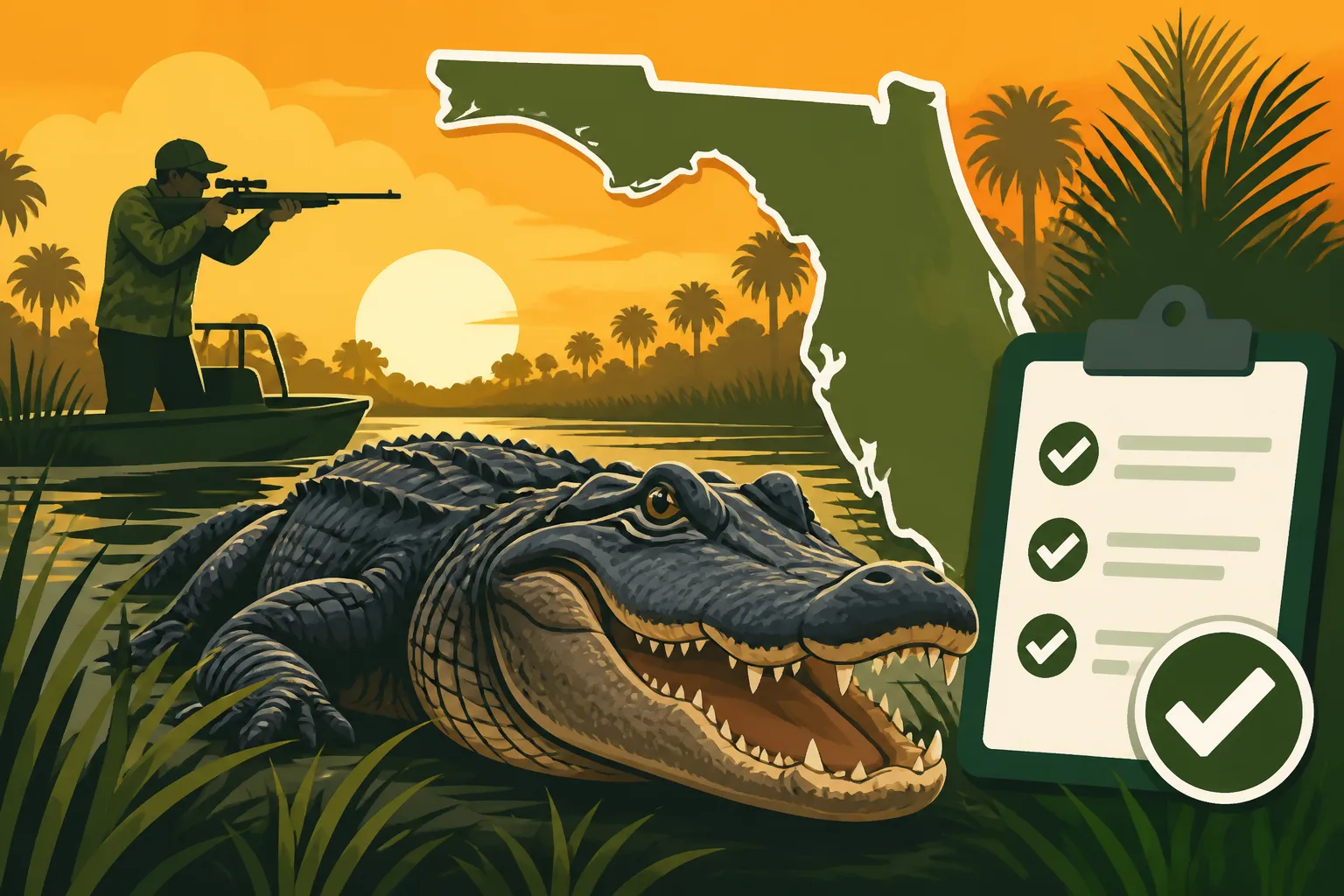
Oh, the Florida Alligator Super Hunt Application. Just hearing those words can conjure up a mix of excitement and dread for any avid hunter who's ever tried to secure one of Florida's most coveted and elusive tags. It's a prime example of how some of the most thrilling opportunities in our sunshine state come with a competitive edge that can feel like a real uphill battle. This guide is here to cut through the confusion, break down the process, and help you understand what it truly takes to vie for a spot in this extraordinary hunting experience.
Understanding the Alligator Super Hunt: More Than Just a Permit
Let's be real, the word "super" isn't thrown around lightly in the hunting world, especially when it comes to coveted permits. The Florida Alligator Super Hunt is exactly what it sounds like – an elevated, enhanced opportunity compared to the standard statewide alligator permit. Many hunters dream of drawing one of these, and for good reason.
What Sets the Super Hunt Apart?
Imagine a longer season, more flexible hunting hours, and access to some of the most productive alligator management units (AMUs) that might otherwise be harder to draw or more restrictive. That's the essence of the "Super Hunt." While the regular statewide alligator permit program provides tags for a specific, shorter season (typically mid-August to early November), the Super Hunt can offer a significantly extended season, sometimes running from mid-August all the way through the end of the calendar year. This longer window gives hunters much more flexibility, especially when juggling work, family, and other hunting seasons.
Another key difference is the number of tags. Often, a Super Hunt permit will allow for the harvest of two alligators, rather than the single alligator typically allocated with a standard permit. This increased bag limit is a huge draw for those looking to maximize their experience or secure enough meat and hides for a substantial return. The selected AMUs for the Super Hunt are usually prime areas known for good alligator populations and the potential for larger animals, further sweetening the pot. It’s an opportunity that stands out, making the application process incredibly competitive, but for many, it's worth every bit of effort.
The Alligator Harvest Program in Florida
Florida's alligator population is a true success story of conservation. Back in the day, these incredible reptiles were on the brink, but thanks to decades of careful management by the Florida Fish and Wildlife Conservation Commission (FWC), they've made an incredible comeback. Now, Florida boasts a healthy and robust alligator population, estimated at over a million, allowing for regulated hunting seasons that serve multiple purposes. The statewide alligator harvest program isn't just about providing recreational opportunities; it's a vital tool for managing population levels, mitigating human-alligator conflicts, and generating revenue for further conservation efforts.
The program aims to maintain a stable, thriving alligator population while allowing hunters to pursue these ancient predators. This careful balance ensures that future generations will also have the chance to experience Florida's wild spaces and, for some, the thrill of an alligator hunt. From the vast freshwater lakes to the winding rivers and intricate marsh systems, alligators are an integral part of Florida's ecosystem. The Super Hunt, while exclusive, is a testament to the success of this overall management philosophy, offering a premium experience within a well-regulated framework.
Navigating the Application Process: A Step-by-Step Guide
Applying for something as sought-after as the Florida Alligator Super Hunt can feel a bit like trying to solve a puzzle. There are specific timelines, requirements, and a system designed to give everyone a fair shot, but it definitely helps to know the ins and outs.
Key Dates and Application Windows
The first hurdle, and arguably the most important, is knowing when to apply. Missing the application window means missing your shot for the entire year, and believe me, that's a mistake you only make once. While exact dates can shift slightly from year to year, the FWC typically opens the application period for the Statewide Alligator Harvest Program, which includes the Super Hunt, sometime in late spring or early summer. For instance, recent application windows have often opened in May and closed by early June.
It's crucial to mark these dates on your calendar, set reminders, and make sure you're ready when the portal opens. The application is submitted online through the FWC's licensing and permit system. Don't wait until the last minute; technical glitches happen, and you don't want a slow internet connection to be the reason you miss out. Keep an eye on the FWC's official website and press releases for the precise dates each year. While the Super Hunt itself doesn't have an "opening day" in the traditional sense like a deer season, the application period is your personal opening day for this particular opportunity. For more specific season opening information, you might check out resources like Florida Alligator Season Opening Date.
Eligibility and Preference Point System
So, who can actually throw their hat in the ring for this exclusive hunt? Both Florida residents and nonresidents are eligible to apply, though the costs and the total number of permits available often differ between the two groups. You'll need a valid Florida hunting license (unless exempt) and meet the basic FWC hunter education requirements.
What really differentiates applicants, though, is the preference point system. This is where things get interesting, and a little strategic. For every year you apply for an alligator permit (including the Super Hunt) and are unsuccessful in drawing one, you earn one preference point. These points accumulate, and they significantly increase your odds in subsequent years. Think of it like this: the more points you have, the higher your chances are in the lottery drawing. This system rewards persistence and gives long-time applicants a better shot. It's designed to level the playing field over time, ensuring that it's not just pure luck year after year. For example, if you're a new hunter, you might be at a disadvantage against someone who has 10+ preference points, but you will start accumulating them immediately. Tools like GoHunt can be incredibly helpful here, as they often provide systems for tracking your preference points across different states and application periods, making sure you don't miss out on accruing those valuable points or applying at the right time. They can help you stay organized and strategize your applications for various species, including the highly competitive alligator hunts.
The Cost and Odds: What You Need to Know Before You Apply
Let's talk brass tacks: what's this "Super Hunt" going to cost you, and what are your real chances of actually drawing a tag? These are often the first questions on a hunter's mind, and the answers can influence your application strategy.
Application Fees and Permit Costs
First, there's a non-refundable application fee. This is a relatively small fee, typically around $5.00, that you pay simply to enter the lottery. This fee is standard whether you're applying for the Super Hunt or the regular statewide permit. It's essentially the price of admission to the drawing.
If you are one of the lucky few to actually draw a Super Hunt permit, then the real costs come into play. The permit cost itself can vary significantly between residents and nonresidents. For Florida residents, the cost for an alligator trapping license (which is essentially your permit) is usually around $27.50. For nonresidents, this fee is substantially higher, often in the range of $277.50. This is a common practice in many states, designed to favor residents who contribute to the state's conservation through other means. In addition to the permit, each harvested alligator requires a CITES tag. The Super Hunt often includes two CITES tags automatically with the permit, but you'll need to confirm that when you apply. These tags are crucial for legal transport and processing of your harvested alligator.
To give you a clearer picture of the financial commitment, here's a quick breakdown:
| Item | Florida Resident (Approx.) | Nonresident (Approx.) |
|---|---|---|
| Super Hunt Application Fee | $5.00 | $5.00 |
| Alligator Trapping License | $27.50 | $277.50 |
| CITES Tags (often 2 included) | Included in license | Included in license |
| Total if Drawn (excluding gear, guide) | $32.50 | $282.50 |
It's important to remember that these are just the state-mandated fees. They don't include any gear you might need, travel expenses, or the cost of hiring a guide, which many Super Hunt permit holders opt to do. For a detailed breakdown of permit costs, you can explore resources like Florida Resident Alligator Permit Cost and Florida Nonresident Alligator Permit Cost.
Understanding Your Chances of Drawing
This is where the rubber meets the road. The Florida Alligator Super Hunt is, by design, incredibly competitive. Each year, thousands of hunters apply for a limited number of permits. The exact odds of drawing a Super Hunt tag can fluctuate wildly depending on the specific AMU (Alligator Management Unit) you apply for, the number of permits available in that unit, and, critically, how many preference points you've accumulated.
Generally, your odds for a Super Hunt permit will be lower than for a standard statewide alligator permit, simply because there are fewer of them and they offer a more desirable experience. A new applicant with zero preference points might face odds that are hundreds or even thousands to one. However, as you accrue preference points, your chances improve dramatically. The system is set up so that those with the most points have the highest probability of drawing a tag. Some popular AMUs, especially those known for trophy-size alligators or easy access, will always have significantly lower draw odds than less-pressured areas. FWC usually publishes statistics after each draw, allowing you to gauge the difficulty of drawing in specific units for future applications. Understanding Florida alligator permit lottery odds is key to setting realistic expectations and refining your application strategy.
Choosing Your Alligator Management Unit (AMU)
One of the most critical decisions you'll make when applying for the Florida Alligator Super Hunt, or any alligator permit for that matter, is selecting your Alligator Management Unit (AMU) and hunt period. This isn't a random choice; it's a strategic one that can profoundly impact your hunting experience and success.
Deciphering the AMU System
Florida is divided into numerous Alligator Management Units (AMUs), which are specific bodies of water or defined areas where alligator hunting is permitted. These can range from vast, well-known lakes like Lake Okeechobee and Lake Kissimmee, to extensive river systems such as the St. Johns River, or smaller, localized swamp and marsh areas. The FWC carefully manages each AMU, setting permit quotas based on alligator population surveys, habitat conditions, and historical harvest data.
When you apply, you'll be asked to rank your preferred AMUs and hunt periods. This is where your research really pays off. You need to consider several factors:
- Alligator Population Density: Some AMUs simply hold more alligators than others. Areas with abundant prey and suitable habitat tend to have higher densities.
- Size Potential: If you're after a trophy-sized gator, you'll want to target AMUs known for producing larger animals. This often means looking at historical harvest data for specific units.
- Access: How will you access the unit? Is it navigable by airboat, motorboat, kayak, or is it primarily foot access in a swamp? Consider your equipment and physical capabilities.
- Hunting Pressure: More popular or easily accessible AMUs might see higher hunting pressure, making it tougher to find unpressured gators, especially towards the end of a long season.
- Public vs. Private Land: Some AMUs are entirely within public lands, while others may border or include private property. Always be aware of property lines and access points.
The ability to choose a unit that aligns with your hunting style and goals is a major advantage of Florida's alligator permit system. For more general information on applying, checking out resources like Applying for a Statewide Alligator Permit can provide a good foundation.
Researching Productive Alligator Zones
Doing your homework on AMUs is non-negotiable. The FWC's website is your best friend here, as they typically publish annual harvest reports that detail the number of alligators harvested from each AMU, the average size, and sometimes even the success rates. This data is gold for identifying historically productive areas.
For example, large central Florida lakes like Lake Okeechobee, Lake Kissimmee, and Lake Toho are often highly sought after due to their robust alligator populations and potential for big gators. River systems like the St. Johns River and the Kissimmee River also offer excellent opportunities. In the Panhandle, areas within the Apalachicola River system can be productive. However, popularity often equates to more applicants and tougher draw odds, especially for the Super Hunt.
Consider looking at areas that might be slightly less popular but still offer good hunting, especially if you have fewer preference points. Perhaps a smaller lake or a less accessible section of a river system. Platforms like GoHunt can be invaluable here. While primarily known for Western big game draws, many serious hunters use their mapping and data analysis tools to cross-reference FWC harvest data with aerial imagery, topographical maps, and public land boundaries. This allows you to visually scout potential AMUs, identify launch points, and analyze habitat features that might attract alligators, giving you a serious edge in your selection process. Analyzing this data can help you choose an AMU that not only aligns with your goals but also potentially maximizes your draw odds based on historical demand versus success rates.
What Happens After You Draw: Preparing for Your Super Hunt
Congratulations! You've navigated the application labyrinth, accumulated your preference points, and the FWC has notified you that you've drawn a Florida Alligator Super Hunt permit. This is where the real excitement begins, but it's also where diligent preparation becomes paramount.
Receiving Your Permit and CITES Tags
Once the draw results are announced, usually in early to mid-June, you’ll be notified by the FWC via email or postal mail. It's always a good idea to check your FWC online account proactively, just in case. When you confirm your draw, you'll typically be instructed to pay the full permit fee (if you haven't already). Once paid, your physical alligator trapping license and CITES tags will be mailed to you.
The CITES (Convention on International Trade in Endangered Species of Wild Fauna and Flora) tags are absolutely critical. These are individually numbered, tamper-proof tags that must be immediately attached to your alligator upon harvest. Without a CITES tag properly affixed, your harvest is illegal, and you risk severe penalties. The Super Hunt, as mentioned, often comes with two CITES tags since it allows for two alligators, so you'll receive both in the mail. Inspect them immediately to ensure they are correct and understand how they work. Keep them secure, as they are irreplaceable and essential for legal possession, transport, and processing of your gator. Understanding How Many CITES Tags Come With a Permit is a key part of this initial preparation.
Essential Gear and Preparations
Unlike deer or turkey hunting, alligator hunting requires specialized gear. You can't just show up with your rifle and a thermos. The methods of take are specific, and your equipment needs to be up to the task of capturing and dispatching a powerful, ancient reptile.
Here's a rundown of essential gear you'll likely need:
- Primary Capture Device: This could be a fishing rod with heavy braid and a large hook (treble or J-hook) for snagging, a harpoon with a break-away tip and line, or a snare pole. Some hunters use crossbows with specialized retriever arrows.
- Secondary Restraint: Once you've hooked or harpooned a gator, you'll need a way to secure it. This usually involves a snatch hook or another snare pole to get control of its head and jaws.
- Dispatch Tool: Once the alligator is secured and brought alongside the boat, it must be humanely dispatched. The only legal and safe method for this is typically a bang stick (a specialized firearm that fires a cartridge upon impact, designed for underwater dispatch) or a snare/cable to the brain (spinal cord severing device). Using a bang stick requires careful handling and understanding of its operation. Always prioritize safety. For more on this, check out Harvesting an Alligator With a Bang Stick.
- Lights: If you plan on hunting at night (which is common for alligators), powerful spotlights are essential for locating eyeshine.
- Boat: A reliable boat suitable for the AMU you're hunting is crucial. This could be a flat-bottom jon boat, an airboat for shallow marshes, or a larger bay boat for big lakes.
- Safety Gear: Life jackets, first-aid kit, communication devices, and plenty of water are non-negotiable.
- Coolers/Ice: Alligator meat needs to be cooled down quickly, especially in Florida's heat. Bring large coolers filled with ice.
Many hunters, especially those new to alligator hunting or those from out of state, opt to book a guide. A guided hunt ensures you have the right equipment, the expertise to find and safely dispatch a gator, and help with the processing. If you're considering this, resources like Booking a Guided Florida Alligator Hunt can help you find reputable outfitters. Remember, preparation is key not just for success, but for safety.
Key Regulations and Ethical Hunting
Drawing an alligator Super Hunt permit is just the beginning; understanding and strictly adhering to Florida's regulations and practicing ethical hunting methods are paramount. These powerful animals demand respect, and the rules are in place for both hunter safety and the sustained health of the population.
Legal Methods of Take and Restrictions
Florida has very specific regulations regarding how alligators can be harvested. The goal is to ensure a humane and controlled take while minimizing risks to hunters and the general public. Here are the primary legal methods for taking a live alligator:
- Hand-held snares or grabs: These allow you to secure an alligator, typically around the neck, from a safe distance.
- Harpoons or gigs with a detachable head: The harpoon head, once embedded, detaches from the shaft and remains connected to a retrieval line. This is a common and effective method, especially for larger gators.
- Fishing poles with live or artificial bait: You can hook an alligator, but you must keep the line attached to the pole. This isn't a "catch and release" fishery; once hooked, you must dispatch the alligator.
- Bow or crossbow: Specialized retriever arrows with a line attached are used to shoot and secure the alligator. The arrow tip detaches, and the line allows you to play the gator.
It's critical to remember what is not allowed. You absolutely cannot use firearms to take a live alligator. Firearms are only permissible for the final, humane dispatch after the alligator has been captured and brought under control, typically with a bang stick as discussed previously. Also, using baited hooks that are not attached to a fishing rod and reel is illegal in many areas. It's essential to consult the most current FWC Alligator Harvest Program Guide for specific details for your chosen AMU, as rules can sometimes have local variations. A successful hunt often involves methods like Stalking an Alligator on a Freshwater Lake or other calm, patient approaches. You're hunting a creature that has been around for millions of years, and they are incredibly sensitive to disturbance. It's common for hunters to pursue alligators at night, as they are often more active and visible due to their reflective eyes. For specific rules on this, you might look into Hunting Alligators at Night Legally.
Ensuring a Responsible Harvest
Ethical alligator hunting goes beyond just following the law; it involves respect for the animal and ensuring a quick, clean harvest.
- Judging Size: With the Super Hunt often allowing for two alligators, and no minimum size limit, judging length isn't about legality but about achieving your personal goals (meat, hide, trophy). Experienced hunters can often estimate an alligator's length by measuring the distance from its nostril to the front of its eyes in inches, which roughly correlates to its total length in feet. While there might not be a minimum size, Judging a Legal-Size Florida Alligator can still be a useful resource for understanding typical sizes.
- Immediate Dispatch: Once an alligator is captured and brought to the side of the boat, immediate and humane dispatch is paramount. The bang stick is designed for this, delivering a powerful blow to the brain. This minimizes suffering and ensures safety for the hunter.
- Tagging: As soon as the alligator is dispatched, the CITES tag must be immediately attached through the alligator's tail in a specific manner to prevent its removal or reuse. This step is non-negotiable and strictly enforced. Failure to tag an alligator immediately is a serious violation. For more information on this process, refer to Tagging an Alligator With a CITES Tag.
- Private Land Respect: Even if you're hunting in a public AMU, be acutely aware of any adjacent private property. Alligators often travel between public and private waters, and retrieving a harvested alligator from private land without explicit permission is trespassing. Utilize mapping tools; GoHunt, for instance, offers robust property line overlays that can help you identify land ownership, ensuring you stay on the right side of the law and avoid any unpleasant encounters with landowners while you're focused on your hunt. This attention to detail reflects responsible and respectful hunting practices, which is the cornerstone of Florida's hunting culture.
Disclaimer
Please remember that hunting regulations in Florida can change. Always consult the latest Florida Fish and Wildlife Conservation Commission (FWC) regulations guide and any specific WMA or permit brochures before heading into the field. This guide is for informational purposes only and should not be considered a substitute for official FWC documentation.