Which Florida County Has the Most Public Land
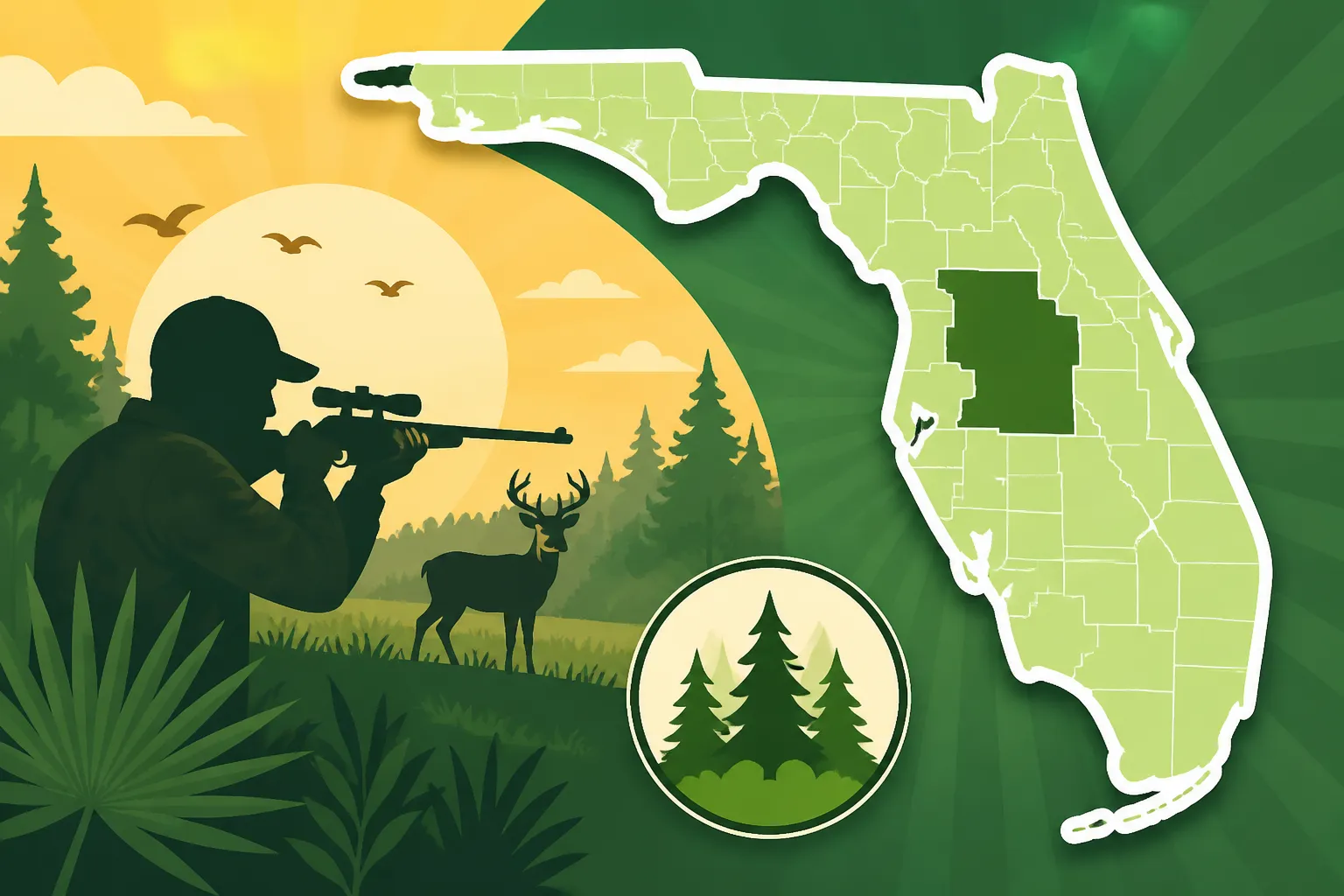
Trying to figure out which Florida county holds the most public land for hunting can feel like searching for a needle in a haystack, especially when so much of our beautiful state is privately owned. It’s a common frustration for hunters, both residents and those visiting, who are looking to maximize their time afield without breaking the bank on private leases. This guide is here to shed some light on the counties that truly stand out in terms of accessible public acreage, helping you pinpoint where your next Florida hunting adventure might begin.
The Scarcity and Value of Public Hunting Ground in Florida
Florida is a diverse state, known for its beaches, theme parks, and sprawling urban areas. But for those of us who love the outdoors and the tradition of hunting, it's also a state with incredibly unique ecosystems that support a wide array of game species. The challenge, however, often lies in finding enough accessible land.
Why Finding Public Land is a Challenge
Unlike some western states where public land seems to stretch endlessly, Florida's landscape is heavily influenced by private ownership, large agricultural operations, and development. This means that hunters often face a daunting task when trying to locate significant tracts of land that are open to the public. You might drive past miles of prime habitat, only to realize it's all behind a "No Trespassing" sign, or managed by a private hunting club with prohibitive fees. This reality can be disheartening, making the quest for viable public hunting ground a core part of any Floridian hunter's annual planning. It's not always about if the game is there, but where you can actually pursue it legally and ethically.
The Hunter's Lifeline: Florida's Public Estate
Despite the challenges, Florida does boast an impressive network of public lands managed by various state and federal agencies. These lands are truly the lifeline for the everyday hunter, providing opportunities for everything from deer and hog hunting to turkey, small game, and waterfowl. These areas often represent the last vestiges of true wild Florida, preserving critical habitats and offering a connection to our hunting heritage. Understanding where these significant public land holdings are concentrated is key to unlocking consistent hunting success and finding those hidden pockets away from the crowds.
Deconstructing Florida's Public Land Holdings
Before we dive into specific counties, it's important to understand the different categories of public land that exist in Florida. Each type comes with its own management style, specific regulations, and often, unique hunting experiences. Familiarizing yourself with these distinctions will help you better navigate the FWC regulations and prepare for your hunt.
National Forests and Preserves
Florida is home to several magnificent National Forests and Preserves, managed by the U.S. Forest Service and National Park Service, respectively. These are often vast, multi-use lands where hunting is permitted under specific regulations. The Ocala National Forest, Apalachicola National Forest, and the vast Big Cypress National Preserve are prime examples. These areas are known for their expansive, often rugged terrain, and can offer a more remote hunting experience compared to some smaller state-managed areas. They frequently encompass a mix of pine flatwoods, swamps, and scrub habitat, supporting a diverse range of game. You'll find deer, hogs, and turkeys in abundance, but be prepared for challenging conditions and often significant distances to cover.
Wildlife Management Areas WMAs
Wildlife Management Areas, or WMAs, are parcels of land specifically managed by the Florida Fish and Wildlife Conservation Commission (FWC) for public hunting and other outdoor recreation. These can range dramatically in size, from smaller tracts to huge wilderness areas. Many WMAs are acquired through partnerships with other agencies or private landowners, specifically to provide hunting access. They are usually subject to quota hunts for certain species or seasons, meaning you might need to apply for a permit well in advance. Understanding the Florida WMA Quota Permit System is crucial for planning any hunt on these popular lands. WMAs are often actively managed through prescribed burns, habitat restoration, and food plot plantings to enhance game populations.
State Forests and Other Public Access Points
Beyond National Forests and WMAs, Florida also manages an extensive network of State Forests. Many of these forests, while primarily managed for timber production, also offer hunting opportunities. Regulations can vary from one State Forest to another, so always check the specific rules for your chosen area. Additionally, there are sometimes smaller public lands, such as water management districts or county-owned lands, that may offer limited hunting access. While these might not contribute as significantly to a county's overall public land acreage, they can still provide valuable local opportunities, especially for small game or waterfowl.
The Frontrunners: Counties Boasting Extensive Public Acreage
When we talk about which Florida county has the most public land, we're really looking for those areas where large swaths of wilderness have been preserved for public use. These tend to be less developed, more rural areas, often in the southern or northern extremes of the state, or those dominated by significant ecological features.
Collier County: The Gateway to the Greater Everglades
Without a doubt, Collier County in Southwest Florida is a colossus when it comes to public hunting land. It's home to a significant portion of the Big Cypress National Preserve, which itself encompasses several vast Wildlife Management Areas like the Big Cypress WMA, Bear Island WMA, and the Okaloacoochee Slough WMA. We're talking hundreds of thousands of acres. This is truly wild, rugged country, characterized by cypress swamps, pine flatwoods, and sawgrass prairies.
Hunting in Collier County's public lands is an adventure in itself. Access often requires specialized vehicles like swamp buggies or ATVs, and navigating the dense, wet terrain demands serious preparation. But for the dedicated hunter, these lands offer unparalleled opportunities for deer, hogs, and even the chance to apply for a Florida black bear permit during designated seasons. The sheer scale means that even during busy seasons, you can often find solitude if you're willing to put in the effort. If you're looking for a truly immersive wilderness experience, Collier County is where you'll find it. For more on this unique region, check out Hunting the Everglades and Big Cypress.
Marion County: Home of the Ocala National Forest
Moving north into the heart of the state, Marion County stands out thanks to the immense Ocala National Forest. This forest covers a significant portion of the county, providing well over a third of a million acres of public hunting ground. The Ocala is famous for its distinct sand pine scrub ecosystem, numerous clear, spring-fed lakes and rivers, and vast pine flatwoods.
Hunters in Marion County's Ocala National Forest can pursue deer, hogs, and various small game. Turkey hunting is also popular, especially during the spring season. What makes Ocala unique is its relatively easy access compared to the deep Everglades, while still offering a genuine big woods experience. You'll find a network of forest roads, but venturing off the beaten path is essential for success. This area can get considerable pressure, particularly on weekends and during opening weeks, so smart scouting and willingness to walk are key. Discover more about this gem in Ocala National Forest Hunting.
Panhandle Powerhouses: Bay, Gulf, and Liberty Counties
While no single Panhandle county dominates quite like Collier or Marion, the combined acreage across several counties in the Florida Panhandle makes this region a powerhouse for public land hunting. Counties like Bay, Gulf, Liberty, Franklin, and Walton benefit from large sections of the Apalachicola National Forest and other state and federal lands.
The Apalachicola National Forest, for example, spans parts of Liberty, Wakulla, Leon, and Franklin counties, offering a vast, continuous block of public land. This habitat typically consists of longleaf pine forests, bottomland hardwoods, and extensive swamps. Hunters can find excellent opportunities for deer, abundant feral hogs, and both Eastern and Osceola turkeys, depending on the specific zone. The hunting experience here often involves navigating dense stands of timber and creek bottoms. For a deeper dive into hunting this region, read Apalachicola National Forest Hunting.
| County | Primary Public Land Holdings | Estimated Public Acres (General) | Primary Game Species | Key Characteristics |
|---|---|---|---|---|
| Collier | Big Cypress National Preserve, Everglades WMAs | ~700,000+ | Deer, Hogs, Turkey, Bear | Vast, wet, rugged, airboat/swamp buggy access |
| Marion | Ocala National Forest | ~380,000+ | Deer, Hogs, Turkey, Small Game | Sand pine scrub, pine flatwoods, spring-fed lakes, accessible |
| Liberty | Apalachicola National Forest (significant portion) | ~150,000+ | Deer, Hogs, Turkey, Small Game | Longleaf pine, bottomlands, swamps, remote feel |
| Bay | Apalachicola National Forest (parts), Northwest FL Water Mgmt | ~100,000+ | Deer, Hogs, Turkey, Waterfowl | Pine forests, coastal influence, varied terrain |
| Gulf | Apalachicola National Forest (parts), St. Joseph Bay State Park | ~80,000+ | Deer, Hogs, Turkey, Waterfowl | Coastal, wetlands, pine, unique ecosystems |
Note: Acreage numbers are approximate and can fluctuate based on ongoing land acquisitions and management boundaries. Always check the latest FWC data for precise figures and specific WMA boundaries.
Maximizing Your Public Land Experience: Tools and Tactics
Finding the county with the most public land is just the first step. To actually have a successful and enjoyable hunt, you need to understand how to effectively use and navigate these areas.
Digital Scouting with Mapping Apps
In today's hunting world, digital mapping apps are indispensable, especially on large tracts of public land. Tools like onX Hunt and GoHunt provide invaluable layers that show public and private land boundaries, topo maps, aerial imagery, and even marked roads and trails. You can pinpoint access points, identify potential bedding and feeding areas, and mark promising spots all from your phone or computer. Before I ever step foot on a new piece of ground, I'm spending hours poring over these maps, identifying pinch points, water sources, and areas that might hold less pressure due to difficult access. Using these apps in conjunction with the Scouting With the Florida FWC App can give you an incredible advantage.
Understanding Regulations and Quota Hunts
Florida's public lands are managed with specific regulations that can vary significantly between WMAs, National Forests, and State Forests. This is why reading the FWC regulations for the specific area you plan to hunt is non-negotiable. Many of the larger, more popular WMAs operate under a quota hunt system, meaning you need to apply for a limited permit in advance. Missing the application window or failing to understand the specific weapon and season dates for a particular WMA can ruin your hunt before it even starts. Always double-check antler restrictions, bag limits, and legal methods of take for your chosen public land.
Boots on the Ground: The Importance of Pre-Season Scouting
While digital scouting is powerful, nothing replaces actual boots on the ground. Before the season opens, make time to visit the public land you plan to hunt. Walk those trails, look for fresh sign, identify likely travel corridors, and get a feel for the terrain. This is especially critical in dense Florida habitats where visibility can be limited. Knowing where a creek runs, how thick a palmetto patch really is, or which oak trees are dropping acorns can be the difference between success and a frustrating day. Taking the time for Scouting Florida Public Land Before Season will pay dividends when the hunting pressure picks up.
More Than Just Acres: The Quality of the Hunt
It's easy to get fixated on the sheer number of acres a county offers, but it's equally important to consider the quality of the hunting experience within those acres. A county might have vast public lands, but if they're all heavily pressured, or consist of marginal habitat for your target species, those acres might not be as valuable as they seem on paper.
Pressure Cooker or Hidden Gem?: Managing Hunter Density
Public land, by its very nature, is open to everyone, which means popular areas can see significant hunter pressure. During opening weekends or prime rutting periods, some public land areas can feel almost as crowded as a theme park parking lot. This pressure can make deer more nocturnal, turkeys warier, and hogs more elusive. The challenge then becomes finding those pockets that others overlook. This often means walking further, penetrating thicker cover, or hunting mid-week when fewer people are out. Understanding Hunting Pressure on Florida Public Land is key to developing strategies that give you an edge. Sometimes, a smaller, less-known piece of public land in a different county, with less pressure, can yield better results than a giant tract that everybody knows about.
Diverse Habitats, Diverse Game
The quality of public land also relates directly to its habitat and the game species it supports. A massive cypress swamp in Collier County might be fantastic for hogs and a specific type of deer hunting, but less ideal for someone looking to call in an Osceola turkey. Conversely, the pine flatwoods and oak hammocks of the Ocala National Forest offer excellent opportunities for White-Tailed Deer Across Florida and Osceola Turkeys in Peninsular Florida.
If your primary goal is Feral Hogs Across Florida, then areas with dense cover and wetland features, common in many high-acreage counties, will be productive. For Florida Waterfowl and Dove, you'll need public lands with open fields for dove or wetlands/marshes for ducks, which might not always align with the "most acres" counties but can be found in strategic locations within them. Always consider the specific habitat types within the public land of a given county and how those habitats support the game you are pursuing.
Disclaimer
This article is for general informational purposes only and does not constitute professional advice. Laws, prices and regulations vary by location and change over time. Consult a qualified professional for guidance on your specific situation.