Camping Rules on Florida National Forest Land
There’s nothing quite like the dream of waking up in the heart of Florida’s wilderness, stepping out of your tent, and heading straight into the woods for a morning hunt. The allure of combining camping with your hunting adventure on our beautiful National Forest land is powerful, offering a truly immersive experience. However, the excitement can quickly turn to frustration if you're not clear on the specific camping rules and regulations that govern these unique public spaces. This guide is here to untangle the complexities, ensuring you understand exactly what’s expected when you set up your camp in Florida’s National Forests, allowing you to focus on the hunt and soak in the natural beauty responsibly.
Understanding the Basics: Dispersed vs. Developed Camping in Florida National Forests
When planning a camping trip on Florida National Forest land, the very first distinction you need to wrap your head around is the difference between "dispersed camping" and "developed camping." These aren't just fancy terms; they dictate where you can set up, what amenities you'll have, and the rules you'll need to follow. Many hunters, myself included, often gravitate towards one over the other based on the type of hunt and the level of comfort desired.
What is Dispersed Camping?
Think of dispersed camping as the ultimate "roughing it" experience. This is where you set up your camp outside of designated campgrounds, often in more remote, undeveloped areas. There are no picnic tables, no fire rings (unless you create a safe, temporary one following guidelines), and definitely no restrooms or running water. It's just you, your gear, and the wilderness.
The beauty of dispersed camping, especially for hunters, is the freedom and the ability to be incredibly close to your hunting grounds. Imagine rolling out of your sleeping bag just minutes before legal shooting light, already deep in the woods. It cuts down on travel time in the dark, allows for quieter entry into your stand, and truly immerses you in the natural rhythm of the forest. However, this freedom comes with significant responsibility. You are entirely self-sufficient and must adhere to strict "Leave No Trace" principles. This means packing out everything you pack in, including all trash and waste. You’ll also need to be mindful of specific regulations regarding how close you can camp to water sources, roads, and established trails. Using a mapping application like onX Hunt can be incredibly helpful here, as it allows you to see forest boundaries, roads, and water features, helping you plot a legal and strategic campsite.
Developed Campgrounds and Their Perks
On the flip side, developed campgrounds offer a more structured and amenity-rich experience. These are the traditional campsites with designated spots, often featuring a picnic table, a fire ring, and sometimes even a grill. Many developed campgrounds in Florida National Forests also provide access to vault toilets or flush restrooms, potable water spigots, and in some cases, even showers.
For hunters who might be bringing family along, or those who simply prefer a few creature comforts after a long day in the woods, developed campgrounds are a fantastic option. They offer a sense of security, often have camp hosts, and provide a convenient base camp. The downside, however, is that you're usually further removed from prime hunting areas, requiring a drive or a longer walk to reach your preferred spots. You'll also typically pay a fee for these sites, and reservations are often necessary, especially during peak hunting seasons or holidays. While developed sites offer more convenience, it's still crucial to be a good neighbor, keep noise levels down, and respect the privacy of other campers – especially those who might be trying to get an early start for their hunt.
Navigating Specific Rules for Dispersed Camping in Florida's National Forests
While the general principles of dispersed camping apply across all National Forests, there are always nuances and specific regulations that might differ slightly or be emphasized more in particular areas. Florida's National Forests, including Ocala, Apalachicola, and Osceola, each offer unique landscapes and, consequently, a few specific considerations for campers.
Ocala National Forest: Rules and Realities
Ocala National Forest, known for its pristine springs and vast expanses of sand pine scrub, is a popular destination for hunters and campers alike. When it comes to dispersed camping here, the general rule of thumb is to set up camp at least 200 feet from any paved or numbered forest road, designated recreation site, or water body. This distance helps protect sensitive ecosystems, maintain water quality, and ensure privacy for both campers and other forest users.
Stay limits are also a key factor; typically, you're allowed to camp in one spot for a maximum of 14 days within any 30-day period. This prevents long-term residency and helps distribute recreational impact. Fire regulations are critical, too. While campfires are often permitted in dispersed sites (unless there's a temporary fire ban due to dry conditions), they must be contained in a fire ring, never left unattended, and completely extinguished before you leave. Gathering downed wood for personal campfire use is generally allowed, but cutting live trees or branches is strictly prohibited. For hunters eyeing specific zones, knowing the forest roads and water features is paramount. Ocala National Forest Hunting offers further insights into the hunting opportunities here. Using a detailed mapping tool like onX Hunt can overlay these restrictions on a topographic map, helping you pinpoint compliant and effective camping locations.
Apalachicola and Osceola National Forests: What to Expect
Moving west to Apalachicola National Forest, with its cypress swamps and longleaf pine forests, and north to Osceola National Forest, characterized by its flatwoods and river systems, you'll find similar dispersed camping regulations to Ocala. The "Leave No Trace" philosophy is heavily emphasized throughout all Florida National Forests. This isn't just a suggestion; it's a critical practice for preserving these wild spaces.
Vehicle access for dispersed camping in these areas is generally restricted to designated forest roads. Driving off-road to set up camp is usually forbidden to prevent habitat destruction and erosion. Always look for established pull-offs or existing primitive clearings that show signs of previous responsible use. Food storage is another critical aspect, especially given Florida's robust wildlife populations, including black bears and feral hogs. While bear canisters might not be mandated everywhere like in some Western states, storing food in a secure, odor-proof container, or hanging it from a tree away from your tent, is just smart practice to prevent unwelcome visitors. Information about Apalachicola National Forest Hunting and Osceola National Forest Hunting can guide your choices. Remember that even though you're in a remote setting, respecting the environment by burying human waste at least 200 feet from water sources and packing out all trash is non-negotiable. Checking the U.S. Forest Service website for the specific forest you plan to visit can often provide hyper-local, up-to-date information on any unique closures or restrictions. A tool like GoHunt can also provide helpful planning resources and access details for specific areas within these forests.
Firewood and Campfire Regulations
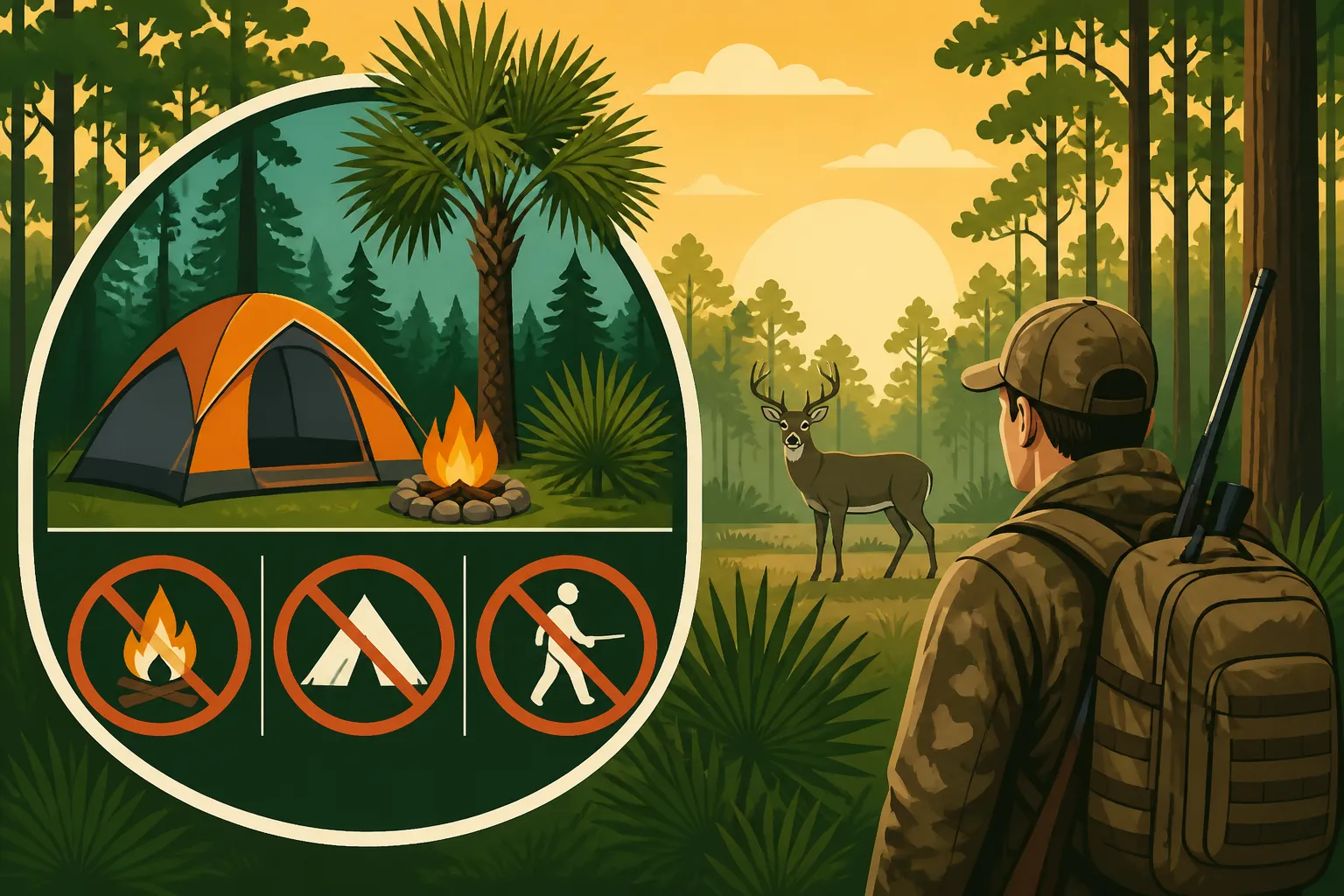
The crackle and warmth of a campfire are iconic parts of the camping experience, especially after a long day of hunting. However, campfires in Florida's National Forests come with important rules that are crucial for safety and resource protection.
First and foremost, always check for current fire restrictions or bans before you even think about lighting a match. Florida can experience prolonged dry spells, especially during certain times of the year, making wildfires a serious threat. These bans are typically posted on the Forest Service website or at forest entrances. When fires are permitted, they must be built in a safe, cleared area, away from overhanging branches, dry grass, or other flammable materials. Ideally, use an existing fire ring if one is present, or create a small, temporary one using rocks. The key is never to leave a campfire unattended. Even if you're just stepping away for a moment, the unexpected gust of wind could spell disaster. Before you go to sleep or leave your campsite, ensure the fire is dead out. This means drowning it with water, stirring the ashes, and then adding more water until everything is cold to the touch.
Regarding firewood, you're generally allowed to collect dead and downed wood for personal campfire use within the National Forest boundaries. This means fallen branches, twigs, and logs that are already on the ground. However, cutting down live trees or even breaking branches off standing dead trees is strictly prohibited. Such actions damage the forest ecosystem and are subject to fines. If you bring your own firewood, it's always best to source it locally to avoid introducing invasive pests and diseases that can devastate forest health.
| Camping Type | Typical Amenities | Cost | Access to Hunting Grounds | Solitude Level | Best For |
|---|---|---|---|---|---|
| Dispersed Camping | None (primitive) | Free | Excellent (on-site) | High | Immersive, hardcore hunters; self-sufficient |
| Developed Campgrounds | Restrooms, water, picnic tables, fire rings | Fee-based | Good (short drive/walk) | Moderate | Hunters with families; comfort-seekers |
Essential Gear and Practices for a Successful Hunting and Camping Trip
Hunting and camping in Florida's National Forests require more than just knowing the rules; it demands careful preparation and the right mindset. Our unique subtropical climate and diverse wildlife present specific challenges and opportunities that you'll want to be ready for.
Packing the Right Camping Gear for Florida's Climate
Florida weather can be notoriously fickle, swinging from hot and humid to surprisingly chilly, sometimes all in the same day. Your gear needs to be versatile. A high-quality, well-ventilated tent is paramount. Look for one with good rainfly coverage, as sudden afternoon thunderstorms are a staple of the Florida experience, especially during hunting seasons. Proper ventilation is also key to preventing condensation and making hot nights bearable.
Your sleeping system should be adaptable. While you might expect warm nights, a cold front can drop temperatures quickly, particularly in late fall and winter. A sleeping bag rated for cooler temperatures, or a layering system (like a light bag with a blanket), offers flexibility. Don't forget a comfortable sleeping pad; Florida's ground can be hard and unforgiving. When it comes to cooking, a portable stove is highly recommended. Not only is it often more convenient than building a fire, but it's also your only option during fire bans. Critter-proof food storage is a must. Raccoons, opossums, and even bears (especially in the Ocala and Apalachicola areas) are opportunistic and drawn to food scents. Hard-sided coolers with sturdy latches, or bear bags hung properly, are essential. Finally, reliable navigation tools are non-negotiable. While your phone with onX Hunt is a fantastic resource for Scouting Florida Public Land Before Season and showing property lines, always carry a physical map and compass as a backup, especially in areas with spotty cell service. A headlamp or flashlight, extra batteries, and a first-aid kit round out the essentials.
Leave No Trace Principles in Action
"Leave No Trace" isn't just a catchy phrase; it's a set of ethical guidelines crucial for preserving the wild beauty of our National Forests. When you're dispersed camping, you become the steward of your immediate environment.
- Plan Ahead and Prepare: Research the area, weather, and regulations (like those for Vehicle Rules on Florida Public Land). Pack appropriate gear and minimize waste by repackaging food.
- Travel and Camp on Durable Surfaces: Stick to existing roads, trails, and established campsites. When dispersed camping, choose a spot where your impact will be minimal – dry ground, not fragile vegetation. Avoid creating new clearings.
- Dispose of Waste Properly: This means packing out all trash, including food scraps, toilet paper, and even biodegradable items like orange peels. Bury human waste in a cat hole 6-8 inches deep, at least 200 feet from water, camp, and trails.
- Leave What You Find: Don't take natural objects or alter the landscape. Appreciate artifacts and natural features without disturbing them.
- Minimize Campfire Impacts: As discussed earlier, use existing fire rings or create small, contained fires. Ensure fires are completely extinguished.
- Respect Wildlife: Observe wildlife from a distance. Never feed animals, as it habituates them to humans and can lead to dangerous encounters. Store food securely. This is especially important if you're hunting Year-Round Hog Hunting in Florida, as hogs are curious and often bold.
- Be Considerate of Other Visitors: Keep noise levels down, especially during early morning and late evening hours when other hunters or nature enthusiasts are out. Respect privacy and share trails.
Safety Considerations in the Florida Wilds
Florida's natural environment is stunning, but it also demands respect and vigilance when it comes to safety. Wildlife encounters are a real possibility. While black bears are generally shy, they can be dangerous if startled or attracted to food. Feral hogs can also be aggressive, especially sows with piglets. Always be aware of your surroundings, make noise when walking through dense brush, and know how to react if you encounter wildlife. Snakes, including venomous species like rattlesnakes and cottonmouths, are also present, so always watch your step, especially in tall grass or around fallen logs.
The insect population in Florida can be relentless. Mosquitoes, ticks, and chiggers are common, particularly in warmer months and around water. Pack and use insect repellent containing DEET or picaridin, and consider permethrin-treated clothing. Check yourself thoroughly for ticks after every outing. Weather is another significant factor. Summers bring intense heat and humidity, which can lead to heat exhaustion or stroke. Stay hydrated and avoid strenuous activity during the hottest parts of the day. Sudden, severe thunderstorms with lightning can also roll in quickly, so always keep an eye on the sky and have a plan for seeking shelter. Finally, always let someone know your itinerary – where you're going, when you expect to return, and who to contact if you don't check in. Cell service can be spotty in remote National Forest areas, so a satellite communication device can be a lifesaver.
Integrating Camping with Your Hunting Strategy
For many of us, camping isn't just a place to sleep; it's an integral part of the overall hunting strategy, especially when pursuing game deep within Florida's National Forests. Thoughtful campsite selection and responsible game management can significantly improve your chances of a successful and enjoyable hunt.
Strategic Campsite Selection for Hunters
When you're hunting public land in Florida, your campsite location can make or break your hunt. The primary goal for a hunter is to minimize travel time to your stand or still-hunting route, allowing for quiet, early morning entry. This means finding a legal dispersed camping spot as close as possible to where you intend to hunt. However, you must maintain the required distances from forest roads, water sources, and any developed recreation areas.
Consider concealment. While you don't need to be invisible, tucking your camp into a patch of hardwoods or a slightly elevated area can help you feel more secure and less exposed, especially during hunting season when other forest users might be around. Access points are crucial too. Can you park your vehicle safely and legally nearby? Is the walk from your camp to your hunting spot manageable, particularly in the dark before dawn? Use your mapping tools, like onX Hunt, to identify potential camping areas that fit these criteria, looking for small clearings or natural breaks in the topography. Also, think about the wind direction in relation to your camp and hunting area – you don't want your campfire or cooking smells drifting directly into the deer's bedding area. Remember, while you might be deep in the woods, regulations regarding items like Treestand Rules on Florida Public Land and Ground Blind Rules on Florida WMAs still apply, so ensure your hunting setup is also compliant.
Managing Game at Camp
Once you've harvested an animal, responsible game management at camp becomes paramount, especially in Florida's warm climate. Field dressing should ideally happen as quickly as possible and away from your main camp, water sources, and active trails. This helps to cool the carcass faster, minimize scent near your living area, and prevent attracting unwanted scavengers.
Meat care is critical. Florida's heat means venison can spoil rapidly. Have a plan for getting the meat on ice quickly, preferably in a quality cooler, immediately after field dressing. If you're camping for multiple days, you might need to make a trip out to replenish ice or transport the meat to a processing facility. Research local processors before your trip. Dealing with hides and offal requires careful consideration. Never leave them exposed at your campsite. Bury them deeply and far away from camp, roads, and water sources, or double-bag them and take them to an appropriate disposal site. This prevents attracting predators and maintaining a clean, respectful campsite for yourself and future visitors. For species like hogs, where you might be harvesting multiple animals, this planning becomes even more important.
Respecting Fellow Hunters and Other Users
Florida's National Forests are multi-use areas, meaning hunters share these spaces with hikers, bird watchers, photographers, and other campers. During hunting season, particularly, it's essential to be a good neighbor and ambassador for the hunting community.
Keep noise levels to a minimum, especially during those crucial pre-dawn and post-dusk hours. Running generators loudly, playing music, or having boisterous conversations can disturb wildlife and other forest users. Be mindful of your camp's visibility. While you want to be close to your hunting area, avoid setting up camp directly adjacent to another hunter's preferred access point or obvious trail. Always wear appropriate Florida Blaze Orange Requirements when moving around during gun season, even when just walking to and from your camp. The golden rule is to share the resource responsibly. A friendly nod, a wave, or a quiet greeting goes a long way in fostering good relations and ensuring everyone can enjoy Florida's incredible public lands. For general planning, resources like Public Hunting Land in Florida can help you understand the broader landscape of shared spaces.
Disclaimer
This article is for general informational purposes only and does not constitute professional advice. Laws, prices and regulations vary by location and change over time. Consult a qualified professional for guidance on your specific situation.