Glades County Public Hunting Ground
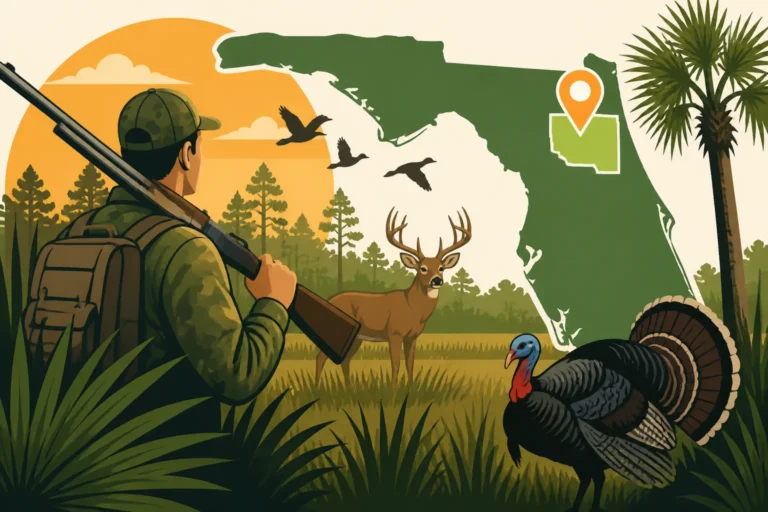
Finding good information about public hunting opportunities in some of Florida's lesser-known counties, like Glades County, can sometimes feel like trying to track a mature buck through a cypress swamp without a compass. It's frustrating to know there's potential, but not quite know where to start or what to expect. This guide is here to cut through the palmettos and give you a clear picture of what hunting public ground in Glades County really entails, helping you prepare for a successful and enjoyable experience in this unique part of the Sunshine State.
Understanding Glades County's Unique Landscape for Hunters
Glades County, nestled in the heart of South Florida, offers a truly distinctive hunting experience. It's not your typical pine forest landscape; instead, you'll find a tapestry of habitats influenced heavily by its proximity to Lake Okeechobee, the state's largest freshwater lake. This unique blend creates a challenging yet rewarding environment for hunters willing to adapt to its characteristics.
Geographic Features and Habitat Types
The terrain in Glades County is generally flat, but don't let that fool you into thinking it's easy going. The landscape is a rich mosaic of wet prairies, dense palmetto flatwoods, expansive cypress swamps, and occasional pine islands. You'll also encounter agricultural lands bordering public areas, like vast cattle ranches and sugarcane fields, which significantly influence game movement. The constant presence of water, whether it's seasonal sheet flow across prairies or permanent sloughs and ponds, is a defining feature. This means that while you might be walking through dry palmettos one minute, you could be wading through knee-deep water the next. This habitat diversity directly impacts the game you'll find, from deer and hogs that utilize the drier hammock islands and palmetto edges, to various waterfowl species that thrive in the abundant wetlands.
Primary Public Hunting Areas in Glades County
When we talk about public hunting ground in Glades County, our minds immediately turn to specific Wildlife Management Areas (WMAs) that offer access. The most prominent example, and often the primary focus for hunters in this region, is the Lake Okeechobee Public Use Area. This area, managed by the Florida Fish and Wildlife Conservation Commission (FWC), provides access to the fringes of the immense lake, offering unique waterfowl and hog hunting opportunities. Additionally, portions of Fisheating Creek WMA, while mostly in adjacent Highlands and Collier counties, can be critically important for hunters looking at the broader Glades County region, as its extensive lands and diverse habitats offer significant potential. These WMAs typically have specific regulations, including quota hunts for certain species and designated access points. It's not a free-for-all; you'll need to study the WMA regulations brochure carefully before heading out. Understanding where the access points are, what types of vehicles are allowed, and if any special permits (beyond your standard The Florida WMA Management Area Permit) are required is absolutely essential to avoid a frustrating day or, worse, a citation.
Game Species and Hunting Opportunities
Glades County's varied landscape supports a healthy population of several desirable game species, offering a diverse hunting experience that can range from pursuing elusive deer to battling tenacious feral hogs, and even seeking out migratory birds.
Deer Hunting in Glades County
Deer hunting in Glades County presents a fascinating challenge. While the deer here, like many in South Florida, might not boast the massive antlers often seen further north, they are tough, wily animals perfectly adapted to their dense, swampy environment. You'll likely be hunting in Florida's Zone D, which typically sees the rut peak later in the year compared to more northern zones. Why South Florida Deer Run Smaller is a common question, and it often comes down to genetics, diet, and the dense, hot habitat which doesn't always support large-bodied, heavy-antlered deer as readily as other regions. The key to success often lies in understanding their movement patterns through the thick cover, along sloughs, and between cypress heads. Don't expect wide-open clear-cuts; this is tight quarters hunting where patience and keen observation skills pay off. Hunters often focus on natural funnels, small dry islands within swamps, or edges where habitat types meet, especially those bordering agricultural fields that provide supplemental forage.
Feral Hogs and Other Game
If there's one species that truly thrives in Glades County, it's the feral hog. These animals are abundant and provide incredible year-round hunting opportunities with no bag limit on private lands, and often very liberal regulations on public lands. Year-Round Hog Hunting in Florida is a huge draw for many, and Glades County does not disappoint. Hogs are masters of using the dense palmetto thickets and cypress swamps for cover, often rooting up vast areas of wet prairie. Their omnipresence means that even if deer hunting is slow, you often have a chance at a hog. Beyond hogs, the proximity to Lake Okeechobee makes this area a haven for waterfowl during migration, with diverse duck species utilizing the lake's vast marshes and feeder creeks. Small game like rabbits and squirrels can also be found in the drier hammocks and forested edges, providing additional opportunities, especially when deer or hog activity is low. Always consult the FWC regulations for specific season dates and bag limits for each species in the particular WMA you plan to hunt.
Navigating Public Land Challenges in Glades County
Hunting public land anywhere brings its own set of hurdles, but Glades County's unique environment adds a few extra layers of complexity. From challenging terrain to understanding specific regulations, being prepared is your best defense against frustration.
Access and Terrain Difficulties
One of the biggest hurdles you'll face in Glades County's public hunting areas is the sheer difficulty of access and the challenging terrain itself. Many areas, especially after significant rainfall, can become incredibly wet and boggy. This isn't just about mud; it can mean navigating through standing water, over cypress knees, and around thick, nearly impenetrable vegetation. Vehicles might be restricted to specific graded roads, leaving vast tracts accessible only on foot, or in some cases, with specialized equipment like airboats or ATVs where permitted. Walking miles through dense palmetto or wading through mucky sloughs is physically demanding. You must come prepared with sturdy, waterproof footwear – think knee boots or even chest waders in certain seasons. Navigation is another critical concern. With dense cover and often featureless terrain, it's easy to get disoriented. This is where tools like onX Hunt truly shine. Using its satellite imagery and GPS capabilities to mark your truck, your stand locations, and potential game sign can be a lifesaver, especially when Reading Aerial Photos for Florida Deer to pinpoint those subtle features that act as natural funnels. Don't rely solely on cell service, as it can be spotty; download your maps for offline use.
Regulations, Permits, and Scouting
Every WMA in Florida has its own specific set of rules, and Glades County's public lands are no exception. It's not enough to simply have a general hunting license; you'll often need a WMA permit, and for many big game opportunities, specific quota permits obtained through a lottery system. Missing an application deadline or misunderstanding a particular rule for your chosen WMA can completely derail your hunt. The FWC website is your best friend here, providing detailed brochures for each WMA, outlining season dates, legal methods, bag limits, and any special restrictions. Florida WMA Quota Permit System means you often need to plan months in advance, so don't wait until the last minute. Beyond permits, pre-season scouting is absolutely paramount. Glades County terrain is dynamic; water levels change, vegetation grows, and game patterns shift. A spot that was hot last year might be dry and devoid of sign this year. Spending time before the season opens, either physically walking the area or meticulously studying maps with tools like GoHunt, can provide invaluable insight. Look for game trails, bedding areas, water sources, and especially rub or scrape lines along sand roads or hammock edges. Scouting Florida Public Land Before Season isn't just a suggestion; it's a requirement for success in these challenging environments.
Essential Gear and Tactics for Glades County Public Land
Heading into the wild expanses of Glades County's public lands requires more than just your firearm or bow. The unique environment demands specialized gear and adaptable tactics to navigate the challenges and maximize your chances of success.
Must-Have Gear for the Swamps and Flatwoods
When packing for a Glades County hunt, durability and functionality are key. First and foremost, invest in high-quality, waterproof boots, preferably knee-high or even chest waders if you plan on venturing into deeper wetlands. You will encounter water, mud, and often sharp palmetto fronds. Next, insect repellent is non-negotiable; Florida's mosquitoes and other biting insects can be relentless, especially in humid, swampy conditions. A reliable GPS unit or a smartphone with a robust hunting app like onX Hunt, loaded with offline maps, is critical for navigation and safety in the dense, often disorienting terrain. You'll want a lightweight, portable stand or a comfortable ground blind. The dense cover often lends itself well to Using a Ground Blind on Florida Public Land, allowing you to set up quickly and conceal yourself effectively in the thick vegetation without the need for large, heavy climbing stands. Pack plenty of water, high-energy snacks, a first-aid kit, and a headlamp for early mornings or late evenings. Sunscreen and lightweight, breathable clothing in camo patterns are also essential for staying comfortable in Florida's persistent heat and humidity.
| Gear Item | Why It's Essential in Glades County | Key Considerations |
|---|---|---|
| Waterproof Boots | Navigate swamps, wet prairies, and muddy trails. Protect against snakes. | Knee-high or chest waders recommended. Durable, comfortable for long walks. |
| Insect Repellent | Mosquitoes, ticks, and other biting insects are prevalent year-round. | High DEET content or permethrin-treated clothing. |
| GPS/Hunting App | Critical for navigation in dense, often featureless terrain; marking waypoints (truck, stand, sign). | Download offline maps. Reliable battery life or portable charger. |
| Ground Blind/Lightweight Stand | Excellent concealment in thick palmetto and cypress. Versatile for adapting to changing conditions. | Portable, quick to set up. Mesh windows for visibility. |
| Water & Hydration | Florida's heat and humidity cause rapid dehydration, even in cooler months. | Carry more than you think you need. Electrolyte packets. |
| First-Aid Kit | Minor cuts, scrapes, snake bites (unlikely but possible), blisters are common in rough terrain. | Include mole skin, antiseptic wipes, pain relievers. |
| Headlamp | Crucial for navigating in the dark before dawn or after dusk. | Red light option preserves night vision. |
| Sunscreen & Hat | Protection from intense Florida sun, even on cloudy days or in dense cover. | High SPF, wide-brimmed hat. |
Effective Hunting Strategies
Hunting Glades County's public land demands a flexible and adaptive approach. Still-Hunting Florida Palmetto Flatwoods is often a highly effective tactic, moving slowly and deliberately through the dense cover, pausing frequently to scan for movement or listen for the subtle sounds of game. Focus on edges where palmetto meets cypress, or where dry ground transitions into wetlands, as these are natural travel corridors. Look for game sign like tracks, rubs, and fresh hog rootings around water sources or transitional zones. During the warmer months, especially for hogs, focus on early mornings and late evenings, or even after a cold front. Hot-Weather Sitting Strategy in Florida means being patient and understanding that deer and hogs will move less during the heat of the day, seeking cool, shaded bedding areas deep within the thick stuff. Positioning yourself on a funnel leading to or from these bedding areas can be productive. Consider using scent control diligently, as the still, humid air can hold human odors for a long time. Calls can be effective, especially grunts or squeals for hogs, or subtle doe bleats for deer, but remember that close quarters often mean less room for error. Ultimately, success here comes from patience, persistence, and a willingness to embrace the unique, wild character of Glades County.
Disclaimer
This article is for general informational purposes only and does not constitute professional advice. Laws, prices and regulations vary by location and change over time. Consult a qualified professional for guidance on your specific situation.