Palm Beach County Public Land Access
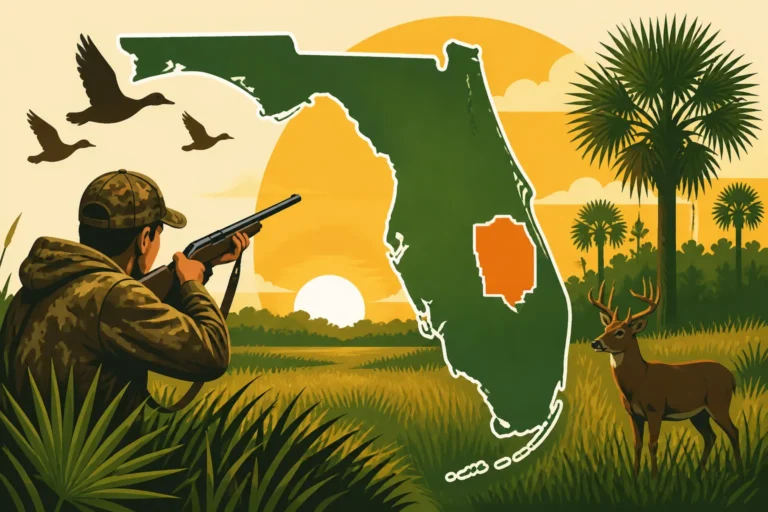
Hunting in South Florida, especially in a bustling area like Palm Beach County, can feel like trying to find a needle in a haystack. You might be surrounded by sprawling developments and wonder if there's any truly wild ground left to pursue game. But don't let the urban landscape fool you; while it requires a bit more savvy and research, there are indeed public land opportunities available, and this guide will help you uncover them and navigate the unique challenges of hunting in this part of our beautiful state.
Understanding the Challenges of Hunting Public Land in Palm Beach County
Let's be honest, when most folks picture Florida hunting, they often envision the vast pine forests of the Panhandle or the expansive cattle ranches of Central Florida. Palm Beach County, with its vibrant cities, bustling coastlines, and well-manicured communities, doesn't immediately scream "prime hunting country." This perception, while understandable, often overlooks the significant pockets of wilderness that still exist, often right under our noses.
The Perception Versus Reality of South Florida Hunting
It’s easy to dismiss Palm Beach County as solely an urban or suburban landscape, a place where the wild has been completely tamed. And for much of the county, that's certainly true. Miles of concrete, golf courses, and meticulously planned neighborhoods dominate the scenery. However, peel back a few layers on a detailed map, and you'll quickly discover that substantial tracts of public land, primarily managed as Wildlife Management Areas (WMAs), are preserved within or adjacent to this seemingly developed region. These areas serve as crucial wildlife corridors and habitat, and yes, many of them are open to hunting.
The reality is that South Florida hunting, particularly close to major population centers, offers a unique blend of convenience and challenge. You might find yourself driving past subdivisions and strip malls only to turn down a dirt road that quickly plunges you into dense saw palmetto, cypress swamps, or pine flatwoods. The game animals here, from deer to hogs and various waterfowl, have adapted to thrive in these often-fragmented landscapes, providing a challenging yet rewarding experience for the dedicated hunter. It’s not your grandfather's deep woods hunt, but it’s hunting all the same, and it can be incredibly fulfilling to connect with nature so close to civilization.
Navigating Development and Access Restrictions
One of the biggest frustrations when looking for public land in Palm Beach County is often just finding how to get to it, and what the rules are once you're there. Urban sprawl doesn't just reduce habitat; it can complicate access to what remains. You might find public land tracts bordered by private property, making entry points few and far between, or accessible only via specific, sometimes unmarked, roads. This isn't like walking into a national forest with dozens of entry points; here, you often have to work to find your way in.
Furthermore, the proximity to a large population means these public lands, while offering opportunity, often experience significant pressure from various user groups – not just hunters. This necessitates strict regulations to manage wildlife populations and ensure safety for everyone. You'll often encounter specific parking areas, designated trails, and highly regulated hunting seasons, sometimes requiring special quota permits. Understanding these limitations and adhering to them is paramount. Using detailed mapping resources, like what onX Layers for Florida Land Status offers, becomes absolutely critical for identifying precise boundaries, public access points, and avoiding accidental trespass. Without careful planning and strict adherence to rules, you can quickly find yourself in a tricky situation, which is the last thing any of us want when we're trying to enjoy the outdoors.
Key Public Hunting Opportunities in Palm Beach County
While Palm Beach County might not boast the sheer acreage of public hunting land found in more rural parts of Florida, it does offer some fantastic opportunities, primarily through its network of Wildlife Management Areas (WMAs). These areas are managed specifically for wildlife and public recreation, including hunting. The key is knowing which ones are accessible and what they offer.
Specific Wildlife Management Areas and Their Offerings
For hunters in Palm Beach County, the most prominent and accessible public hunting lands fall under the umbrella of the Everglades and Francis S. Taylor Wildlife Management Areas (WMA), often with specific units. Two of the most notable in or near Palm Beach County itself are the J.W. Corbett WMA and parts of the expansive Everglades WMA system.
J.W. Corbett Wildlife Management Area:
This WMA, located in the western part of Palm Beach County, is a true gem. It spans over 60,000 acres and provides a diverse range of habitats, from cypress swamps and wet prairies to pine flatwoods and palmetto scrub. Corbett is well-known for its healthy populations of white-tailed deer, feral hogs, and a variety of small game. Turkey hunting can also be good for those willing to put in the scouting time. Given its proximity to major population centers, it's a popular spot, so don't expect to have it entirely to yourself. However, its vastness means that if you're willing to walk a bit, you can often find solitude and untouched areas. Many hunters target deer during the archery, muzzleloader, and general gun seasons, while hogs offer year-round opportunities. Knowing the boundaries and access points, and understanding the specific rules for J.W. Corbett Wildlife Management Area, is crucial before you head out.
Everglades and Francis S. Taylor Wildlife Management Areas (Various Units):
While the sheer size of the Everglades WMA system is staggering, specific units may be more readily accessible from Palm Beach County. Areas like Holey Land WMA and Rotenberger WMA, though technically in neighboring counties, are often considered by Palm Beach hunters due to their relative proximity and similar habitat types. These vast, wet, and often challenging landscapes are famous for their healthy populations of deer and an abundance of feral hogs. Waterfowl hunting can also be exceptional in these marshy environments, especially for species like mottled ducks and various teal. Access to these areas sometimes involves airboats, particularly for deeper reaches, adding an element of adventure. It's truly a unique experience to hunt in the "River of Grass," but it demands careful preparation and knowledge of the terrain and regulations. The Everglades Wildlife Management Area Access is a beast to understand, but deeply rewarding for those who commit.
| WMA Name | Primary Game Species | Habitat Types | Special Considerations |
|---|---|---|---|
| J.W. Corbett WMA | Deer, Hogs, Small Game, Turkey | Pine Flatwoods, Cypress Swamp, Wet Prairie | Quota hunts for deer/turkey, year-round hog hunting. |
| Holey Land WMA | Deer, Hogs, Waterfowl | Wet Prairie, Marsh, Sawgrass | Often requires airboat access, challenging terrain. |
| Rotenberger WMA | Deer, Hogs, Waterfowl | Sawgrass Marsh, Wet Prairie, Tree Islands | Very wet, airboat often necessary, dense cover. |
It's absolutely essential to remember that most, if not all, of these WMAs require a The Florida WMA Management Area Permit in addition to your standard Florida hunting license. Some seasons, especially for deer and turkey, will also require a specific quota permit, which you apply for through a lottery system. Don't show up without doing your homework; the FWC website is your best friend for up-to-date regulations and permit information.
Seasonal Considerations and Permit Applications
Hunting in Palm Beach County's public lands isn't just about showing up with your gear; it's heavily dictated by seasons and the FWC's quota permit system. Florida's deer seasons vary significantly by zone, and Palm Beach County falls primarily within Zone A, which means specific archery, muzzleloader, and general gun dates. You’ll want to consult the FWC regulations guide or map out Florida's Four Deer Management Zones Explained to be certain of the dates for your target species and area.
For popular game like deer and turkey, public land hunting in WMAs often operates on a quota system. This means only a limited number of hunters are allowed into a specific area during a given hunt period to reduce pressure and ensure a quality experience. Applying for these quota permits is a lottery, and the application windows are specific and non-negotiable. Missing the application period means missing the opportunity for that season. While some WMAs might have "walk-in" opportunities or daily permits, the most sought-after hunts almost always require a successful quota draw.
Hogs, on the other hand, are often treated differently. Year-Round Hog Hunting in Florida is permitted in many areas, and on some WMAs, you can hunt them without a quota permit during certain times or with a daily use permit. This provides a fantastic opportunity to get out and scout or simply enjoy a hunt when other seasons are closed. Make sure to double-check the specific WMA regulations for hog hunting, as rules can vary regarding weapons, times of day, and areas open to hunting. Always remember that even for hogs, you typically need your base hunting license and the WMA permit.
Strategic Approaches to Hunting Public Land in Palm Beach County
Hunting public land successfully, especially in an area like Palm Beach County where tracts can be smaller and pressure higher, requires a strategic mindset. It’s not just about walking into the woods; it’s about smart preparation and adaptation.
Using Mapping Tools for Success
In a region where property lines can be intricate and public land access points limited, digital mapping tools are no longer a luxury—they are an absolute necessity. Forget the old paper maps unless they're your backup; modern GPS apps provide a level of detail and accuracy that can be the difference between a successful hunt and a frustrating, lost experience.
Applications like onX Hunt are invaluable resources for hunters in Florida. They allow you to overlay property boundaries onto satellite imagery, showing you exactly where public land ends and private property begins. This is critical for avoiding trespass, especially when the landscape can blend seamlessly from one ownership type to another. You can also identify potential access points, parking areas, and internal trail systems, many of which might not be obvious from the road. The detailed topographic features, even in relatively flat Florida, can reveal subtle elevation changes, sloughs, and drainage patterns that deer and hogs use for travel. onX Layers for Florida Land Status can even show you prescribed burn units, timber cuts, and other habitat management areas that might concentrate game.
Similarly, other platforms, such as GoHunt, offer valuable mapping and scouting features that help you analyze terrain and pinpoint potential hotspots from the comfort of your home. Before you even set foot in the woods, you can scout virtually, looking for pinch points, cover transitions, water sources, and areas less likely to be pressured. Mark potential stand locations, entry and exit routes, and even identify areas that might hold water after a heavy rain, influencing game movement. This pre-scouting with technology saves time, effort, and significantly increases your chances of success once you're on the ground. The FWC also provides resources like the Using the FWC Public Hunting Map, which, while maybe not as feature-rich as commercial apps, is essential for understanding WMA-specific rules and boundaries.
Scouting and Adaptation for Smaller Tracts
Hunting smaller, often linear or irregularly shaped public land parcels means your scouting efforts need to be precise and your hunting tactics adaptable. Game animals in these areas, particularly deer and hogs, become highly adept at avoiding human interaction. They often use the thickest, nastiest cover available, sometimes retreating to small islands of dense vegetation or bordering private lands during daylight hours.
Pre-season scouting is absolutely paramount. Don't wait until opening morning to figure out the lay of the land. Spend time walking the edges of fields, glassing powerline cuts, and slipping into those nasty palmetto heads or cypress thickets. Look for fresh tracks, rub lines, scrape lines, and hog rooting. Pay close attention to subtle terrain features—even a slight rise or a dry hammock can serve as a bedding area in an otherwise wet environment. Remember that deer in Florida often bed in unbelievably thick cover, often right up against a stand of palmettos or within a dense cypress head. Scouting Florida Public Land Before Season becomes less about finding widespread game and more about finding the specific hideouts and travel corridors within a limited area.
When it comes to hunting, traditional sit-and-wait methods might still work, but adapting your approach is key. Using a Ground Blind on Florida Public Land can be highly effective, especially if you can brush it in naturally along a field edge or a transition zone. Still-hunting, moving slowly and deliberately through cover, can also be productive, allowing you to cover ground and potentially jump game in their daytime haunts. Consider the wind and thermals, even in relatively flat Florida. Small changes in elevation or proximity to water can create distinct air currents that dictate how you approach a stand or stalk an animal. These animals are smart, so you need to be smarter.
Understanding Local Game Behavior
Game in Palm Beach County's public lands face unique pressures and challenges, leading to distinct behaviors that successful hunters learn to recognize and exploit. These aren't the backcountry deer that might wander carelessly; these are often urban-wise animals.
Deer: White-tailed deer in these fragmented habitats often become largely nocturnal, moving primarily under the cover of darkness. They will utilize the densest, most difficult-to-penetrate cover for bedding during the day, emerging only at dusk and dawn to feed or breed. Understanding when The Florida Rut Peaks by Zone for Zone A is crucial, as even pressured bucks will become more active during daylight hours when does are in heat. Look for subtle travel corridors, often along property lines, fencerows, or slough edges, that connect bedding areas to food sources. Hunting the transitions – where dense cover meets more open feeding areas – especially at first and last light, can be highly effective.
Hogs: Feral hogs are abundant and problematic across much of Florida, including Palm Beach County. They are resilient and adaptable, often thriving in the same dense cover that deer utilize. While they can be active throughout the day, hogs too often become nocturnal in pressured areas. However, because they have no bag limit and can be hunted year-round on many WMAs, they offer fantastic opportunities. Look for fresh rooting, wallows, and rubs on trees near water sources. Hogs are often found in thick, wet areas, so focusing your efforts around cypress swamps, marsh edges, and dense palmetto thickets can pay off. Hunting Hogs on WMA Land in the Off-Season can provide exciting action when other seasons are closed.
Waterfowl: For those interested in migratory birds, the various water impoundments and marshy areas within or near Palm Beach County WMAs can offer excellent waterfowl hunting. Species like wood ducks, teal, and mottled ducks are common. Understanding flight patterns, identifying roosting areas, and setting up decoys effectively are key. Early season often provides the best opportunities before birds become heavily pressured. Always check migratory bird regulations, bag limits, and specific WMA rules for waterfowl seasons.
Essential Gear and Etiquette for Palm Beach County Public Land
Hunting anywhere in Florida demands specific gear due to our unique environment, and Palm Beach County is no exception. Beyond that, successful and ethical hunting, especially on public land, means understanding and practicing good etiquette and strict adherence to regulations.
Must-Have Gear for Florida's Environment
Florida's subtropical climate means you'll face heat, humidity, insects, and potentially wet conditions, even in the middle of deer season. Your gear needs to reflect these realities.
- Lightweight, Breathable Clothing: Forget heavy wool or insulated gear unless a rare cold front blows through. Opt for moisture-wicking, quick-drying fabrics in camouflage patterns. Layers are your friend, as mornings can be cool and afternoons scorching.
- Snake Boots: This is non-negotiable in much of Florida, including Palm Beach County. Eastern diamondbacks and cottonmouths are present, and good quality snake boots or gaiters offer peace of mind and crucial protection when traversing dense undergrowth.
- Hydration: Always carry more water than you think you'll need. Dehydration is a serious risk, even on shorter hunts. Electrolyte supplements can also be a wise addition.
- Insect Repellent: Mosquitoes, ticks, and gnats can make a hunt unbearable. A strong repellent with DEET or permethrin-treated clothing is essential.
- Navigation Tools: As discussed, a reliable GPS unit or a smartphone with a robust hunting app like onX Hunt is crucial. Always carry a portable power bank for your phone, as cell service can be spotty in some WMA interiors.
- First-Aid Kit: Basic first aid, including bandages, antiseptic wipes, and pain relievers, is always a good idea. Consider an extractor kit for snake bites, though immediate medical attention is always required for venomous bites.
- Game Processing Supplies: If you're successful, you'll need gloves, a sharp knife, and game bags. In warm Florida weather, cooling your game quickly is critical. Have a plan for getting your harvest out and on ice as soon as possible.
- Blaze Orange: Always check specific WMA regulations, but during certain gun seasons, Florida law requires hunters to wear a minimum amount of How Much Blaze Orange Florida Requires. This is for your safety and the safety of others.
Respecting Fellow Hunters and Land Regulations
Public land in Palm Beach County is a shared resource, and showing respect for the land, wildlife, and your fellow outdoors enthusiasts is paramount. This goes beyond just following the law; it's about being a good steward and a responsible hunter.
- Know the Rules: This might sound obvious, but specific WMA regulations can vary significantly from state-wide rules. Always download and read the current FWC WMA brochure for the specific area you plan to hunt. These brochures cover everything from legal weapons and bag limits to vehicle access, camping rules, and even permitted hunting methods.
- Mind Your Boundaries: With so much private land bordering public tracts, constantly check your GPS and be absolutely certain of your location. Trespassing, even accidentally, can lead to serious legal trouble and damage the reputation of all hunters.
- Leave No Trace: Pack out everything you pack in. This includes trash, spent casings, and any other debris. The goal is to leave the area cleaner than you found it.
- Parking Etiquette: Park in designated areas and avoid blocking gates or roads. Be mindful of how your vehicle is positioned, especially if others might need to access the area.
- Respect Other Users: Public lands are used by hikers, birdwatchers, photographers, and other recreationalists. Be courteous and understanding. While you have a right to hunt, they have a right to enjoy the land safely. This means being particularly aware of your surroundings and any non-hunters in the area.
- Safety First: Treat every firearm as if it's loaded. Be absolutely certain of your target and what lies beyond it. In areas with dense cover and potentially other users, responsible firearm handling is critical. Completing Florida Hunter Education Requirements isn't just a legal necessity for many, it instills crucial safety habits.
- Report Harvests: Florida requires deer harvests to be reported. Make sure you understand Florida Deer Reporting Requirements and fulfill them accurately. This data helps the FWC manage deer populations effectively for all of us.
By embracing these strategies and maintaining a strong ethical compass, you can have incredibly rewarding hunting experiences on the public lands of Palm Beach County, proving that even in developed areas, the call of the wild can still be answered.
Disclaimer
This article is for general informational purposes only and does not constitute professional advice. Laws, prices and regulations vary by location and change over time. Consult a qualified professional for guidance on your specific situation.