Osceola National Forest Hunting
Florida, with its sprawling urban areas and dense private lands, can sometimes feel like a puzzle when you're trying to find quality public hunting opportunities. It’s easy to get discouraged, thinking vast, wild spaces are a thing of the past. But tucked away in the northeastern part of the state lies a true gem for public land hunters: the Osceola National Forest. This guide is all about peeling back the layers of this incredible resource, helping you understand how to navigate its diverse landscapes and maximize your chances for a successful hunt, no matter what game you're after.
Understanding Osceola National Forest as a Hunting Destination
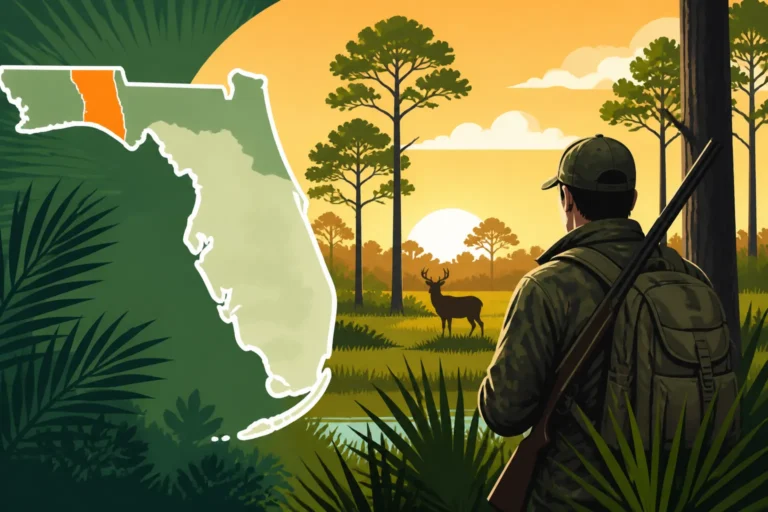
The Osceola National Forest, often simply referred to as "The Osceola" by locals, is a sprawling testament to Florida's wild heart. Covering hundreds of thousands of acres primarily in Baker and Columbia counties, it stands as one of the larger contiguous blocks of public land in the state, offering a much-needed respite from the hustle and bustle. For many hunters, it represents a chance to truly immerse themselves in a primitive, challenging, and deeply rewarding experience. It's not the manicured food plots of a private ranch, but a wild, untamed canvas where patience and woodcraft truly shine.
Geographical Overview and Habitat Diversity
When you picture Florida, you might immediately think of beaches and theme parks, but the Osceola National Forest paints a very different picture. This area is characterized by its relatively flat topography, dominated by vast expanses of longleaf pine flatwoods and wet prairies. However, don't let the "flat" part fool you into thinking it's monotonous. Interspersed throughout are significant pockets of cypress swamps, baygalls, and hardwood hammocks, especially along the numerous blackwater streams and sloughs that crisscross the landscape. This incredible habitat diversity means that game animals have a wide range of cover, food, and water sources to utilize, making scouting and understanding these distinct ecosystems absolutely crucial for success. The underlying geology, shaped by ancient marine terraces, contributes to the shallow, often sandy soils, which retain water in low-lying areas, creating prime conditions for the cypress and baygalls. Fire, through both natural occurrences and controlled burns, plays a vital role in maintaining the health and structure of these ecosystems, constantly shaping the landscape and dictating where certain species thrive.
Permitting and Access Requirements
Before you even think about setting foot in the Osceola National Forest with your hunting gear, it's paramount to understand the permitting and access requirements. Like most public lands in Florida, it's not a free-for-all, and showing up unprepared can quickly lead to disappointment. First and foremost, you'll need a valid Florida hunting license. This is your baseline ticket to hunt any game species in the state. Beyond that, because Osceola National Forest operates as a designated Wildlife Management Area (WMA), you will also need to purchase a WMA Management Area Permit. This permit grants you access to hunt within the boundaries of designated WMAs, including much of the Osceola. You can usually acquire these along with your base license, often online through the FWC website, at a tax collector's office, or through authorized license agents. Remember, these funds directly support wildlife management efforts on these public lands, so it's money well spent. Information on Florida Hunting Licenses and What They Cost and The Florida WMA Management Area Permit are excellent starting points for understanding the financial side of things.
It's also crucial to remember that certain special hunts or specific zones within the Osceola might require additional quota permits. These are typically issued through a lottery system, often with specific application periods well in advance of the hunting season. For example, some deer or turkey seasons might have quota allocations to manage hunter pressure and ensure quality experiences. Always consult the most current FWC regulations handbook specifically for the Osceola National Forest WMA, as rules and dates can change from year to year. Missing an application deadline for a quota hunt could mean missing out on an opportunity entirely. Getting your permits in order early is a simple step that ensures your hunting plans aren't derailed by paperwork.
Key Game Species and Hunting Opportunities
The Osceola National Forest offers a wealth of hunting opportunities, but understanding the primary game species and tailoring your approach to their habits within this unique environment is key. This isn't a place where animals just walk out into open fields; it demands a more intimate knowledge of the land and the creatures that call it home.
Deer Hunting in Osceola's Varied Terrain
White-tailed deer are the cornerstone of deer hunting in Florida, and the Osceola National Forest is no exception. While the deer here might not carry the massive racks found in some northern states, they are incredibly well-adapted to the dense cover and often marshy conditions of the Florida flatwoods. These deer are survivors, cunning and elusive, offering a challenging yet rewarding hunt. They thrive in the mix of pine uplands, using the dense palmetto and gallberry thickets for bedding cover, and venturing into cypress and hardwood hammocks to browse on various vegetation or to feed on acorns when available. To truly grasp the general landscape of deer in the state, you can refer to White-Tailed Deer Across Florida.
Successfully hunting deer in Osceola often involves tactics that differ from more open country. Still-hunting the edges of swamps and baygalls, especially in the early morning or late evening, can be incredibly productive. Deer often travel these edges as natural corridors, moving between bedding and feeding areas. Another effective strategy is to identify oak hammocks, even small ones, that are dropping acorns. These isolated patches of hardwoods can be magnets for deer during the fall. Scouting for rubs on pine saplings and scrapes along game trails in the drier pine stands can also give away a buck's presence and travel routes. For more specific insights on navigating dense cover, consider reading Still-Hunting Florida Palmetto Flatwoods. Finding subtle changes in elevation, even a few inches, can indicate a drier travel lane within a swampy area, creating a natural funnel for deer movement. Remember, these deer are accustomed to thick cover, so patience and quiet movement are paramount. You can also explore Hunting a Funnel Between Two Palmetto Heads for more ideas on strategic placement.
Turkey Tactics for Osceola Gobblers
For turkey hunters, the Osceola National Forest is primarily known for its Eastern turkeys. While the state is famed for the Osceola subspecies further south, the Panhandle and surrounding northern regions, including the Osceola National Forest, are home to the Eastern wild turkey. These birds are just as challenging as their southern cousins, often gobbling less frequently than birds in other parts of the country and requiring a keen understanding of their habitat. They prefer the open understory of mature pine forests but will utilize the edges of cypress and hardwood areas for roosting and foraging. Understanding the specific range of these birds can be further explored in Eastern Turkeys in the Florida Panhandle.
Calling strategies for Eastern birds in the Osceola need to be subtle and adaptive. Over-calling can easily spook these often-pressured birds. Locator calls, like owl hoots or crow calls, can be effective for getting a gobbler to reveal his position without putting direct pressure on him. Once a bird is located, setting up quickly and quietly near a known travel route or feeding area, perhaps where he might fly down from his roost, is crucial. Scouting for roost sites before the season, identifying large pine or cypress trees with droppings underneath, can give you a significant advantage. Patience is a virtue when turkey hunting in the Osceola; sometimes, the best approach is to set up and wait, letting the bird come to you. For more detailed strategies, especially in similar terrain, check out Hunting an Eastern Gobbler in Panhandle Pines.
Feral Hog Pursuits
If you're looking for a hunting opportunity with no closed season and no bag limit, the feral hog is your target in the Osceola National Forest. These invasive animals are abundant throughout Florida and cause significant ecological damage, making their removal a benefit to the ecosystem. Feral Hogs Across Florida offers a deeper dive into the species. Hogs can be found virtually anywhere in the forest that offers cover, water, and food, which means almost everywhere. Their destructive rooting habits are a telltale sign of their presence, often turning over large patches of forest floor in search of tubers and insects.
Common hog hunting methods in the Osceola include still-hunting and stalking. Moving slowly and quietly through the flatwoods, especially around cypress heads and creek bottoms, can lead to encounters. Hogs are often most active during cooler parts of the day or night, so early mornings and late evenings can be prime times. Finding fresh rooting areas, tracks in the mud, or wallows near water sources are excellent indicators of recent hog activity. While night hunting for hogs on public land might have specific restrictions or require special permits, always check the current FWC regulations for the Osceola National Forest if you're considering this option. The sheer number of hogs means you always have a chance for success, and it's a fantastic way to extend your hunting season. Learn more about year-round opportunities in Year-Round Hog Hunting in Florida.
Navigating the Forest: Tools and Strategies
Hunting in a vast public land like the Osceola National Forest isn't just about knowing your game; it's about knowing your way around. The sheer scale of the forest, combined with often featureless terrain, can be daunting. Having the right tools and strategies for navigation and scouting is as crucial as having the right firearm or bow.
Essential Mapping and Navigation Tools
In today's hunting world, relying solely on a paper map and compass, while still vital as a backup, just doesn't cut it for efficiency and detail. Cell service can be spotty at best in many parts of the Osceola, so planning ahead is key. This is where modern digital mapping applications really shine. Tools like onX Hunt have revolutionized how hunters approach public land. With onX Hunt, you can pinpoint your exact location on detailed aerial imagery, see property lines (including WMA boundaries and private inholdings), identify roads, trails, and even topographic features that might not be obvious on the ground. It allows you to mark waypoints for your stand locations, game sightings, or access points, making it an indispensable scouting and in-field navigation aid.
Before heading out, always download offline maps for the area you plan to hunt. This ensures you have full functionality even when your phone has no signal. While onX Hunt provides incredible detail for real-time navigation, supplementing your preparation with broader research tools can give you an edge. Platforms like GoHunt offer deep dive information, articles, and research capabilities that can help you understand game trends, habitat reports, and even seasonal insights from the comfort of your home. Combining the in-depth research of GoHunt with the in-field precision of onX Hunt creates a powerful duo for any serious public land hunter. Always remember to carry a fully charged power bank for your devices, and as mentioned, a physical map and compass remain prudent backups in case of technology failure.
Understanding Road Systems and Access Points
The Osceola National Forest is crisscrossed by a network of unpaved roads, graded dirt paths, and old fire lanes. These roads are your primary access points, but understanding their nuances is critical. Some main forest roads are generally open, while others may be gated, seasonally closed, or restricted to administrative use only. Always consult the official FWC WMA maps and National Forest Service maps for the most current information on road access and any vehicle restrictions. Many of the most productive hunting spots are not directly accessible by vehicle and will require a good hike in, which can be a welcome challenge for those looking to get away from the crowds.
When parking, always do so responsibly, ensuring you don't block gates or roadways. Be mindful that you'll be sharing these roads and trails with a variety of users, including hikers, birdwatchers, and horseback riders, so courtesy and safety are paramount. Pay close attention to signage regarding vehicle rules on Florida public land, as regulations can vary. Understanding how far you can drive, where you can park, and where you'll need to transition to foot or bicycle travel is essential for effective planning and execution of your hunt. Vehicle Rules on Florida Public Land provides further details on these crucial regulations.
Scouting and Interpreting Sign
Successful hunting in the Osceola National Forest often hinges on thorough pre-season scouting. The dense vegetation can make spotting game difficult, so understanding the subtle signs they leave behind becomes your superpower. Look for tracks in the sandy roads or along the muddy edges of sloughs after a rain. These can tell you not only what animals are present but also their direction of travel and recent activity. Fresh droppings can indicate recent feeding or bedding areas. For deer, keep an eye out for rubs on small pine saplings or palmetto fronds, and scrapes along trails or at the edge of cover. These are clear indicators of buck activity.
For hogs, active rooting is an obvious sign, showing where they've been feeding. The size and depth of the disturbance can even give you an idea of the sounder's size. Pay attention to natural food sources like oak hammocks that might be dropping acorns, or areas with an abundance of palmetto berries, as these can concentrate game. Understanding game movement patterns in relation to these food sources, water, and bedding cover is key to patterning animals in this environment. Using GoHunt's resources to understand general habitat usage and then applying that knowledge during your on-the-ground scouting can greatly improve your chances. Remember, the more you walk and observe before the season, the better equipped you'll be when it counts. Looking for Finding Sign in a Florida Oak Hammock can provide more localized insights.
Regulations and Responsible Hunting Practices
Hunting in any national forest, especially in a state as unique as Florida, means adhering to a specific set of rules and embracing responsible practices. These guidelines aren't just bureaucratic hurdles; they are in place to ensure public safety, sustain wildlife populations, and preserve the natural beauty of the Osceola National Forest for generations to come.
General Regulations Specific to National Forests in Florida
While the general Florida hunting regulations apply statewide, national forests and WMAs often have additional rules specific to their management. It cannot be stressed enough: always consult the most current FWC regulations handbook for the Osceola National Forest WMA before your hunt. Regulations on legal hunting hours, specific season dates for different game, and allowable weapons can change. For example, some seasons might be archery-only, while others permit muzzleloaders or centerfire rifles. Pay close attention to blaze orange requirements, which are typically mandatory during most gun seasons on public land for safety. Florida Blaze Orange Requirements and Florida Legal Firearms for Deer Hunting are essential reads for understanding these necessities.
Beyond game-specific rules, there are often regulations regarding baiting and feeding wildlife, which are generally prohibited on public lands. The use of trail cameras may also be restricted or require specific labeling, so be sure to check those details. These regulations are designed to provide a fair chase environment and prevent undue pressure on wildlife, so understanding and respecting them is critical for any ethical hunter.
Camping and Backcountry Considerations
One of the great appeals of hunting the Osceola National Forest is the opportunity for primitive camping, allowing you to stay close to your hunting grounds and truly immerse yourself in the wilderness experience. While designated campgrounds exist, dispersed camping (also known as primitive camping) is often allowed under specific conditions in certain areas. This means you can pitch a tent near where you plan to hunt, reducing travel time and increasing your time afield. However, with this freedom comes significant responsibility. Understanding Camping Rules on Florida National Forest Land is your first step.
Always adhere to "Leave No Trace" principles: pack out everything you pack in, minimize your impact, and respect the natural environment. Given that bears are present in Florida (and some can be found in the Osceola region), proper food storage is essential to prevent attracting wildlife to your campsite. Use bear-resistant containers or hang your food securely. Be aware of fire restrictions, especially during dry periods, and always ensure any campfires are completely extinguished. Finally, prepare for Florida's variable weather. Even in the cooler months, temperatures can swing, and sudden thunderstorms are common. Having appropriate gear for heat, humidity, and rain, along with ample water, will make your backcountry experience much more enjoyable and safe.
Ethical Hunting and Conservation
Beyond the written laws and regulations, there's an unspoken code of conduct that governs ethical hunting, and it's particularly important in shared spaces like the Osceola National Forest. This includes respect for the land, the wildlife, and other users of the forest. Taking clean, humane shots is a fundamental responsibility. Practicing with your chosen weapon regularly ensures you're proficient when the moment of truth arrives. In the event of a shot, diligent tracking is paramount, especially in the thick Florida cover and often warm temperatures. Knowing how to efficiently Blood Trailing After Dark in Florida can be crucial for recovering game.
Every license and permit purchased directly contributes to wildlife management and conservation efforts in Florida. By following regulations, reporting violations, and harvesting game responsibly, hunters play a vital role in maintaining healthy ecosystems and robust wildlife populations. It's about being an ambassador for hunting, demonstrating stewardship, and ensuring that future generations have the same opportunities to experience the wild beauty and challenge of places like the Osceola National Forest.
Seasonal Considerations and Best Times to Hunt
Hunting in Florida is a unique experience, largely dictated by the state's mild climate and diverse ecosystems. The Osceola National Forest presents different challenges and opportunities depending on the time of year, making understanding these seasonal shifts crucial for planning a successful trip.
Early Season Strategies (Archery/Muzzleloader)
Florida's early archery and muzzleloader seasons typically kick off in late summer or early fall, and in the Osceola, this means dealing with some serious heat and humidity. These conditions can be brutal, but they also offer unique advantages. Deer, for example, will be highly patterned around water sources and areas with the densest cover during the hottest parts of the day. Early morning and late evening hunts are often the most productive, as animals move during the coolest hours. Scent control is absolutely critical, as the warm, humid air carries scent much further. Hydration is also paramount for the hunter; carry plenty of water and know your limits.
During these early periods, bucks might still be in bachelor groups, making it possible to catch multiple deer together. Focusing on natural travel corridors between bedding areas (often thick cypress heads or dense palmetto thickets) and preferred feeding sites can yield results. Even though it's hot, the challenge of bowhunting or muzzleloader hunting in this environment, especially for species like deer, is incredibly rewarding. For insights into opening week, Bowhunting Florida's Zone A August Opener can offer some guidance, as many principles apply. Also, if you're a fan of crossbows, Crossbow Hunting During Florida's Archery Season is a great resource.
Peak Season Challenges and Rewards (Gun Season)
The general gun season typically brings increased hunter pressure to public lands like the Osceola National Forest. While the presence of more hunters can push deer into even thicker cover, it can also increase deer movement, sometimes to your advantage. Understanding how deer adapt to this pressure is key. They will often utilize the densest, most difficult-to-access areas as sanctuaries, only moving out during low light or when pressure temporarily subsides.
To counter this, consider walking deeper into the forest than other hunters, or targeting areas that are harder to reach due to swampy conditions or dense vegetation. Hunting during weekdays, if possible, can also significantly reduce the number of other hunters you encounter. The rut, or breeding season, can occur at different times across Florida's various zones, so checking the specific FWC regulations for the Osceola's zone is vital for understanding peak deer activity. During the rut, bucks become more active, moving more freely in search of does, which can present excellent opportunities. For a broader overview of Florida's deer seasons, check out Hunting Florida's Four Deer Zones.
Late Season Opportunities
As the general gun seasons wind down and the temperatures, hopefully, drop a bit more consistently, the late season in the Osceola National Forest can still offer productive hunting. Deer, having survived the primary hunting pressure, will often shift their focus entirely to food sources that remain available. This could be leftover acorns, new green browse after cooler weather, or persistent palmetto berries. Cold fronts, even mild ones in Florida, can significantly increase deer activity as they seek to feed and build reserves. You can find more information about these seasonal food sources in Late-Season Food Sources for Florida Whitetails.
For hunters, this means adapting your strategy to finding these late-season food plots or natural forage areas. Overlooked corners of the forest, areas that other hunters have avoided or given up on, can become hotspots. And, of course, feral hogs remain a constant opportunity year-round, often becoming an even more attractive target as other seasons close. The late season can be a quieter, more reflective time to be in the woods, offering a chance to fill a tag when others have already packed up for the year.
| Species | Primary Habitat | Common Hunting Methods | Key Challenges | Best Times to Hunt |
|---|---|---|---|---|
| White-Tailed Deer | Pine flatwoods, cypress swamps, hammocks | Still-hunting, stand hunting near edges | Thick cover, heat, pressured animals | Early archery, rut (check zone dates), cold fronts |
| Eastern Turkey | Pine forests, cypress/hardwood edges | Calling, run-and-gun, setting up on roost | Educated birds, stealth required, varying gobbling | Spring season (especially early), clear mornings |
| Feral Hog | Anywhere with cover, water, food | Still-hunting, stalking, tracking, night* | Abundant but elusive, dense cover | Year-round, especially around water sources |
*Note: Night hunting for hogs on public land may have specific restrictions or require special permits; always check current FWC regulations for Osceola National Forest.
Disclaimer
This article is for general informational purposes only and does not constitute professional advice. Laws, prices and regulations vary by location and change over time. Consult a qualified professional for guidance on your specific situation.