Asking a Florida Landowner for Permission
Finding private land to hunt in Florida can feel like an impossible puzzle, especially when public land draws such heavy pressure. Many hunters dream of those quiet mornings on a private tract, away from the crowds, but the thought of approaching a landowner can be intimidating. This guide is all about giving you the confidence and practical steps to respectfully ask a Florida landowner for hunting permission, increasing your chances of success and potentially opening up incredible new opportunities.
Laying the Groundwork: Research Before You Reach Out
Before you even think about knocking on a door or making a phone call, a little homework can go a long, long way. Showing up prepared, with some knowledge about the property and the landowner's potential needs, immediately sets you apart from the casual request. It demonstrates respect and a serious approach.
Understanding Landowner Motivations
Most private landowners aren't just looking to let anyone hunt their land, no matter how politely you ask. They often have concerns about safety, liability, and the general upkeep of their property. To get a "yes," you need to understand what might motivate them. For many in Florida, especially those with agricultural interests or large tracts, managing nuisance wildlife is a significant driver. Feral hogs, for example, can wreak absolute havoc on crops, pastures, and even sensitive natural habitats. Offering to help control these populations can be a huge selling point. Florida Hog Damage to Agriculture is a real problem many landowners face.
Coyotes, too, can be a major headache for those raising livestock, even small hobby farms with chickens or goats. Your offer to target specific problem animals, rather than just "hunting deer," might be exactly what they need. Other landowners might simply be looking for someone responsible to keep an eye on their property, or perhaps they have a passion for wildlife themselves and appreciate seeing respectful hunters utilize their land for management. Think about what problems you can solve for them, not just what you want from them.
Scouting from Afar to Identify Opportunities
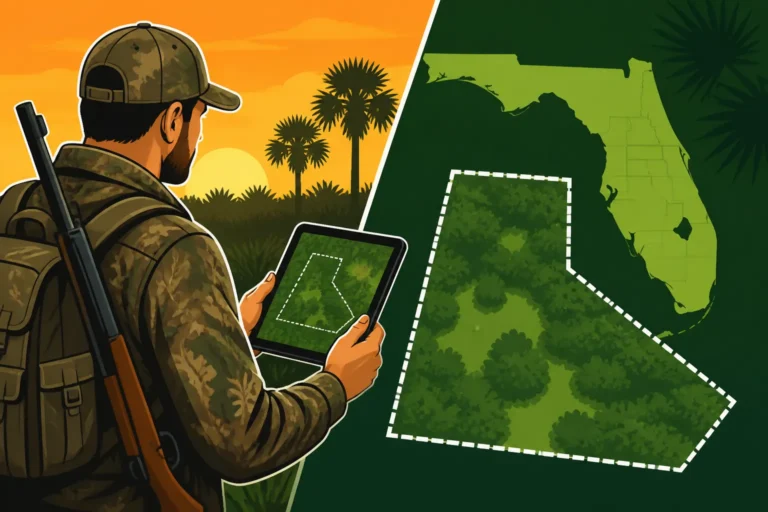
Thanks to modern technology, you can do an incredible amount of "virtual scouting" before ever stepping foot on a property. This isn't just about finding deer habitat; it's about identifying who owns the land and understanding its layout. Tools like onX Hunt and GoHunt are invaluable here. You can overlay satellite imagery with property boundaries and ownership information, allowing you to pinpoint specific parcels and find the landowner's name and contact details.
Imagine spotting a fantastic oak hammock funneling into a cypress swamp on a private parcel near your home. Using a mapping app, you can see exactly who owns that slice of heaven. You can also analyze the surrounding properties – is it adjacent to a public hunting area that experiences heavy pressure? That might make a private landowner more inclined to allow responsible hunting to reduce their own issues with trespassers or problem animals fleeing public land. This detailed pre-scouting lets you approach a landowner with specific knowledge, making your pitch far more compelling. You can even use these tools to study potential entry routes or escape cover, demonstrating your thoroughness. Finding Florida Property Lines is a critical step in this process.
Building Local Knowledge and Reputation
In Florida's more rural communities, word travels fast. If you're new to an area, start by introducing yourself, becoming a familiar face, and demonstrating good character. Get involved with local conservation groups, attend community events, or even volunteer. The more people know you as a responsible, trustworthy individual, the better your chances when you finally ask for permission. A personal referral from a mutual friend or neighbor can open doors that remain firmly shut to strangers.
Sometimes, just being a consistent, ethical hunter on nearby public lands, without causing any issues, can build an unspoken reputation. Landowners talk. They notice who parks where, who respects gates, and who leaves things better than they found them. This foundational trust is often more valuable than any fancy gear or persuasive speech.
Making the Approach: Politeness and Professionalism
Once you've done your research, it's time to make contact. This step requires a delicate touch, prioritizing respect for the landowner's time and property above all else. Your first impression is often your only impression.
The Initial Contact: Choosing Your Method
How you first approach a landowner can significantly impact their response. There are generally three main ways to make that initial contact: in person, by phone, or with a letter. Each has its pros and cons, and the best choice often depends on the specific situation and your comfort level.
| Method of Contact | Pros | Cons | Best Suited For |
|---|---|---|---|
| In Person | Most personal, allows for immediate rapport, shows initiative. | Can be intrusive, might catch them at a bad time, requires good social skills. | When you know they are home/available and you have a clear, concise pitch. |
| Phone Call | Less intrusive than showing up unannounced, allows for direct conversation. | Easy to be dismissed quickly, less personal than face-to-face, can feel impersonal. | When contact information is readily available and you can't visit in person easily. |
| Letter/Email | Allows landowner to read at their leisure, provides a written record, less confrontational. | Can be easily ignored or lost, takes longer for a response, no immediate interaction. | When direct contact is difficult, for larger, absentee landowners, or after an initial refusal. |
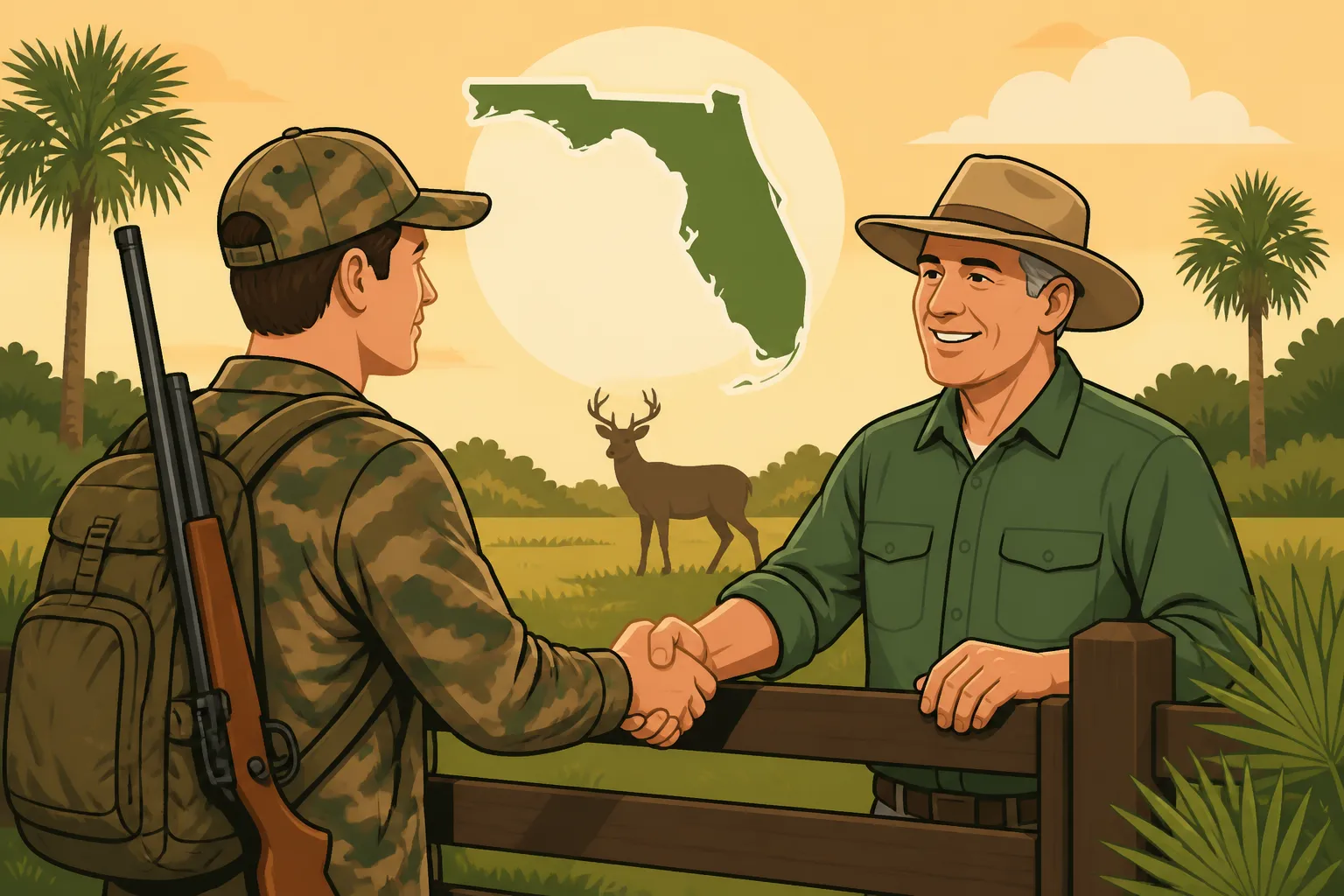
If you opt for an in-person visit, choose your timing wisely. Avoid meal times or late evenings. Dress neatly and respectfully – you're asking for a privilege, not a right. Have a clear, concise reason for being there. If they're busy or seem put off, simply thank them for their time and offer to leave your contact information. You can always follow up with a polite letter.
What to Say and What to Avoid
When you get the chance to speak with a landowner, whether in person or over the phone, your words matter. Start by introducing yourself and clearly stating why you're there. "Hello, my name is [Your Name], and I live nearby. I've noticed your beautiful property and was hoping to speak with you for a moment about the possibility of hunting this season." Be direct but polite.
Immediately pivot to what you can offer. "I've noticed a fair amount of hog activity in the area, and I'd be happy to help you with some hog control if that's a concern." Or, "I'm a very responsible hunter, focused on deer, and I'd treat your property with the utmost respect, leaving no trace." Offer to share game meat if you're successful, or perhaps help with a chore or two on the property. "I'd be happy to keep an eye on your fences, pick up trash, or whatever else might be helpful in exchange for the privilege."
What to avoid: Never sound entitled. Don't complain about public land pressure or how hard it is to find a spot. Don't make vague promises you can't keep. Don't ask about specific hunting spots on their land; let them lead that conversation if they grant permission. And absolutely never assume a "yes" until you've received one clearly.
Presenting Yourself and Offering References
Your appearance, attitude, and overall demeanor are critical. A clean-cut, polite, and articulate hunter is far more likely to gain trust than someone who appears disheveled or demanding. Be prepared to share a little about your hunting background, emphasizing safety and ethical practices. "I've been hunting responsibly for X years, and safety is my number one priority. I'm also very particular about leaving no trace and respecting property boundaries."
Consider having a few references ready – perhaps another landowner you've hunted for, a local law enforcement officer, or a reputable member of the community who can vouch for your character. Offering these upfront can significantly boost your credibility. This shows you're serious, have nothing to hide, and operate with integrity.
Building Trust and Setting Expectations
Once a landowner expresses even a slight interest, it's time to delve into the details. This is where you solidify the relationship by being clear, trustworthy, and considerate of their specific concerns.
Discussing Specifics and Setting Clear Boundaries
If the landowner is open to the idea, this is your opportunity to discuss the practical aspects of hunting on their property. Be prepared to talk about:
- What you'll be hunting: Deer, hogs, turkey, small game? Be clear.
- The season and dates: Will you be hunting during specific Florida seasons, or year-round for hogs?
- Access points: Where will you park? Which gates can you use? Will you need a key?
- Vehicle use: Are ATVs allowed? Can you drive a truck on their trails?
- Safety rules: Emphasize firearm safety, awareness of other people on the property, and hunting hours.
- Harvest reporting: Discuss how you'll communicate your success and abide by all Florida FWC regulations, including reporting deer.
- Guests: Clarify if you can bring a friend or family member, or if it's a privilege solely for you.
This is also the perfect time to establish clear boundaries. "I'll stick to this section of the property you've marked out, and I understand the house and barn areas are off-limits for hunting." Respecting these boundaries, both physical and implied, is paramount. You might even use your mapping app, like onX Hunt, to visually confirm the agreed-upon hunting areas with the landowner, making sure everyone is on the same page.
Offering Value Beyond Hunting
Remember those motivations we discussed earlier? This is where you can truly shine. Beyond just harvesting game, think about how you can be a true asset to the landowner.
- Hog Control: This is a big one in Florida. Offer to set traps or actively hunt hogs. Many landowners are desperate for help with this. Trapping Feral Hogs on Florida Private Land can be a labor-intensive but highly effective way to provide significant value.
- Property Maintenance: Small tasks can make a huge difference. "I'd be happy to check the fences every time I'm out, clean up any downed limbs from recent storms, or help mend that section of fence near the back pasture."
- Security: Being an extra set of eyes on the property can be invaluable. "If I see anything out of place or suspicious, I'll notify you immediately."
- Coyote and Predator Control: If they have livestock, or even concerns about deer fawn recruitment, your offer to call or trap coyotes could be highly appreciated. Coyote Calling Florida Ranch Country at Dawn is a skill many landowners would love to have on their property.
Even if they don't take you up on these offers immediately, simply making them demonstrates your commitment to being a good steward of their land.
The Importance of a Written Agreement
While a handshake deal might seem sufficient between good folks, a written agreement, even a simple one, protects both you and the landowner. This doesn't have to be a complicated legal document, but it should outline the key points discussed:
- Names of parties involved
- Description of the property
- Dates permission is granted (e.g., specific hunting season, year-round for hogs)
- Species allowed to hunt
- Any specific rules or restrictions (e.g., no ATVs, specific parking, boundaries)
- Liability clauses (often stating the hunter assumes risks, though consulting legal counsel for specific language is always wise)
This document clarifies expectations and prevents misunderstandings down the road. It ensures that everyone is on the same page about the terms of access. It's especially important given Florida's trespass laws and the need for clear permission to be on private property. For more on this, check out Do You Need Written Permission in Florida?.
Maintaining the Relationship and Long-Term Access
Getting permission is a fantastic first step, but keeping it for future seasons is where the real effort comes in. A long-term hunting spot is built on consistent respect, communication, and mutual benefit.
Respecting Boundaries, Rules, and the Land
This is non-negotiable. Every rule the landowner sets, every boundary they outline, must be adhered to without question or exception. If they say no driving on wet trails, don't do it. If they ask you to only hunt a certain part of the property, stay there. Leaving gates open when they should be closed, cutting fences, or damaging property are surefire ways to lose hunting privileges permanently.
Always leave the property better than you found it. Pick up any trash you find, even if it's not yours. Make sure your spent casings are collected. If you field dress an animal, do so discreetly and far from living areas or public view. If you bring a ground blind, make sure it's removed cleanly when the season is over, abiding by Ground Blind Rules on Florida WMAs principles even on private land. This level of respect goes a long way.
Consistent Communication and Reporting
Don't just disappear after you get permission and only resurface when you want to hunt. Keep the lines of communication open. A quick text or phone call before you head out, letting them know you'll be on the property, is a courtesy many landowners appreciate. "Just wanted to let you know I'm heading out this afternoon to try for a hog if you don't mind."
If you harvest an animal, let them know! Send a photo, offer to share the meat, or simply thank them again for the opportunity. If you notice any issues on their property – a downed tree, a broken fence, suspicious activity – report it to them promptly. Being a vigilant steward of their land fosters immense trust.
Showing Your Appreciation
A sincere "thank you" goes a long, long way. This doesn't necessarily mean an expensive gift, though a thoughtful gesture can certainly be appropriate. Here are a few ideas:
- Processed Game Meat: Offer a package of venison or hog sausage from your harvest. It's a direct benefit and a delicious way to say thanks.
- Gift Basket or Card: A small gift basket around the holidays, or a gift card to a local restaurant or hardware store, can be a nice gesture.
- Help with Chores: Offer to help with specific tasks that align with your skills – fixing a fence, splitting firewood, or general farm work.
- A Simple Note: Sometimes, a handwritten thank-you note expressing your gratitude for the privilege is more impactful than anything else.
The goal is to reinforce that you value the access and appreciate their generosity. By being consistently respectful, communicative, and helpful, you transform a one-time request into a lasting relationship, securing a cherished private hunting spot for years to come.
Disclaimer
This article is for general informational purposes only and does not constitute professional advice. Laws, prices and regulations vary by location and change over time. Consult a qualified professional for guidance on your specific situation.