What Florida Trespass Law Requires
Navigating the complex patchwork of Florida's hunting lands, especially when it involves the boundary between public and private property, can feel like walking a tightrope. One wrong step, one misunderstanding of the rules, and you could find yourself in a heap of trouble. This guide is here to untangle the intricacies of Florida's trespass laws as they apply to hunters, helping you understand your responsibilities and avoid legal pitfalls while enjoying the outdoors.
Understanding Florida's Trespass Laws for Hunters
For those of us who spend our seasons in the cypress swamps, palmetto flatwoods, and pine forests of Florida, the line between what's legal and what's not can sometimes feel blurry, especially when it comes to property boundaries. It’s not just about knowing where your feet are physically, but understanding the legal framework that dictates your presence on any given piece of land. Florida's statutes are pretty clear, but applying them in the field requires a thoughtful approach.
The Basics: What Constitutes Trespass in a Hunting Context
At its core, trespass simply means being on someone else's land without their express permission or lawful authority. For hunters, this isn't just a theoretical concept; it's a very real concern that can turn a great day afield into a costly legal headache. In Florida, entering or remaining on land that you know or reasonably should know belongs to someone else, without their permission, is considered trespass. This applies whether the land is fenced, posted with "No Trespassing" signs, or simply appears to be private property based on its use or location. It's not always about malicious intent; even an honest mistake can lead to a trespass charge. Imagine you're Hunting a Cypress Head at Last Light, focused on a deer trail, and inadvertently step across an unmarked property line. While your intention wasn't to break the law, the act of being there without permission is still a violation. This is why due diligence is so crucial before you even set foot in the woods.
Posted Land vs. Unposted Land: The Critical Distinction
This is where many hunters get tripped up. In some states, land must be explicitly "posted" with signs or marked with specific paint colors to legally constitute "No Trespassing." Florida's rules are a bit different, and it's essential to understand these nuances. While prominently displayed "No Trespassing" signs certainly make it clear that entry is forbidden, their absence doesn't automatically mean the land is open to public access.
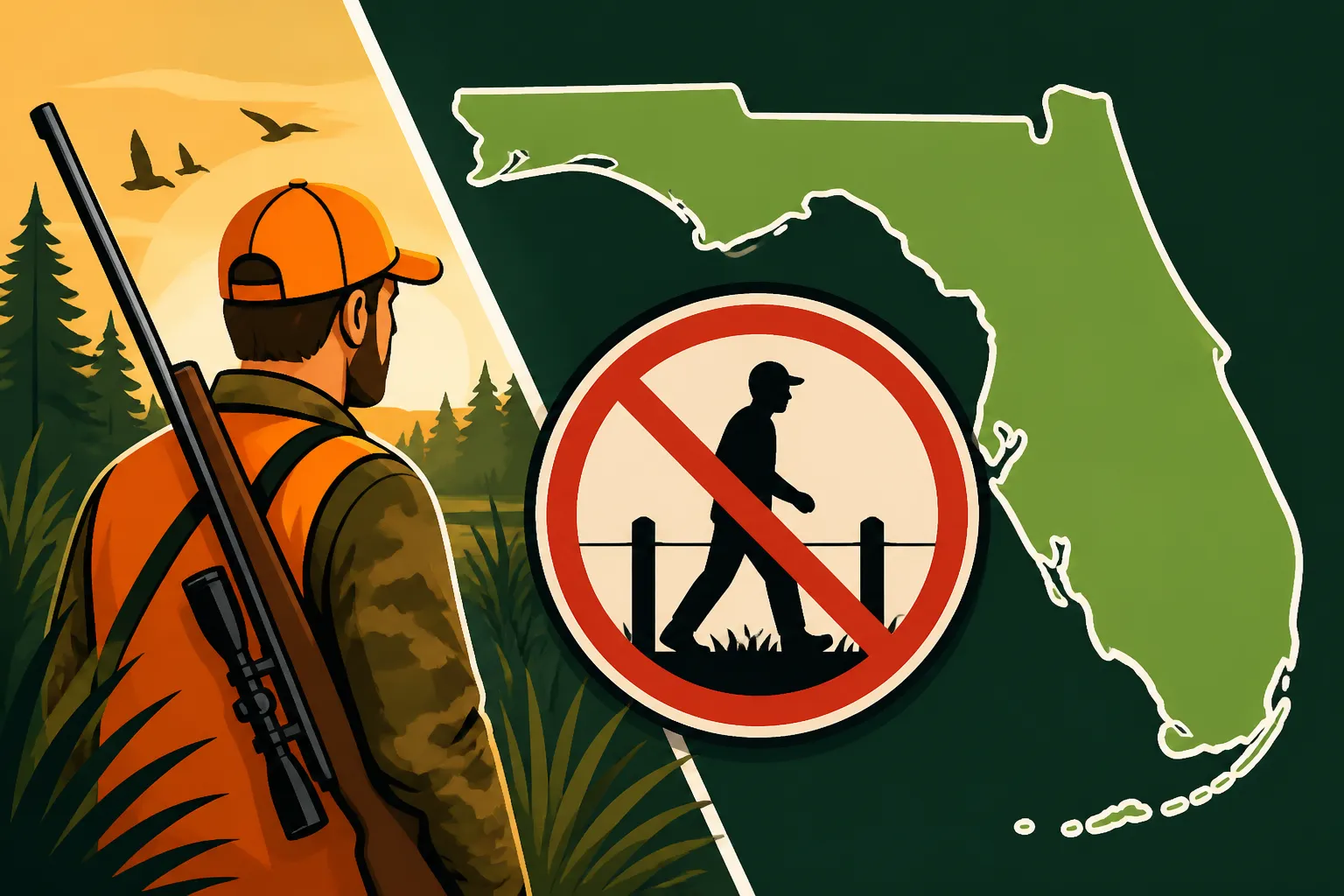
Florida law generally states that if land is cultivated, fenced, or contains signs notifying that entry is prohibited, then entry without permission is trespass. The key here is that "fenced" part – a physical barrier, even without signs, can often indicate private property. However, it's always best to err on the side of caution. Even if land isn't fenced or explicitly posted, if you know or have reasonable grounds to believe it's private and you don't have permission, you should stay off it. You can learn more about specific regulations in Florida Posted Land Rules. The burden of proof often falls on the hunter to show they had permission or that it wasn't reasonable to assume the land was private. This is why proactive research and respectful communication are your best allies.
| Feature | Posted Land | Unposted (But Private) Land | Public Land |
|---|---|---|---|
| Notification Method | "No Trespassing" signs, purple paint, fencing | Fencing, cultivation, residential structures, known ownership | Clearly marked boundaries, FWC maps, signage |
| Permission Required? | Always, explicitly | Always, even if implied by circumstances | No, but often requires specific permits/licenses |
| Common Misconception | Only posted land is off-limits | Absence of signs means open access | All unfenced land is public |
| Hunter Action | Never enter without explicit, documented permission | Never enter without explicit, documented permission | Consult FWC regulations and maps for access rules |
Navigating Public and Private Land Boundaries
The lines on a map often look neat and tidy, but out in the field, especially in Florida's diverse terrain, those boundaries can be anything but. A meandering creek might form a property line, or a subtle change in vegetation could signal a shift from public to private ownership. It's a hunter's responsibility to know precisely where they are at all times, not just for safety but to ensure legal compliance.
Tools and Technology for Identifying Property Lines
In this day and age, there's really no excuse for "not knowing" whose land you're on, thanks to advancements in mapping technology. Apps like onX Hunt and GoHunt have become indispensable tools for many Florida hunters. These platforms offer detailed aerial imagery overlaid with property lines, land ownership information, and even public land boundaries. They work by using your phone's GPS to pinpoint your exact location on the map, showing you in real-time if you're standing on public land, private land, or dangerously close to a boundary. For instance, if you're preparing for Hunting a Funnel Between Two Palmetto Heads, you can use these apps to verify that both sides of that funnel are indeed on the property you have permission to hunt, or on designated public land. Checking onX Layers for Florida Land Status before and during your hunt can prevent a lot of headaches. While these tools are incredibly helpful, they're not foolproof; always have a backup plan and use your common sense in the field. Remember, technology is a aid, not a replacement for good judgment and thorough scouting.
Accidental Trespass and How to Handle It
Despite our best efforts, sometimes we might inadvertently step onto private property. Perhaps you're blood trailing a deer, and the animal crosses a fence line you didn't know existed, or you misread your map in dense cover. It happens, but how you react to it can make all the difference. If you realize you've accidentally trespassed, the absolute best thing to do is to stop, unload your weapon, and immediately exit the private property the way you came in. Do not continue hunting. If you encounter a landowner or law enforcement, be polite, apologize sincerely, and explain what happened. Most people appreciate honesty. Trying to hide your mistake or argue will only make the situation worse. Remember, in Florida, even if you shoot a deer on public land, retrieving it from private land without permission is also a form of trespass. This is covered in more detail in Retrieving Game From Private Land in Florida. It's always best to attempt to contact the landowner for permission to retrieve your game, even if it means sacrificing the animal if permission isn't granted. Your legal standing and reputation as a responsible hunter are worth far more.
Consequences of Trespassing While Hunting in Florida
The repercussions of trespassing, especially when hunting, can range from a stern warning to severe legal penalties. It's not just a minor infraction; it can fundamentally impact your ability to hunt in the future and carry significant financial burdens. Understanding these consequences is a powerful motivator to always double-check your location and secure proper permission.
Legal Repercussions: Fines, Penalties, and Loss of Privileges
Florida's trespass laws can result in misdemeanor or even felony charges, depending on the specifics of the situation. Simple trespass (entering private land without permission) is typically a misdemeanor. However, if you're carrying a firearm while trespassing, or if you damage property, the charges can be elevated. For example, Florida Wildlife Violation Penalties for hunting-related offenses can include substantial fines, confiscation of hunting equipment (including your firearms or vehicle), and even jail time.
Perhaps one of the most significant consequences for a hunter is the potential loss of hunting privileges. A trespass conviction can lead to the suspension or revocation of your hunting license, not just in Florida, but potentially in other states through interstate compacts. Imagine being told you can't hunt for a year, or even longer, all because of one preventable mistake. It's a hard pill to swallow, and it’s a stark reminder of why adherence to the law is paramount. These legal troubles can also create a permanent record that could affect future employment or opportunities.
Ethical Considerations and Hunter Responsibility
Beyond the strictly legal ramifications, there's a strong ethical component to respecting property boundaries. Hunters, as a community, strive to be responsible stewards of wildlife and the land. Trespassing undermines this image and can create negative perceptions of all hunters. When one hunter trespasses, it can sour landowner relations for everyone else, making it harder for honest hunters to gain access to private lands in the future. Landowners might become more reluctant to grant permission, even for those who follow all the rules.
Our reputation depends on our collective behavior. By meticulously checking property lines (perhaps using tools like GoHunt to confirm your location) and always seeking permission, we demonstrate respect for private property rights and uphold the ethical standards of our sport. It also fosters goodwill, which can lead to more opportunities for Hunting Small Private Tracts in Florida if you build a good rapport with local landowners. It’s about being a good neighbor and an ambassador for hunting, ensuring that future generations have access to hunting opportunities.
Securing Permission for Private Land Hunting
The dream of hunting a productive private tract is one many Florida hunters share. While public lands offer amazing opportunities, securing private land access can often open up new possibilities, less pressure, and a chance to truly understand a piece of ground. However, this access isn't a given; it must be earned and maintained through respect and diligence.
Verbal vs. Written Permission: Which is Best?
When you finally get that "yes" from a landowner, the next crucial step is to formalize that permission. This is where the debate between verbal and written permission comes in. While a handshake and a verbal agreement might feel old-school and trustworthy, it leaves a lot of room for misunderstanding or disputes down the line. What if the landowner forgets the exact dates, or who you said would be joining you? What if the land changes hands, and the new owner isn't aware of your agreement?
This is why, without a doubt, written permission is always best. A written agreement, even a simple one, clarifies all the essential details: who has permission, what activities are allowed (hunting deer, hogs, etc.), the specific dates or season, and the exact boundaries of the land. It protects both you and the landowner. Do You Need Written Permission in Florida? is a question often asked, and while verbal permission can be legally binding, written permission provides undeniable proof. Keep a copy of this document with you at all times when hunting that property. Think of it as your hunting contract – clear, concise, and verifiable.
Building Relationships with Landowners
Securing permission isn't a one-time transaction; it's the beginning of a relationship. Landowners are often hesitant to grant access due to past negative experiences, fear of liability, or simply not knowing who you are. Your goal is to alleviate those concerns and build trust. Start by being polite and respectful when Knocking on Doors in Florida Ranch Country. Present yourself well, clearly state your intentions, and be prepared to offer something in return, even if it's just helping with chores around the property, mending fences, or keeping an eye out for anything unusual.
Once you have permission, uphold your end of the bargain. Respect boundaries, clean up after yourself, close gates, and report any suspicious activity you see on their land. Share your harvest with them, if appropriate, or simply express your gratitude with a thoughtful thank you note or small gift. Good communication is key. If you plan to bring a guest, always ask permission first. If you spot something concerning, like a downed fence or unusual tracks, let the landowner know. Building these relationships takes time and effort, but the rewards are immense, often leading to long-term hunting opportunities and even friendships. It's about demonstrating that you are a responsible, trustworthy individual who respects their property, their privacy, and their generosity.
Disclaimer
This article is for general informational purposes only and does not constitute professional advice. Laws, prices and regulations vary by location and change over time. Consult a qualified professional for guidance on your specific situation.