Levy County Public Hunting Ground
Many Florida hunters find themselves frustrated by the sheer density of hunters on public land, especially closer to major metropolitan areas. It can feel like you're constantly bumping into other folks, making it tough to truly connect with the wild and find undisturbed game. Levy County, with its unique blend of coastal influences and classic North Florida habitats, offers some fantastic public hunting grounds that, with a little planning and effort, can provide a more rewarding and less crowded experience. This guide will walk you through what makes Levy County special, how to prepare, and what to expect when you head out into its diverse public lands.
Discovering Levy County's Public Hunting Gems
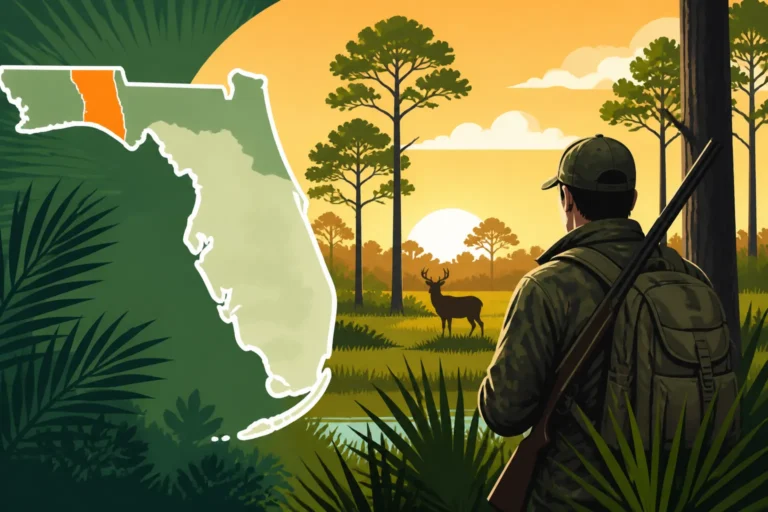
Levy County might not be the first place that pops into every hunter's mind when they think of Florida, but it absolutely should be on your radar. Situated on the Gulf Coast, it boasts a fascinating mix of ecosystems that attract a wide variety of game. We’re talking about everything from salt marsh edges to vast pine flatwoods and scattered oak hammocks, creating a truly dynamic environment for hunters.
Understanding Levy County's Unique Landscape
Imagine a landscape where the Gulf's salty air touches vast stretches of pine forest, then gives way to dense palmetto thickets and pockets of old-growth oak. That's a taste of Levy County. The coastal influence means you'll find marshy areas, especially closer to the "Big Bend" region, which can be fantastic for waterfowl and provide dense cover for deer and hogs. As you move inland, the landscape shifts dramatically. You'll encounter sprawling pine flatwoods, often managed with prescribed burns, offering open understories in some areas and incredibly thick palmetto jungles in others. These flatwoods are crisscrossed by cypress strands and small swamps, which act as vital travel corridors and bedding areas for game.
The beauty of Levy County is this ecological diversity. You're not just hunting endless rows of pines; you're often transitioning between these different habitat types within a single hunting block. This means varied game movement patterns and a need for adaptable hunting strategies. It's a far cry from the more uniform landscapes you might find further inland or in some of the more intensely managed timberlands.
The Major Public Hunting Opportunities in Levy County
Levy County is home to several significant public hunting opportunities managed by the Florida Fish and Wildlife Conservation Commission (FWC), often under the Wildlife Management Area (WMA) program. These areas provide invaluable access for the public and are managed with wildlife populations and habitat health in mind. While the specific names of WMAs might change or new opportunities arise, the general types of public lands available remain consistent.
You'll typically find large tracts of land designated for hunting, often encompassing the pine flatwoods, mixed forests, and wetland systems described above. These WMAs are regulated to ensure sustainable hunting and often require a The Florida WMA Management Area Permit in addition to your standard hunting license. Each WMA will have its own specific rules, hunt dates, and sometimes even quota hunts for certain species, so it's absolutely crucial to check the FWC's current regulations for the specific area you plan to visit. These areas are truly gems, offering miles of ground to explore for deer, hogs, turkey, and sometimes even small game. It’s here that careful scouting, both digitally and on foot, really pays off in finding those less-pressured pockets.
Essential Preparations for Hunting Levy County Public Land
Heading into any public land hunt in Florida requires preparation, and Levy County is no exception. Knowing the rules, having the right gear, and understanding how to effectively scout will dramatically increase your chances of a successful and enjoyable trip.
Navigating Licenses, Permits, and Regulations
First things first, you need to make sure your paperwork is in order. Every hunter in Florida needs a valid hunting license. The cost varies for residents and non-residents, and there are different options available, so it's worth checking out Florida Hunting Licenses and What They Cost to understand what you need. Beyond the base license, most public hunting lands, including those in Levy County, will require a Wildlife Management Area (WMA) permit. This permit helps fund the management and maintenance of these crucial public spaces.
Levy County falls within Deer Management Zone C. This is a critical detail because Florida's deer seasons vary significantly across its four zones. Florida's Four Deer Management Zones Explained covers this in detail, but for Levy, this means you'll need to be aware of the specific archery, muzzleloader, and general gun season dates for Zone C. Always, always check the current FWC regulations booklet or website before you go. Seasons, bag limits, and legal methods of take can change from year to year. For instance, what's legal during Hunting Florida's Zone C Early Archery might not be during general gun season. You also need to know about blaze orange requirements, legal firearms, and any special regulations for specific WMAs in Levy County. Ignorance of the rules is never an excuse, and FWC officers are out there ensuring compliance.
Utilizing Modern Scouting Tools
In today's hunting world, digital tools are an absolute game-changer, especially on unfamiliar public land. Platforms like onX Hunt and GoHunt have become invaluable for pre-season scouting and in-the-field navigation. Before you ever set foot in Levy County, you can spend hours virtually exploring potential hunting spots from your couch.
Start by identifying the public land boundaries. These mapping apps clearly show property lines, so you know exactly where you can and cannot legally hunt. This is particularly important around private land interfaces. Then, use the aerial and topo maps to analyze the terrain. Look for changes in habitat—where pine flatwoods meet oak hammocks, the edges of cypress swamps, or even subtle elevation changes that might create natural funnels or bedding areas. Identify potential access points, parking areas, and internal road systems. Pay attention to water sources, especially during dry periods, as these can concentrate game. Remember, Levy County’s flat terrain means that even a slight rise in elevation can be a critical bedding spot during wet periods. You can also drop pins for potential stand locations, rub lines, or old food sources you find on the map. Bringing these digital maps into the field with you, even if cell service is spotty, ensures you stay oriented and can navigate back to your vehicle or camp. This kind of detailed virtual scouting, combined with boots-on-the-ground exploration, is the key to unlocking success on Scouting Florida Public Land Before Season.
| Levy County Public Land Overview | Details | Considerations for Hunters |
|---|---|---|
| Deer Management Zone | Zone C | Season dates (archery, muzzleloader, general gun) for deer will follow Zone C regulations. Check FWC for specific dates each year. |
| Primary Habitat Types | Pine Flatwoods, Oak Hammocks, Cypress Swamps, Coastal Marshes, Agricultural Edges | Diverse terrain means diverse hunting strategies are required. Flatwoods provide cover, hammocks provide food, swamps provide sanctuary. |
| Key Public Areas | Various Wildlife Management Areas (WMAs), State Forests | WMA permit typically required in addition to hunting license. Each area has specific rules, check FWC before going. |
| Major Game Species | White-tailed Deer, Feral Hogs, Osceola Turkey, Small Game (squirrel, rabbit), Waterfowl (limited areas) | Deer are a primary draw, but hogs offer year-round opportunity. Turkey hunting is popular in spring. |
| Hunting Pressure | Varies by area and season. Areas with easier access generally see more pressure. Deeper, harder-to-reach areas often hold less disturbed game. | Utilize mapping apps like onX Hunt to identify remote areas or pockets that might be overlooked. Early morning starts and long walks can pay off. |
| Access Challenges | Some areas may have limited vehicle access, requiring foot or ATV (where permitted) travel. Water bodies might require small boats or kayaks for certain zones. | Be prepared for extensive walking. Check WMA rules on ATV/UTV use. Consider waders or a small boat for marshy or flooded areas. |
Targeting Game in Levy County: Species and Seasons
Levy County offers a fantastic array of game species for hunters, each with its own seasons, challenges, and rewards. From the elusive whitetail to the ever-present feral hog and the iconic Osceola turkey, there's something for every type of hunter.
Pursuing White-tailed Deer in Zone C
Deer hunting in Levy County, as part of Zone C, presents unique challenges and opportunities. Florida deer are often smaller-bodied than their northern cousins, but they are masters of stealth and survival in dense cover. The habitat diversity in Levy County—the mix of piney woods, oak hammocks, and swamp edges—means deer will utilize different areas depending on food availability, water, and hunting pressure. During archery and muzzleloader seasons, deer are often still on summer patterns, relying heavily on green browse and early mast crops. As gun season approaches and into the peak of the rut, typically in October or November for Zone C, bucks become much more active, chasing does and leaving behind sign like scrapes and rubs. You might find a significant buck Reading a Florida Harvest Report shows that many good deer come from these areas, but patience and deep woods travel are often required.
Focus your scouting on identifying natural funnels between bedding areas (often dense palmetto heads or cypress thickets) and feeding areas (oak hammocks dropping acorns, or areas with persistent green browse). Transition zones where two or more habitat types meet are always prime locations. Using a good mapping app to pinpoint these junctions and then putting boots on the ground to confirm recent sign can make all the difference. Remember, the rut in Zone C is typically earlier than in many other parts of the state, so timing your hunt to coincide with this heightened activity can be highly productive.
The Abundant Opportunities for Feral Hogs
If consistent action and delicious wild game are what you're after, then Levy County's feral hog population will not disappoint. Hogs are incredibly abundant across Florida, and Levy County is no exception. They thrive in virtually all habitat types, from the deepest swamps to the edges of agricultural fields. One of the best parts about hunting hogs in Florida is that they have Why Florida Hogs Have No Closed Season on private land, and very liberal seasons and bag limits on most public lands, often year-round or with extended dates.
Hogs are always on the lookout for food. They'll root up tender plant roots, munch on acorns when they drop, and forage for just about anything edible. Look for their distinctive rooting patterns in the soil, wallows in muddy areas, and tracks along trails. Oak hammocks and swamp edges are fantastic places to find them, as are areas close to agricultural fields. You can still-hunt them, stalk them in dense cover, or even set up over known feeding areas. Because of their continuous presence, hogs offer a fantastic opportunity to stay sharp and spend time in the woods outside of regular deer or turkey seasons. Feral Hogs Across Florida will give you more background on just how common these animals are.
Chasing Osceola Turkeys
Levy County falls squarely within the range of the iconic Osceola turkey, one of the four recognized subspecies of wild turkey in North America. These birds are known for their darker plumage and often more wary disposition, making a successful hunt a true trophy for many. The spring turkey season is a highly anticipated time for many hunters in Levy County.
Osceolas, like all turkeys, love open woodlands, particularly those with a mix of pines and oaks, often near agricultural fields or clearings. They will roost in tall pines or cypress trees along swamp edges. Scouting for roosting areas before the season is critical. Listen for gobbling at dawn, look for tracks in sandy roads, and check for droppings and feather piles. Calling is paramount for success with Osceolas. You’ll need a good understanding of various calls and how to read the birds' responses. Early mornings, when birds are still on the roost and eager to communicate, are prime times. Remember that these birds can be incredibly smart, especially if they've been pressured, so patience and careful setups are key. If you're looking to complete a Grand Slam, an Osceola from Levy County is a fantastic addition, and Osceola Turkeys in Peninsular Florida provides excellent insights into these magnificent birds.
Field Tactics for Diverse Levy County Terrain
Success in Levy County's public lands often comes down to adapting your tactics to the varied terrain and understanding how game animals use it. It's not a one-size-fits-all approach.
Still-Hunting the Palmetto and Pine Flatwoods
The vast pine flatwoods, often interspersed with dense palmetto, are a signature habitat of Levy County. These areas can be incredibly productive, but they also demand a specific hunting style: still-hunting. This involves moving incredibly slowly, taking a few steps, then pausing for several minutes to scan, listen, and glass. The idea is to move through the woods quietly enough to spot game before it spots you, or to jump a deer or hog that then pauses, giving you a shot.
When still-hunting these flatwoods, pay close attention to the wind. In Florida's often swirling winds, this can be tricky, but it's paramount to keeping your scent from reaching game. Look for subtle changes in the terrain, such as a slight depression that might hold water or a thicker patch of palmetto that offers bedding cover. Game trails, even faint ones, are crucial travel corridors. During drier periods, sandy roads and trails will often show fresh tracks more clearly. Don't be afraid to go deep; many hunters stick to the edges, leaving the interior of large blocks of flatwoods less disturbed. Still-Hunting Florida Palmetto Flatwoods delves deeper into effective strategies for these unique environments.
Leveraging Oak Hammocks and Transition Zones
Oak hammocks are islands of hardwood trees—live oaks, laurel oaks, water oaks—that stand out from the surrounding pines and palmetto. These hammocks are ecological hotspots, providing vital food sources, particularly acorns, which are a major draw for deer, hogs, and turkeys, especially in the fall and winter. When scouting Levy County, make sure to identify these hammocks on your map, especially if they are surrounded by denser cover.
Hunting the edges and interiors of oak hammocks can be highly effective. Set up on a well-used trail leading into or out of a hammock, or find a spot within the hammock itself that offers good visibility and a shooting lane. Early morning and late afternoon are prime times for deer and hogs to move into these areas to feed. Transition zones, where oak hammocks meet pine flatwoods or where a swamp edge gives way to dry ground, are also excellent ambush points. These areas often serve as natural funnels that animals use to travel between bedding and feeding areas. Always be mindful of the wind direction when setting up near these critical food sources. The ability of a hunter to pinpoint these areas using a mapping app like GoHunt and then confirm sign on the ground is what separates successful hunters from those who struggle.
Public Land Access and Pressure Considerations
Public lands in Levy County, like anywhere else, can experience hunting pressure, especially on weekends or during opening days of popular seasons. To increase your odds, it's often necessary to go where others won't. This might mean walking further than most, utilizing a kayak or canoe to access remote areas of a WMA, or simply hunting on weekdays when pressure is typically lighter.
One effective strategy is to study maps for areas with limited road access. Look for places that require a longer hike or areas that are naturally cut off by swamps or rivers, creating "sanctuaries" that are harder for the average hunter to reach. These remote pockets are more likely to hold undisturbed game. Consider hunting during less popular seasons, such as late archery or the end of gun season, when many hunters have already filled tags or given up. Learning to read Hunting Pressure on Florida Public Land and actively seeking out less-traveled areas is a skill that will pay dividends across all of Florida's public lands. Even within a heavily hunted WMA, there are always overlooked corners—the thickest, nastiest palmetto head, or the deepest part of a slough—where a big buck might be holed up. Patience, persistence, and a willingness to put in the effort will make your Levy County public land hunts more rewarding.
Disclaimer
This article is for general informational purposes only and does not constitute professional advice. Laws, prices and regulations vary by location and change over time. Consult a qualified professional for guidance on your specific situation.