Hamilton County Public Land Access
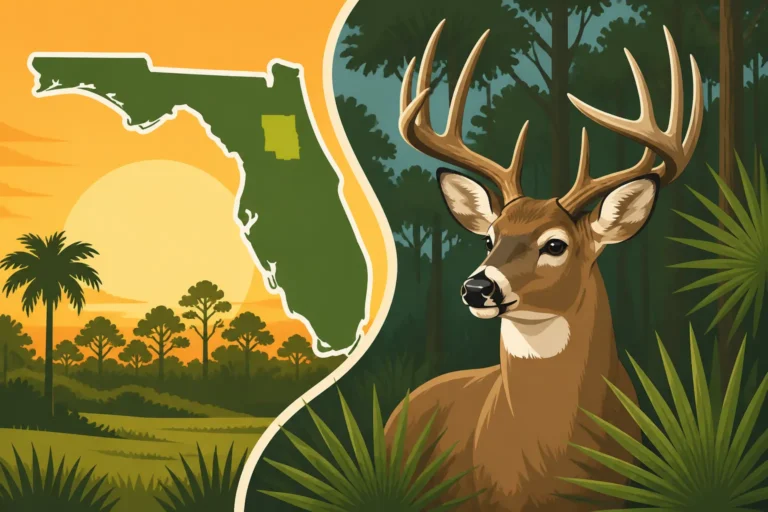
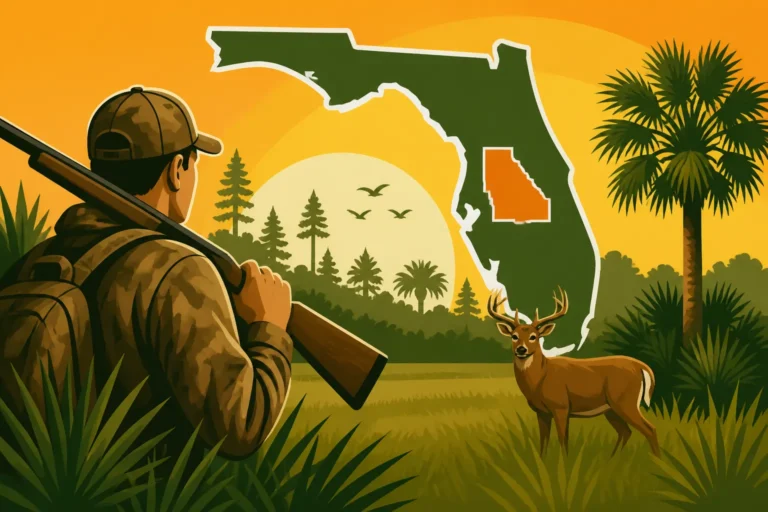
Venturing out to hunt public land in Florida can feel like a daunting task, especially when you're focusing on a specific county like Hamilton. You might find yourself staring at maps, wondering where the access points are, what the specific rules entail, and how you can possibly navigate those thick palmetto and pine flatwoods to find game. It's a common frustration, feeling like you're searching for a needle in a haystack of regulations and dense Florida foliage. This comprehensive guide is designed to cut through that confusion, giving you the practical insights and strategies you need to confidently find and hunt public land in Hamilton County, Florida.
Understanding Hamilton County's Public Hunting Landscape
Hamilton County, nestled in North Florida right on the Georgia border, offers a diverse mix of habitats that can be fantastic for hunting, but it's crucial to understand the lay of the land before you lace up your boots. Unlike some of the sprawling national forests further south, public hunting opportunities here often come in the form of Wildlife Management Areas (WMAs) or smaller tracts that require a bit more homework.
The Lay of the Land: Forests, WMAs, and Rivers
When we talk about Hamilton County, we're really looking at a mosaic of pine plantations, hardwood bottoms along river systems, and some mixed pine-oak uplands. The county is primarily traversed by the Suwannee River and its tributaries, which create vital corridors for wildlife and offer unique hunting challenges and opportunities. These riverine systems are often choked with cypress and tupelo swamps, creating dense cover where deer and hogs can thrive. Away from the rivers, you'll find vast tracts of managed pine forests, some of which are privately owned, but others are part of Florida's WMA system.
Knowing the specific WMA or state forest you're targeting is your first step. Each one has its own specific set of regulations, season dates, and even unique habitat features. For instance, a WMA predominantly made up of longleaf pine will hunt very differently from one along a major river with extensive hardwood hammocks. Don't assume that because it's public land in Hamilton County, the rules or the terrain will be the same across the board. Always double-check the specific WMA brochure for the area you intend to visit. Florida Wildlife Management Areas are often the best bet for public access.
Navigating the Permit System and Regulations
This is where many hunters hit a snag. Florida's public land system, especially within WMAs, often operates on a quota permit basis, which can be a real head-scratcher if you're not used to it. Not all areas are walk-in and hunt anytime. Many prime hunting opportunities require you to apply for and draw a quota permit, particularly for desirable game like deer and turkey during peak seasons.
If you don't draw a quota permit, all is not lost! Many WMAs have significant periods of "fall-back" or "general gun" seasons where you can hunt without a quota permit, provided you have the proper licenses and stamps. However, these are often subject to daily check-in/check-out requirements or other specific regulations, so it's critical to review the WMA brochure. Beyond the quota system, you'll also need to understand general Florida hunting license requirements, specific weapon restrictions for different seasons (e.g., archery-only, muzzleloader, general gun), and bag limits. Always carry proof of your licenses and permits, whether it's on your phone or a physical copy. Ignoring these regulations isn't just a minor oversight; it can lead to serious legal trouble and impact your future hunting privileges. You can find general information on Florida Hunting Licenses and What They Cost.
Essential Tools for Scouting and Accessing Hamilton County
Gone are the days when a paper map and a compass were your only allies (though they're still great to have!). Modern technology, combined with traditional scouting methods, can dramatically improve your chances of finding game and navigating Hamilton County's public land effectively.
Digital Mapping Apps for the Modern Hunter
If you're serious about hunting public land in Florida, a robust mapping application is no longer a luxury—it's a necessity. Apps like onX Hunt are invaluable for understanding property boundaries, identifying public versus private land, and pinpointing access points. You can use these apps to:
- Identify Public/Private Boundaries: This is perhaps the most critical feature. The last thing you want is to accidentally trespass. These apps show clear lines, often color-coded, indicating where public land ends and private property begins. This is especially vital in counties like Hamilton, where private timber company lands can butt right up against public tracts. It's truly a game-changer for respecting property lines. onX Layers for Florida Land Status offers detailed overlays that can show you so much more than just a basic map.
- Locate Access Points and Parking: Public land access isn't always obvious. Sometimes a "road" on an old map is nothing more than a two-track overgrown with palmettos. Digital maps can show you designated parking areas, gates, and roads that are legally open to vehicle traffic, saving you countless hours of driving around aimlessly.
- Scout from Afar: Before you even set foot in Hamilton County, you can use satellite imagery to identify potential hunting hotspots. Look for changes in timber type, creek bottoms, oak hammocks, power lines, or clear-cuts. These are all features that concentrate wildlife and can provide excellent ambush points. Think about how deer move from bedding to feeding areas, and use the map to visualize those travel corridors. Reading Aerial Photos for Florida Deer can give you an advantage.
- Track Your Movement: Once you're on the ground, these apps record your movements, allowing you to mark stands, rubs, scrapes, and other sign. This creates a detailed record of your hunting excursions, helping you learn the land over time.
While onX Hunt is a popular choice for its detailed parcel data and various layers, other platforms also exist that offer similar functionalities. Regardless of which platform you choose, familiarize yourself with it before you're standing in the woods with limited cell service.
Old-School Scouting and Local Knowledge
While digital tools are fantastic, nothing truly replaces boots-on-the-ground scouting. Hamilton County's terrain often holds secrets that satellite imagery simply can't reveal.
- Pre-Season Recon: Take a few trips before the season opens to walk the areas you've identified on your maps. Look for actual deer trails, rub lines, scrape areas, and hog wallows. Check water levels in swamps and creek beds, as these can drastically alter animal movement. This is your chance to see if that "thick cover" on the map is actually huntable palmetto scrub or an impenetrable briar patch. Scouting Florida Public Land Before Season is crucial for success.
- Finding Food and Water: Identify natural food sources. In fall, look for acorn-producing oaks in hardwood bottoms or pine uplands. During late season, specific browse or green fields (if available) become crucial. Knowing where the fresh water is, especially during dry periods, can also key you into animal movement.
- Talk to Locals (Respectfully!): Sometimes the best intelligence comes from those who live and breathe the area. Local tackle shops, feed stores, or even small-town diners can be sources of general information about game movement, popular access points, or even pressure levels. Be polite, share a story or two, but don't expect them to reveal their secret spots! Just gathering a general feel for the area can be incredibly helpful.
Strategies for Successful Hunting on Hamilton County Public Land
Hunting public land in Florida, especially in areas like Hamilton County, often means adapting your strategies to account for thick cover, varying habitats, and sometimes, other hunters.
Targeting Game Species and Habitat Types
Hamilton County is primarily known for its deer and hogs, with turkey opportunities in the spring. Understanding the preferred habitats for each species will guide your hunting efforts.
- White-Tailed Deer: Deer in Hamilton County thrive in the transition zones between pine uplands and hardwood bottoms. Look for areas where dense cover (palmetto thickets, young pines, cypress heads) meets food sources (oak hammocks, agricultural fields on adjacent private land, or areas with good natural browse). River corridors like the Suwannee and its tributaries are natural travel routes for deer, offering good opportunities if you can find high ground or pinch points. The Florida Deer Herd Size is healthy, but they can be elusive.
- Feral Hogs: Hogs are ubiquitous in Hamilton County. They love thick cover, especially wet areas near creeks and rivers where they can wallow and root. Look for fresh rooting sign along swamp edges, under oaks for acorns, or in planted fields. Hogs are often active at night, but early morning and late evening hunts near bedding or feeding areas can be productive. Remember, Feral Hogs Across Florida have no closed season or bag limit on private land, but WMAs have specific regulations you must follow.
- Osceola Turkeys: While true Osceolas are further south, Hamilton County is in the range of Eastern turkeys (or hybrids), offering exciting spring hunting opportunities. Turkeys will often roost in tall pines or cypress trees along river bottoms and feed in open pine woods, food plots, or field edges. Listening for gobbling activity at dawn is key. Hunting an Eastern Gobbler in Panhandle Pines can be a rewarding experience.
| Species | Preferred Habitat | Key Sign to Look For | Typical Challenges |
|---|---|---|---|
| White-tailed Deer | Pine uplands, hardwood bottoms, transition zones, river corridors | Tracks, rubs on small trees, scrapes, droppings, bedding areas | Thick cover, identifying travel corridors, hunting pressure |
| Feral Hogs | River swamps, dense palmetto thickets, agricultural edges | Rooting, wallows, tracks, rubs on trees, fresh droppings | Nocturnal habits, unpredictable movement, thick cover |
| Eastern Turkey | Pine forests with open understory, hardwood bottoms, field edges | Tracks, droppings, strut marks, dusting bowls, roost trees | Locating roosts, calling savvy birds, hunting pressure |
Dealing with Hunting Pressure and Finding Seclusion
Public land, by its very nature, means you're sharing it with other hunters. Hamilton County is no exception. However, there are strategies to find your own slice of solitude and increase your chances.
- Go Deeper: Most hunters stick close to easy access points, main roads, and well-worn trails. The further you're willing to walk, paddle, or even crawl into the deeper parts of a WMA, the less pressure you'll likely encounter. This means being prepared for longer treks, carrying more gear, and having a good navigation system. Finding Ground Others Walk Past is often the key to success.
- Hunt Mid-Week: If your schedule allows, hunting on weekdays rather than weekends can drastically reduce the number of other hunters you encounter.
- Hunt the "Unattractive" Spots: Sometimes, areas that look less appealing on a map—a dense, wet slough, a thick, briar-filled bottomland, or an area requiring a creek crossing—are precisely where pressured animals seek refuge. While less comfortable to hunt, these spots can hold hidden gems.
- Adjust Your Timing: Hunters are creatures of habit. If everyone is in their stand at first light, consider still-hunting an hour or two later when things settle down, or focusing on midday movement when others might be back at camp.
- Consider a Ground Blind: Using a Ground Blind on Florida Public Land can allow you to set up quickly in areas with minimal natural cover and can offer excellent concealment, especially in those thicker, overlooked spots. Just be sure to check WMA rules on blind placement and leaving them overnight.
Common Challenges and How to Overcome Them
Hunting public land in Hamilton County isn't always a walk in the park. You'll face unique challenges, but with preparation and a realistic mindset, you can overcome them.
Access Points and Parking Predicaments
Finding legal access can be a headache. You've identified a promising area on your map, but when you drive there, you might find a locked gate, a flooded road, or simply no discernible parking.
- Check WMA Brochures (Again!): I can't stress this enough. The official FWC WMA brochures are your bible for specific access roads, designated parking, and any vehicle restrictions. Some roads are seasonal, some require a specific permit for entry, and others are simply closed to public vehicles.
- Scout Access Points Digitally and Physically: Use your onX Hunt app to mark potential parking spots and access trails. Then, before your hunt, drive or walk these access points to confirm they are viable. Don't rely solely on what looks good on a screen; things change on the ground.
- Have a Backup Plan: If your primary access point is a bust, have one or two alternative spots identified. Be flexible; sometimes the best spots are found by adapting when your first plan falls through.
- Consider Non-Traditional Access: Can you paddle in via a canoe or kayak along a river or creek? While more physically demanding, water access often leads to less-pressured areas. Just be sure to know the regulations for watercraft on the specific WMA.
Respecting Private Land Boundaries
This is a critical ethical and legal responsibility for every hunter. Hamilton County, like much of Florida, has a patchwork of public and private land, sometimes with minimal signage. Accidentally trespassing can ruin your hunt, lead to fines, and damage the reputation of all hunters.
- Use Your Mapping App Religiously: Keep your GPS hunting app open and refer to it frequently, especially when moving through dense cover. Pay close attention to boundary lines.
- Look for Physical Markers: While not always present or perfectly maintained, keep an eye out for fence lines, posted signs, or changes in timber management that might indicate a boundary. Don't assume anything.
- Know Florida Trespass Law: Understand what constitutes trespassing in Florida and the potential penalties. Generally, if land is not explicitly marked as public, assume it is private. Always err on the side of caution. What Florida Trespass Law Requires will detail your responsibilities.
- Retrieving Game: If a wounded animal crosses onto private property, you cannot just follow it without permission. You must first contact the landowner to request permission to retrieve your game. If you can't reach them, contact the FWC (Florida Fish and Wildlife Conservation Commission) for assistance. Never risk trespassing for a downed animal.
Hunting public land in Hamilton County can be incredibly rewarding. It demands preparation, adaptability, and a deep respect for the land and its rules. But with the right tools, knowledge, and a willingness to explore, you can unlock some fantastic hunting opportunities in this beautiful corner of Florida.
Disclaimer
This article is for general informational purposes only and does not constitute professional advice. Laws, prices and regulations vary by location and change over time. Consult a qualified professional for guidance on your specific situation.