Booking a Guided Florida Bear Hunt
Florida black bears are magnificent, but pursuing them in the Sunshine State can feel like an insurmountable challenge, especially with Florida's unique hunting regulations and the bear's notoriously elusive nature. This comprehensive guide is here to demystify the process, walking you through everything you need to know about booking a guided bear hunt in Florida, helping you connect with experienced professionals who can navigate the wild for you.
Why Consider a Guided Florida Bear Hunt?
Let's be honest, hunting Florida's black bears isn't like heading to a deer camp in the Midwest. Our bears are different, our terrain is different, and the rules are certainly different. Many hunters feel overwhelmed by the sheer complexity and the limited opportunities. This is precisely where a guided hunt shines, offering a distinct advantage that can turn a frustrating pursuit into a successful and memorable experience.
The Elusive Florida Black Bear
Florida black bears, while plentiful in certain areas, are incredibly shy and often stick to the densest cover. They're not the open-country bears you might picture. Our palmetto thickets, cypress swamps, and dense oak hammocks offer them endless places to hide, making them masters of concealment. Trying to track these animals on your own, especially if you're not intimately familiar with their local habits and preferred bedding areas, can feel like searching for a needle in a haystack. Their movements are often subtle, dictated by changing food sources, water availability, and pressure from other wildlife or human activity. An experienced guide spends hundreds of hours in these environments, constantly monitoring game cameras, tracking sign, and observing patterns that would take an individual hunter years to discern. They understand the nuances of bear behavior in specific Florida ecosystems.
Navigating Limited Seasons and Quotas
Unlike some other game, Florida's bear hunting season is not an annual fixture, and when it does open, it's often brief and highly regulated. Florida's Reinstated Bear Hunting Season details just how sensitive and quota-driven these opportunities are. Hunters need a specific permit, which is often allocated through a lottery system, and the season itself might only last a matter of days, or even less if regional quotas are met quickly. This creates immense pressure and little room for error. A guided hunt ensures that if you are fortunate enough to draw a coveted permit, your limited time in the field is utilized as efficiently as possible, with a professional dedicated to helping you achieve your goal under these tight constraints. They often have real-time information on quota closures and can adapt plans accordingly.
Overcoming Public Land Challenges
Florida boasts a good amount of public hunting land, but securing access and finding productive bear habitat on these vast tracts can be incredibly challenging. Florida Wildlife Management Areas offer opportunities, but they also come with specific regulations, heavy hunter pressure in some areas, and terrain that can be difficult to navigate without local expertise. Imagine trying to scout hundreds of acres of unfamiliar swamp or dense pine flatwoods, all while competing with other hunters who might have been visiting that area for decades. A guide, particularly one operating on private land or with extensive knowledge of specific public access points and low-pressure zones, removes much of this guesswork. They know the subtle access trails, the hidden food plots, and the travel corridors that bears use to avoid human contact, greatly increasing your odds of success compared to a self-guided foray into the unknown.
Understanding Florida's Bear Hunting Landscape
Before you even start thinking about an outfitter, it's crucial to grasp the unique context of bear hunting in Florida. This isn't just about bagging a trophy; it's about participating in a carefully managed conservation effort for a species that has seen a remarkable comeback. Knowing the history and the regulatory framework will help you appreciate the importance of ethical hunting and responsible outfitter selection.
Brief History of Bear Hunting in Florida
Florida's black bear population has a fascinating recovery story. Once severely depleted by habitat loss and unregulated hunting, conservation efforts in the late 20th and early 21st centuries led to a remarkable rebound. How Florida's Bear Population Rebounded Since the 1970s is a testament to these successes. With the population reaching healthy numbers, the state's wildlife agency, FWC, cautiously reinstated limited bear hunting seasons, not primarily as a population control measure, but as a management tool and to address human-bear conflicts in specific areas. These seasons are always subject to intense public scrutiny and are meticulously planned with strict quotas. Understanding this history gives you insight into why the regulations are so tight and why the permits are so highly prized.
Where Bears Roam: Key Hunting Zones
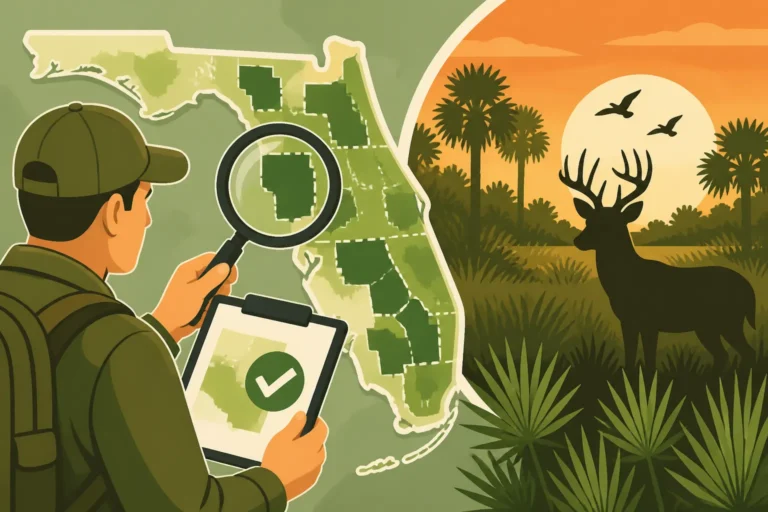
Florida's black bear population isn't evenly distributed across the state. They are concentrated in several distinct "Bear Management Units" (BMUs), which align with the major habitat strongholds. These include areas in the Panhandle, around the Ocala National Forest, and south-central Florida, among others. Each of these zones has different habitat types, bear densities, and, crucially, different quota allocations when a season is active. Florida's Thirty-One Bear Hunting Counties highlights the areas where bears are most prevalent and where hunting opportunities might exist. An outfitter specializing in a particular BMU will have intimate knowledge of that area's bear movements, preferred food sources (like acorns, palmetto berries, or even agricultural crops), and typical bedding cover, whether it's vast tracts of national forest or private timberlands.
The Importance of a Bear Permit
To hunt a Florida black bear, obtaining a specific bear permit is non-negotiable, in addition to your regular hunting license. This permit is typically awarded through a random drawing, or lottery, due to the limited number of tags issued to meet specific harvest objectives within each BMU. Florida Bear Permit Application Process is a competitive affair, and drawing one is a win in itself. Without this permit, no outfitter, no matter how good, can take you bear hunting. It's the golden ticket. Outfitters often guide clients who have successfully drawn their own permit, but some might also operate under What the Private Landowner Bear Permit Requires, which can sometimes offer different access. Always confirm the permit requirements and ensure you have yours in hand before booking any guided hunt, as this is the foundational element of your bear hunting adventure.
What to Look for in a Florida Bear Hunting Outfitter
Choosing the right outfitter is arguably the most critical decision you'll make for your guided bear hunt. This isn't a casual decision; it's an investment in your time, money, and hunting aspirations. You're entrusting someone with your safety and your opportunity to pursue a challenging animal under specific regulations. Don't rush this step.
Experience and Local Knowledge
When it comes to Florida bear hunting, there's no substitute for experience. Look for an outfitter who has a long track record specifically with Florida black bears, not just general big game. Our terrain and bear behavior are unique. An experienced guide will intimately know the local ecosystem – whether it's a vast cypress swamp or dense scrub oak – and understand how bears utilize it throughout the season. They'll know the reliable food sources, the preferred travel corridors, and the bedding areas that are often inaccessible or overlooked by less experienced hunters. Their local knowledge extends to understanding the daily patterns of bears, how they react to weather changes, and even how human pressure in an area might shift their movements. They should be able to articulate their strategies, whether it's still-hunting, using ground blinds, or understanding the wind patterns in dense cover.
Reputation and References
A reputable outfitter will have a strong positive reputation within the hunting community. Don't just rely on pretty websites or glossy brochures. Ask for references, and actually call them. Speak to previous clients about their experience, not just whether they harvested a bear, but about the professionalism of the guide, the quality of the camp, the ethical practices employed, and the overall enjoyment of the trip. A good outfitter will be transparent and eager to connect you with past clients. Online platforms like BookYourHunt can be a good starting point for finding verified outfitters and reading reviews, but always follow up with direct conversations. Similarly, hunting forums or local Florida hunting groups on social media can offer unfiltered insights into an outfitter's standing. Ask about their safety record, their adherence to FWC regulations, and how they handle unforeseen circumstances, such as bad weather or a missed opportunity.
Understanding Outfitter Services and Inclusions
Outfitter packages can vary wildly. Some might offer a bare-bones guide service, while others provide an all-inclusive experience. Before you commit, get a clear, itemized list of what's included in your guided bear hunt. This should cover the number of hunting days, whether accommodation and meals are provided, transportation in the field, field dressing of your bear, and caping/quartering services. Will they assist with taxidermy arrangements or meat processing? What about transportation to and from a local airport if you're traveling from out of state? Confirming these details upfront prevents unwelcome surprises later. For instance, What an Outfitted Bear Package Includes will likely differ from a simple day rate for guiding services. Ensure clarity on weapon restrictions, what gear you need to bring, and any specific expectations the outfitter has for client fitness or hunting experience.
| Feature / Service | Included? | Notes & Questions to Ask |
|---|---|---|
| Guiding (Days) | How many actual hunting days? Is travel day extra? | |
| Accommodation | Lodge, cabin, tent, hotel? Is it shared or private? | |
| Meals | All meals, or just lunch in the field? Special dietary needs? | |
| Transportation in field | ATV, truck, airboat? From camp to hunting spot? | |
| Field dressing | Who performs it? Is it included in the price? | |
| Caping / Quartering | Done on-site? Ready for taxidermy/processor? | |
| Meat Processing | Referral to processor, or included in package? Cost? | |
| Taxidermy Prep | Will they salt/prepare hide? Referral to local taxidermist? | |
| Licenses/Permits | Your responsibility. Will they help you acquire them? | |
| Gear/Equipment | Any required gear provided (e.g., ground blinds)? Bring your own? | |
| Emergency Plan | What's their plan for injuries or unforeseen events? | |
| Success Rate Claims | How do they define "success"? What's their actual track record? | |
| Group Size | Will you be hunting alone with guide, or with other clients? |
The Process of Booking Your Guided Bear Hunt
Once you've done your initial research and identified a few potential outfitters, it's time to engage with them directly. This is where you get into the nitty-gritty of planning your hunt. Remember, drawing a Florida Bear Permit Lottery Odds tag is a huge step, and securing a quality guide is the next one.
Researching and Contacting Outfitters
Start by compiling a list of potential outfitters. Websites, hunting magazines, and online resources are good places to begin. Platforms like BookYourHunt or GoHunt often feature listings and initial reviews, which can help you narrow down your options. Once you have a shortlist, reach out to them. Email is a good starting point to introduce yourself and state your interest, but a phone call is essential for a more personal connection and to truly gauge their communication style and expertise. Be prepared with specific questions about their experience, their success rates (and how they define them), the areas they hunt, and their available dates that align with the potential short bear season. Ask about their hunting philosophy and what makes their operation unique.
Asking the Right Questions
When you're on the phone, don't be shy. This is your investment. Beyond the standard questions about inclusions and costs, delve deeper. Ask about their contingency plans for bad weather or if a bear quota is met early in the season, which can shorten Florida Bear Season Length in Days. Inquire about the typical size of bears harvested in their area and what measures they take to ensure ethical shots and quick recoveries. Ask how they scout, what kind of sign they look for, and their approach to stand placement or stalking. Discuss their safety protocols in the field. A professional outfitter will welcome these questions and be able to provide clear, confident answers. Pay attention to how they respond; do they sound knowledgeable and transparent, or vague and evasive? Are they genuinely interested in your hunting goals?
Contract, Deposits, and Preparation
Once you've chosen an outfitter, they will provide a contract. Read this document thoroughly. It should detail all agreed-upon services, dates, costs, payment schedules, and cancellation policies. Pay close attention to the deposit requirements and refund policies, especially given the unpredictable nature of bear seasons. What Happens If You Don't Fill Your Bear Tag or if the season closes early? These are critical clauses. After signing and sending your deposit, the real preparation begins. The outfitter should provide you with a list of recommended gear, clothing suggestions appropriate for Florida's weather (which can be hot and humid, even in late fall/early winter), and any specific physical conditioning advice. This is also the time to ensure all your licenses and permits, especially your bear permit, are in order and that your weapon is sighted in and you're proficient with it.
Costs Associated with a Guided Florida Bear Hunt
Let's address the elephant in the room – or rather, the bear in the swamp: the cost. A guided hunt is an investment, and understanding the full financial picture upfront is crucial for planning. While I can't give you exact numbers, I can help you understand the components of the cost, so you can budget realistically.
Outfitter Fees and Packages
The core of your expense will be the outfitter's fee. This can vary significantly based on the duration of the hunt, the inclusions (meals, lodging, transportation), the reputation of the outfitter, and the exclusivity of the hunting grounds (e.g., private land versus guiding on public land). Expect packages to range from a few days to a week. Some outfitters might offer different tiers, such as a basic guide service where you handle your own lodging and food, versus an all-inclusive lodge experience. The cost can also be influenced by the demand for bear tags in a given year. Remember, you're not just paying for the guide's time; you're paying for their years of experience, their scouting efforts, their equipment, and their access to prime bear habitat.
License, Permit, and Other State Fees
Beyond the outfitter's fee, you'll need to account for state-mandated costs. First, you'll need a valid Florida hunting license. Then, there's the specific Florida bear permit, which, as mentioned, is usually obtained through a lottery. While the cost to apply for the lottery might be nominal, the permit itself will have an associated fee if you are drawn. Florida Resident License Options and Florida Nonresident License Options will show you the basic costs for your general hunting license. Factor in the cost of a Florida Migratory Bird Certification if you plan to hunt any migratory birds on the same trip, though this is unrelated to bear. Always check the FWC website for the most current fee schedule, as these can change.
Hidden Costs and Gratuities
Don't let unexpected expenses catch you off guard. Beyond the obvious, consider:
- Travel Costs: Airfare or gas, depending on how you're getting to the hunt location.
- Taxidermy and Meat Processing: Unless explicitly included, these are often separate costs. A quality taxidermist or butcher can add a significant amount to your post-hunt expenses.
- Gear: Do you have all the necessary clothing, boots, and hunting equipment? This could be a substantial upfront cost if you're starting from scratch.
- Gratuities: It's customary to tip your guide, often based on a percentage of the hunt cost or a set daily rate, especially if they've worked hard and provided a great experience. Tipping a Florida Hunting Guide is a good article to review to understand expectations.
- Contingency Fund: Always have a little extra tucked away for unforeseen circumstances, like unexpected repairs, extra nights of lodging due to weather, or additional supplies.
Maximizing Your Chances on a Guided Bear Hunt
Booking a guide is a huge step toward success, but it's not a guarantee. You still have a vital role to play in preparing yourself to make the most of the opportunity. Your preparation, understanding, and attitude can significantly impact the outcome of your hunt.
Physical and Mental Preparation
Florida hunting, especially for a challenging animal like a bear, can be physically demanding. Our terrain often involves slogging through thick palmetto, navigating cypress knees in swamps, or walking long distances in humid conditions. You don't need to be a marathon runner, but good cardiovascular fitness and leg strength will make your hunt much more enjoyable and increase your stamina for long days in the field. Start a walking routine, focusing on uneven terrain. Mentally, prepare for potential discomforts: heat, insects, and long periods of quiet waiting. Bear hunting, particularly on public land or for elusive animals, often involves a lot of patience. A positive, resilient mindset will serve you well when faced with challenges or slow periods. Don't go into it expecting a guaranteed quick harvest; enjoy the entire experience of being in Florida's wild.
Understanding Bear Behavior and Habitat
While your guide will be the expert on the ground, having your own foundational knowledge of Florida black bear behavior and habitat will make you a better, more engaged hunter. Read up on Black Bears in Florida, their diet, their typical daily movements, and how they react to human presence. Understand that bears are omnivores, and their food sources change seasonally. In the fall, they might be focused on acorns or palmetto berries. Knowing this helps you understand why your guide chooses certain locations or tactics. Be prepared to adapt. If the guide tells you the wind is crucial for a particular setup, understand why. Being knowledgeable allows you to communicate better with your guide and be a more effective partner in the hunt.
Ethical Hunting Practices and Regulations
Participating in a guided bear hunt in Florida means upholding the highest ethical standards. Ensure you are familiar with all FWC regulations regarding bear hunting, including legal weapons, harvest reporting, and carcass transportation. Your guide will reinforce these, but it's your responsibility to know them. For instance, you'll need to report your harvest promptly, which is a critical part of the state's management of Florida's One-Hundred-Eighty-Seven Bear Quota. This includes proper shot placement to ensure a quick, humane harvest, and diligent tracking to recover your animal. Never take a shot you're not confident in. Respect the animal, the land, and the regulations. An ethical hunter contributes to the positive perception of hunting and helps ensure future opportunities.
What to Expect During Your Hunt
The anticipation leading up to a bear hunt is part of the thrill! Knowing what a typical guided hunt day might entail can help manage expectations and allow you to fully immerse yourself in the experience.
Typical Daily Schedule
While every outfitter and hunting scenario is unique, a typical guided bear hunt in Florida will often involve early mornings and late evenings. You might be up well before dawn, heading out to a pre-scouted area where bears are known to frequent. This could involve a quiet walk to a ground blind or stand, or a strategic approach to still-hunt a specific cover type. The middle of the day might involve returning to camp for a meal and a break, or continuing to scout new areas, especially if conditions change or sign is fresh. Evenings will see you back in a prime location, often until last light. Expect long periods of quiet observation, broken by moments of intense focus. Your guide will be in constant communication, giving you updates on what they're seeing or hearing, and adjusting plans as needed. Flexibility is key; Florida weather or bear movements can necessitate quick changes to the schedule.
Post-Harvest Procedures
Congratulations, you've harvested a Florida black bear! The work isn't over yet. Your guide will assist with the crucial post-harvest steps. This includes field dressing the animal quickly and efficiently, which is particularly important in Florida's warmer climate to preserve the meat. They will also help with caping and quartering the bear, preparing the hide and meat for transport. You will also need to comply with FWC's tagging and reporting requirements. This usually means applying your CITES tag immediately and reporting the harvest to FWC within a specified timeframe, often via their app or website. Your guide will be intimately familiar with these rules and will walk you through each step. Discuss arrangements for getting your meat to a processor and your hide/skull to a taxidermist; some outfitters offer these services or have trusted local contacts.
Handling Unforeseen Circumstances
Even with the best planning, unforeseen circumstances can arise. Weather in Florida can be unpredictable, with sudden thunderstorms or extreme heat. Your guide will have contingency plans for these situations, which might include shifting hunting times, seeking shelter, or moving to different locations. Safety is paramount. Accidents can happen, and a good outfitter will have clear emergency procedures, including first aid kits, communication devices, and knowledge of the nearest medical facilities. Be prepared for the possibility that you might not harvest a bear. Hunting is called hunting, not catching, for a reason. What Happens If You Don't Fill Your Bear Tag is a question to address with your outfitter upfront. A professional guide will still ensure you have a valuable and memorable experience, regardless of whether you take an animal, focusing on the quality of the hunt and the immersion in Florida's wild spaces.
Disclaimer
This article is for general informational purposes only and does not constitute professional advice. Laws, prices and regulations vary by location and change over time. Consult a qualified professional for guidance on your specific situation.