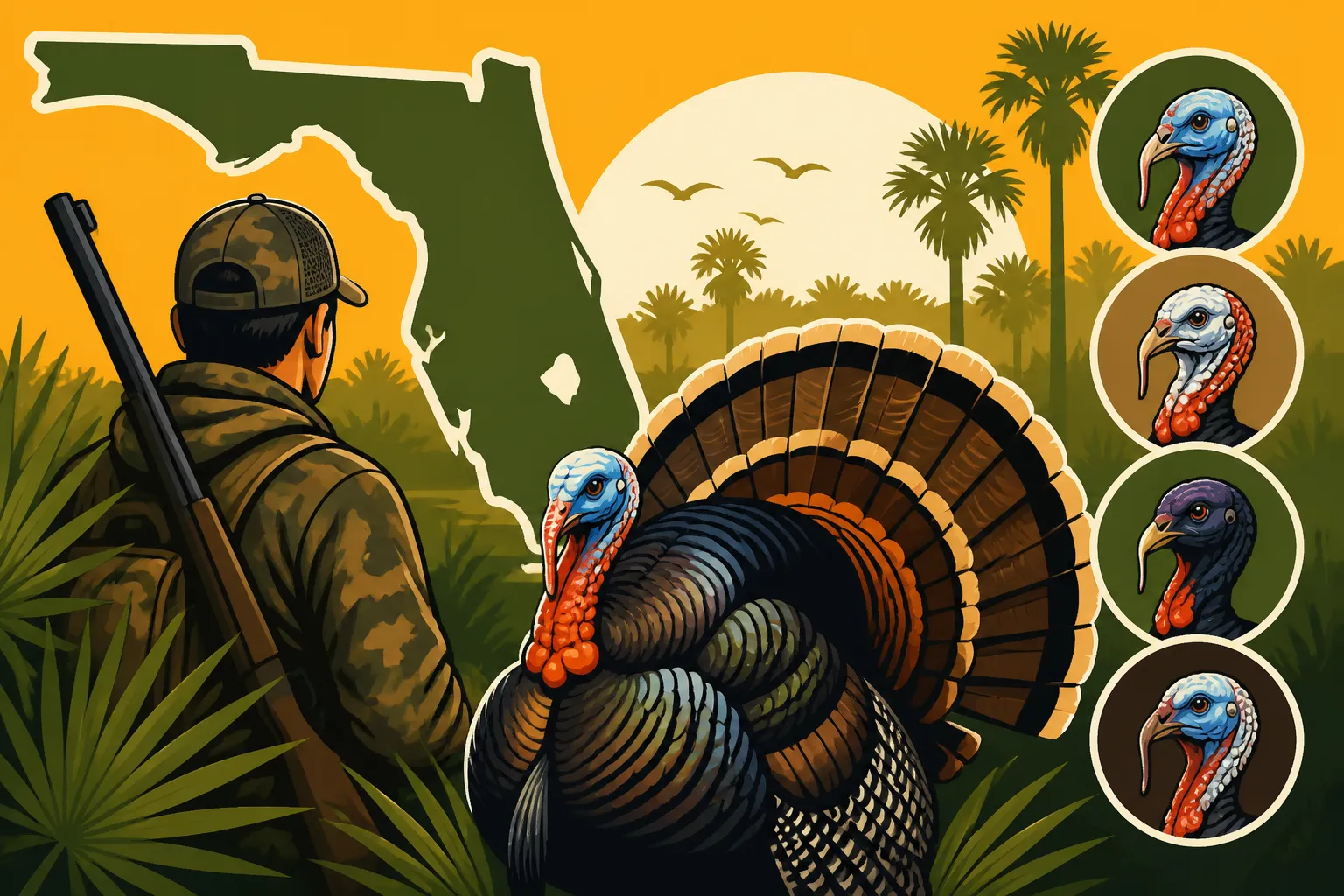
Completing a Turkey Grand Slam With an Osceola
For many dedicated turkey hunters, the ultimate quest isn't just harvesting a bird, but achieving the coveted Grand Slam – taking all four (or five, depending on how you count it!) distinct subspecies of wild turkey across North America. Often, the final, most challenging piece of that puzzle is the elusive Osceola gobbler, found only in the unique habitats of peninsular Florida. This guide will walk you through everything you need to know to successfully hunt this wily bird and put the finishing touch on your Grand Slam dream.
The Elusive Osceola: The Crown Jewel of a Turkey Grand Slam
There’s something truly special about the pursuit of a Grand Slam. It's a journey that takes you across diverse landscapes, tests your skills against different birds, and deepens your appreciation for North America's wild turkey populations. For many, the Eastern, Rio Grande, and Merriam's turkeys might fall with diligent effort, but the Osceola, with its limited range and often tight-lipped nature, often becomes the final, most anticipated challenge. It’s not just another turkey; it’s a distinct genetic lineage, a bird that has adapted perfectly to Florida’s unique blend of swamps, pine flatwoods, and palmetto scrub.
Why the Osceola Stands Apart
The Osceola turkey, Meleagris gallopavo osceola, is a distinctly Florida bird, smaller and darker than its Eastern cousin, with less white barring on its primary wing feathers. But it's not just the subtle physical differences that make it unique; it's the hunting experience itself. These birds are renowned for being incredibly smart and often call shy, especially on pressured public lands. They don't typically gobble with the same aggressive abandon you might find from a Merriam's in the wide-open West, or even an Eastern in prime hardwood timber. Their habitat often dictates a different style of hunting, favoring patience, stealth, and a keen understanding of their movements through thick vegetation. The sheer difficulty of closing the deal on a savvy Osceola is what elevates it to such a prized position for turkey hunters aiming for their Grand Slam.
Understanding the Osceola's Unique Range
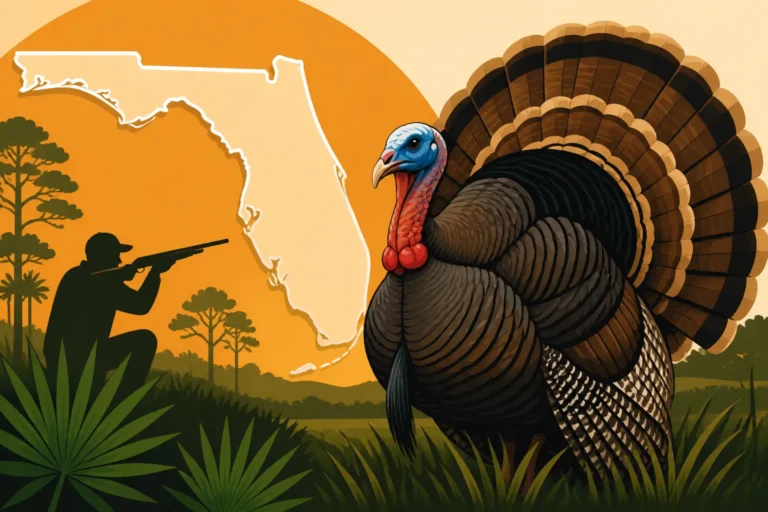
The Osceola's world is peninsular Florida. This isn't a bird you'll find hopping across state lines or ranging far and wide. Its domain begins roughly south of a line drawn from Jacksonville west to the Aucilla River and extends down to the Everglades. This exclusive range means that if you want an Osceola for your Grand Slam, you must come to Florida. The landscape itself is part of the challenge – from vast, open pine flatwoods dotted with cypress heads to dense palmetto thickets and sprawling swamps, it’s a terrain that demands adaptability. Understanding the specific microhabitats within this range, such as oak hammocks, food plots, and natural clearings, is crucial for predicting where these birds will be roosting, feeding, and strutting. You'll want to learn more about Osceola Turkey Range and Genetics before you arrive.
The Grand Slam Journey: More Than Just a Bird
Achieving a Turkey Grand Slam is more than just bagging four different birds; it's a testament to a hunter's dedication, skill, and willingness to adapt. Each subspecies presents its own unique set of challenges and rewards. The Osceola often serves as the capstone, the final, often hard-earned victory that signifies true mastery of the turkey woods. The stories you'll gather, the places you'll see, and the people you'll meet along the way are just as valuable as the birds themselves. Many hunters consider the Osceola the most difficult of the four, not necessarily because of its size, but because of its wariness and the challenging environment it calls home. It's a true test of your ability to pattern, call, and remain patient, often in hot, humid conditions that are a far cry from the crisp spring mornings you might experience elsewhere.
Pinpointing the Florida Osceola's Domain
Florida's unique geography plays a huge role in Osceola turkey hunting. Unlike the more broadly distributed Easterns or Rios, the Osceola is geographically constrained, making precise location scouting even more critical. Knowing the general areas where these birds thrive is just the first step; understanding the specific types of cover they prefer and how they move through it will ultimately lead to success.
Defining Peninsular Florida's Osceola Habitat
The Osceola turkey's range is strictly limited to peninsular Florida, meaning south of a specific line that generally runs from the St. Johns River system on the east, west across the state roughly around Gainesville, and then down towards the Big Bend coast. North of this line, you're primarily in Eastern turkey territory. Within this peninsular zone, you'll find a mosaic of habitats: vast pine flatwoods, often interspersed with saw palmetto and wiregrass; cypress swamps and sloughs that provide vital roosting and refuge areas; and hardwood hammocks, typically elevated islands of oak, hickory, and other deciduous trees that offer food sources and denser cover. The key to hunting these areas is often understanding the transition zones between these different habitat types, as turkeys frequently use these edges for travel, feeding, and strutting. They might roost in a tall cypress swamp but spend their morning feeding in an adjacent oak hammock before moving into open pine flatwoods to strut.
Navigating Public Lands for Osceolas
Florida offers a significant amount of public hunting land through its Wildlife Management Area (WMA) system and national forests. These areas can hold good populations of Osceola turkeys, but they often come with increased hunting pressure and specific regulations. Many WMAs operate on a quota hunt system, requiring hunters to apply for a limited number of permits through a lottery. This can be a frustration for hunters trying to plan a trip, but it also helps manage pressure and can lead to better quality hunts. For those without quota permits, there are still plenty of opportunities on general gun or archery areas. When planning a public land hunt, a tool like GoHunt or BookYourHunt can be invaluable for researching WMA regulations, boundary lines, and access points. You'll need to be prepared to walk, often through dense cover, and scout extensively. Scouting Florida Public Land Before Season is a must. Patience and persistence are absolutely critical when hunting these areas, as the birds are often highly educated and wary of human presence. Look for areas with diverse habitat, especially those with good roosting timber near feeding zones.
The Value of Private Land Access
While public lands certainly offer opportunities, many hunters pursuing an Osceola for their Grand Slam opt for private land access, either through a lease, personal connection, or a guided hunt. Private lands typically offer less pressure, more controlled access, and often better habitat management geared towards turkeys. This can translate to more consistent gobbling, less wary birds, and a higher chance of success. Securing private land access can be challenging and often involves significant cost, but for many, the investment is worth it for the increased odds of tagging an Osceola. Some landowners lease out hunting rights, while others may offer day hunts. If you're considering a private land hunt, make sure to thoroughly vet the outfitter or landowner and understand exactly what's included and expected. It's not uncommon for hunters to book a trip well in advance, sometimes even a year or more out, especially if targeting a specific Florida Osceola Spring Season Dates opener.
Proven Strategies for Osceola Success
Hunting Osceola turkeys demands a refined approach. These birds aren't always going to come charging in, and the dense Florida habitat means you often have to adapt your typical turkey hunting tactics. Forget what you think you know about calling aggressive Easterns in open hardwoods; the Osceola requires a more nuanced game plan.
Mastering the Art of Calling Florida Gobblers
Osceolas are notoriously difficult to call consistently. They can be incredibly vocal on the roost but often "gobble on the limb" and then go silent once they hit the ground. They're wary, and over-calling is a common mistake that can send them packing. Instead of aggressive calling, often a more subtle, patient approach works best. Start with soft tree yelps and clucks to locate them on the roost. Once they're on the ground, try light yelps, clucks, and purrs, mimicking a contented hen. Sometimes, a series of excited cutts and cackles can provoke a response, but it's often best to let the bird dictate the pace. Don't be afraid to go silent for extended periods, allowing the bird to wonder where the "hen" went. When hunting thick palmetto or pine flatwoods, the sound doesn't carry as far, so you might need to adjust your calling volume accordingly. If you hear him gobble, resist the urge to immediately hit him with another round of calls; often, silence and patience will pique his curiosity more effectively. Rattling Volume in Thick Florida Scrub might not apply to turkeys, but the principle of sound dissipation in dense cover certainly does.
Decoy Tactics for Open Flatwoods and Thick Cover
Decoy usage for Osceolas can be a game-changer, but it requires careful consideration of the terrain. In open pine flatwoods or fields, a single hen or a pair (hen and jake) can be effective. They provide a visual focal point, drawing the gobbler's attention away from your setup and giving you an opportunity to adjust your gun or bow. However, in dense palmetto or cypress sloughs, where visibility is limited, decoys can be less effective or even a hindrance. If a gobbler can't see the decoy, he might hang up out of range, unwilling to commit further into unseen danger. When using decoys, always set them up so the gobbler approaches from your strong side and gives you a clear shot. Consider fan-strutting tactics if legal and safe in your area, but be extremely cautious, especially on public land, and always identify your target positively. Decoy placement is key to success, and understanding Decoy Placement for Pressured Osceola Birds can make all the difference.
Roosting and the Morning Play
One of the most effective strategies for Osceola turkeys is to roost a bird the evening before your hunt. Locating where a gobbler goes to sleep allows you to set up well before first light, positioning yourself strategically within his likely morning flight path or strutting zone. Listen for gobbles, fly-up cackles, or even the distinct sound of a turkey flapping into a tree at dusk. Once you've located a roost, plan your silent approach in the dark, ensuring you get as close as possible without disturbing the bird. Position yourself with good back cover, like Setting Up Against a Big Live Oak or against a thick palmetto clump. At first light, start with soft, contented calls, allowing the bird to pitch down and begin his morning routine. Osceolas often gobble heavily on the roost, but once on the ground, they can clam up and be tough to pull from their hens. Having the jump on them in the morning dramatically increases your odds.
Planning Your Osceola Grand Slam Expedition
Successfully bagging an Osceola isn't just about hunting skill; it's also about meticulous planning and understanding the regulatory landscape. Florida's specific season dates, permit requirements, and unique hunting conditions all play a role in how you plan your trip.
Securing Your Florida Osceola Zone Turkey Permit Rules
Unlike some states where a general hunting license covers turkeys, Florida has specific permit requirements for turkeys, and these can vary slightly by zone. For Osceolas, you'll be focused on the statewide turkey permit. These permits are typically available for purchase online or through license agents. As a non-resident, the cost will be higher than for residents, and you might consider multi-day or annual options depending on your overall hunting plans in Florida. Always check the current regulations on the Florida Fish and Wildlife Conservation Commission (FWC) website or app well in advance of your trip. There are no special lottery permits for Osceola turkeys on a statewide level, but individual WMAs may have quota hunts that require a separate application process. Ensuring you have all necessary licenses and permits before you step into the woods is non-negotiable. You can find detailed information on Florida Osceola Zone Turkey Permit Rules to make sure you're squared away.
Timing Your Hunt: Peak Gobbling and Season Dates
The Florida spring turkey season for Osceolas typically opens in March and runs into April. While birds can be harvested throughout the season, many hunters target the opening week or the first two weeks, hoping to capitalize on less pressured birds and peak gobbling activity before hens become heavily bred. However, the later weeks can also be productive as hens begin to nest, leaving gobblers more inclined to respond to a lone hen call. Weather plays a significant factor; a cold front can suppress gobbling, while warm, sunny days often bring out the most vocal birds. Check historical weather patterns for the area you plan to hunt and consider the Florida Osceola Spring Season Dates to align your trip with optimal conditions. Remember, Osceolas can go quiet quickly, so being in the woods when they are most active is crucial.
Essential Gear and Logistics for a Florida Turkey Hunt
Florida hunting conditions can be tough. Expect heat, humidity, and plenty of insects – especially mosquitoes and ticks. Your gear list should reflect this. Lightweight, breathable clothing in camo patterns that blend with the palmetto and pine is essential. A good quality thermacell or bug spray is a must-have. Footwear should be waterproof and comfortable for long walks through wet, sandy, or muddy terrain. A comfortable ground seat or cushion is important for long waits. Calls should include a box call, slate call, and mouth calls to vary your sounds. A reliable shotgun with a tight choke and appropriate turkey loads, or a crossbow for Crossbow Hunting During Florida's Archery Season, is standard. Don't forget water, snacks, a fully charged phone with a hunting app (like GoHunt or onX maps), and a flashlight or headlamp for navigating in the dark. Sun protection, including a hat and sunscreen, is also vital.
Partnering for Success: Guides, Outfitters, and Community
For many hunters, especially those traveling a long distance for their Grand Slam Osceola, bringing in outside help or tapping into local knowledge can make all the difference. While self-guided hunts are possible, the challenges of Osceola hunting often lead hunters to consider a more supported approach.
| Factor | Self-Guided Osceola Hunt | Guided Osceola Hunt |
|---|---|---|
| Cost | Lower upfront (licenses, travel, gear, lodging) | Higher upfront (guide fees, lodging, meals often included) |
| Knowledge | Requires extensive personal scouting & research | Relies on guide's local expertise, land, and turkey patterns |
| Access | Limited to public lands or pre-arranged private access | Often provides access to prime private land with established blinds |
| Success Rate | Variable, highly dependent on hunter's skill & scouting | Generally higher due to guide's experience and controlled land |
| Flexibility | High (can change plans, move locations) | Lower (tied to guide's schedule and plan) |
| Logistics | Hunter responsible for all travel, meals, lodging, field care | Guide often assists with or provides lodging, meals, field care |
| Experience | Raw, immersive, full personal accomplishment | Learning opportunity, shared experience, potentially less stress |
When a Guided Hunt Makes All the Difference
Hunting with a guide or outfitter can dramatically increase your chances of success, particularly for a Grand Slam Osceola. These professionals often have access to prime private lands, which are typically less pressured and hold higher turkey populations. They spend countless hours scouting, know the birds' patterns, and understand the nuances of calling them in specific terrains. For hunters with limited time, or those unfamiliar with Florida's unique habitat and the specific behaviors of Osceolas, a guide offers invaluable expertise. They handle the logistics, often including meals, lodging, and even field care of your bird. While a guided hunt represents a significant investment, the increased odds of success and the peace of mind knowing you're in capable hands can be well worth it, especially if this is the final piece of your Grand Slam. You'll want to ask about What a Guided Osceola Hunt Costs and what's included.
Vetting and Booking Your Osceola Outfitter
If you decide to go with a guide, choosing the right one is paramount. Start by researching reputable outfitters online, reading reviews, and checking references. Look for guides who specialize in Osceola turkeys and have a proven track record. Websites like BookYourHunt can be a useful starting point for finding and comparing outfitters, often providing details on packages and availability. Contact potential guides directly to discuss their approach, their land access, success rates, and what their packages include. Ask about their cancellation policies, especially regarding weather. Be clear about your expectations, and ensure the guide understands that your primary goal is an Osceola for your Grand Slam. Many top outfitters book out years in advance, especially for the prime Booking an Osceola Hunt for Opening Week, so plan accordingly. Don't hesitate to ask for references from past clients and follow up with them about their experiences.
Leveraging Resources: Forums, Maps, and Local Knowledge
Even if you opt for a self-guided hunt, or as a supplement to a guided trip, leveraging community and technological resources is smart. Online hunting forums and social media groups dedicated to Florida turkey hunting can be treasure troves of information, tips, and even offer connections for private land access. Just remember to take advice with a grain of salt and verify information. Mapping apps like GoHunt or onX maps are indispensable for scouting, navigating public lands, identifying habitat features, and understanding property boundaries. These tools, combined with a willingness to knock on doors and talk to locals (farmers, landowners, small-town residents), can provide critical insights into turkey movement, roosting areas, and potential access opportunities. The more local knowledge you can gather, the better prepared you'll be to put an Osceola gobbler on the ground.
Disclaimer
This article is for general informational purposes only and does not constitute professional advice. Laws, prices and regulations vary by location and change over time. Consult a qualified professional for guidance on your specific situation.