Finding a Taxidermist Near Your Hunt
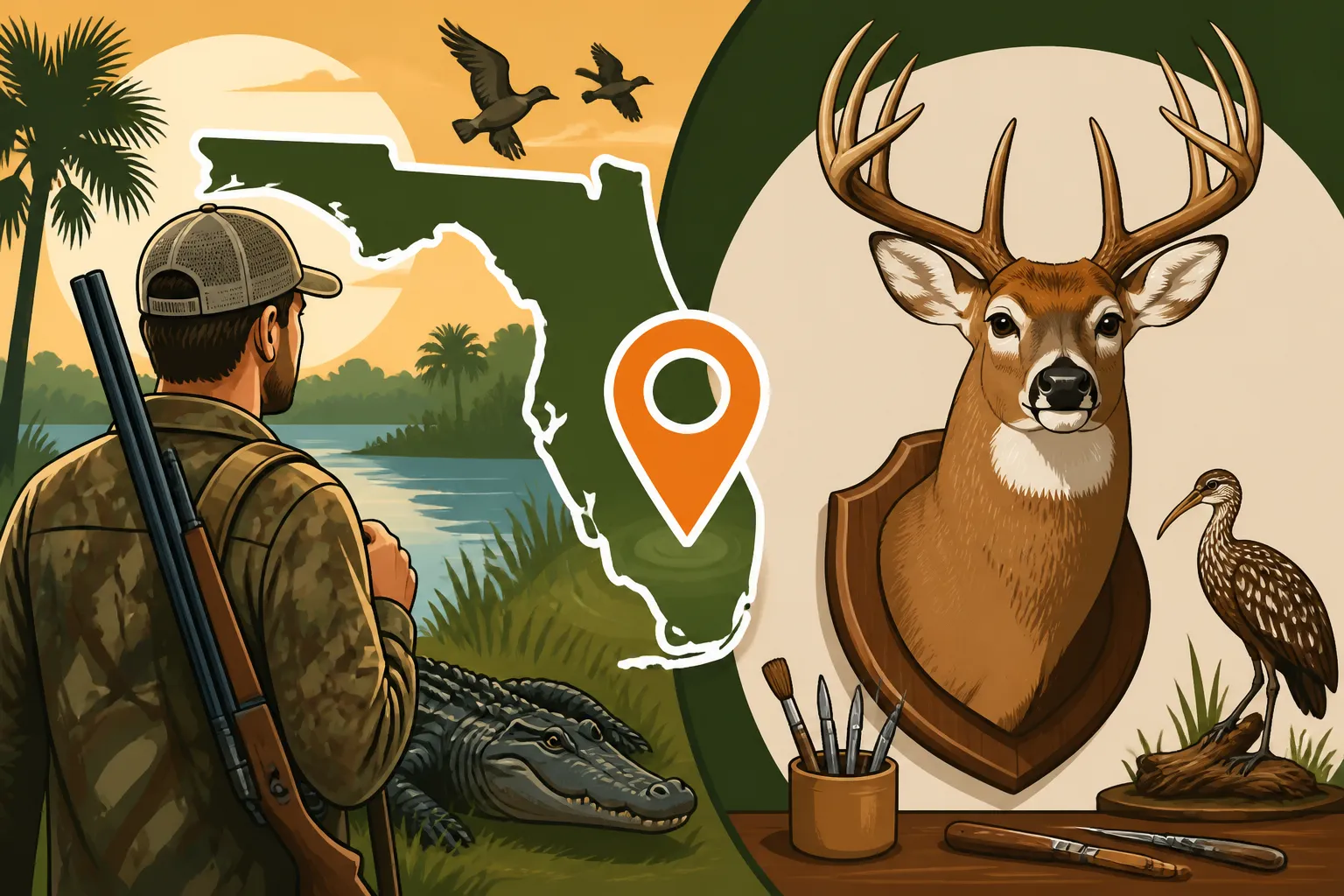
It's a moment every hunter dreams of: the successful culmination of a challenging hunt, the hard-earned trophy in hand. But once the adrenaline fades, a new kind of challenge often emerges, especially when you're far from home in a place like Florida: what do you do with your magnificent animal now? This guide is here to walk you through the practical steps of finding a reliable taxidermist near your hunting location in Florida, ensuring your prized trophy is preserved beautifully for years to come.
The Urgency of Finding a Local Taxidermist After a Florida Hunt
Florida's unique environment, particularly its heat and humidity, creates a pressing need for quick and effective trophy preservation. Unlike cooler climates where you might have a little more leeway, the clock starts ticking fast here.
Preserving Your Trophy in Florida's Climate
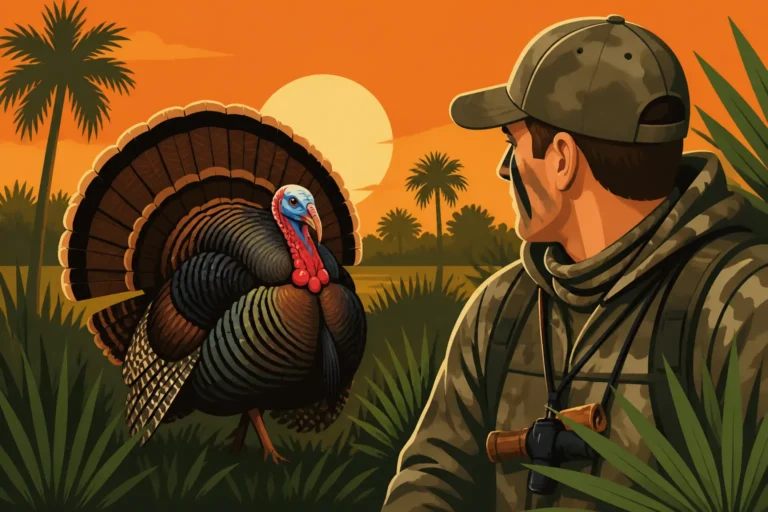
Imagine you've just harvested a magnificent Osceola turkey deep in the palmetto scrub or a hard-earned buck from a Central Florida oak hammock. The joy is immense, but the warmth of the Florida air means bacteria can begin to affect the hide almost immediately. Temperatures can soar, even during early deer or late turkey seasons, and the humidity hangs heavy. Without proper, swift cooling or freezing, hair slip can occur, meat can spoil, and your trophy's potential as a future mount can be severely compromised. Finding a taxidermist quickly, or at least a facility to properly freeze your caped hide, is paramount to prevent irreversible damage. This isn't just about aesthetics; it's about respecting the animal and your effort. Knowing the steps for Field Dressing a Deer in Hot Weather is a critical first step, but what comes after is equally vital.
Logistics of Transporting a Trophy Home
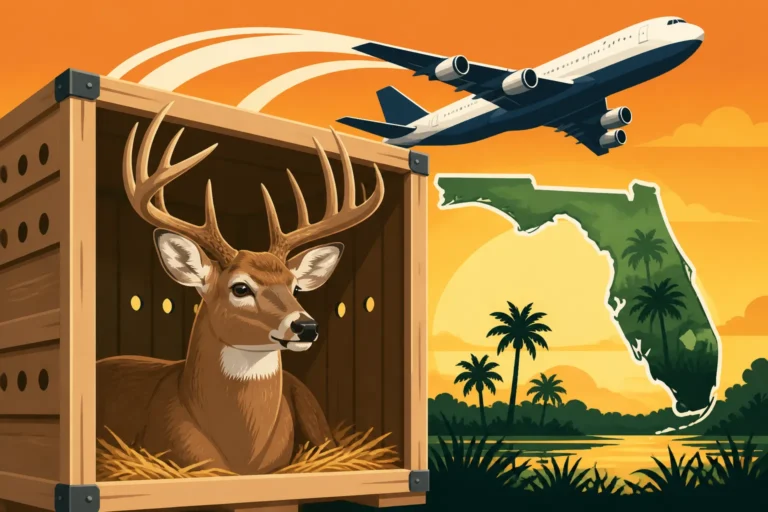
Let's be honest, trying to transport a full deer carcass or a large alligator hide, especially from a remote hunting camp or a weekend trip, across state lines is a logistical nightmare. Even moving it across Florida from, say, the Panhandle down to the Everglades can be a major hassle. You're dealing with coolers, ice, potential leaks, and the sheer bulk of it all. Freezing a caped hide takes up significant space, and ensuring it stays frozen during a long drive or flight is a constant worry. A local taxidermist can receive your trophy directly, often right after you've caped it in the field, taking that immense pressure off your shoulders. They have the proper facilities to handle everything from initial salting to long-term freezing, allowing you to focus on enjoying the memory of your hunt rather than the stress of transport. It's often easier to ship a finished mount later than it is to transport raw material.
Practical Methods for Locating a Quality Taxidermy Service
Finding a good taxidermist is less about stumbling upon one and more about strategic research and tapping into the right networks. You want someone reputable, skilled, and ideally, experienced with Florida's specific game species.
Tapping into Local Networks and Outfitters
The best first line of inquiry is always local. Your hunting guide or outfitter is an invaluable resource. They work with hunters constantly and almost certainly have relationships with several trusted taxidermists in the area. When you're Booking a Guided Florida Deer Hunt or even an Alligator Hunting Florida's Lakes and Rivers trip, don't hesitate to ask your guide for recommendations before your hunt, or at least right after your successful harvest. Lodge owners, local game wardens, and even fellow hunters at check stations or local diners can point you in the right direction. Many outfitters, especially those found through platforms like BookYourHunt, will even have partnerships or preferred taxidermists they regularly send clients to, sometimes even offering assistance with delivery after the hunt. This network can save you immense time and ensure you're working with someone known for quality.
Online Search and Community Resources
In today's digital age, a quick online search is a powerful tool. Google Maps can reveal taxidermists within a certain radius of your hunting area. Websites specializing in hunting services often list taxidermists, and you can usually see reviews from other hunters. Look for taxidermists whose online portfolios showcase work on animals similar to what you've harvested in Florida – whether it's an Osceola turkey, a Florida whitetail, or an alligator. Hunting forums, Facebook groups dedicated to Florida hunting, and community platforms like GoHunt are also fantastic places to ask for recommendations from people who have real-world experience. Pay attention to comments about quality, turnaround time, and professionalism. Remember, a glossy website doesn't always guarantee quality, but good reviews from satisfied hunters usually do.
FWC Resources and Check Stations
While the Florida Fish and Wildlife Conservation Commission (FWC) doesn't endorse specific businesses, their public lands or check stations sometimes have bulletin boards with local advertisements. More importantly, FWC staff members, while they can't recommend services directly, are often deeply ingrained in the local hunting community and might implicitly know which services are well-regarded or, conversely, which ones to avoid. It never hurts to ask for general information about local services or facilities that might offer cold storage, which can buy you crucial time if you haven't yet secured a taxidermist. When you're at a mandatory check station, like those sometimes found during quota hunts, observe if other hunters are discussing where they're taking their trophies.
| Method of Finding a Taxidermist | Pros | Cons | Best For |
|---|---|---|---|
| Ask Your Guide/Outfitter | Direct, trusted recommendations; convenience; often pre-arranged delivery. | Limited to their network; may not be the cheapest option. | Hunters with guides/outfitters looking for ease and reliability. |
| Online Search (Google, Yelp) | Broad options; access to reviews; good for research. | Can be overwhelming; review quality varies; no personal connection. | Self-guided hunters; researching options before the trip. |
| Hunting Forums/Social Media | Peer-reviewed, honest opinions; can find specialists. | Information can be outdated; requires vetting sources. | Engaging with the broader hunting community for diverse opinions. |
| FWC Check Stations/Local Hunters | Hyper-local knowledge; word-of-mouth trust; immediate contacts. | Sporadic availability; may not always find a direct lead. | Last-minute needs; tapping into local pulse for immediate solutions. |
What to Look for in a Florida Taxidermy Service
Once you have a list of potential taxidermists, it's time to vet them thoroughly. This isn't just about preserving an animal; it's about immortalizing a memory, so quality and trust are key.
Evaluating Work Quality and Specialization
The most important factor is the quality of their work. Ask to see a portfolio, either in person or online. Pay close attention to the details: eyes, ears, nose, and mouth on mammal mounts, and feather detail, leg placement, and natural posture on bird mounts. For an alligator, look at the realism of the scales and the eyes. Do the animals look lifelike and natural, or stiff and artificial? If you've harvested a unique Florida species, like an Osceola turkey, make sure they have experience with that specific bird, not just generic turkeys. A taxidermist who specializes in local Florida game will understand the nuances of the species' anatomy and characteristics, leading to a more accurate and impressive mount. For example, if you're taking on Hunting Florida's Osceola Turkey, you want someone who truly understands that unique bird.
Understanding Pricing, Turnaround, and Communication
Cost is always a factor, but remember that taxidermy is a skilled art, and you often get what you pay for. Be wary of prices that seem too good to be true. Get a clear, itemized quote for the type of mount you want (shoulder mount, full body, rug, etc.). Ask about payment schedules, deposits, and cancellation policies.
Turnaround time is another critical point. Quality taxidermy takes time, usually anywhere from 12 to 24 months, sometimes more depending on the species and the shop's backlog. Be realistic, but also ask for an estimated completion date in writing. Clear communication throughout this process is essential. A good taxidermist will be responsive to your inquiries, provide updates, and explain their process. They should be able to tell you exactly when and how to prepare your trophy for them in the field, minimizing any potential issues later.
Licensing, Insurance, and Customer Service
Professionalism extends beyond the artistic skill. In Florida, ensure the taxidermist holds any necessary business licenses and permits. While specific taxidermy licensing varies, a legitimate business will operate within legal parameters. Inquire about their insurance – specifically, what happens if your trophy is damaged or lost while in their care. A reputable taxidermist will have insurance to protect both their business and your valuable trophy. Finally, consider their customer service. Are they friendly, knowledgeable, and willing to answer all your questions, no matter how basic? A good customer experience from the start is often indicative of a professional who cares about their clients and their craft. Good communication and service can make all the difference when you're Shipping a Trophy Home From Florida months or even years later.
Field Care: Preparing Your Trophy for the Taxidermist
Your role in ensuring a high-quality mount begins the moment you harvest the animal. Proper field care is the foundation for any taxidermist to work their magic. Even the most skilled taxidermist can't fix damage caused by poor initial preservation.
Initial Steps for Caping and Skinning
For mammal trophies like deer or hogs, caping (skinning out the head, neck, and shoulders) correctly is paramount. If you're unsure how to do this, especially if it's your first time or you're unfamiliar with the specific cuts, it's always best to make a simple "cape cut" (a ring cut around the middle of the body, and then two cuts down each leg from that ring to the elbow/knee, meeting at the chest). This leaves plenty of extra hide for the taxidermist to work with, allowing them to make the precise cuts needed for your chosen mount. Never cut too far forward on the brisket or throat; always err on the side of leaving more hide. For birds like turkeys, a full body skin is generally preferred, keeping the feet and head attached. Alligators require specific skinning techniques depending on whether it's a head mount, rug, or full body. If you're on a guided hunt, your guide will almost certainly assist with this, but for self-guided trips, watch some instructional videos before you head out. This initial care often sets the stage for whether you end up with a trophy-room showpiece or a disappointment.
Cooling and Freezing for Preservation
After the initial skinning or caping, the immediate priority in Florida's warm climate is cooling. Get the hide off the animal and into a cooler with plenty of ice as quickly as possible. For deer capes, ensure the entire cape, including the head, is well iced. For birds, try to cool the entire bird before skinning, and then freeze the skinned bird quickly. For alligators, after skinning, the hide needs to be thoroughly salted, rolled up, and kept cool or frozen. The goal is to get the hide frozen solid as soon as possible. Wrap the caped hide in plastic bags to protect it from freezer burn and prevent blood or moisture from contaminating other items. If you're staying at a hunting camp, ask if they have a large freezer where you can store your trophy temporarily. Many hunting lodges or processing facilities will offer this service for a fee. Freezing stops bacterial growth and gives your taxidermist the best possible starting material. This step is non-negotiable for preserving the quality of your trophy. Neglecting proper cooling is the quickest way to ruin a potential mount, especially for something you've worked hard for, like on Hunting Florida's Green Swamp where temperatures can be surprisingly high even during hunting season.
Disclaimer
This article is for general informational purposes only and does not constitute professional advice. Laws, prices and regulations vary by location and change over time. Consult a qualified professional for guidance on your specific situation.