Negotiating a Florida Outfitter Package Price
It can feel a bit awkward, even intimidating, to think about negotiating the price of a hunting package when you're dreaming of that perfect Florida hunt. After all, you're looking for an incredible experience, and you don't want to come across as cheap or unappreciative. But the truth is, many outfitters are running a business, and like any business, there can be some flexibility, especially if you know how to approach the conversation. This guide is all about giving you the confidence and the practical steps to thoughtfully and respectfully negotiate a Florida outfitter package price, ensuring you get the best value for your hard-earned money.
Understanding What Makes Up a Florida Hunting Package Price
Before you can even think about negotiating, it’s vital to understand what you’re paying for. Florida hunting packages aren't just a simple flat fee; they're a mosaic of services, resources, and often a bit of the outfitter's expertise and reputation rolled into one. Knowing these components helps you identify potential areas where an outfitter might have some wiggle room.
Core Services and Inclusions
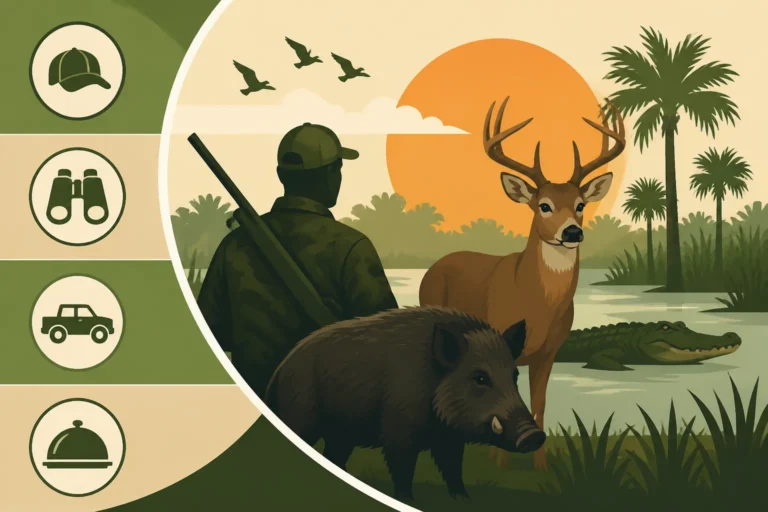
Most Florida hunting packages are built around the actual hunting experience itself. This typically includes the guide's time, access to private land or special permits if applicable, and often a vehicle for transportation around the hunting area. If you're going after an Osceola turkey, for example, the guide's knowledge of gobbler roosts and calling tactics is a huge part of the value. For an alligator hunt, it's their boat, specialized equipment like harpoons or bang sticks, and their intimate familiarity with the waterways.
Beyond the core hunt, many packages will also include things like lodging, meals, and initial processing of your game. Lodging can range from a rustic bunkhouse at a deer camp to a comfortable lodge with all the amenities. Meals might be home-cooked and hearty, or they might be simpler grab-and-go options. The more 'all-inclusive' a package is, the higher the initial sticker price, but also potentially more convenient for you. It's crucial to get a clear itemized list of what's included and what's not, right down to things like transportation from the nearest airport or the cost of a CITES tag for an alligator.
Overhead Costs for the Outfitter
Remember, outfitters have significant overheads that contribute to their pricing. They have to cover fuel for trucks and airboats, maintenance for equipment, insurance (which isn't cheap for an operation involving hunting!), land leases if they don't own the property, and the wages for their guides and support staff. There are also marketing costs, website maintenance, and the time they spend scouting and managing game populations year-round. All these factors play into the final price you see.
Furthermore, certain hunts inherently cost more to run. A multi-day bear hunt, for instance, requires extensive scouting and often specialized equipment, leading to a higher base price. Meanwhile, a day hog hunt might be more streamlined, allowing for a lower cost. Understanding these operational realities helps you appreciate the value and manage your expectations for how much an outfitter can realistically discount. You can often find a good range of options by checking platforms like BookYourHunt, which aggregates various outfitters, giving you a baseline for comparison.
Researching and Setting Your Baseline Expectation
You wouldn't buy a car without checking prices, right? The same goes for a guided hunt. Doing your homework before you even pick up the phone or send that first email is your strongest negotiation tool. Knowing the market value helps you understand what's a fair price and where you might have an opportunity to ask for a bit more value or a slight reduction.
Comparing Similar Package Offerings
Start by looking at multiple outfitters offering similar hunts in Florida. Are you targeting a Guided Osceola Turkey Hunt? Compare packages from outfitters in different regions, even within the Osceola zone. Pay close attention to what each package explicitly includes: the number of hunting days, whether lodging and meals are provided, guide-to-hunter ratio, and any other perks like trophy prep. What might seem like a cheaper hunt initially could end up costing more if essential services like a game processor or a CITES tag for an alligator aren't included.
Don't just look at the price tag; read the reviews and success rates. A slightly higher-priced outfitter with stellar reviews and a high success rate might be a better value in the long run than a cheaper one with a questionable track record. Websites like GoHunt and BookYourHunt can be great resources for compiling these comparisons, as they often list multiple outfitters side-by-side with their offerings and pricing structures. This also gives you a feel for What a Guided Florida Deer Hunt Costs or Average Cost of a Day Hog Hunt.
Identifying Peak vs. Off-Peak Seasons
Timing is everything in negotiation. Just like hotels, outfitters often have peak and off-peak seasons. Peak times, when demand is highest (like the opening week of spring turkey season for Osceolas or the rut for deer in some zones), will typically command full price. Demand outstrips supply, so outfitters have little incentive to discount.
However, if you're flexible with your dates, you might find more negotiation leverage. Consider booking a hunt during the middle of the week, in the later weeks of a season, or even during Florida's often-hot "shoulder seasons" when casual hunters might shy away. For instance, When Osceola Gobblers Go Quiet in April might present an opportunity for a slightly reduced rate or added value as the season winds down. Off-season scouting trips or booking well in advance (or even last-minute, as we’ll discuss later) can also open doors.
| Factor Increasing Negotiation Leverage | Factor Limiting Negotiation Leverage |
|---|---|
| Flexible dates and timing | Booking during peak season/opening week |
| Booking for a larger group | Booking as a solo hunter |
| Last-minute cancellation availability | Booking popular dates well in advance |
| Offering to fill an outfitter's empty slot | Outfitter is already fully booked |
| Willingness to take added services | Only seeking a straight cash discount |
| Off-season/shoulder season booking | High demand for the specific hunt |
| Willingness to book multiple species | Only interested in one specific hunt |
| Long-term relationship/repeat client | First-time client with no history |
Strategies for a Respectful and Effective Negotiation
Negotiating doesn't mean being aggressive or demanding. It's about having a polite, clear conversation aimed at finding a mutually agreeable arrangement. Your goal is to get a better deal, but also to build a positive relationship with a professional you trust to guide your hunt.
The Art of Asking for Added Value, Not Just a Discount
Sometimes, a direct cash discount isn't on the table, but added value might be. Think creatively about what else could enhance your experience without costing the outfitter much extra. Could they include an additional night of lodging? Maybe an extra guide day, or an upgrade to a different type of weapon for part of the hunt? Perhaps assistance with taxidermy prep or ensuring your meat is professionally processed?
For example, on a hog hunt, you might ask if they can include an extra night of lodging or offer a combo hunt for another small game species if time allows. On an alligator hunt, perhaps they could include an extra CITES tag if you’re looking to harvest a second animal and they have availability, or assist with a Harvesting an Alligator With a Bang Stick demonstration if you're interested in learning a new technique. This approach shows you value their services and are looking for a complete experience, rather than just cheapening their core offering.
Leveraging Flexibility and Last-Minute Opportunities
Being flexible is one of your biggest assets. If you can hunt on short notice, especially for cancellations, you might be able to step into a prime spot at a reduced rate. Outfitters often prefer to fill a canceled spot at a lower price than have it go completely empty. It's not always easy to coordinate, but if your schedule allows, it's worth asking about. "Do you have any last-minute cancellations or open dates you're looking to fill?" is a perfectly reasonable question.
Similarly, booking outside of the most popular dates can yield savings. For example, if the prime rut is mid-November for deer, perhaps hunting the late season in December or early January could come with a discount or extra perks. On a private land hog hunt, if you can swing a mid-week trip instead of a prime weekend, the outfitter might be more inclined to work with you. Keep an eye out for "orphaned" slots or less-desirable dates that an outfitter might want to fill. You can sometimes find these opportunities listed on platforms like BookYourHunt.
Inquiring About Group Rates or Multi-Species Hunts
If you're planning a trip with friends or family, always ask about group rates. Outfitters appreciate booking multiple hunters at once as it fills more spots and reduces their marketing efforts. A group of three or four hunters might be able to secure a better per-person price than individual bookings. It also opens up possibilities for Deer Drives With Three or Four Hunters which can be a fun and effective method for groups.
Another angle is the multi-species hunt. If you're interested in more than just one animal – say, combining a hog hunt with a deer hunt, or a duck hunt with a dove hunt – an outfitter might offer a bundled discount. Florida has fantastic opportunities for Year-Round Hog Hunting in Florida that can often be combined with other seasonal hunts. Asking, "If we booked both a hog hunt and a deer hunt with you, would there be a package discount?" is a savvy way to explore options. It's a win-win: more business for them, more hunting for you.
When and How to Present Your Offer
Timing and tone are crucial when you're ready to talk numbers. You want to convey serious interest without being demanding, and you want to do it at a point where the outfitter is receptive.
The Initial Inquiry and Information Gathering Phase
Your first contact with an outfitter shouldn't be about price negotiation. It should be about gathering information, expressing genuine interest, and asking Questions to Ask Before Booking an Outfitter. Learn about their operation, their success rates, what exactly is included in their standard package, and what their availability looks like. This initial phase helps you build a rapport and shows you’re a serious, thoughtful client, not just someone looking for the cheapest deal.
During this stage, you're also assessing their communication style and professionalism. Are they prompt and thorough in their responses? Do they seem genuinely interested in helping you achieve your hunting goals? This initial impression is important for both sides. Get a solid quote in writing for their standard package, so you have a clear baseline for any future discussions. This also allows you to compare their offerings effectively with others you might be considering.
Presenting Your Offer Respectfully
Once you have all your information and have decided this is the outfitter you'd like to work with, that's when you can respectfully introduce the idea of negotiation. Frame it as a request, not a demand. For example: "I'm very impressed with what you offer, and I'd love to book with you. I noticed your typical rate for [specific hunt] is [X amount]. Would there be any flexibility on that if I'm able to book for [less popular date/as part of a group/last minute fill-in]?"
If you have specific needs or a budget constraint, communicate that clearly. "My budget for this trip is [Y amount]. Is there any way we could work within that, perhaps by adjusting the package inclusions or considering a different set of dates?" Be prepared for a "no," and accept it gracefully. Not every outfitter will negotiate, and that's their prerogative. But by asking respectfully, you leave the door open for a positive outcome and maintain a good relationship. Remember, you're negotiating for a hunting experience, and a positive relationship with your guide can make all the difference.
Following Up and Finalizing the Deal
After you've presented your offer, give the outfitter time to consider it. Don't press them for an immediate answer. A polite follow-up within a few days is appropriate if you haven't heard back. If they come back with a counter-offer, be ready to evaluate it. Is it fair? Does it meet your needs? It might not be exactly what you asked for, but it could still be a great deal.
Once you've agreed on a price and package, ensure everything is put in writing. A detailed contract or agreement outlining the price, inclusions, dates, cancellation policy, and any specific terms you negotiated is essential. This protects both you and the outfitter. Always clarify Florida Hunting Licenses and What They Cost and who is responsible for purchasing them, as well as any other permits like Florida's Statewide Alligator Permit Lottery. Don't assume anything. A clear, written agreement prevents misunderstandings down the road and ensures your Florida hunting adventure starts and ends on a high note.
Disclaimer
This article is for general informational purposes only and does not constitute professional advice. Laws, prices and regulations vary by location and change over time. Consult a qualified professional for guidance on your specific situation.